
Views: 0 Author: Site Editor Publish Time: 2026-10-28 Origin: Site


Imagine pulling out of the gas station after a routine fill-up. Suddenly, your reliable SUV struggles to start. You crank the ignition. The engine sputters. Next, that dreaded Check Engine Light illuminates on the dashboard. For many vehicle owners, this frustrating scenario serves as the very first sign of an Evaporative Emission Control system malfunction. In a vast majority of these cases, the specific culprit behind this chaotic behavior is a failing emission solenoid.
This comprehensive guide walks you through exactly when and why this component breaks down. Specifically, we will explore how to identify subtle warning signs and decode common OBD-II errors like P0440 and P0449. Understanding the mechanics of this system saves you time. It also helps you anticipate repair costs and keeps your daily commute running smoothly.
The system traps raw fuel vapors in a dedicated charcoal canister. It then routes them back into the engine for combustion. This closed-loop process prevents toxic hydrocarbons from escaping into the atmosphere. Acting as the ultimate gatekeeper, the solenoid opens and closes based on electrical signals from the engine control unit. This precise actuation allows stored vapors to flow seamlessly into the intake manifold.
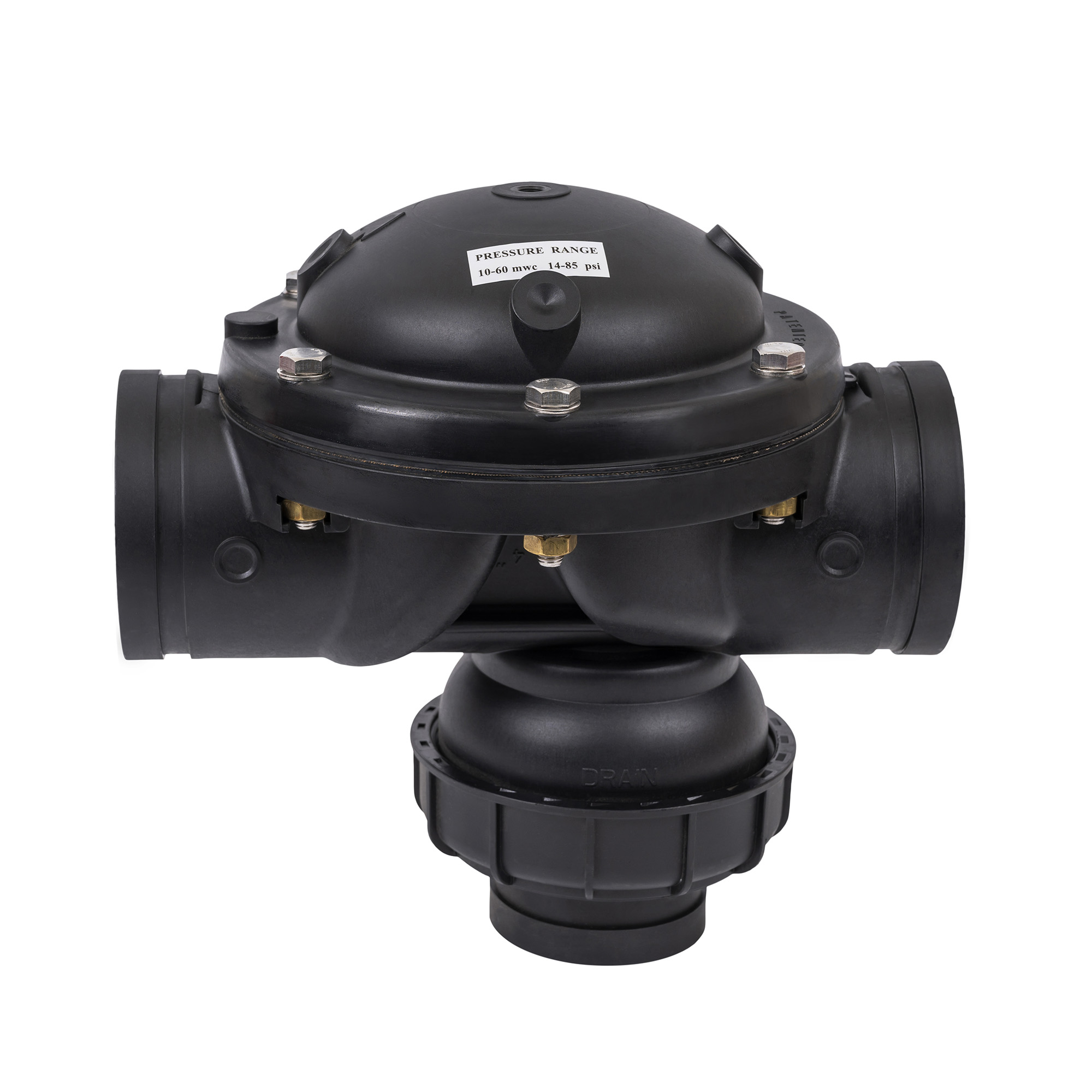
To better grasp its function, consider how different industries handle flow control. Heavy machinery often relies on a robust hydraulic valve to generate immense mechanical force under extreme pressure. Automotive EVAP modules, however, are lightweight electronic solenoids managing low-pressure gases. They lack the ruggedness of industrial components. For instance, a commercial 4-Inch Three-Way Valve Filtration System utilizes glass-reinforced polyamide construction and handles up to 10 bar of pressure. The automotive solenoid is far more delicate. If rogue charcoal pellets escape a degraded canister, they easily jam this tiny component open. This instantly disrupts the vehicle air-fuel mixture.
Your vehicle internal computer constantly monitors pressure levels. If the system detects a vacuum leak due to a stuck-open solenoid, it triggers the Check Engine Light immediately. This serves as the earliest warning sign for drivers.
A classic symptom involves an engine refusing to start right after getting gas. When the mechanism is physically stuck open, fuel vapors from the gas tank flood the engine while you pump fuel. This creates an excessively rich condition. There is far too much fuel and not enough air. Consequently, the engine cranks continuously but hesitates to fire up.
An unmetered vacuum leak disrupts the delicate air-fuel ratio required for smooth operation. A stuck-open gatekeeper allows extra air and unpredictable amounts of fuel vapor into the intake manifold. You will likely feel a sputtering sensation or a noticeably rough idle at a red light.
The engine control unit detects the incorrect mixture and attempts to compensate via the fuel injectors. This constant overcompensation forces the engine to burn more gas. Over time, your miles per gallon drop significantly.
This broad error indicates a leak somewhere in the system. Crucially, P0440 does not exclusively mean the solenoid is bad. A degraded gas cap seal or a cracked vacuum line triggers this same code. Proper diagnostic testing remains essential.
When the engine computer commands an opening, it expects a specific change in manifold vacuum. Detecting an incorrect flow triggers P0441. Unlike a heavy-duty three way valve designed for complex multi-directional fluid routing, this automotive part acts strictly as a two-way gate. Any flow discrepancy means the gate is jammed or electronically dead.
People easily confuse the front-mounted purge mechanism with the rear-mounted vent valve. Code P0449 specifically points to an electrical circuit issue near the gas tank. However, wiring harness damage can cause overlapping codes.
Automotive forums frequently feature owners frustrated by misdiagnosed issues. Rushed technicians often replace expensive canisters and sensors without verification. Testing individual components ensures you avoid paying for unneeded repairs.
You can perform a simple at-home test using basic tools. First, disconnect the electrical harness and pull the two vacuum hoses off the module. Blow air through the inlet port. It should be completely sealed tight. Next, apply 12 volts directly from the battery to the component terminals using jumper wires. You should hear a sharp click, allowing air to pass freely. Failing either physical check mandates a replacement.
Inspect your gas cap before opening the hood. A cheap cap with a dry-rotted rubber seal fails to hold system pressure. This perfectly mimics a costly failure. Clean the filler neck and ensure the cap clicks securely.
At its core, this component relies on an internal electromagnet moving a plunger. Over thousands of heat cycles in a sweltering engine bay, the electrical windings wear out. Furthermore, looking at broader automotive industry shifts, stricter global emission regulations force manufacturers to design increasingly sensitive systems. While this reduces our environmental footprint, component longevity suffers. Industry-wide data indicates a rising trend in premature electronic solenoid failures across modern platforms. Today vehicles utilize far more frequent purge cycles to meet stringent compliance standards. This accelerates the thermal degradation of electromagnets. Components that historically lasted the lifetime of a vehicle are now standard wear items.
Physical blockage acts as another major culprit. When drivers habitually overfill their gas tanks, liquid fuel floods the lines and breaks down the charcoal canister. The resulting charcoal dust travels through vacuum hoses and jams the solenoid open. Just as an agricultural filtration valve becomes entirely useless when choked with river sediment, your vehicle vapor gatekeeper cannot seal properly when packed with debris.
Understanding the limitations of automotive plastic components highlights the need for rigorous engineering in other sectors. If your operations involve agricultural irrigation or municipal water treatment, standard automotive-grade plastics will fail instantly. You need professional-grade equipment.
Let us look at a technical comparison outlining the engineering differences:
| Engineering Feature | Automotive Purge Valve | Industrial 4-Inch Control Valve |
|---|---|---|
| Material Construction | Standard Heat-Resistant Plastic | Glass-Reinforced Polyamide |
| Maximum Pressure | Less than 1 Bar | Up to 10 Bar |
| Flow Application | Low-Pressure Gaseous Vapors | High-Volume Liquid and Debris |
| Actuation Method | Delicate Electromagnet | Robust Diaphragm Actuator |
| Maintenance Features | None - Replace Only | Automated Backflushing |
When selecting fluid control systems for high-stakes applications, durability is non-negotiable. A commercial backflush control valve offers superior resistance to corrosive chemicals and cavitation. By utilizing Y-pattern body designs, these industrial units minimize pressure loss while handling massive flow rates.
You have a few options when purchasing the replacement module. Genuine OEM parts usually run between $70 and $120. They offer guaranteed fitment and longevity. Aftermarket options might cost just $30 to $60. Because this is a sensitive electronic sensor, investing slightly more in the OEM part prevents premature secondary failures.
Labor remains minimal because the module is easily accessible right under the hood. You will not need a mechanic to drop the gas tank or dismantle the engine. Swapping this automotive solenoid takes a professional just 30 to 60 minutes. Consequently, labor charges generally hover between $80 and $150.
Combining parts and labor, the final repair estimate lands between $150 and $300. The physical replacement only requires removing a few hoses and an electrical clip. It serves as a highly cost-effective DIY repair for those willing to wield a pair of pliers.
If your CEL just illuminated, a failing solenoid will not leave you stranded on the highway immediately. The vehicle remains perfectly safe to drive to a local mechanic or your home garage for further inspection.
Ignoring the issue for an extended period proves costly. Driving for months with a stuck-open module forces the engine to run excessively rich. Over time, unburned fuel overheats and permanently damages the catalytic converter. This repair costs well over a thousand dollars. Additionally, your vehicle will automatically fail any mandatory state emissions inspections.
Ultimately, the emission solenoid operates as a small but incredibly vital component. Experiencing a sudden Check Engine Light and struggling to start the engine at the gas pump feels highly stressful. However, the underlying diagnosis is straightforward. The subsequent repair remains relatively inexpensive. Take control of the situation before paying expensive diagnostic fees at a dealership. Purchase an affordable OBD-II scanner. Verify the integrity of your gas cap. Use the simple at-home diagnostic steps provided in this guide to keep your SUV running at peak performance.
For professionals managing larger fluid systems beyond automotive repair, reliable flow control is critical. Whether you are upgrading agricultural irrigation networks or designing industrial filtration setups, you need valves built to withstand extreme conditions. Explore high-performance solutions and find the exact specifications for your project at https://www.arka-irrigation.com. Upgrade your infrastructure with engineering you can trust.
It is located under the hood. It mounts directly on or adjacent to the intake manifold. Look for a small black plastic cylinder connected by a wiring harness and two distinct vacuum hoses.
These components usually last between 60,000 and 100,000 miles. They can potentially last the entire lifetime of the vehicle provided the system remains free of liquid fuel from overfilling the gas tank.
It rarely causes a full engine stall while driving at highway speeds. Instead, it causes severe hesitation, rough idling when stopped, and significant difficulty starting the engine immediately after refueling.
If the mechanism is merely jammed with charcoal dust, blowing it out with compressed air sometimes salvages it. If the internal electromagnet has failed electronically and no longer clicks when power is applied, it must be fully replaced.
The total cost typically ranges from $150 to $300. The part itself costs between $30 and $120 depending on whether you choose aftermarket or OEM. Labor makes up the rest, usually taking less than an hour for a professional to complete.
Continuing to pump gas after the nozzle clicks off forces liquid fuel into the vapor lines. This liquid destroys the charcoal canister. The resulting debris travels through the system and permanently jams the electronic emission valves.


