
Views: 0 Author: Site Editor Publish Time: 2026-10-20 Origin: Site


Are you tired of constantly cleaning clogged irrigation lines under the hot summer sun? Traditional screens have been the go-to solution for decades. Yet they frequently fail when pitted against heavy biological loads like algae and fine clay. This recurring agricultural headache leads to uneven water distribution. Crops get stressed. You waste countless hours on manual labor.
A disc filter solves this exact problem by completely rethinking how water is purified. In this comprehensive guide, we will break down the engineering behind these advanced polymer components. We will compare them directly to legacy mesh and media options. You will see exactly why upgrading your mainline filtration is a critical investment for system longevity.
We are witnessing a massive shift in global agricultural practices. Prolonged droughts and shrinking aquifers force growers to rely on marginal surface water sources. At the same time, the industry is rapidly transitioning to low-volume micro-irrigation to maximize water efficiency. This intersection creates a severe engineering challenge.
You are pumping dirtier water through much smaller emitter orifices. Standard mesh simply cannot keep up with this biological and particulate load. Consequently, agricultural engineers now specify depth filtration as mandatory infrastructure rather than an optional upgrade. This ensures precise water delivery even under worsening water quality conditions.
The engineering behind agricultural water filtration has evolved significantly. Early irrigation networks relied heavily on basic wire mesh or perforated plastic screens to block large debris. However, as micro-irrigation became the global standard, the demand for finer purification increased dramatically. This shift led to the development of polymer-based disc technology.
This equipment operates on a uniquely effective mechanical principle. The core of the filter consists of a tightly compressed stack of synthetic rings. Each individual disc features microscopic intersecting grooves radiating from the outer edge to the inner ring. When the external housing is sealed and pressurized, a central spine compresses these discs together with immense force. High-quality units are engineered to withstand working pressures up to 8 bar while maintaining complete structural integrity.
As water is pushed from the outside of the stack toward the hollow center, it must navigate a complex three-dimensional maze. Dirt, sand, and particulate matter lose momentum. They become trapped within these microscopic intersections. Only pristine water exits the center core and flows into the mainline.
Among the various configurations available, the Y-type disc filter dominates both agricultural and commercial landscape settings. The main body aligns directly with your piping. The active filter element sits inside an angled offshoot.
This specific geometry is heavily favored for mainline installations for two practical reasons. First, the angled housing creates a highly efficient fluid dynamic path. This minimizes friction loss across the element. Second, from a maintenance standpoint, the Y-shape allows a farmhand to easily unscrew the cap and extract the cartridge for rinsing. You never need to dismantle the surrounding PVC plumbing.
To fully grasp why an upgrade makes sense, we must examine the fundamental mechanical differences.
A traditional unit relies entirely on surface filtration. It consists of a single layer of woven stainless steel wire or molded plastic mesh. Water passes through tiny holes. Particles larger than the hole size stop on the surface. The primary limitation of this two-dimensional surface is blinding. This phenomenon plagues the traditional screen filter. Blinding occurs when a single piece of flexible organic matter flattens against the mesh. A single leaf fragment or strand of pond weed instantly covers dozens of holes. This severely restricts water flow and causes immediate pressure spikes.
Grooved ring technology utilizes three-dimensional depth filtration. The fluid must travel through the entire depth of the compressed rings. Debris is trapped not just on the outer perimeter, but throughout the entire thickness of the stack. This architectural advantage allows the unit to hold a significantly larger volume of particulate matter before flow becomes restricted.
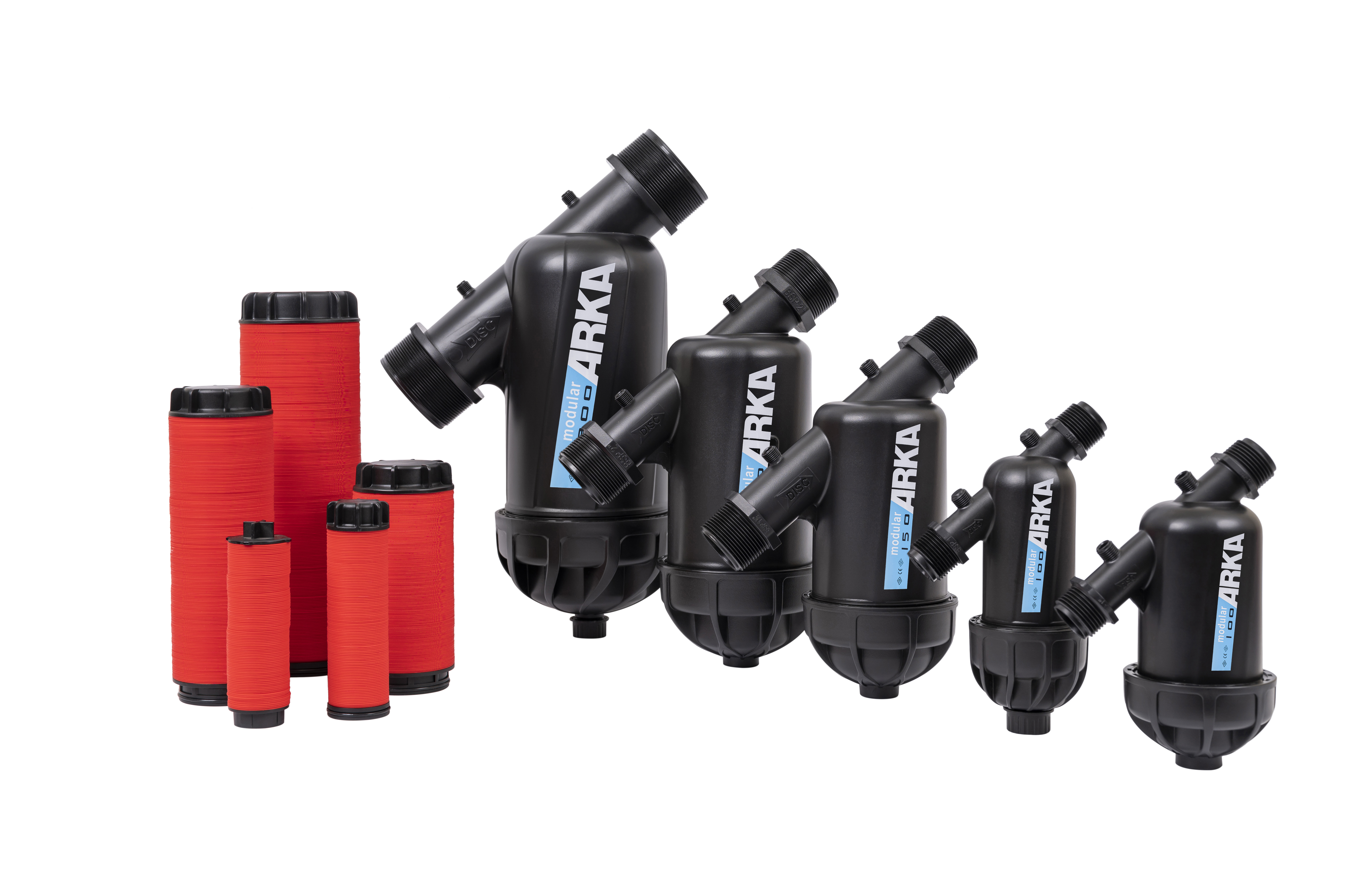
Evaluating capital equipment requires looking well beyond the initial purchase price. You must understand the long-term operational impact. Here is an objective breakdown of why this technology provides a superior return on investment.
Massive Dirt-Holding Capacity
Debris is stored throughout the entire depth of the grooved rings. This translates directly to a longer operational duration between cleaning cycles in the field. Less frequent maintenance keeps your irrigation schedules strictly on track.
Superior Handling of Organic Matter
Organic matter is the primary failure point for traditional mesh. Biological slime quickly coats flat screens. Cleaning a screen coated in baked-on algae often requires aggressive scrubbing. This can permanently deform or tear delicate wire mesh. Grooved rings trap organic matter safely. When decompressed, they can be easily hosed clean without risking damage.
Industrial Durability
Agricultural infrastructure faces incredibly harsh conditions. High pump pressure, friction from suspended silica sand, and corrosive liquid fertilizers destroy weak components. Stainless steel screens rust over time. Thin plastic mesh blows out under sudden pressure spikes. Synthetic polymer discs resist chemical corrosion, UV degradation, and physical abrasion. This guarantees a significantly longer operational lifespan.
Bulletproof Protection for Drip Systems
Modern drip tape features microscopic flow paths designed to deliver precise droplets to the root zone. Minor particulate bypass will permanently plug these labyrinth emitters. Depth filtration serves as critical infrastructure for micro-irrigation. It guarantees that sharp, narrow particles are caught in the intersecting grooves before they reach your field.
Stable Hydraulic Pressure
Uniform crop watering requires stable hydraulic pressure. When a mesh screen begins to blind, pressure drops abruptly. This leads to dry spots at the far end of the field. The volumetric capacity of a grooved stack ensures water pressure decreases at a much slower, highly predictable rate. Your watering zones remain perfectly balanced.
When designing heavy-duty agricultural systems, buyers often evaluate a sand filter alongside other options. These media systems force water through large steel tanks filled with crushed silica or basalt.
They represent the highest tier of depth filtration. They are exceptionally effective for highly contaminated canal water. However, they come with substantial logistical drawbacks. Media tanks are extremely heavy, require a massive physical footprint, involve complex automated backwashing valves, and carry a very high capital cost.
Grooved polymer rings occupy the ideal engineering middle ground. They provide a quality of depth filtration that closely rivals a massive media tank. They achieve this within the compact footprint and lower price bracket of a standard inline unit. For high-density indoor farming, combining a high-quality pre-filter with automated fertilizer injection protects expensive dosing equipment without devouring valuable floor space.
The decision between a manually operated unit and a fully automated system depends on baseline water quality, labor availability, and farm scale.
Manual Operations
Manual units are highly effective for smaller agricultural setups or systems drawing from clean deep wells. The cleaning process is straightforward. The operator isolates the valve, opens the housing, removes the cartridge, loosens the central spine, and hoses the debris out. While mechanically simple, this requires dedicated labor and strict adherence to a maintenance schedule.
Automated Operations
For medium to large-scale operations utilizing surface water, an automatic disc filter is the current industry standard. These sophisticated setups utilize pressure differential switches. When dirt accumulates, pressure on the outlet side naturally drops. Once this differential reaches a pre-set threshold—usually around 7 PSI—the digital controller initiates a backflush cycle.
Automated valves reverse the flow. High-pressure clean water is forced from the inside of the core to the outside. The central spine decompresses. Specialized nozzles spray water tangentially against the rings, causing them to spin rapidly. This hydrodynamic spinning ejects all trapped debris out through a flush valve in seconds. The ROI is realized rapidly through massive labor reduction and protection of the main pump.
Understanding where this technology excels helps you make an informed procurement decision.
Precision Drip Irrigation
Micro-irrigation demands absolute precision. Drip tape manufacturers specify strict micron ratings for incoming water to validate their warranties. Depth filtration guarantees three-dimensional capture. It reliably meets these strict requirements and prevents irreversible emitter clogging.
Dynamic Surface Water Sources
A pond that is crystal clear in the spring may experience severe algae blooms in August. You will also see fluctuating levels of suspended mud from heavy rainfall. The high volumetric holding capacity allows your system to absorb these seasonal spikes in biological loads without requiring hourly human intervention.
Upgrading Bottlenecked Mainlines
Growers frequently complain about the failure of small mainline screens. Operators scrub these screens daily simply to maintain adequate flow. Upgrading the mainline to a properly sized grooved-ring unit resolves this bottleneck instantly. It expands dirt-holding capacity exponentially and stabilizes the entire hydraulic network.
Selecting the correct hardware directly impacts the longevity of your entire setup. Forcing a high volume of water through an undersized unit increases fluid velocity. This jams pliable organic matter deep into the grooves, making it exceptionally difficult to clean. Follow these engineering standards to specify the optimal unit.
Calculate Maximum Flow Rate
The most common error in system design is sizing equipment based solely on pipeline diameter. You must calculate your maximum flow requirement in cubic meters per hour or gallons per minute. Select a unit that comfortably accommodates that flow. Oversizing by 20 percent is a standard engineering practice. It provides a crucial safety margin for unexpected spikes in water demand.
| Connection Size | Typical Flow Rate Capacity | Ideal Agricultural Application |
|---|---|---|
| 3/4 Inch to 1 Inch | Up to 6 m³/h | Small residential zones, greenhouse propagation beds. |
| 1.5 Inch to 2 Inch | 15 to 25 m³/h | Medium agricultural plots, commercial landscape zones. |
| 3 Inch to 4 Inch | 40 to 70 m³/h | Large mainline irrigation, multi-zone agricultural fields. |
| 6 Inch+ Manifold | 100+ m³/h | Municipal water treatment, heavy-duty industrial farming. |
Select the Appropriate Micron Rating
The filtration degree dictates the size of the particulate matter blocked. Industry standards utilize a universally recognized color-coding system for internal rings. This allows operators to quickly identify the rating without specialized tools.
When integrating into a drip system, the 120-mesh Red configuration is overwhelmingly the industry standard. It provides the perfect balance between capturing dangerous particulates and maintaining acceptable cleaning intervals.
Match Connection Threads and Materials
Evaluate the physical reality of your pump house. Ensure connection threads match your existing plumbing. Using the wrong thread type results in irreversible cross-threading and severe leaks under pressure. Ensure the outer housing is manufactured from UV-resistant reinforced polymers if installed outdoors.
Traditional flat screens still have their place in very clean municipal water systems. However, the robust depth filtration of a grooved ring system makes it the overwhelmingly superior choice for modern agriculture. It traps dirt, sand, and algae throughout its matrix, offering unparalleled protection for your entire hydraulic network.
Spending a little more upfront on high-quality hardware pays for itself. You extend the life of delicate emitters, drastically reduce maintenance labor, and ensure your crops receive uniform watering. Stop wasting hours scrubbing clogged screens. Evaluate your current water source today and upgrade to a professional-grade solution. Explore the high-efficiency filtration systems at ARKA to find the exact configuration that fits your flow rate and water quality demands.
Yes, replacing a traditional mesh unit with a grooved ring model is a straightforward upgrade. Most manufacturers design these units to utilize standard plumbing threads and flange sizes. They can be easily swapped directly into your existing mainline without requiring major pipe modifications. Just ensure you have adequate physical clearance to unscrew the cap and extract the internal spine for routine maintenance.
Cleaning frequency is entirely dependent on the biological load of your specific water source. If you draw from a clean well, you may only need to hose off the rings once a month. If you draw from a shallow pond during a summer algae bloom, the high organic load might necessitate cleaning every few days. Installing pressure gauges before and after the unit is the best way to monitor this. A drop of 7 PSI indicates it is time to clean.
The colors are a standardized industrial coding system used to instantly identify the micron rating. Red universally represents 120 mesh, which is the absolute standard requirement for protecting drip irrigation tape. Yellow represents 80 mesh, and Blue represents 40 mesh for coarser pre-filtration.
All physical filtration devices induce a slight reduction in water pressure, known as friction loss. When the unit is completely clean, this initial pressure drop is usually negligible. As the unit successfully traps dirt, the pathways restrict, and the pressure drop gradually increases. Because of its massive holding capacity, it maintains steady usable pressure much longer than a flat screen.
Proper sizing requires matching the filter's maximum flow capacity to your irrigation pump's output, not just matching the pipe diameter. You must calculate your system's total flow rate. Always select a filter rated 15 to 20 percent higher than your maximum flow requirement to prevent premature clogging and excessive pressure loss.
High-quality agricultural units are typically engineered from glass-reinforced polymers designed to withstand significant hydraulic stress. Most standard inline and Y-type configurations are rated for a maximum operating pressure of 8 bar. Always verify your specific pump output to ensure it does not exceed the manufacturer's pressure rating during startup surges.


