
Views: 0 Author: Site Editor Publish Time: 2026-10-15 Origin: Site


Clogged drip emitters and uneven water distribution are more than just minor inconveniences. They ruin crop yields. They waste thousands of gallons of water daily. Even with a high-quality filtration setup in place, poor field maintenance, incorrect sizing, or fluctuating source water conditions will severely degrade system performance over time.
Optimizing an agricultural water network requires more than purchasing expensive hardware. It demands a combination of proactive field management, precise hydraulic monitoring, and timely equipment upgrades. In this comprehensive guide, we walk through actionable, field-tested methods to enhance the efficiency, water quality, and overall lifespan of your filtration system.
A reliable drip irrigation filter essentially acts as the primary line of defense for the entire agricultural watering system. Its core function is to protect highly sensitive micro-emitters from incoming threats like algae blooms, fine sand, and suspended organic debris. Modern drip emitters feature microscopic flow paths designed for precise water delivery. These tiny channels typically measure around 130 microns and can become blocked incredibly easily without stringent upstream filtration.
When emitters clog, plants across the field no longer receive equal amounts of moisture or fertigation nutrients. This uneven distribution quickly leads to localized dry spots. Crop stress spikes. Ultimately, harvest yields drop noticeably.
A poorly performing filter initiates a costly chain reaction throughout the farm. As debris accumulates and creates blockages, it causes severe pressure loss across the irrigation network. To compensate for this hydraulic drop, water pumps are forced to work much harder to push volume through fouled lines. This directly spikes daily electrical and energy expenditures.
The physical cost of replacing clogged drip tape is exorbitant. Factor in the steep labor costs required to pull up damaged lines and lay down new ones. It becomes abundantly clear that maintaining a clean filtration system is vastly more economical than replacing ruined field equipment.
Field performance always starts with precise equipment selection. There is no universal, one-size-fits-all solution. Surface water drawn from ponds, canals, or rivers requires vastly different filtration strategies than groundwater pumped from a deep well. Surface sources teem with biological growth and high levels of organic matter. Well water carries abrasive inorganic materials like sand, silt, and mineral scale.
Comprehensively testing and understanding the specific water source before finalizing a hardware purchase is the only way to prevent premature system failure.
Manufacturers utilize standardized color codes to visually indicate the micron ratings of their inner cartridges. A micron rating defines the exact size of the particles the unit is capable of trapping. Choosing a mesh that is too fine for the water quality results in rapid, relentless clogging. This forces the maintenance team into a constant cycle of cleaning. Selecting a rating that is too coarse allows harmful debris to pass right through, devastating the downstream irrigation network.
| Disc Color | Mesh Rating | Micron Rating | Best Application Use |
|---|---|---|---|
| Blue | 40 Mesh | 400 Micron | Very coarse debris, initial pre-filtration |
| Yellow | 80 Mesh | 200 Micron | Coarse sand, standard impact sprinklers |
| Red | 120 Mesh | 130 Micron | Standard drip tape and irrigation systems |
| Black | 140 Mesh | 115 Micron | Fine drip tape, micro-sprinklers, greenhouse use |
| Green | 200 Mesh | 55 Micron | Foggers, misters, and ultra-fine emitters |
Recent agricultural industry reports highlight a massive global shift toward automated filtration and data-driven field management. As climate change exacerbates water scarcity and the agricultural sector faces acute labor shortages, farms are increasingly forced to utilize lower-quality water sources, such as reclaimed wastewater or algae-heavy runoff. This industry-wide transition makes reactive, manual maintenance entirely unsustainable. Farm managers now rely on smart, self-cleaning systems to maximize water use efficiency while minimizing human intervention.
Relying on manual equipment requires a field worker to physically walk to the station, isolate the valves, and open the housing by hand. This process halts irrigation schedules and creates unwanted downtime. If workers are delayed or forget to clean the unit during peak season, system pressure plummets. Uneven watering and immediate crop stress follow.
Upgrading to an automatic disc filter provides a highly effective solution for high-debris environments. These advanced systems utilize smart backflush mechanisms to clean themselves. Integrated sensors continuously monitor pressure levels upstream and downstream. When the pressure differential reaches a pre-programmed threshold, the system reacts instantly. It reverses the water flow, causing the stacked rings to spin rapidly apart. Centrifugal action aggressively flushes trapped debris out of the grooves and down a drainage valve. This happens seamlessly in the background, ensuring uninterrupted field irrigation.
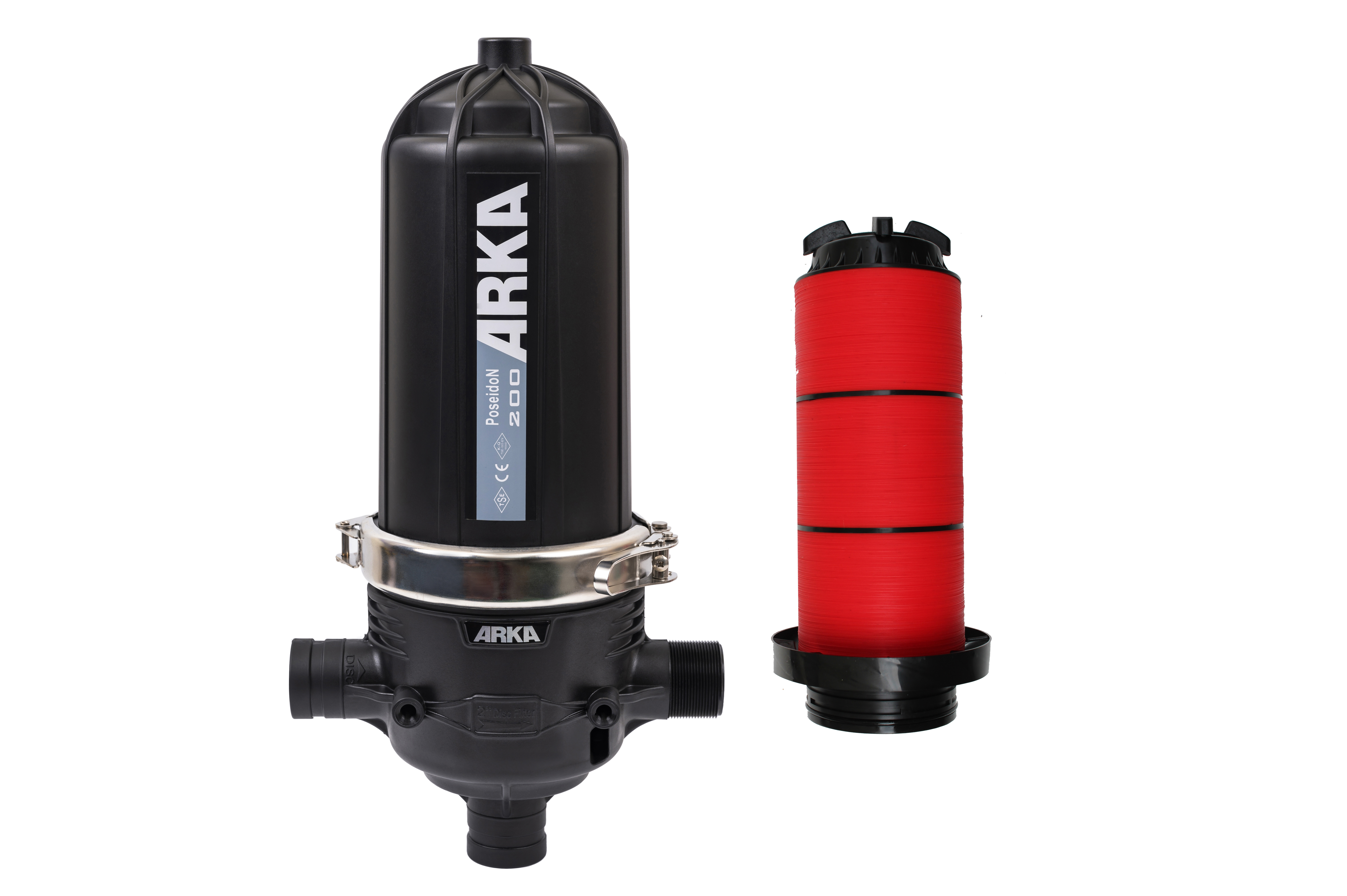
How equipment is installed is just as critical as the hardware purchased. The Y type disc filter is highly popular in commercial agriculture due to its unique, angled body design. This structural geometry offers a significantly larger filtration surface area compared to standard configurations. It creates less hydraulic friction, resulting in lower baseline pressure loss. For instance, industrial-grade 2-inch housings are engineered to seamlessly handle flow rates up to 20 cubic meters per hour with a maximum operating pressure of 8 bar.
The angled body configuration allows for incredibly easy access to internal components. Field technicians can swiftly remove the inner cartridge for inspection without cutting into or disassembling the main pipeline. Routine maintenance becomes vastly faster and safer.
Proper physical orientation is paramount for maximizing debris capture. Always install the unit with the Y-branch pointing downwards toward the ground. Gravity pulls heavy suspended particles away from the plastic element. This simple adjustment keeps the microscopic grooves cleaner for longer durations.
Install high-quality isolation valves directly before and after the station. These valves empower the team to easily shut off the localized water supply during deep cleaning sessions. Miles of main irrigation pipeline remain pressurized while servicing a single zone.
Guessing when to clean equipment based on a calendar is an outdated strategy. Modern farm managers rely on objective hydraulic data. Install liquid-filled pressure gauges immediately before and after the main filter station. This allows accurate measurement of the pressure differential, commonly referred to in the engineering field as Delta P.
Clean water passes through a fresh element with minimal friction. As organic matter and silt build up, the pressure reading downstream begins to drop. Initiate a cleaning cycle when this differential reaches exactly 5 to 7 psi. Waiting longer than this threshold risks forcing sharp dirt particles deep into the plastic grooves. This causes permanent damage and puts severe strain on primary water pumps.
Routine flushing handles loose debris, but it cannot remove stubbornly stuck particles. Perform a manual deep cleaning periodically to maintain peak performance. Shut off the isolation valves and release the trapped system pressure. Unscrew the outer housing and carefully slide the cartridge out.
Do not just rinse it. Loosen the tightening spine just enough so the individual rings fan out loosely. Blast the separated layers with a high-pressure water hose held at a 45-degree angle. This dislodges sticky algae and embedded grit. If chalky, white mineral scale builds up from hard well water, utilize an acid bath. Submerge the fanned-out rings in a mild, agriculturally safe acid solution for 15 minutes to dissolve calcium carbonate deposits. Rinse thoroughly with fresh water before reassembly.
In many agricultural settings, a single standalone unit simply cannot handle the sheer volume of incoming debris. Deep wells often pull up heavy amounts of abrasive sand. Sand overwhelms and degrades standard plastic filtration elements in a matter of days.
Installing a sand separator upstream acts as an incredible line of defense. A hydrocyclone uses powerful centrifugal force to separate heavy inorganic particles from the water stream. As water enters the conical chamber, it spins rapidly. Heavy sand pushes outward against the walls and slides down into a collection tank. This pre-filtration step drastically improves overall system performance and significantly extends hardware lifespan.
Surface water poses the distinct threat of algae, slime, and aggressive biological growth. These materials stick tightly to internal components like glue. Chemical treatments injected directly at the water source are often necessary to manage this biological load.
Implementing mild chlorination or specialized algaecides prevents organic matter from multiplying rapidly inside dark, warm pipes. Injecting meticulously calculated amounts of chlorine keeps the main lines sterile. Massive algae blooms are stopped before they blind the primary filtration system.
Choosing the wrong filtration technology is a leading cause of chronic system failure. Screen filters utilize a woven stainless steel or molded plastic mesh. They are specifically engineered for hard, inorganic particles. If the primary water source contains coarse sand, fine gravel, or hard metallic flakes, screens perform admirably. Hard particles strike the rigid mesh and fall away into the housing basin.
Screen technology struggles immensely with soft, biological materials. Screens only offer surface-level filtration. Pliable organic matter like algae and river slime easily deform and squeeze right through the tiny square holes under high water pressure.
Stacked plastic rings utilize a highly effective concept known as three-dimensional depth filtration. The core consists of hundreds of rugged plastic rings stacked tightly together on a central spine. Both sides of every ring feature microscopic, diagonally etched grooves.
When compressed, these intersecting grooves create a complex, multi-layered maze. Water is forced to travel through a tortuous path to exit the cylinder. This depth filtration is exceptionally proficient at trapping soft organic matter. As algae and slime attempt to pass through, they become caught deep inside the intersecting chambers. They cannot extrude through the maze like they do with single-layer screens. This technology is the absolute gold standard for surface water applications.
Rapid clogging is a frequent field complaint. First, verify the micron rating. A mesh that is too fine blinds over almost immediately. Next, investigate sudden environmental changes in the source water. Heavy seasonal rains drastically spike the turbidity and dirt load of local rivers. Finally, inspect the upstream hydrocyclone to ensure the sand collection chamber has not overflowed.
Occasionally, the pressure differential remains stubbornly high even after a thorough manual wash. This indicates heavily calcified plastic elements or permanent biological fouling. Hard water leaves stubborn mineral deposits that standard water pressure cannot remove. An acid wash is mandatory to dissolve the scale. If flow remains restricted, the microscopic grooves have likely worn down from abrasive sand friction. A full cartridge replacement is the only viable solution.
If dirt, sand, or algae makes its way down to the field emitters, dirty water is successfully bypassing the disc filter entirely. This is a critical failure. Inspect the top and bottom rubber O-rings. A cracked, pinched, or missing seal allows pressurized dirty water to slip right around the cartridge. Ensure the central tightening spine is locked down completely. If the stack is even slightly loose, water flows straight between the gaps rather than through the grooves. Examine the outer plastic housing for hairline fractures altering internal hydraulic pressure.
Improving field irrigation performance is an ongoing process. It demands a strategic mix of proper equipment sizing, intelligent installation, proactive pressure monitoring, and diligent maintenance protocols. Transitioning away from reactive guesswork and embracing data-driven cleaning schedules reduces labor overhead while maximizing water efficiency.
Investing the time to optimize your irrigation disc filter setup directly translates to healthier root zones, higher crop yields, and significantly lower operational costs season after season. Take the time to evaluate the current agricultural water network. Identify the weakest filtration links. To safeguard your harvest and upgrade your field's water quality, explore the high-performance 2-Inch T-Type and Y-Type industrial filtration solutions available at Arka Irrigation.
Yes, it is highly recommended for drip systems. Its three-dimensional depth filtration effectively traps soft algae and organic matter. This prevents the highly sensitive 130-micron micro-emitters in drip tapes from clogging, which is a common issue when pulling from surface water sources.
Cleaning frequency depends on specific water quality, but the engineering best practice is to clean the unit whenever the pressure differential (Delta P) reaches 5 to 7 psi. During peak irrigation season with high-debris water, this may require weekly or even bi-weekly flushing.
A Y-type housing features an angled body design that provides a larger filtration surface area and creates less hydraulic pressure loss. Its angled orientation allows field workers to easily access and remove the internal cartridge for cleaning without disrupting the main irrigation pipeline.
For large-scale commercial farms or systems pulling from high-debris surface water, automation provides a massive return on investment. It eliminates the steep labor costs associated with manual cleaning, prevents accidental system downtime, and ensures perfectly consistent water pressure is delivered to the crops.
Rapid pressure loss is typically caused by a sudden spike in water turbidity, such as an algae bloom or heavy rainfall stirring up river silt. It can also occur if the chosen micron rating is too fine for the specific water source, causing the microscopic grooves to blind over instantly.
Standard water pressure cannot remove calcified mineral deposits. You must perform an acid wash. Loosen the central spine so the rings fan out, then submerge the cartridge in a mild, agriculturally safe acid solution (like heavily diluted phosphoric or hydrochloric acid) for 15 to 20 minutes. Always wear protective gear and rinse the elements thoroughly with fresh water before reinstalling them into the system.


