
Views: 0 Author: Site Editor Publish Time: 2026-10-15 Origin: Site


Are clogged emitters ruining your crop yields? Poor water quality quickly blocks standard setups. This leaves you dealing with dry patches and wasted labor in the field. Finding a permanent, industrial-grade solution is paramount. An irrigation disc filter solves this pervasive issue by trapping suspended solids before they cause permanent damage to your micro-sprinklers or drip lines. In this comprehensive guide, you will learn exactly how to choose the right filtration equipment tailored to your specific agricultural needs.
Looking at recent agricultural sector trends, the industry is experiencing a massive shift toward precision irrigation. Global water scarcity and unpredictable climate patterns drive this transformation. Consequently, growers are increasingly forced to utilize lower-quality alternative water sources. These include reclaimed wastewater and nutrient-heavy runoff ponds. Industry analysts note that this shift has elevated the importance of robust, high-capacity filtration. You can no longer rely on basic mesh screens. Matching your purification setup to the specific biological and chemical profile of your water origin is now a critical engineering variable for long-term farm profitability.
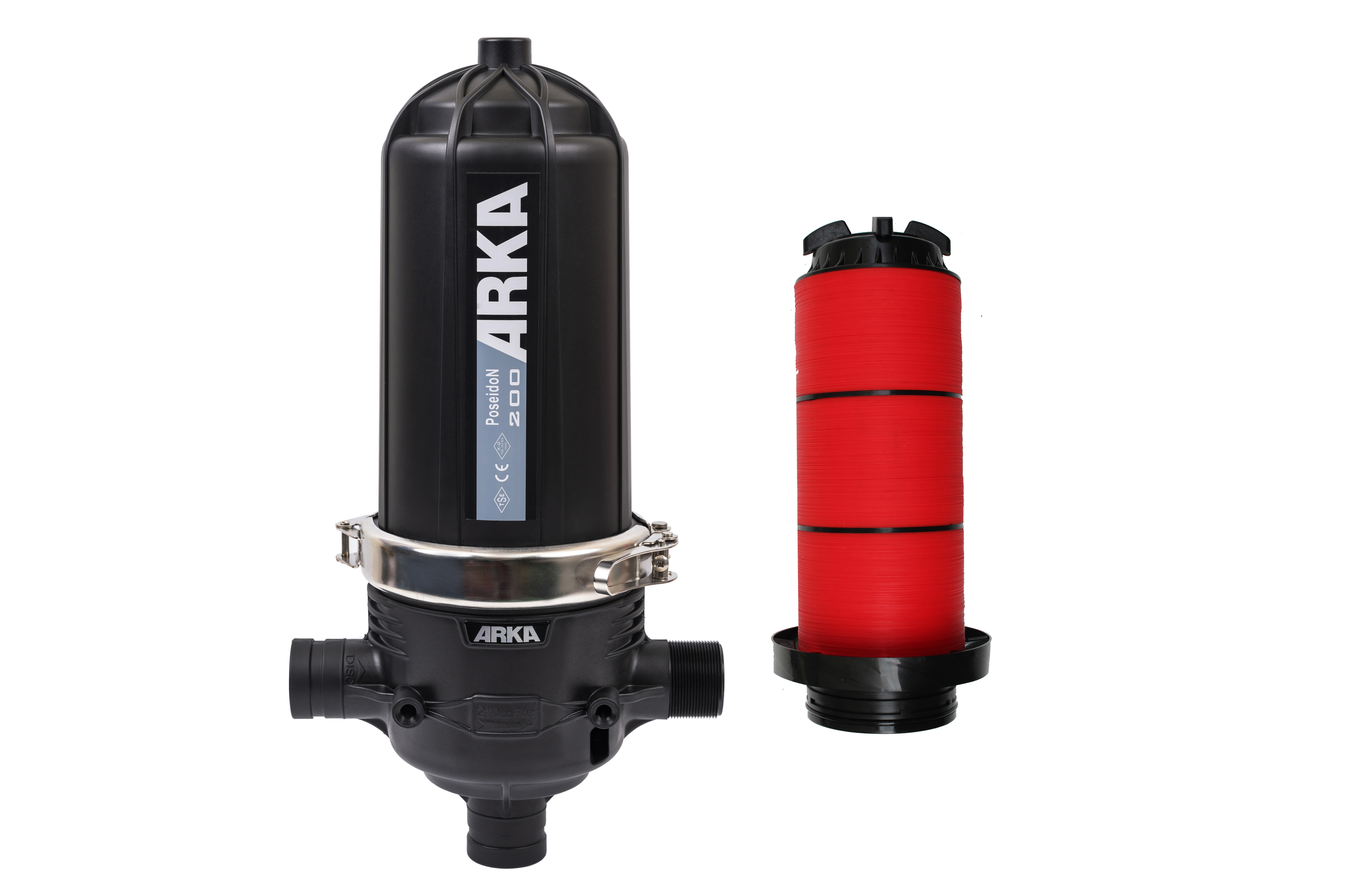
To make an informed purchasing decision, you must understand the mechanical principles behind this technology. Designed specifically for agricultural and landscape applications, this specialized water treatment device utilizes a stack of tightly compressed, color-coded plastic rings to remove suspended solids. In contrast to standard mesh screens that only offer a single surface barrier, this configuration provides a robust, multi-layered defense.
The Mechanics of Operation
Each individual ring is manufactured with microscopic, diagonally intersecting grooves radiating from the outer edge to the inner hollow core. A central spine tightly compresses these grooved rings inside the housing. Consequently, the intersecting grooves create a complex, three-dimensional matrix of tiny passageways. As pressurized water enters the housing, it is forced to travel from the outside of the stack to the inside hollow core, navigating through multiple layers of these microscopic intersections.
The 3D Filtration Concept
Engineers refer to this mechanism as depth filtration. Debris is not merely trapped on the outer surface. Rather, it is captured throughout the entire depth of the compressed stack. Larger particles are blocked on the outer exterior, while finer particulate matter is trapped deeper within the grooves. Furthermore, this multi-layered approach allows the unit to hold a significantly larger volume of debris before requiring maintenance. The robust plastic construction also resists corrosion from harsh agricultural chemicals and liquid fertilizers, ensuring long-term durability in the field.
When designing a new layout, a frequent point of confusion is whether to specify a screen or a depth mechanism. Both serve the fundamental purpose of protecting your emitters. However, their field performance varies drastically depending on the specific type of debris present in your mainlines.
Screen Filters: The Surface Approach
Screen models utilize a single layer of stainless steel or plastic mesh, providing two-dimensional, surface-level filtration. These units are highly effective at stopping hard, inorganic matter such as fine sand, gravel, and pipe scale. Yet, when confronted with organic matter, they exhibit a critical vulnerability. Under constant hydraulic pressure, soft, malleable debris like algae and decaying plant matter can be extruded directly through the holes of the screen. This debris eventually reaches and clogs the delicate drip tape.
The Depth Advantage
This is exactly where three-dimensional filtration excels. Because the water must travel through a deep, winding path of compressed grooves, soft organic materials simply cannot be forced through. The depth of the rings traps algae and slime securely within the matrix. This makes it the objectively more versatile choice for modern agricultural applications drawing from open water sources.
| Feature | Screen Filter | Depth Ring Filter |
|---|---|---|
| Filtration Type | Surface-level | Three-dimensional depth |
| Best For | Hard, inorganic debris like sand | Soft, organic debris like algae and slime |
| Debris Holding Capacity | Low to Moderate | Exceptionally High |
| Risk of Algae Extrusion | High under system pressure | Nearly eliminated |
Choosing the right hardware starts at the pump. Matching your equipment to your specific water origin determines the long-term success of your irrigation strategy.
Surface water from ponds, lakes, rivers, or canals is universally considered the most challenging source for farming operations. Exposed to constant sunlight and environmental debris, it breeds high concentrations of organic matter. If you have ever walked out to a pond-fed system in mid-July, you know how fast an algae bloom can choke a mainline. To combat this, a high-capacity disc filter is strictly required. Engineers typically recommend oversizing the surface area by at least 20 percent when dealing with surface water to safely accommodate sudden spikes in biological debris.
While groundwater is generally free of active biological growth, it presents geological challenges. Well water frequently contains inorganic particulates like fine sand and silt. Sudden changes in pressure can also cause dissolved minerals to precipitate into solid particles. A standard grooved ring unit is excellent for catching fine silt before it reaches the field. If your well produces a heavy volume of coarse sand, installing a centrifugal sand separator before the main filtration unit is standard engineering practice.
Municipal city water is pre-treated and generally very clean. In this scenario, a smaller-capacity unit acts primarily as an insurance policy to protect micro-emitters from unexpected pipe rust or scale. Conversely, reclaimed wastewater carries extremely high organic loads and suspended solids. The absolute necessity of heavy-duty, depth-based filtration cannot be overstated here. Automated solutions are almost always required to maintain system viability without excessive manual labor.
Once the water source is evaluated, the next critical decision involves the operational mechanism. Buyers must carefully weigh the initial capital expenditure against long-term labor costs.
Manual units require physical intervention to clean the accumulated debris. When the pressure gauge indicates a drop across the manifold, the operator must shut off the supply, unscrew the outer housing, loosen the central spine, and wash the rings with a high-pressure hose. This option is ideal for small to medium-sized farms, greenhouses, or setups utilizing relatively clean well water.
Operating without human intervention, an automatic disc filter utilizes a pressure differential switch to monitor flow health. When debris builds up, the pressure on the outlet side drops. Once this difference reaches a pre-set threshold, typically around 5 to 7 PSI, the controller triggers a backflush cycle. The flow of water is temporarily reversed, the stack decompresses automatically, and the trapped debris is violently flushed out through a discharge valve. If your current manual unit requires cleaning daily, automation is an operational necessity that pays for itself in labor savings.
Selecting the correct hardware requires calculating specific physical and hydraulic parameters. Guesswork in this phase often leads to frustrating pressure loss or complete system failure.
Filtration capability is measured in either Microns or Mesh. A higher mesh number equals a finer filtration grade. Manufacturers use an industry-standard color-coding system for the cartridges. For example, a red cartridge indicates a 120-mesh rating, which translates to trapping particles as small as 130 microns. This 120-mesh standard is universally accepted as the baseline requirement for protecting standard drip tape.
Every unit is rated for a maximum flow capacity, measured in Gallons Per Minute or Cubic Meters per Hour. For instance, a commercial 2-inch industrial model can comfortably handle flow rates up to 130 Gallons Per Minute with a maximum operating pressure of 116 PSI. Forcing too much water through an undersized unit increases the velocity of the water. This causes excessive friction loss and can force debris right through the grooves, compromising your entire crop.
The physical geometry of the housing dictates how water flows through the unit and how it seamlessly fits into your existing manifold infrastructure.
The Y type disc filter is engineered with the element positioned at an angle to the main water flow, creating a distinct shape. This design is highly compact and allows for straightforward inline installation on straight pipe runs. The angled body makes it exceptionally easy to unscrew the cap and remove the cartridge for manual cleaning without disturbing the surrounding plumbing. It remains the preferred choice for small to medium flow rates and tight installation spaces.
In a T-type model, the element sits perpendicular to the water flow. These housings are typically larger, feature a broader internal surface area, and are designed to handle significantly higher flow rates with minimal pressure loss. Consequently, T-type models are the standard choice for large agricultural manifolds and multi-filter automated backflushing arrays.
Selecting the correct physical size and capacity for your system is a critical engineering decision. An undersized unit will inevitably lead to rapid clogging and increased maintenance labor. Follow this systematic sizing methodology.
The foundational metric for sizing any water treatment system is the maximum flow rate it must process. You must calculate the total water demand of the specific zone that operates simultaneously. Multiply the number of emitters in your active zone by the flow rate of each individual emitter. The hardware you select must have a nominal flow capacity that comfortably exceeds this baseline figure.
The primary objective is to prevent particles from obstructing the microscopic labyrinth pathways inside your emitters. For standard agricultural setups, a high-quality drip irrigation filter typically requires a 120 to 150 mesh rating. Choosing the right color cartridge is paramount for system longevity.
Every component introduced into a mainline creates a certain degree of friction, resulting in a pressure drop. As water navigates the tortuous grooves of the compressed stack, it loses kinetic energy. A clean unit operating at its nominal flow rate should ideally introduce no more than a 2 to 5 PSI drop. If the anticipated pressure loss is too high for your pump's output, you must select a model with a larger internal pipe diameter.
The structural design inherently makes this one of the most durable components in an agricultural setup. Unlike screens that can tear or permanently embed with sharp sand grains, grooved plastic rings are highly resilient. Establishing a rigorous maintenance protocol ensures consistent crop hydration.
Monitoring Pressure Differentials
The most empirical method for determining when cleaning is required is monitoring the pressure differential. Visual inspections are inefficient for commercial operations. Best practice dictates installing two pressure gauges on the head assembly: one upstream of the inlet, and one downstream of the outlet. When the difference reaches 5 to 10 PSI above the baseline clean state, the unit has reached its holding capacity and must be flushed.
The Manual Cleaning Process
For standard manual units, the cleaning procedure requires no specialized tools. Always shut off the water pump and depressurize the system before opening the housing. Unscrew the cover, remove the internal spine, and loosen the tension nut. Use a high-pressure hose to spray the separated rings from the outside in. If your water is highly calcified, soaking the loosened stack in a mild acidic solution for 30 minutes will dissolve the mineral buildup and restore the grooves.
Winterization Protocols
In regions subject to freezing temperatures, improper winterization is the leading cause of cracked housings. Water expands when it freezes into ice. Before the first hard frost, shut down the main supply and open all drainage valves. Completely remove the cartridge, shake out all excess water, and store the internal components in a climate-controlled shed.
Matching your water source to the right equipment prevents clogged systems, uneven watering, and lost revenue. Whether you are pulling from a pristine city line or a murky agricultural pond, a reliable filtration unit acts as cheap insurance for your expensive farm setup. Protect your crops, reduce your maintenance hours, and ensure a flawless harvest every single season. If you are ready to upgrade your agricultural setup, explore the high-performance solutions at Arka Irrigation to find the exact equipment tailored to your field.
Yes, all filtration devices introduce a slight reduction in water pressure due to friction, scientifically referred to as friction loss. When the rings are completely clean, this pressure reduction is very minor, typically ranging between 2 to 5 PSI depending on the flow rate. As it traps debris, the restriction of water flow increases, causing the downstream pressure to drop further. Proper sizing ensures that the clean pressure drop remains negligible.
Directional orientation is absolutely critical for proper function. The housing features clearly molded arrows pointing in the mandatory direction of the water flow. Unfiltered water must enter the housing and flow around the outside of the compressed stack. The water is then forced inward through the microscopic grooves. If installed backward, debris will be forced into the hollow core, immediately clogging the unit and making it nearly impossible to clean.
Yes, one of the primary advantages of this modular technology is its adaptability. The outer housing and the internal plumbing connections remain identical regardless of the filtration grade. If you initially purchase a 40-mesh blue cartridge for a sprinkler system and later upgrade to a micro-drip system requiring a 120-mesh red rating, you simply unscrew the housing and slide a new red cartridge onto the spine.
Sizing depends on two main factors: your peak flow rate and your water quality. First, calculate the maximum Gallons Per Minute your active irrigation zone requires. Your chosen filter must have a maximum flow rating that exceeds this number. Second, if you are drawing from dirty surface water, industry best practice is to oversize the filter by 20 to 30 percent to handle the heavy organic load without causing excessive pressure drops.
No mechanical filter can remove minerals that are completely dissolved in the water. Grooved rings only capture suspended solid particles. However, when groundwater is exposed to oxygen, dissolved minerals like iron and manganese often oxidize and precipitate into solid rust particles. Once they become solid particles, a 120-mesh or finer cartridge will effectively trap them before they reach your emitters.


