
Views: 0 Author: Site Editor Publish Time: 2026-10-29 Origin: Site


You are driving down the highway. Suddenly, a loud pop breaks the silence. A thick cloud of sweet-smelling white smoke pours from under the hood. For many drivers, this is a harsh introduction to a notorious mechanical failure. Why does this specific heater valve hose explode? As a fluid systems engineer, I view this not just as a car problem. It is a classic failure in thermal and pressure management. The rubber conduit is highly vulnerable. Age, extreme temperature swings, and immense internal pressure cause it to burst violently. Let us dive into the root causes, warning signs, and the physics behind the failure.
To grasp why this failure happens, we must look at the fluid mechanics under the hood. The heater valve hose transports scalding hot engine coolant from the main block directly to the heater core inside the passenger cabin. Regulating this flow is the heater control valve. This valve dictates the cabin temperature based on your climate settings. The 3X designation refers to the specific tortuous routing and pressure points found in both V6 and 4-cylinder engine configurations of this era. Because of its precise location, this specific line is constantly exposed to extreme radiant heat from the exhaust manifold. Consequently, this creates a perfect storm for premature wear.
Several compounding factors contribute to this messy breakdown. Material degradation is the primary culprit. Constant exposure to coolant exceeding 200 degrees Fahrenheit breaks down the internal structural integrity of the rubber over time. Furthermore, electrochemical degradation can occur inside the line. This process essentially eats away at the material from the inside out.
In addition to material fatigue, cooling system over-pressurization plays a massive role. A failing radiator cap or a stuck thermostat can trap immense pressure inside the closed loop. When that pressurized fluid has nowhere to escape, the weakest link will violently rupture. Often, this is the aging rubber near the firewall. Oil and fluid contamination further exacerbates the issue. Minor engine oil leaks that drip onto the exterior of the rubber will soften it. This makes the hose highly susceptible to ballooning and eventually bursting under stress.
Analyzing recent engineering trends reveals a significant shift in how modern thermal systems are designed. Today, industries are increasingly moving toward advanced synthetic polymers, reinforced silicone, and sophisticated electronic pressure monitoring. Modern architectures aim to eliminate the unpredictable nature of mechanical pressure relief. They utilize sensors that can preemptively warn operators of dangerous pressure spikes before a blowout occurs.
However, older mechanical systems rely entirely on traditional fluid dynamics. The science of trapped air and pressure is a universal engineering challenge. When air gets trapped in a closed fluid circuit, it expands rapidly upon heating. This causes a massive spike in internal force. In broader industrial applications, engineers prevent pipe explosions by integrating specialized venting mechanisms. For instance, commercial fluid networks frequently utilize an air release valve to safely bleed off trapped gases without losing vital liquids. While modern systems are getting better at self-bleeding, older fluid loops require meticulous manual air purging. This prevents the exact over-pressurization that destroys heater lines.
Catastrophic failures rarely happen without warning. Performing a visual inspection using the squeeze test is a highly effective preventative measure. When the engine is completely cold, carefully squeeze the coolant lines. They should feel firm yet pliable. If the rubber feels excessively spongy or crunchy, the internal reinforcement has already failed. Visible bulging is another severe warning sign.
Specifically, olfactory clues are just as important as visual ones. A sweet, syrupy smell coming from your vents usually means scalding fluid is micro-leaking from the compromised connection. Moreover, erratic temperature gauge fluctuations often indicate trapped air pockets circulating through the block. Unlike commercial plumbing equipped with an automatic exhaust valve, your primary pressure relief is the radiator cap. Therefore, these subtle dashboard warnings are your only defense against an imminent blowout.
Understanding how different industries handle fluid pressure can help us appreciate the importance of proper valve selection. Below is a comparison between standard automotive cooling circuits and professional industrial fluid networks.
| Feature | Automotive Cooling Loop | Industrial Fluid Network |
|---|---|---|
| Primary Pressure Relief | Spring-loaded Radiator Cap | Automated Air Valves |
| Air Purging Method | Manual Bleeding Required | Continuous Automatic Venting |
| Material Stress Factors | High Thermal & Chemical Wear | High Kinetic & Hydraulic Shock |
| Component Example | Plastic Heater Control Valve | High-Strength Micro Exhaust Valve |
When replacing valves or designing a fluid system, relying on abstract concepts is a recipe for failure. You need concrete parameters. In automotive repairs, you must ensure the new hose meets OEM burst pressure ratings. However, if we look at how professional fluid dynamics are managed, the standards are incredibly precise.
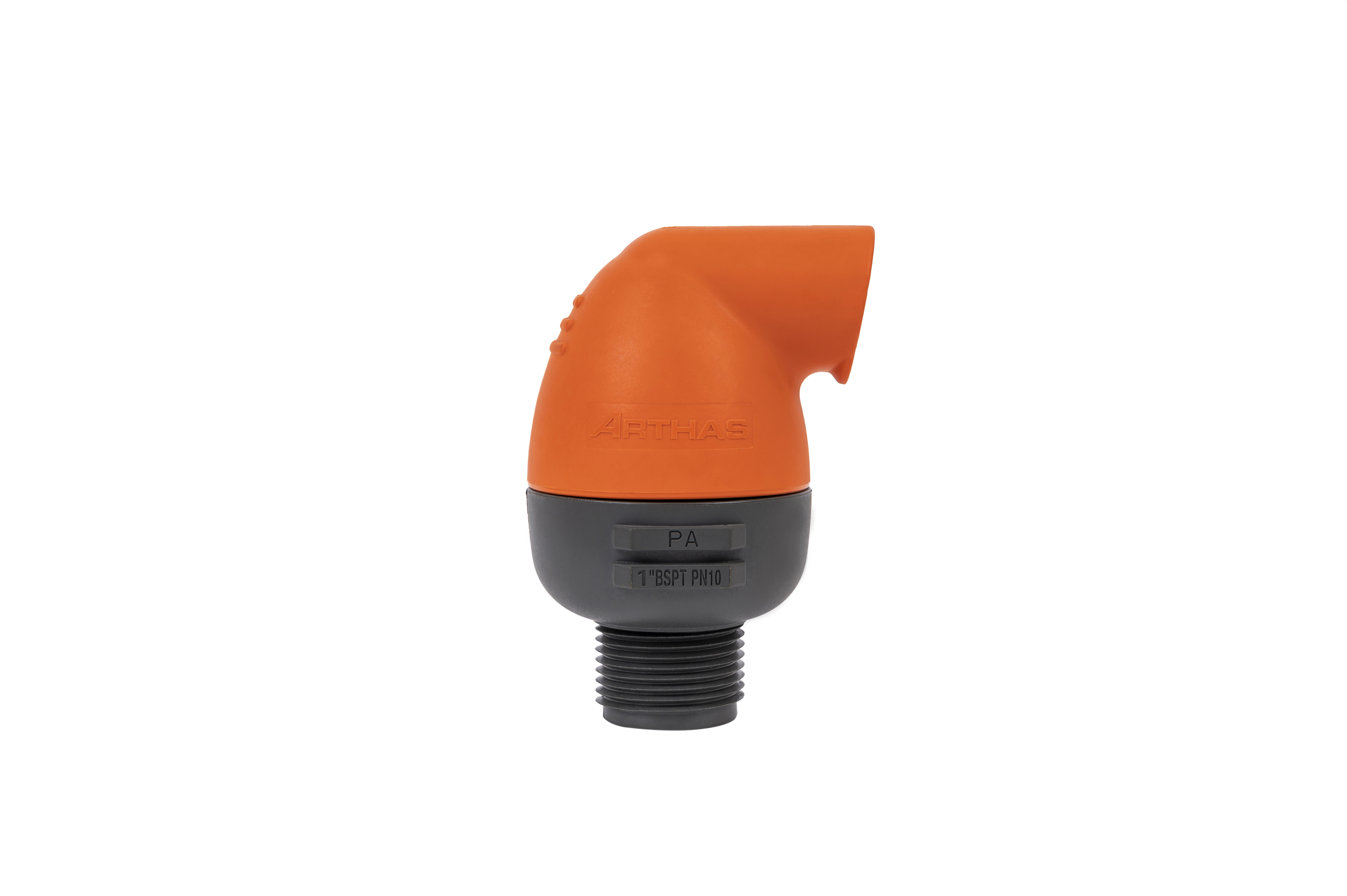
For example, a high-quality micro air valve used in commercial irrigation must meet strict operational parameters. When selecting a valve for fluid systems, engineers look for a 1-inch connection size to ensure adequate flow volume. The working pressure must safely operate between 0.1 and 10 bar. Furthermore, the valve body should be constructed from high-strength POM plastic to resist environmental degradation. It must feature an aerodynamic float design to allow high-speed air discharge without premature closure. Applying this level of rigorous selection to your vehicle's maintenance ensures you are not just replacing a part, but upgrading the system's reliability.
Replacing the damaged component is a manageable project. You will need an OEM replacement part, long-reach hose clamp pliers, new constant-tension clamps, and a spill-free funnel. Safety must always come first. Working on a hot engine is a recipe for severe burns. Ensure the system has cooled for several hours before beginning.
Carefully detach the ruptured rubber from the engine block and the fragile plastic control valve. Those original factory clamps will likely be rusted and stubborn. Patience is key to avoid snapping the plastic valve assembly. Once removed, route the new line carefully. Ensure it does not rub against moving parts or hot exhaust shields.
Bleeding the system is the most crucial step of the entire repair. During this process, remember that your engine block lacks an integrated irrigation exhaust valve to automatically purge bubbles. You must attach a spill-free funnel to the radiator and patiently wait for the thermostat to open. Revving the engine slightly will help force trapped air out. This prevents the creation of a new high-pressure void that could trigger another blowout.
Adopting a proactive maintenance schedule is the best way to avoid being stranded. The 90,000-mile rule is a standard benchmark. At this mileage, all rubber cooling conduits should be replaced as a complete set. Upgrading to high-temperature silicone alternatives offers superior heat and pressure resistance.
A DIY approach is highly cost-effective compared to dealership repairs. Purchasing the raw materials usually costs between 40 and 70 dollars. For a novice mechanic, the difficulty level is moderate. It primarily requires patience during the fluid bleeding phase. Routine fluid flushes also play a vital role. Fresh antifreeze maintains the correct boiling point and prevents internal corrosion.
No. If the heater valve hose explodes, your engine will rapidly lose its coolant. Driving without coolant will cause your engine to overheat within minutes. This potentially leads to catastrophic and irreversible engine damage, such as a warped cylinder head or a blown head gasket.
For a DIY mechanic with basic tools, replacing the hose usually takes between one to two hours. The majority of this time is spent waiting for the engine to cool down and properly bleeding the air out of the cooling system after the new hose is installed.
If a brand-new hose explodes, it is almost always due to extreme over-pressurization in the cooling system. This is usually caused by a faulty radiator cap that is not venting pressure, a stuck-closed thermostat, or a blown head gasket pumping combustion gases directly into the cooling system.
While bulk heater hose can work in an emergency, it is highly recommended to use a molded exact-fit hose. The specific heater valve hose has precise bends to navigate around the engine bay. A straight bulk hose can kink, restricting coolant flow, or rest against hot engine components, leading to premature failure.
Yes, it certainly can. If the heater control valve becomes clogged with debris or seizes in a closed position, it creates a localized pressure spike in the hose leading up to it. Combined with old, weakened rubber, this blockage easily causes the hose to rupture.
A failing heater control valve often presents as inconsistent cabin heating. You might experience cold air blowing when the heater is turned on full blast. Additionally, you may notice coolant pooling beneath the valve assembly or hear a clicking noise from the dashboard when adjusting the climate controls.
Bleeding a complex cooling system requires elevating the front of the vehicle slightly to make the radiator neck the highest point. Attach a spill-free funnel, fill it with coolant, and run the engine with the heater set to maximum. Squeeze the upper and lower radiator hoses repeatedly to dislodge trapped air pockets until no more bubbles appear in the funnel.
Experiencing a sudden blowout is stressful and potentially hazardous to your engine's long-term health. However, by understanding the underlying causes, you can take decisive steps to prevent it. Fluid dynamics and pressure management are universal rules. Whether you are maintaining a vehicle's thermal network or designing a robust agricultural fluid system, managing pressure is paramount.
To ensure your commercial or agricultural fluid networks never suffer from catastrophic over-pressurization, choosing the right components is critical. For industry-leading pressure management solutions, explore the high-performance valves available at Arka-Irrigation. Equip your systems with top-tier exhaust valves designed for maximum durability and efficiency, and safeguard your infrastructure today.


