
Views: 0 Author: Site Editor Publish Time: 2026-10-30 Origin: Site


Are unexpected pipe bursts ruining your crops? Perhaps a mysterious pressure loss is crippling your landscape sprinklers. Picture this scenario. You power up the main pump for the morning cycle. Instead of a smooth flow of water, a violent shudder rips along the mainline. It is incredibly easy to point the finger at aging infrastructure or a faulty impeller. However, the actual culprit is frequently invisible. Trapped air and vacuum pockets are the hidden enemies of a healthy, efficient water delivery system.
The most effective and permanent solution to this widespread hydraulic problem is the proper implementation of an irrigation air valve. Simply purchasing the equipment is only half the battle. Knowing exactly where to install these devices across your acreage guarantees maximum efficiency. Strategic placement prevents destructive water hammer and significantly extends the overall lifespan of the entire network.
Recent shifts in modern agricultural practices highlight a distinct trend toward precision water management. With prolonged seasonal droughts and surging energy costs, farm managers and commercial landscapers are scrutinizing pump efficiency more rigorously than ever before. In contemporary hydraulic engineering, proper air management is no longer viewed merely as a structural safety measure to prevent burst pipes.
Instead, industry experts increasingly recognize it as a primary driver for reducing energy consumption. By eliminating the invisible bottlenecks caused by trapped air, piping systems achieve optimal laminar flow. This allows variable frequency drive pumps to operate at lower, more energy-efficient speeds while delivering the exact same volume of water to the crops. Consequently, upgrading venting infrastructure has shifted from a maintenance afterthought to a core strategy for lowering operational overhead.
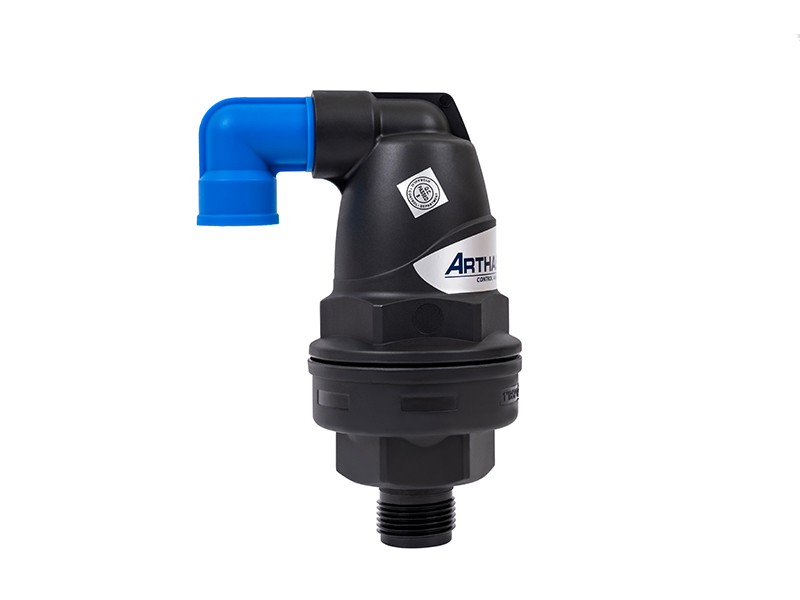
In standard agricultural engineering, this specialized hydromechanical device automatically manages the presence of atmospheric gases within a pressurized water network. Its primary function is twofold. First, it expels trapped air pockets from the piping system during active operation. Second, it allows ambient air to enter the pipes when a vacuum or negative pressure begins to form.
Without these devices, air accumulates naturally through water turbulence, pump suction, and the gradual release of dissolved gases as water temperature and pressure fluctuate. To effectively manage this dynamic environment, the industry relies on a specific trio of mechanisms. Each is engineered for a distinct operational phase.
When integrated correctly, these three variations function collectively as the ultimate pipeline protection valve system. They serve as a comprehensive safety net. This ensures the structural integrity of PVC, HDPE, and delicate drip lines is maintained regardless of sudden power failures or severe elevation changes.
The inclusion of air management devices is not merely an optional upgrade. It is a critical component of resilient hydraulic design. Trapped gas and vacuum conditions introduce severe physical stresses to your infrastructure.
Water hammer, known technically as hydraulic shock, occurs when moving water is forced to stop or change direction suddenly. When air pockets are trapped in a pipe, they act like highly compressible springs. As water surges against this pocket, the air compresses drastically, then violently expands. This sends high-pressure shockwaves through the water column. These surges can easily exceed the pressure ratings of standard pipes, leading to shattered manifolds and blown fittings. Proper venting mechanisms bleed off this compressible gas, stabilizing internal fluid dynamics.
Negative pressure is just as destructive as over-pressurization. When irrigation pumps are turned off, or when water drains out of lines situated on a downward slope, the departing water leaves a void. If atmospheric air cannot enter the pipe to replace the water, a severe vacuum forms. Implementing an air vacuum valve is essential here. Without it, this negative pressure can literally crush thin-walled PVC, flatten drip tapes, or suck contaminated mud directly into the emitters, clogging the entire field.
From a practical standpoint, air pockets create invisible, physical bottlenecks within the pipe. When a bubble accumulates at a high point, it reduces the cross-sectional area available for water to pass through. Consequently, irrigation pumps are forced to work significantly harder to push water past these blockages. This leads to increased electrical consumption and premature mechanical wear.
For operations relying on precise water measurement for chemical dosing, often referred to as fertigation, trapped air is highly problematic. As pressurized gas passes through standard mechanical water meters, it causes the internal impellers to spin rapidly. This results in artificially inflated flow readings, improper fertilizer application rates, and potentially higher utility bills.
Procuring high-quality components is only the first step. Strategic placement based on topography and hydraulic design dictates their actual effectiveness. As a field engineer walking your trench lines, you must pay close attention to the following critical zones.
The fundamental physics of fluid dynamics dictate that air will naturally migrate to the highest elevations within a closed system. As water flows through undulating terrain, small bubbles separate and become trapped at the peaks. The current is simply unable to push them downward. It is an industry standard to install a continuous air release valve at every significant topographical high point along the mainline to bleed off this accumulation.
Pump stations are the beating heart of the network. They require immediate protection from hydraulic transients. A high-capacity venting unit must be installed immediately following the pump discharge, ideally before the primary check valve. This placement prevents pump cavitation. Cavitation is a destructive process where microscopic vacuum bubbles implode against the impeller. Proper placement also protects the casing from the shock of water column separation upon shutdown.
The terminal ends of piping networks are highly susceptible to pressure spikes. As pumps push water through a long, empty pipe during startup, the advancing water column acts like a piston. It shoves all the atmospheric air ahead of it. Positioning an exhaust unit at the distal ends of mainlines allows for rapid air evacuation. This prevents the violent shudder that occurs when water finally slams into the end cap.
It is a common misconception that perfectly flat agricultural land does not trap air. Frictional drag and minor, barely visible undulations in the trenching naturally separate dissolved gases. On flat ground, this forms long, shallow pockets along the top inner wall of the pipe. Engineering guidelines suggest installing a vent every 1,500 to 2,000 feet on extensive, straight horizontal runs.
Changes in the gradient of the trenching can trap air just as effectively as a physical hill. When a pipeline transitions from a steep upward incline to a flat horizontal run, the sudden change in water velocity often causes bubbles to separate. They stall exactly at the point of intersection. Valves should be placed precisely at these distinct gradient transitions.
Selecting the appropriate mechanism is entirely dependent on the specific hydraulic conditions of the installation site. A mismatch here can render the device useless. Use the following engineering reference table to match the valve type to your field conditions.
| Valve Type | Primary Function | Best Installation Location | Operational Phase |
|---|---|---|---|
| Kinetic | High-volume air discharge and vacuum relief. | Pump stations, deep wells, and terminal ends of mainlines. | System Startup & Draining |
| Continuous | Bleeds small, pressurized air bubbles without losing water. | Topographical high points and gradient transitions. | Active Pressurized Irrigation |
| Combination | Integrates both kinetic and continuous functions. | Primary manifolds, major elevation peaks, and critical infrastructure. | All Phases |
Furthermore, when dealing with rapid filling phases, you should place a kinetic air valve adjacent to deep well or centrifugal pumps. This ensures massive amounts of air are expelled quickly. For active irrigation, continuous models are your best defense. Their small orifices allow gas to escape with a distinct hiss, without causing a drop in system water pressure.
Proper physical installation is critical. Even the most expensive polymer valve will fail if installed haphazardly. Follow these practical steps for secure integration.
Step 1: Selecting the Right Size
Do not guess the required size. The orifice must be calculated based on the mainline pipe diameter and the maximum volumetric flow rate. Using an undersized unit creates a false sense of security. It will not exhaust air faster than the water fills the pipe.
Step 2: Preparing the Pipe
When tapping into the existing mainline, you will typically use a threaded saddle or a molded T-fitting. It is an absolute requirement that the tap is positioned at the exact top, meaning the 12 o'clock position, of the pipe. Tapping at a sloppy angle will render the mechanism completely ineffective.
Step 3: Installing an Isolation Valve
Standard agricultural engineering highly recommends installing a small, manual PVC ball valve directly beneath the air release device. This serves as an isolation mechanism. It allows maintenance personnel to shut off water to the specific unit for cleaning without having to depressurize the entire farm network.
Step 4: Securing the Valve
Apply high-quality PTFE thread seal tape to the male threads. Thread the unit into the isolation fitting carefully to avoid cross-threading. Do not over-tighten with heavy wrenches, especially with polymer bodies, as this can easily crack the housing. Ensure the unit sits perfectly vertical. Internal floats rely on gravity and will jam if installed at a tilt.
Step 5: Protecting from Debris and Freezing
Agricultural environments are harsh. Add a mesh bug screen to the exhaust port to prevent mud daubers or spiders from nesting inside the orifice. If the system is installed above ground in regions prone to frost, ensure the body is wrapped in thermal insulation. Trapped water inside the casing will expand and shatter the plastic upon freezing.
Avoid these frequent errors that completely negate the benefits of your hydraulic investment.
Installing on the Side of the Pipe: Installing at the 3 o'clock or 9 o'clock position on the circumference is a classic amateur mistake. Because air is buoyant, it stays strictly at the top of the water column. A side-mounted unit will only leak water and will never capture passing air pockets.
Burying Valves Without Proper Enclosures: These devices must breathe. If they are installed underground, failing to use a properly sized, rigid valve box with adequate gravel drainage at the base is a critical mistake. If the box floods with groundwater, a vacuum condition will cause the unit to suck that contaminated mud directly back into the clean irrigation lines.
Skipping the Isolation Valve: Omitting the manual ball valve beneath the unit saves a few dollars initially but creates massive operational headaches later. Without it, clearing a simple piece of grit stuck in the seal requires draining the entire irrigation zone. This wastes immense amounts of water and labor.
To ensure ongoing operational integrity, these mechanisms require a scheduled, albeit simple, maintenance protocol.
Regular Flushing: Periodically close the isolation valve, unscrew the top cover, and safely flush the internal components. This removes accumulated agricultural silt, algae, and hard water mineral scale that can cause the internal float to stick to the sidewalls.
Checking for Leaks: Observe the units during active irrigation. A small amount of water spitting upon initial pump startup is completely normal. However, if a unit is constantly leaking or spraying water during steady operation, it typically indicates a worn elastomer seal. It could also mean a tiny piece of debris is preventing the float from seating completely against the orifice.
Winterization: In cold climates, winterizing is mandatory. Before the first hard freeze, close the isolation valves and manually drain the water from the bodies. Expanding ice will easily shatter the internal polymer floats, requiring complete replacement in the spring.
Integrating proper air management devices into your water network is a relatively small investment that yields massive returns in system longevity, pump efficiency, and peace of mind. By adhering to the golden rules of placement, you create a robust defense against hydraulic shock and vacuum collapse. Prioritize topographical high points, pump stations, long horizontal runs, and terminal line ends. Take the time to evaluate your current field layout and identify missing installation zones.
Ready to safeguard your agricultural infrastructure and eliminate mysterious pressure drops? Proper equipment selection is the key to lasting performance. Explore the full range of high-performance solutions at Arka Irrigation to find the exact engineering match for your specific topographical layout today.
Yes, but it must be installed inside a protective, rigid valve box that is properly vented and features a deep gravel drainage base. If the valve box floods with groundwater or heavy rain, a vacuum event could easily cause the device to suck dirty water back into your clean irrigation lines.
The exact number depends heavily on the topography, flow rate, and overall size of your system. At a bare minimum, you need one at the pump station, one at the highest elevation point of the property, and one at the end of the mainline. Long, flat runs require additional units every 1,500 to 2,000 feet.
Without proper air management, your system is highly susceptible to severe water hammer, which can instantly blow out PVC fittings and shatter manifolds. You will also experience mysteriously reduced water flow, higher energy bills due to pump strain, and potential pipe collapse from vacuum pressure when the sloped system drains.
A kinetic unit features a large orifice designed to discharge massive amounts of air rapidly when the pipes are initially filling with water, and it lets ambient air in when draining. In contrast, a continuous unit features a tiny orifice designed to slowly bleed out small, highly pressurized air bubbles while the irrigation system is actively running.
While a brief spit of water upon initial system startup is a normal part of the exhaust process, continuous leaking usually means dirt, algae, or mineral scale is trapped in the internal seal. This debris prevents the internal float from closing completely against the top orifice. Simply closing the isolation valve, opening the unit, and rinsing the internal components usually resolves this issue immediately.
Sizing is determined by your system's maximum flow rate and the diameter of the mainline pipe. As a general engineering rule of thumb, the valve size should be approximately 1 inch for every 2 to 4 inches of mainline pipe diameter. However, consulting the manufacturer's specific flow charts based on your pump's output is always recommended for precision.
Absolutely. Trapped air pockets act as physical restrictions within the pipe, reducing the usable diameter for water flow. This creates artificial friction and head loss. Your irrigation pumps must work significantly harder and consume much more electricity to push the required volume of water past these invisible bottlenecks.


