
Views: 0 Author: Site Editor Publish Time: 2026-11-02 Origin: Site


Has your system pressure plummeted without warning? Or maybe you spotted a cloudy, sediment-heavy tint in the tap water. Neglected filtration units usually trigger these everyday headaches. A widespread misconception across both residential and commercial sectors is that physical filtration barriers are a "set-it-and-forget-it" solution. In reality, every unit possesses a maximum rated capacity and demands routine, strategic upkeep.
Serving as the critical frontline defense against abrasive debris, sand, and organic matter, these components are vital for system health. In this comprehensive guide, we will explore exactly how often to clean your equipment, uncover their true operational lifespan, and share actionable strategies to maximize longevity. Ultimately, this proactive approach protects your expensive downstream infrastructure from catastrophic failure.
From an engineering standpoint, filtration barriers serve as the indispensable frontline defense for your entire plumbing or irrigation network. Their primary function is to physically intercept suspended solids. These contaminants range from coarse sand and pipe rust to microscopic algae and organic debris. Intercepting them early ensures they cannot infiltrate the main supply or wreak havoc on delicate downstream machinery.
The financial and operational cost of neglecting this accumulation is substantial. When a system is ignored, it experiences a phenomenon known as pressure differential, commonly referred to as Delta P. Specifically, as the mesh clogs, the water pressure upstream spikes aggressively. Meanwhile, the downstream pressure plummets. This dangerous imbalance forces well pumps and booster pumps to work significantly harder just to maintain baseline flow rates. Consequently, this directly leads to increased energy consumption and premature mechanical failure.
Furthermore, if the pressure differential exceeds the structural tolerance of the metal or plastic, it can cause the cylinder to tear or collapse entirely. A blowout allows a concentrated flood of debris to bypass the system, instantly clogging sensitive drip emitters or industrial nozzles. Maintaining a pristine surface ensures optimal system efficiency. By keeping the pathways clear of obstructions, you maintain a stable, predictable flow rate and protect expensive secondary purification stages like reverse osmosis membranes.
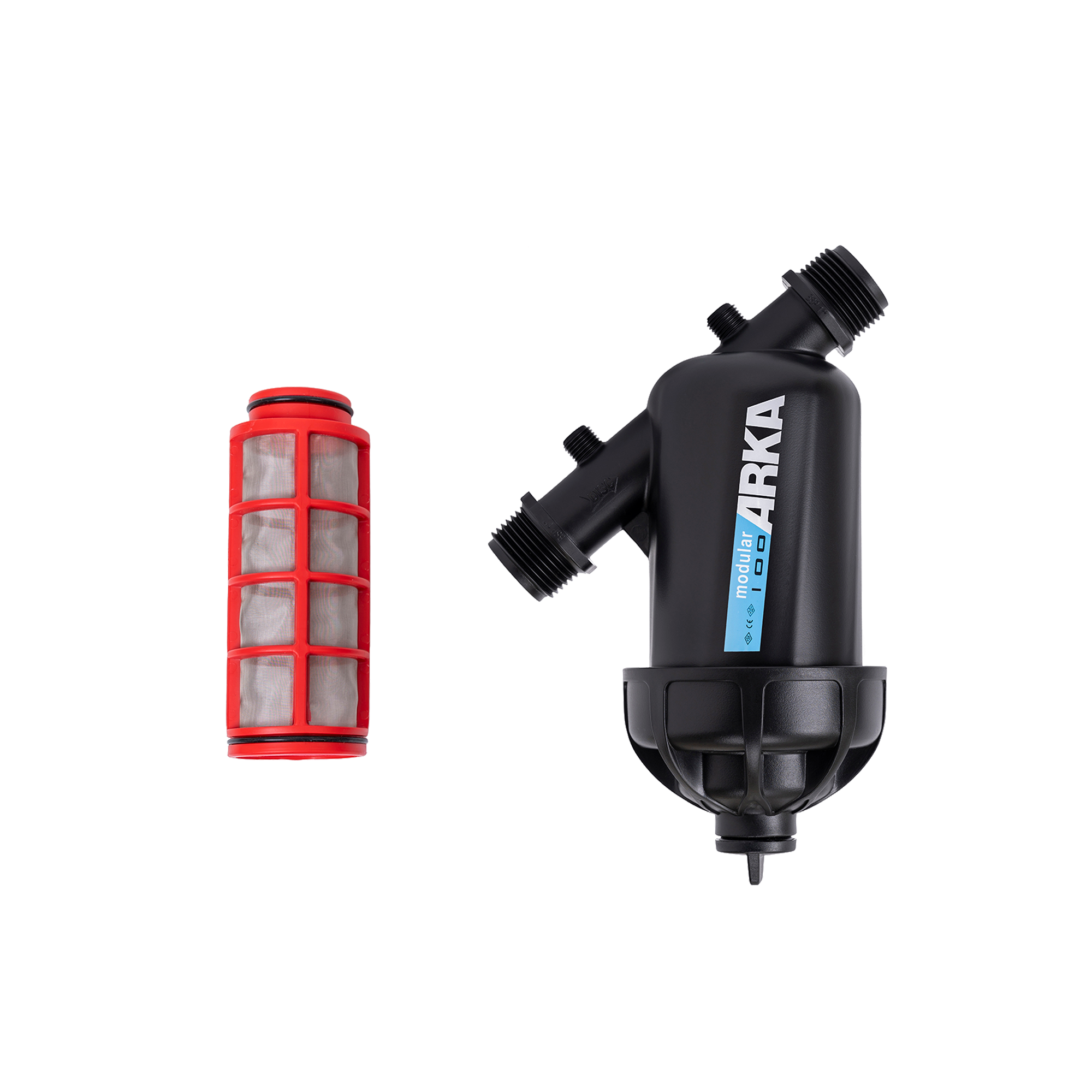
Determining the exact timeline for cleaning a mesh screen filter requires a nuanced understanding of your specific environmental variables, water source, and daily usage rates. There is no universal schedule. Maintenance must be carefully calibrated to the unique particulate load of the fluid being processed.
Recent industry analyses highlight a massive shift in how facility managers handle water treatment. We are moving away from rigid, calendar-based maintenance toward condition-based monitoring. As global water scarcity drives the need for stricter conservation, maintaining unobstructed filtration has become a focal point for sustainability. Modern operations increasingly rely on smart differential pressure gauges to trigger interventions exactly when needed, rather than relying on guesswork.
The origin of your water is the single most significant factor in dictating your maintenance calendar. Municipal water has already undergone extensive treatment at a city facility. Therefore, the vast majority of large suspended solids have been removed. In these controlled residential settings, a unit acting as a whole-house pre-filter may only need to be inspected and washed once every three to six months.
In contrast, well water systems draw directly from underground aquifers. These sources are highly susceptible to shifting sediment levels, sticky iron bacteria, and hard mineral deposits. Well water users typically need to intervene much more frequently. It is not uncommon for these setups to require monthly attention. In regions with high sand production, maintenance might even be a weekly necessity.
The sheer volume of fluid processed directly correlates with how quickly fouling occurs. A standard residential home processing 300 gallons per day will accumulate debris at a mere fraction of the rate seen in a commercial facility. In high-volume agricultural irrigation networks, thousands of gallons rush through the plumbing every single hour. These robust setups often draw from surface sources like ponds or canals, which carry heavy organic loads. Manual interventions may be required daily during peak operational seasons to prevent delicate irrigation emitters from catastrophic clogging.
Relying solely on a calendar leaves your infrastructure vulnerable to sudden changes in water quality. You must recognize the real-world symptoms indicating your screen filter has reached its maximum capacity.
The most definitive and measurable sign of a clogged system is a severe drop in downstream pressure. In professional setups, this is continuously monitored using analog or digital pressure gauges installed both upstream and downstream. When the unit is pristine, the difference between these two gauges is typically minimal. However, as dirt builds up and forms a restrictive filter cake, the downstream pressure drops. Industry standards dictate that once the differential reaches 5 to 10 psi, cleaning must be initiated immediately.
Many modern setups feature clear housings specifically engineered to allow for rapid visual inspections. If you can physically observe thick green algae or coarse sand coating the internal cylinder, it is definitively time to initiate a wash cycle. If professional gauges or clear housings are unavailable, downstream performance issues will serve as your ultimate red flag. You might experience sputtering faucets, a frustrating reduction in showerhead flow, or uneven watering in your greenhouse drip lines.
Proper technique is absolutely vital. Aggressive or incorrect methods can warp the delicate weave, permanently compromise the micron rating, and force premature replacement. Below is a standard operating procedure for manually restoring a wire mesh filter to peak condition.
Safety and structural integrity must always come first. I cannot stress this enough—if you unscrew a pressurized housing, water and trapped sediment will aggressively spray everywhere. Always start by isolating the system. Shut off the main supply valve located upstream. Next, relieve the trapped internal pressure by opening a downstream valve.
Once depressurized, carefully unscrew the sump. Be prepared for it to be heavy. Gently extract the cylinder. Take a moment to inspect the housing O-rings for any signs of flattening or dry rot, as these rubber seals are critical for preventing leaks. Visually inspect the weave for any obvious tears or blowouts before proceeding.
The ultimate goal is to remove fouling without damaging the microscopic gaps. For loose sediment and organic matter, a simple rinse under a steady stream of clean water is often sufficient. Always direct the water from the inside out. This pushes the trapped particles back out the exact way they entered.
If the surface is caked in hard mineral scale, mechanical scrubbing is a recipe for disaster. Using a stiff wire brush will easily distort the delicate strands. Instead, submerge the component in a mild descaling solution, such as a mixture of equal parts white vinegar and warm water. Allow it to soak for 15 to 30 minutes to chemically dissolve the stubborn minerals. Afterward, use a very soft-bristle brush to gently sweep away the loosened scale.
Before reassembling the unit, wipe down the housing threads to ensure they are completely free of grit. Apply a light coating of food-grade silicone grease to the O-ring to keep the rubber supple. Seat the cylinder properly into the housing, ensuring it aligns perfectly with the internal guides. Hand-tighten the sump back onto the cap.
Gradually open the upstream supply valve to slowly re-pressurize the lines. Rushing this step creates a violent water hammer effect that can physically shock the newly cleaned component. Check the exterior carefully for any micro-leaks.
A pervasive myth in the water treatment industry is that a physical barrier is a permanent fixture. In reality, these are consumable components subjected to relentless mechanical stress, chemical degradation, and abrasive wear. Understanding their realistic longevity is key to planning preventative maintenance.
The operational lifespan is heavily dictated by manufacturing materials and actual field specifications. For instance, a standard 3/4-Inch Y-Type unit designed for garden water filtration often utilizes a highly durable 120 mesh, equivalent to 130 microns, stainless steel core. This specific configuration perfectly balances high flow rates with excellent particulate retention.
| Filter Type / Material | Typical Lifespan | Ideal Application Scenario | Maintenance Requirement |
|---|---|---|---|
| Synthetic / Plastic Mesh | 1 to 2 Years | Light residential use, low-pressure garden irrigation. | High manual cleaning frequency. Prone to UV degradation. |
| Stainless Steel (120 Mesh / 130 Micron) | 3 to 5+ Years | Commercial agriculture, well water systems, Y-Type inline setups. | Moderate manual cleaning. Highly resistant to chemical descaling. |
| Automatic Self-Cleaning Systems | 10+ Years (Core Components) | Large-scale industrial cooling, heavy municipal treatment, massive drip networks. | Zero manual scrubbing. Fully automated flush cycles based on Delta P. |
Even the highest-quality, marine-grade equipment can fail prematurely if subjected to harsh operating conditions. Water chemistry plays a massive, often invisible role in longevity. Hard water containing high levels of calcium will continuously precipitate scale directly onto the metal wires. While chemical descaling removes this buildup, the endless cycle of scaling and acid-soaking eventually weakens the metal.
Operating pressure is another critical variable. Every system is engineered with strict maximum pressure and flow rate thresholds. Forcing fluid through at a higher velocity than rated creates excessive turbulence and mechanical shear stress. If a unit becomes partially clogged and the system pressure remains high, the localized force on the remaining open pores intensifies dramatically. This causes literal holes torn right through the center of the weave.
For facility managers and proactive homeowners looking to protect their infrastructure, implementing professional-grade strategies can significantly extend equipment life.
First, use multi-stage filtration. One of the most highly effective ways to extend the life of a fine 130-micron barrier is to prevent large debris from ever reaching it. Installing a centrifugal sand separator upstream will successfully capture heavy solids and pebbles. This dramatically reduces the abrasive wear on the finer, more expensive component.
Second, monitor pressure gauges regularly. Guesswork is the enemy of longevity. Installing high-quality, liquid-filled pressure gauges immediately before and after the housing allows for precise monitoring. By tracking the pressure differential, operators know exactly when to intervene.
For operations where manual upkeep has become too labor-intensive or operationally disruptive, upgrading to an automatic self cleaning filter represents the absolute pinnacle of fluid management efficiency. This advanced technology shifts the heavy burden of maintenance away from human operators and onto reliable mechanics.
These sophisticated systems operate using integrated differential pressure switches. As fluid flows through the network and debris naturally accumulates, the downstream pressure begins to drop. Once the differential reaches a pre-set threshold, the controller automatically triggers a flush cycle. A motorized suction scanner or a specialized brushing mechanism spirals along the internal surface, aggressively vacuuming the trapped filter cake and expelling it safely through an exhaust valve. This entire process takes only seconds and occurs without interrupting the main downstream fluid flow.
The return on investment for automation is driven by eliminating massive labor costs and frustrating downtime. It guarantees that the system is always operating in an optimal, low-resistance state. For large-scale agricultural irrigation or industrial cooling loops, the unparalleled operational reliability quickly justifies the initial capital expenditure.
No, using harsh chemicals like concentrated bleach can rapidly degrade plastic housings and cause pitting or corrosion on stainless steel meshes. It is highly recommended to stick to mild dish soap for organics, or a gentle vinegar-water solution to dissolve hard mineral scale without damaging the equipment.
You should closely inspect the surface for visible tears, fraying metal wires, or a warped, crushed cylindrical shape. If you notice that sediment is bypassing the housing and entering your downstream water lines even when the unit is installed, the structural integrity is likely compromised and it must be replaced immediately.
It does not necessarily ruin them, but well water typically contains significantly more abrasive particulates like jagged silica sand and hard minerals compared to treated city water. This hostile environment requires much more frequent cleaning and naturally accelerates mechanical wear and tear over time.
The ideal size depends entirely on your specific application. A 130-micron, equivalent to 120 mesh, rating is the industry standard for general agricultural irrigation and drip lines. Much finer ratings are used for drinking water pre-filtration. Using a rating that is too fine for your specific particulate load will result in constant, frustrating clogging.
For agricultural setups, you must match the mesh size to the emitter requirements of your irrigation system. Drip tapes and micro-sprinklers usually require a 120 mesh to 150 mesh filtration level to prevent the tiny flow paths from clogging. Always check the irrigation manufacturer's specifications before selecting your primary filtration barrier.
When a filtration unit is brand new or freshly cleaned, the pressure drop across the housing is typically very minimal, usually ranging between 1 to 3 psi depending on the flow rate. If your baseline pressure drop is significantly higher than this right after cleaning, your unit may be undersized for your actual flow volume.
Maintaining a clean, highly efficient filtration system is the absolute most cost-effective way to protect your pumps, valves, and downstream irrigation networks. Whether you need a simple 3/4-inch Y-Type unit for your garden or a fully automated self-cleaning powerhouse for commercial agriculture, selecting the right engineered solution is critical. Ready to upgrade your infrastructure with reliable, field-tested equipment? Visit ARKA Irrigation at https://www.arka-irrigation.com to explore our complete line of professional water filtration solutions tailored to your exact specifications.


