
Views: 0 Author: Site Editor Publish Time: 2026-11-05 Origin: Site


Dealing with algae-choked irrigation lines is a nightmare for any facility manager. A clogged screen filter destroys line pressure. It brings daily operations to a grinding halt. While physical debris like sand is relatively straightforward to manage, organic matter creates a sticky, stubborn slime. If left unchecked, this bioslime damages expensive downstream equipment. Fortunately, proper maintenance saves both your valuable time and operational budget. In this comprehensive guide, you will learn essential, field-tested cleaning protocols designed to maximize efficiency and extend the functional life of your filtration hardware.
Recent environmental water management data reveals a significant industry shift. As average seasonal temperatures rise globally, agricultural and industrial sectors are battling prolonged, highly intense algae bloom seasons in surface water reservoirs. Consequently, this environmental change has elevated the management of biological fouling from a routine chore to a critical priority. Facility managers can no longer rely on outdated maintenance schedules. Heavy organic loading demands aggressive, proactive protocols and smarter hardware choices to prevent costly system downtime. Maintaining water quality now requires a deep understanding of how specific biological contaminants interact with your filtration infrastructure.
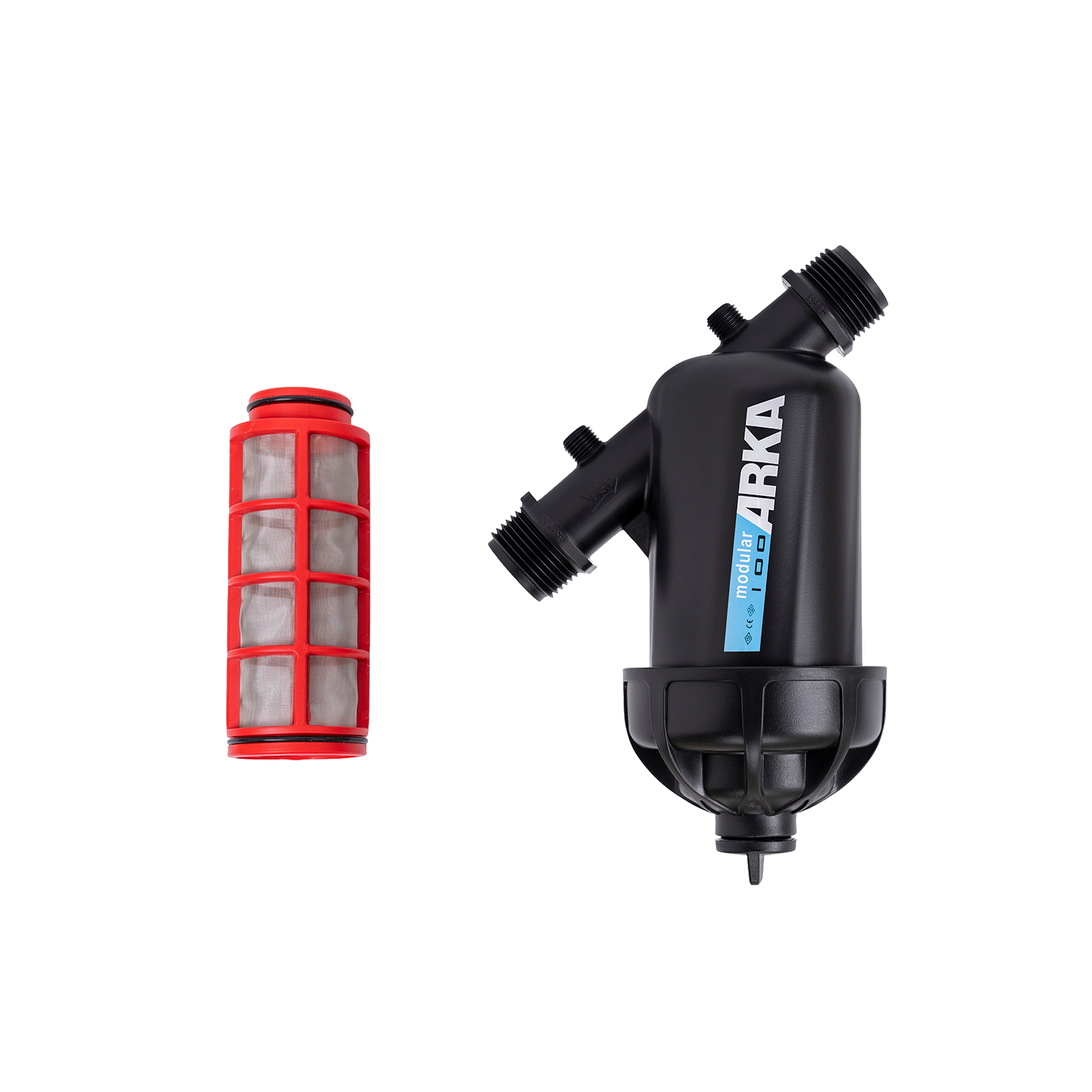
Understanding the exact nature of your source water is the first step in effective maintenance. Organic matter introduces highly complex biological challenges that standard sand separators simply cannot handle.
A high organic load refers to water sources heavily populated with living or decaying biological matter. This typically includes severe algae blooms, decomposing plant material, suspended bioslime, and various microbial colonies. Surface water sources, such as retention ponds, lakes, and open agricultural reservoirs, are particularly susceptible to this type of loading. The problem compounds exponentially during warm weather when biological reproduction peaks.
Inorganic particles like sand, silt, and mineral scale are rigid. When they strike a filter screen, they typically bounce off or get trapped harmlessly without altering their physical state. In contrast, organic matter behaves entirely differently. Algae and bioslime are highly malleable and sticky. When forced against a screen under intense pump pressure, this biomass smears. It creates a dense biofilm known as extracellular polymeric substance. This sticky matrix binds tightly to the metal or plastic weave, acting as a waterproof seal that rapidly restricts water flow and proves highly resistant to simple backwashing.
In addition to physical blockage, ignoring organic buildup leads to a cascading series of mechanical failures. As the biofilm completely seals the screen, the pressure differential across the filter spikes dramatically. This forces the water pump to work exponentially harder. The result is increased energy consumption, potential pump cavitation, and premature motor burnout. Furthermore, if the screen ruptures under this extreme pressure, unfiltered organic sludge will bypass the system. This permanently ruins downstream equipment such as delicate drip irrigation emitters or sensitive industrial spray nozzles.
Establishing a strict standard operating procedure is the most effective way to manage heavy biological burdens. Preventative maintenance requires consistent, proactive monitoring rather than waiting for a complete system failure to trigger a reactive cleaning session.
The internal health of your filter is directly reflected in its pressure readings. A professional setup should always include pressure gauges on both the inlet and outlet sides of the housing. To monitor the system effectively, first record the baseline pressure differential when the filter is brand new or completely clean. Check these gauges daily. A sudden pressure drop on the outlet side, typically a differential of five to seven pounds per square inch above your recorded baseline, indicates that organic matter has formed a restrictive seal over the screen. Cleaning protocols must be initiated immediately when this threshold is breached.
For systems equipped with a manual flush valve, executing a weekly flush is a mandatory operational practice. Open the flush valve while the system remains pressurized. This allows high-velocity water to violently scour the inside of the screen. Specifically, this simple process helps clear loose organic debris, leaves, and floating algae clumps before they have the opportunity to solidify into a stubborn biofilm. Ensure the flush lasts for at least thirty to sixty seconds, or until the discharge water runs completely clear into your drainage area.
Relying solely on mechanical pressure gauges is often insufficient when dealing with heavy organic loads. Conduct a weekly visual inspection of the filter housing and its internal components. Look closely for discoloration, usually manifesting as green, brown, or black stains. Feel for a slippery, gelatinous residue on the interior walls and rubber O-rings. The presence of this slick residue is a clear warning that a chemical soak will soon be necessary, even if your pressure levels currently appear normal.
When routine high-velocity flushing is no longer effective at restoring optimal pressure, a manual deep clean becomes necessary. Executing the proper technique is critical to avoid accidentally damaging the sensitive filtration element during maintenance.
Operator safety is always the primary concern. Begin by turning off the main water pump and firmly closing the isolation valves on both the inlet and outlet sides of the system. Slowly open the flush valve or top bleed screw to release all trapped internal hydraulic pressure. Never attempt to unscrew a filter housing while the system is actively pressurized. This hazardous mistake can cause severe physical injury and shatter the equipment.
Mechanical scrubbing often fails entirely against organic sludge. It frequently pushes the slime deeper into the microscopic pores. Instead, rely on the soaking method. Fill a clean bucket with a solution of warm water and a mild acid, such as a one-to-one ratio of water to white vinegar, or a five percent citric acid solution. Submerge the component completely and let it soak for thirty to sixty minutes. Consequently, the mild acid organically breaks down the cellular walls of the algae and dissolves the sticky biofilm without degrading the stainless steel or nylon mesh filter.
After the chemical soak is complete, rinse the filter thoroughly using a low-pressure garden hose. Direct the water from the outside in, followed by the inside out. Inspect the mesh closely under a bright flashlight for any micro-tears or permanent wire warping. Before final reassembly, wipe down the housing threads and inspect the O-ring for flattening or dry rot. Apply a thin, even layer of silicone lubricant to ensure a watertight seal. Hand-tighten the housing carefully to avoid cross-threading the plastics.
Different structural designs require highly specific maintenance approaches. The Y-pattern design is exceptionally prevalent in modern agricultural and industrial applications due to its superior fluid dynamics and debris management capabilities.
A Y-pattern filter is intelligently designed with a branch that extends at a downward angle from the main fluid path. This specific geometry allows clean water to flow seamlessly through the primary axis while actively directing suspended solids and heavy organic debris down into the angled collection chamber. Because the biomass accumulates away from the primary flow path, a Y-type screen filter can hold a significantly larger volume of organic matter before experiencing a critical pressure drop. This makes it highly efficient for challenging, untreated water sources.
The overall effectiveness of a Y-strainer is heavily dependent on its initial installation orientation. For optimal maintenance and debris collection, install the filter horizontally with the Y-branch pointing directly downwards. This strategic positioning utilizes natural gravity to pull organic matter deep into the collection chamber. If structural constraints require it to be installed vertically, the water flow must be directed downwards so that debris naturally settles into the trap. This prevents sludge from falling back into the main pipeline when the pump cycles off.
For residential landscaping and commercial horticulture, balancing water flow efficiency with the necessary filtration quality presents a common engineering challenge.
Selecting the correct mesh size is arguably the most critical decision in garden water filtration. A mesh that is too fine will obstruct instantly in high-organic environments, demanding frustrating daily cleaning. Conversely, a mesh that is too coarse will allow microscopic algae and debris to pass straight through. This eventually clogs downstream sprinkler heads and sensitive drip emitters. Industry standard practice dictates utilizing a 120-mesh or 130-micron screen for general landscape irrigation. This specification consistently provides the best operational compromise between maintaining high flow rates and ensuring emitter protection.
If your source water suffers from an exceptionally high biological burden, a single filtration unit will simply not suffice. Implementing a robust pre-filtration strategy maximizes overall system efficiency. Install a coarse strainer, such as a forty to eighty mesh unit, upstream of your primary filter. Additionally, utilizing large settling tanks allows heavy organic debris to sink to the bottom while algae floats to the top. This enables your pump to draw significantly cleaner water from the middle of the water column.
To make the best engineering choice for your facility, compare the two dominant technologies used for heavy biological loading.
| Feature | Screen Filter | Disc Filter |
|---|---|---|
| Filtration Type | Surface filtration on a two-dimensional plane. | Depth filtration through stacked, grooved plastic discs. |
| Maintenance Speed | Extremely fast. Easy to remove and brush or soak. | Time-consuming. Requires loosening the stack to clean thoroughly. |
| Organic Load Handling | Prone to rapid smearing under high pressure. | Traps organics deeper, holding more volume before clogging. |
| Ideal Application | General irrigation, well water, and moderate algae levels. | Severe algae blooms and heavy surface water extraction. |
Achieving maximum longevity from capital equipment requires moving beyond reactive cleaning. Implementing proactive, preventative maintenance protocols is essential. By addressing the root causes of organic accumulation, operators can significantly extend the operational life of their investments.
The performance of any filtration unit is directly dictated by the condition of the upstream water source. A common operational error is focusing solely on the filter housing while completely ignoring the primary reservoir. When source tanks or holding ponds are exposed to direct sunlight and stagnant conditions, they become massive breeding grounds for algae and bioslime. Draining and thoroughly scrubbing the source tank annually will drastically reduce the organic biomass your filter is forced to process daily. Ensure the tank is opaque to block ultraviolet light.
Imagine standing in a flooded pump house at two in the morning because a degraded O-ring finally gave way. This nightmare scenario is entirely preventable. Micro-leaks and gradual pressure losses are frequently misdiagnosed as structural failures when they are actually caused by flattened or hardened seals. Continuous exposure to water pressure, friction, and acidic organic decay causes rubber to fail over time. Make it a mandatory standard practice to replace all O-rings annually. This inexpensive preventative step maintains the hydraulic integrity of your screen filter system and prevents disastrous equipment room floods.
Even with the strictest maintenance schedules, high organic loads can present unpredictable challenges. Effective troubleshooting requires a systematic, objective approach to identify whether a pressure drop is caused by biological fouling, mechanical failure, or improper system design.
If a filter requires cleaning again within hours of a manual flush, the primary diagnosis points to an acute, severe algae bloom in the source water. Alternatively, there is a mismatch between the mesh micron size and the organic load. Organic matter extrudes through pores rather than bouncing off. To resolve this, verify the water source for sudden biological changes. If the source is stable, the micron size of the mesh is likely too small. Consider stepping down to a slightly coarser mesh or immediately adding an upstream pre-filtration stage.
When organic bioslime mixes heavily with hard water minerals like calcium or magnesium, it creates a calcified organic matrix. Normal brushing simply cannot remove this hardened layer. Brushing too aggressively at this stage will only tear the delicate weave. The solution requires a targeted, aggressive chemical soak. Submerge the cartridge in a stronger descaling solution for a few hours. The acid dissolves the mineral bonds, causing the trapped organic matter to finally release its grip.
Filtration hardware has a finite operational lifespan. There comes a definitive point where the cost of manual labor to maintain an undersized, aging, or constantly fouling filter far exceeds the cost of a capital upgrade. Recognizing this threshold is key to efficient water management.
When upgrading, precise specifications matter more than generic sizing. For heavy biological loads, industrial-grade polymer housings equipped with ultraviolet resistance are mandatory. Look for robust stainless steel elements, specifically 120-mesh screens, which offer the ideal balance for organic retention. Sizing must match your system flow. Modern high-efficiency models typically range from three-quarter inch connections handling five cubic meters per hour, up to two-inch connections capable of processing twenty cubic meters per hour. Always ensure the new system is rated for at least twenty percent more flow capacity than your maximum pump output. This provides a reliable safety margin against sudden, unexpected algae blooms.
The decision to upgrade should be based on a precise calculation of labor costs versus capital expenditure. Manual filters are highly cost-effective for small-scale applications. However, if your organic load requires manual flushing more than three times per week, the labor hours and system downtime quickly become unsustainable. Fully automatic systems rely on pressure differential switches to trigger self-cleaning backwash cycles automatically. These are essential for heavy agricultural and industrial organic loads.
While standard household bleach is highly effective at neutralizing algae and biological pathogens, it must be used with extreme caution on filtration equipment. Undiluted bleach will rapidly chemically degrade rubber O-rings, silicone seals, and certain polymer housings, leading to irreversible micro-leaks. If you must use bleach, it should be heavily diluted, such as one part bleach to twenty parts water. A much safer, highly recommended alternative is soaking the components in a mild citric acid or commercial white vinegar solution. This breaks down organic bioslime efficiently without compromising the structural integrity of the plastics or rubber seals.
For severe algae blooms, utilizing a standard fine mesh will result in immediate clogging. Engineers typically recommend stepping down to a 120-mesh or 130-micron screen for general landscape use. However, if the algae load is extreme, utilizing an 80-mesh screen as a pre-filter is highly effective. It catches the large clumps of biomass first, allowing a secondary, finer filter to protect the downstream emitters without blinding instantly.
Pump cavitation occurs when a severely clogged filter restricts the intake flow to the point where the water pressure drops below its vapor pressure. This causes the water to boil at ambient temperatures, creating microscopic vapor bubbles. When these bubbles pass into the higher-pressure side of the pump impeller, they collapse violently. This implosion sends shockwaves that pit the metal impeller and destroy the pump bearings. Keeping the filter clean prevents this destructive starvation of flow.
The inspection frequency depends entirely on the current season and the specific nature of your water source. During peak summer months, warm water temperatures rapidly accelerate algae blooms in source tanks and open ponds. Under these challenging conditions, you should perform a quick visual check of the pressure gauges daily. A sudden pressure differential indicates an immediate clog forming. For the physical hardware, a high-velocity manual flush should be conducted weekly, with a comprehensive teardown and deep clean performed monthly to prevent biofilm calcification.
Stop letting algae blooms dictate your maintenance schedule. Upgrading to industrial-grade filtration hardware is the most effective way to secure your water infrastructure and eliminate costly downtime. Explore the high-performance ARKA product lineup, featuring rugged Y-type filters and advanced solutions engineered specifically for severe biological environments. Visit ARKA Irrigation today to find the exact specifications required to optimize your unique setup and keep your operations flowing smoothly.


