
Views: 0 Author: Site Editor Publish Time: 2026-10-23 Origin: Site


Are rust and clogged emitters secretly destroying your expensive water infrastructure? I see it all the time in the field. Traditional metal filters succumb to rapid corrosion. This triggers costly pump downtime, ruined crops, and endless replacement cycles. Modern engineering, however, offers a permanent fix. Advanced plastic filtration technology permanently resolves these persistent headaches. In this guide, we will break down exactly how these polymer systems work and why they keep operations running smoothly season after season.
To truly appreciate the resilience of modern water purification systems, you have to look under the hood. You need to understand how they operate at a mechanical level. Basic mesh screens act as a simple 2D sieve. Disc technology, conversely, utilizes a highly sophisticated, three-dimensional approach to trapping debris.
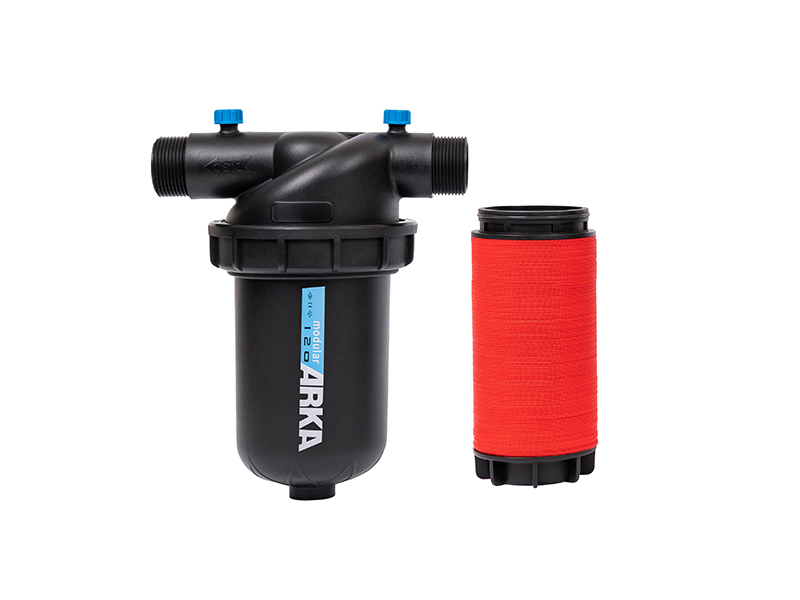
The core working principle relies on a tightly stacked array of color-coded plastic rings. Every single ring features microscopic, diagonally etched grooves of a specific depth. When the outer housing compresses these rings tightly together, their intersecting grooves create a dense, labyrinth-like matrix.
As the pump forces turbulent water through this compressed stack from the outside in, suspended particles are not merely blocked at the surface. Instead, they must navigate this tortuous path. Debris becomes trapped throughout the entire depth of the grooves. This mechanical design allows the unit to capture a significantly higher volume of slimy organic matter like algae. It also halts rigid inorganic particles like silica sand long before a backwash cycle is triggered.
The remarkable longevity of this equipment depends entirely on the chemical makeup of the injection-molded materials. Industrial-grade units are typically constructed from advanced engineered polymers. These include fiberglass-reinforced polypropylene, high-density polyethylene, or specialized nylon blends.
Manufacturers select these specific materials for their exceptional tensile strength and structural stability under heavy hydraulic load. Polypropylene perfectly maintains its shape under continuous stress. It actively resists the micro-cracking that plagues cheaper consumer plastics. By utilizing these advanced blends, piping engineers ensure the internal discs never warp, compress unevenly, or degrade. They hold up even when subjected to violently fluctuating flow rates over extended periods.
Recent market analyses surrounding agricultural and industrial water management reveal a decisive industry pivot. Facility managers and farm operators are actively phasing out legacy metal systems. This shift is primarily driven by worsening global water scarcity, the rapid expansion of precision micro-irrigation, and the widespread adoption of aggressive chemical fertigation.
The consensus across the sector is clear. The high replacement costs, unpredictable supply chain issues, and constant maintenance associated with steel and iron make them a financial liability. Consequently, commercial operations are aggressively adopting advanced engineered polymers. These materials guarantee operational stability. They also align with modern sustainability goals by drastically reducing equipment turnover and minimizing water waste during automated flushing cycles.
Mechanical durability dictates the final purchasing decision when evaluating filtration equipment for rigorous agricultural or heavy industrial use. Polymer-based systems are specifically engineered to survive brutal field conditions. These same conditions would typically tear apart standard wire-mesh alternatives within months.
Imagine a massive agricultural pump firing up at the start of an irrigation cycle. The sudden surge of water creates a violent hammer effect inside the mainline. To combat these severe pressure spikes, the outer housings of polymer filters are reinforced with fiberglass cross-linking. They are molded with exceptionally thick walls designed to absorb hydraulic shocks. This structural elasticity allows a standard 1-inch or 2-inch unit to handle extreme surges safely. They operate continuously at pressures up to 8 bar without cracking, bursting at the seams, or compromising the delicate internal stack.
Filtration batteries are rarely sheltered out in the field. They endure relentless exposure to harsh environmental conditions. Standard plastics quickly become brittle and shatter after prolonged exposure to ultraviolet radiation. Industrial-grade models are formulated differently. Manufacturers incorporate powerful UV inhibitors directly into the raw polymer matrix before molding. This chemical stabilization acts as permanent sunscreen. It prevents molecular degradation and ensures the housing remains robust even after a decade of baking in the open sun.
Beyond physical strength, absolute immunity to oxidation is the most significant advantage of polymer technology. Corrosion remains the primary catalyst for catastrophic equipment failure in any water-heavy environment.
Metal filters are inherently susceptible to oxidation when constantly exposed to a mixture of water and oxygen. Over time, rust inevitably forms on the internal surfaces. This creates a twofold crisis. First, the housing structurally weakens and becomes a burst hazard. Second, abrasive rust flakes break off into the clean water stream. These flakes directly clog the very downstream emitters the filter was originally installed to protect. Engineered plastics completely eradicate this risk.
Modern commercial farming relies heavily on fertigation. This is the precise injection of liquid fertilizers and soil amendments directly into the irrigation mainline. Many of these chemical cocktails are highly acidic. Fortunately, a polymer-based system is chemically inert. It simply will not react, degrade, or dissolve when exposed to acidic fertilizers, heavy chlorination, or other harsh chemicals. The structural integrity of the unit remains pristine regardless of what fluids you pump through it.
Selecting the correct physical geometry for your filtration setup is crucial. It optimizes water flow, minimizes pressure drops, and simplifies future maintenance routines.
An H-type disc filter features a parallel inlet and outlet configuration. The water enters and exits on the exact same linear axis, while the main filter body sits perpendicular to the pipe. This hydrodynamic design is engineered specifically for high-volume, inline systems. It minimizes directional changes in the water, drastically reducing pressure drops across the unit. This makes it highly efficient for large-scale agricultural operations and integration into massive, automated self-cleaning batteries.
Conversely, a Y-type disc filter is characterized by its angled body. It forms a distinct 'Y' shape with the main water line. This configuration is prized for its versatility and is frequently the go-to choice for installations plagued by spatial constraints. Because the internal element angles downward, gravity assists the operator during maintenance. It is exceptionally easy to open the cap and manually slide out the element without spilling dirty water everywhere.
Precision agriculture demands the absolute highest standard of water purity. When dealing with specialized micro-emitters, even microscopic debris can disrupt an entire season's yield.
Micro irrigation systems deliver water and nutrients drop-by-drop directly to the plant's root zone. Because these emitters feature extremely narrow flow paths, they are incredibly susceptible to clogging from fine sand and biological matter. Utilizing a reliable micro irrigation filter is absolutely non-negotiable in these setups. The multi-layered depth matrix effectively captures both rigid dirt and soft algae before they ever reach the field. This ensures perfectly even water distribution across the crop.
Space within a pump house or at a remote field valve station is often severely limited. A well-engineered compact disc filter offers a massive internal filtration surface area within a remarkably small physical footprint. Because the functional discs stack so tightly, they provide exponentially more dirt-trapping capacity than a flat screen of the exact same diameter. This compact efficiency makes it the perfect solution for localized field zones requiring robust protection.
Engineers frequently debate the merits of screen filters versus disc filters when designing a new water manifold. While both remove particulate matter, their operational mechanics and long-term return on investment differ wildly.
| Feature | Traditional Screen Filter | Plastic Disc Filter |
|---|---|---|
| Filtration Method | 2D Surface Filtration (acts like a sieve) | 3D Depth Filtration (labyrinth matrix) |
| Handling Organic Matter | Poor. Algae easily extrudes through the mesh under pressure. | Excellent. Grooves trap and hold soft biological slime securely. |
| Maintenance Frequency | High. Clogs quickly; mesh requires delicate scrubbing. | Low. Holds more dirt; easily cleaned with high-pressure spray. |
| Lifespan & Durability | Shorter. Wire mesh stretches, frays, and tears over time. | Longer. Rigid polymer discs maintain shape and micron rating indefinitely. |
Water sourced directly from lakes or open reservoirs is heavily laden with biological slime. When soft organic matter hits a traditional screen under high pump pressure, it easily extrudes through the mesh pores. Disc technology excels in these exact environments. The depth of the grooves catches and securely anchors soft biological matter, completely preventing it from entering the downstream flow.
Selecting the appropriate unit requires careful calculation of your specific water source and system hydraulics. Guessing on specifications often leads to chronic clogging or blown blow-out valves.
Choosing the correct micron rating is the most critical decision. This is universally indicated by the color of the internal rings. For standard agricultural drip tape, a red 120-mesh or 130-micron setup is the industry standard. However, if you are utilizing ultra-fine micro-sprinklers, you must consult the emitter manufacturer's specifications. Ensure the chosen mesh size is fine enough to prevent internal clogging without choking the system flow.
A unit must be perfectly sized according to the main pump's output and the manifold's operational pressure. Forcing an excessive volume of water through an undersized housing will result in an unacceptable pressure differential and potential deformation of the internal elements. Always review the manufacturer's flow rate charts. Ensure a 2-inch inlet actually matches your peak flow requirements while maintaining a safe, energy-efficient operating pressure.
Engineered polymers are incredibly tough, but neglecting routine maintenance will eventually compromise system performance. Implementing a strict care schedule ensures the equipment operates at peak efficiency for a decade or more.
Monitoring the pressure gauges installed before and after the unit is the most reliable way to know when cleaning is required. A pressure differential of 7 to 10 PSI indicates a loaded stack. To clean manual units, the operator must first completely depressurize the system. Next, unscrew the outer housing and remove the central spine. Loosening the top compression nut allows the rings to separate freely. Spray clean water radially across the elements with a high-pressure hose, spinning them to completely dislodge trapped sand and algae before reassembling.
In regions plagued by hard water, calcium or iron deposits will eventually scale onto the plastic grooves. Standard hosing cannot remove this hardened scale. Because the polymer is entirely chemically inert, operators can safely perform a localized acid wash. Submerging the loosened rings in a heavily diluted hydrochloric acid mix or household vinegar will rapidly dissolve the mineral scale without degrading the plastic. Always thoroughly rinse the components with fresh water before returning them to service.
Proper winterization is critical for outdoor setups located in freezing climates. If residual water is left trapped inside the sealed housing, it will expand as it turns to solid ice. This expansion generates enough outward hydraulic force to crack even the thickest fiberglass-reinforced plastics. Before the first freeze hits, completely drain the housing, remove the internal element, and store the dry components in a temperature-controlled environment.
Investing in advanced polymer filtration technology guarantees long-term system durability and absolute peace of mind for your fields or facilities. By entirely eliminating the risks of rust, galvanic corrosion, and chemical degradation, these units drastically outperform legacy metal systems. Whether you require a high-flow parallel setup for a commercial farm or a compact, angled unit for a greenhouse, three-dimensional depth trapping ensures your emitters remain clear. Stop letting rust and clogs dictate your maintenance schedule. Evaluate your flow rates, choose the correct mesh size, and upgrade to a polymer system to protect your valuable water infrastructure for years to come. Explore the full range of high-performance solutions at Arka Irrigation to find the exact configuration for your specific project needs.
With proper routine maintenance, regular cleaning, and correct winterization protocols, high-quality polymer units easily last 5 to 10 years or more. Unlike metal alternatives that eventually succumb to oxidation and rust flaking, engineered plastics maintain their structural integrity over time. This makes them a vastly superior long-term financial investment for agricultural setups.
Yes, absolutely. The industrial materials used to manufacture these units, such as reinforced polypropylene and specialized nylon, are highly chemically inert. This fundamental property makes them completely immune to the corrosive effects of concentrated liquid fertilizers, heavy chlorine treatments, and acidic solutions commonly injected into modern irrigation mainlines.
The primary difference lies in their physical geometry and ideal installation applications. Parallel inline models feature straight-through flow, making them ideal for high-volume commercial setups where minimizing pressure drop is critical. Angled models feature a 'Y' shaped body, which makes them highly suitable for tight installation spaces and allows for much easier, gravity-assisted manual removal of the internal element during routine cleaning.
Generally, yes. Well water frequently contains fluctuating amounts of fine sand, abrasive silt, and occasionally biological matter. The three-dimensional depth matrix provided by the grooved rings traps a significantly higher volume of this debris compared to the flat surface of a standard wire screen. This unique mechanism prevents the extrusion of soft matter and drastically reduces the frequency of system clogging.
The correct mesh size depends entirely on the downstream equipment you are protecting. For standard drip tape, a 120-mesh rating (indicated by red rings) is the industry standard. If you are using micro-sprinklers with larger orifices, a 150-mesh might be required. Always consult your emitter manufacturer's specifications to ensure the micron rating is small enough to prevent clogs but large enough to avoid unnecessary pressure drops.
A sudden or excessive pressure drop usually indicates that the internal disc stack is fully loaded with debris and requires immediate cleaning. However, if the pressure drop occurs immediately upon installation, it means the unit is undersized for your main pump's flow rate. Always size the filter housing based on peak gallons-per-minute flow, not just the pipe diameter.
Cleaning is a straightforward, tool-free manual process. First, ensure the main water line is completely depressurized to prevent injury. Unscrew the outer housing cap and carefully remove the internal element. Loosen the compression nut on the central spine so the individual rings can separate and spin freely. Spray them thoroughly with a high-pressure hose to blast away trapped debris. If there is hardened mineral scale, safely soak the decompressed rings in a mild acid solution before rinsing thoroughly and reassembling.


