
Views: 0 Author: Site Editor Publish Time: 2026-11-04 Origin: Site


Are clogged emitters draining your farm budget? Broken filters frequently cause expensive irrigation downtime. Yet many operators fail to realize that the right materials can entirely prevent these hidden costs. As engineers designing agricultural water distribution networks, we know that navigating the complex landscape of filtration hardware requires technical precision. We will compare the best materials available today. This ensures your next procurement decision yields long-term reliability and eliminates unnecessary maintenance overhead.
Recent market data highlights a significant paradigm shift in agricultural water management. Climate change and water scarcity force growers to rely increasingly on lower-quality, brackish, or reclaimed water sources. Consequently, the demand for highly corrosion-resistant filtration media has surged across the globe. Procurement managers are actively moving away from basic carbon steel and low-grade plastics. Instead, the industry trend leans heavily toward hybrid polymer housings and marine-grade alloys. These advanced materials guarantee structural stability despite fluctuating water quality. Ultimately, this shift secures a much lower operational cost over a decade-long lifecycle.
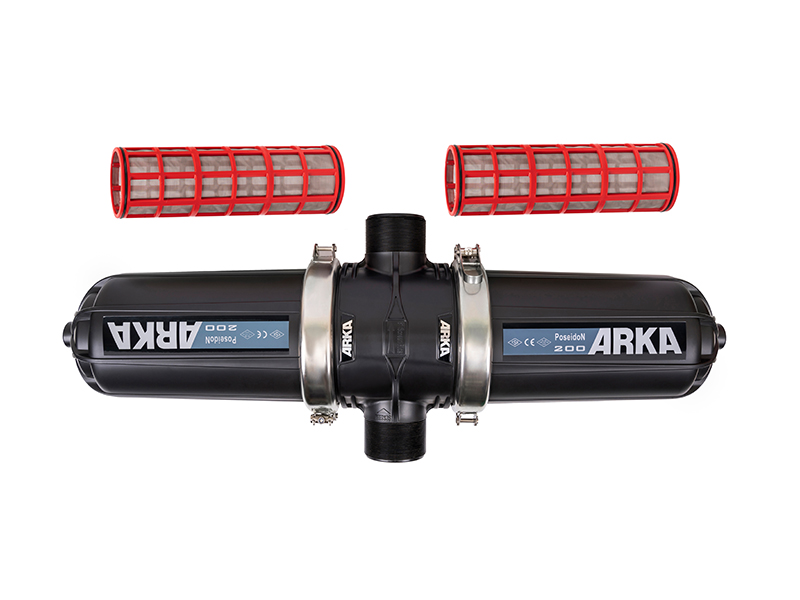
For agricultural managers and landscape contractors, the filtration system acts as the primary defense mechanism for the entire water distribution network. At the core of this critical defense is the screen filter. While it is easy to view this hardware as a simple commodity, the material composition of both the internal barrier and its outer housing directly dictates the operational lifespan of the system.
Imagine a mid-summer heatwave where your primary drip lines fail. A degraded mesh allowed abrasive sand to bypass the manifold. The resulting crop stress alone could cost thousands of dollars. An agricultural filtration unit is subjected to constant and rigorous environmental stress. First, there is physical abrasion. Water pumped from deep wells or open reservoirs carries suspended inorganic solids like silica sand and calcium scale. As these jagged particles are forced against the filtration barrier at high velocities, they act like sandpaper. Subpar materials will quickly degrade under this friction. This leads to microscopic tears that eventually compromise the entire downstream line.
Beyond physical wear, modern agriculture relies heavily on fertigation. This involves the precise injection of liquid fertilizers and cleaning chemicals directly into the water supply. These chemical agents alter the pH of the water and create highly corrosive environments. Incompatible filter materials will suffer rapid oxidation or structural embrittlement. Furthermore, above-ground installations face constant exposure to ultraviolet radiation and severe temperature fluctuations. Non-stabilized plastics will rapidly degrade under these conditions. Therefore, selecting the correct material is a fundamental risk management strategy designed to protect delicate infrastructure from premature failure.
Evaluating the primary materials used in industrial and agricultural filtration requires a strict analysis of your daily operating conditions. Buyers must carefully weigh the initial capital expenditure against the projected lifespan and maintenance requirements of the chosen medium.
Stainless steel remains the undisputed gold standard for durability in heavy-duty water filtration. It offers exceptional tensile strength. This allows it to withstand extreme pressure differentials without deforming. However, understanding the grading system is critical for intelligent procurement.
Recent advancements in polymer science have transformed engineered plastics into a highly viable alternative to metal. Modern plastic filters are typically constructed from robust glass-reinforced polyamide or high-density polyethylene. The primary advantage of engineered plastics lies in their absolute immunity to rust and galvanic corrosion. They remain completely unaffected by high salinity or acidic fertilizers.
Inside these lightweight plastic housings, the mesh screen is frequently woven from industrial-grade nylon or stainless steel. Nylon weaves are highly flexible and simple to wash manually. While nylon cannot withstand the extreme pressure thresholds of steel, it is perfectly suited for low-to-medium pressure drip irrigation systems. It excels where the primary debris consists of sticky organic matter rather than sharp silica sand.
| Material Type | Best Water Source | Fertigation Suitability | Relative Cost |
|---|---|---|---|
| 304 Stainless Steel | Freshwater, Municipal, Deep Well | Moderate | Medium |
| 316 Stainless Steel | Brackish, Reclaimed, High Salinity | Excellent | High |
| Glass-Reinforced Polyamide | Rainwater, Ponds, General Ag | Excellent | Low to Medium |
The structural design of the housing determines exactly how fluid dynamics play out inside the system. This directly affects how much mechanical stress is placed on the internal materials. Selecting the right physical configuration is just as vital as choosing the right alloy.
An H-type screen filter is engineered with a parallel inlet and outlet design. This creates a fluid path resembling the letter H. This specific geometry is highly favored in commercial agriculture for several evidence-based reasons.
Specifically, the H-type configuration allows for a significantly larger internal cavity. Take a standard 3-inch plastic irrigation filter as an example. When equipped with a 120-mesh stainless steel core, this design can comfortably handle flow rates up to 50 cubic meters per hour at a maximum working pressure of 8 bar. This increased surface area means the filtration load is distributed evenly. Consequently, water velocity through the barrier is reduced. Lower velocity minimizes the abrasive impact of sand and substantially extends the life of the weave. Furthermore, the parallel design typically results in a lower head loss across the manifold, allowing pumps to operate more efficiently.
Conversely, a T-type screen filter features a perpendicular inlet and outlet. While it generally houses a slightly smaller filtration surface area compared to its H-type counterpart, it serves a vital purpose in complex system designs.
The T-type configuration offers a highly compact footprint. It stands out as the optimal choice for tight installation spaces like crowded pump houses or below-ground valve boxes. Landscape contractors frequently utilize T-type units during irrigation renovations. They can be easily retrofitted into existing manifold setups without requiring extensive pipe reconfiguration. Because water makes a 90-degree turn inside the housing, these units create turbulence that helps drop heavier sediment into the purge basin before it reaches the delicate mesh.
Selecting the correct filtration material is never a universal process. Different environments present unique challenges. Understanding the specific demands of your application is the definitive first step in maximizing service life.
In commercial row crop irrigation, water is often sourced from deep boreholes bringing high loads of abrasive silt. These systems operate under immense pressure to push water across vast acreages. For these demanding environments, stainless steel components are non-negotiable. The structural rigidity of the steel prevents the barrier from collapsing under high pressure differentials caused by sudden debris spikes. Paired with a 3-inch or 4-inch H-type housing, this robust setup ensures uninterrupted flow.
Rainwater harvesting presents a completely different filtration profile. The primary contaminants are typically organic materials such as leaves and algae. Unlike highly pressurized well water, rainwater systems often rely on low-pressure booster pumps. For these applications, high-grade engineered plastics paired with nylon barriers are highly effective. Nylon is naturally resistant to organic bio-fouling and is exceptionally easy to wash. Since rainwater lacks corrosive mineral salts, the heavy investment in stainless steel is usually unnecessary.
Modern landscape architecture increasingly focuses on strict water conservation using low-volume micro-sprays. When renovating an existing landscape, contractors are frequently constrained by limited physical space. In these tight quarters, a compact T-type configuration is the preferred structural design. For municipal water supplies used in landscaping, standard 304 stainless steel or durable polyester weaves provide more than enough longevity to protect delicate emitter orifices.
For procurement managers and system integrators, purchasing filtration hardware is a macro-level strategic decision. Sourcing the right components for large-scale agricultural developments requires evaluating manufacturers on strict performance metrics.
When procuring equipment globally, objective quality assurance is non-negotiable. Buyers must look for manufacturers operating under ISO 9001 quality management systems. Furthermore, material traceability is critical. A reliable supplier should provide Mill Test Certificates to verify the exact chemical composition of their metals. This guarantees that the steel you are purchasing actually contains the necessary alloys to withstand industrial fertigation.
Supply chain reliability is another crucial factor. Large-scale projects cannot afford delays caused by manufacturing bottlenecks. The ability to fulfill bulk orders of standardized mesh sizes, such as 120 mesh or 130 micron, with consistent lead times indicates a reliable vendor. Standardized sizing also ensures that replacement cartridges and O-rings will be readily available years down the line.
Even the highest quality hardware will degrade rapidly if subjected to improper operational practices. Picture a field technician struggling to scrub calcified scale off a delicate metal weave with a harsh wire brush. This common maintenance mistake ruins more equipment than actual field wear. Maximizing service life requires a proactive approach.
Proper Sizing and Flow Velocity Management: The most common cause of premature failure is undersizing the unit for the actual flow rate. When a filter is too small for the volume of water, the pressure velocity increases dramatically. High-velocity water forces hard particles deep into the weave causing irreversible embedding. Always consult friction loss charts and size the unit so flow velocity remains within optimal parameters.
Implementing Routine Flushing Protocols: Debris should never cake onto the media for extended periods. The longer sediment sits against the barrier, the harder it becomes to remove. For systems handling high sediment loads, utilize a blow-down valve at the base of the housing. This allows operators to flush accumulated debris without disassembling the unit. Flushing should be performed while the system is pressurized to effectively scour the surface clean.
Safe Chemical Cleaning Procedures: Over time, mineral scale and organic bio-films will blind the microscopic pores. Physical scrubbing damages delicate wires. Chemical cleaning is the scientifically sound method for restoring flow rates. Mineral scale on stainless steel can be safely dissolved by soaking the cartridge in a mild citric acid bath. For plastics and nylon, a diluted chlorine soak effectively removes organic algae. Avoid using strong acids on standard nylon.
Winterization to Prevent Structural Damage: In regions subject to freezing temperatures, improper winterization causes housing fractures. Water expands when it freezes. If water is left inside a closed body during the winter, the expansion will crack the housing and crush internal components. The system must be completely drained at the end of the irrigation season. Remove the cartridge, wash it thoroughly, and store it indoors.
Achieving a long service life in agricultural water management fundamentally requires selecting the right materials from the start. By carefully matching your housing design and mesh composition to your specific water source, chemical usage, and operating pressure, you can effectively eliminate the hidden costs of system downtime. Cheaper low-grade materials often inflate future labor costs and risk severe crop yield reductions. Evaluate your water quality today, prioritize proactive maintenance, and choose highly durable filtration solutions. For engineered plastic housings and premium stainless steel components designed to meet these exact rigorous standards, explore the specialized commercial options available at ARKA Irrigation to secure the long-term success of your infrastructure.
While both are widely used in agricultural water management, they operate on entirely different physical principles. Disc filters utilize a stack of tightly compressed plastic rings to trap three-dimensional organic debris throughout the depth of the grooves. Conversely, screen filtration uses a woven mesh to create a distinct single-plane physical barrier. This makes it highly efficient at blocking hard inorganic particles such as silica sand and pipe scale from entering the downstream lines.
Cleaning frequency depends entirely on the turbidity of your water source. Systems pulling from dirty surface water may require daily blow-down flushing. Municipal water systems might only need monthly visual checks. You should only replace the internal cartridge when it is physically torn, severely warped by high pressure, or irreversibly blinded by mineral scale that cannot be removed through chemical soaking.
Neither design is objectively superior. Their effectiveness depends entirely on your installation environment and hydraulic requirements. An H-type configuration typically provides a much larger internal surface area. This makes it ideal for high-volume agricultural settings where minimizing pressure loss is critical. A T-type configuration is specifically designed for spatial efficiency, making it the preferred choice for compact landscape manifolds and tight underground valve boxes.
Yes, high-grade engineered plastics and polyamides are naturally resistant to many standard agricultural fertilizers. However, if your operation involves highly corrosive chemical injections or concentrated acids for line cleaning, standard plastic weaves may become brittle over time. In these aggressive chemical environments, upgrading to 316 marine-grade stainless steel is strongly recommended to ensure maximum service life.
For most commercial drip irrigation tape and micro-emitters, engineers recommend a filtration level of 120 mesh, which translates to approximately 130 microns. This specific sizing is small enough to capture the fine silt and sand particles that typically clog delicate emitter labyrinths, yet large enough to allow dissolved fertilizers to pass through without creating excessive head loss across the manifold.
Water pressure directly dictates the velocity at which debris strikes the filtration barrier. Operating a system beyond the manufacturer maximum pressure rating (often around 8 to 10 bar for standard plastic housings) forces sediment to embed deeply into the weave, causing irreversible blinding. Furthermore, extreme pressure differentials caused by a clogged unit can lead to cavitation or physically tear the stainless steel mesh. Maintaining regulated, stable pressure is vital for hardware longevity.


