
Views: 0 Author: Site Editor Publish Time: 2026-10-31 Origin: Site


Water is the undeniable lifeblood of agriculture. Unfiltered water, however, can rapidly dismantle even the most advanced modern farming setups. Picture a sprawling orchard relying on thousands of micro-emitters. A single grain of sand lodged in a tiny orifice can devastate an entire harvest. Clogged emitters ruin crop yields, waste valuable resources, and inflate operational costs. To combat this persistent threat, a robust screen filter system serves as the ultimate, cost-effective defense mechanism. We will explore the underlying working principles, examine various structural configurations, and detail how to select the optimal filtration technology for your specific agricultural requirements.
At its core, an irrigation screen filter is a specialized mechanical device designed specifically to remove suspended solid particulate matter from agricultural water sources. Its architecture consists of a rigid exterior housing that encases a cylindrical mesh screen. These housings are typically manufactured from durable stainless steel or high-strength engineered plastics.
The primary function of this device is absolute physical filtration. It acts as an impenetrable barrier to separate sand, rust, scale, and other fine inorganic particles out of the water column long before the water reaches downstream distribution networks. By restricting the passage of particles larger than the screen's microscopic pore size, the filter actively protects delicate system components from internal abrasion and catastrophic blockages.
Historically speaking, screen filtration is recognized as one of the most traditional and widely adopted water treatment methods in the agricultural industry. Its enduring prevalence is largely attributed to its mechanical simplicity, high reliability, and overall cost-effectiveness. Unlike complex chemical treatments that require continuous monitoring, screen filters rely entirely on fluid dynamics and physical geometry to achieve water clarity. This makes them an objective standard for baseline agricultural water management across the globe.
Recent industry analyses highlight a significant, accelerated shift toward water conservation in global agriculture. This trend is primarily driven by prolonged regional droughts and increasingly strict municipal water regulations. Consequently, modern farming is rapidly transitioning from traditional flood irrigation to highly precise micro-irrigation. This transition elevates the critical importance of baseline filtration. Without pristine water, precision drip tapes fail rapidly.
Furthermore, the materials and working principles of modern filtration are rapidly evolving. Manufacturers are moving toward advanced, UV-resistant engineered plastics that can withstand high field pressures without corroding. There is also a distinct integration of smart sensors. Farm managers can now monitor pressure differentials remotely, ensuring that backwash cycles are triggered only when mathematically necessary. This saves thousands of gallons of wastewater annually while simultaneously maintaining peak crop yields.
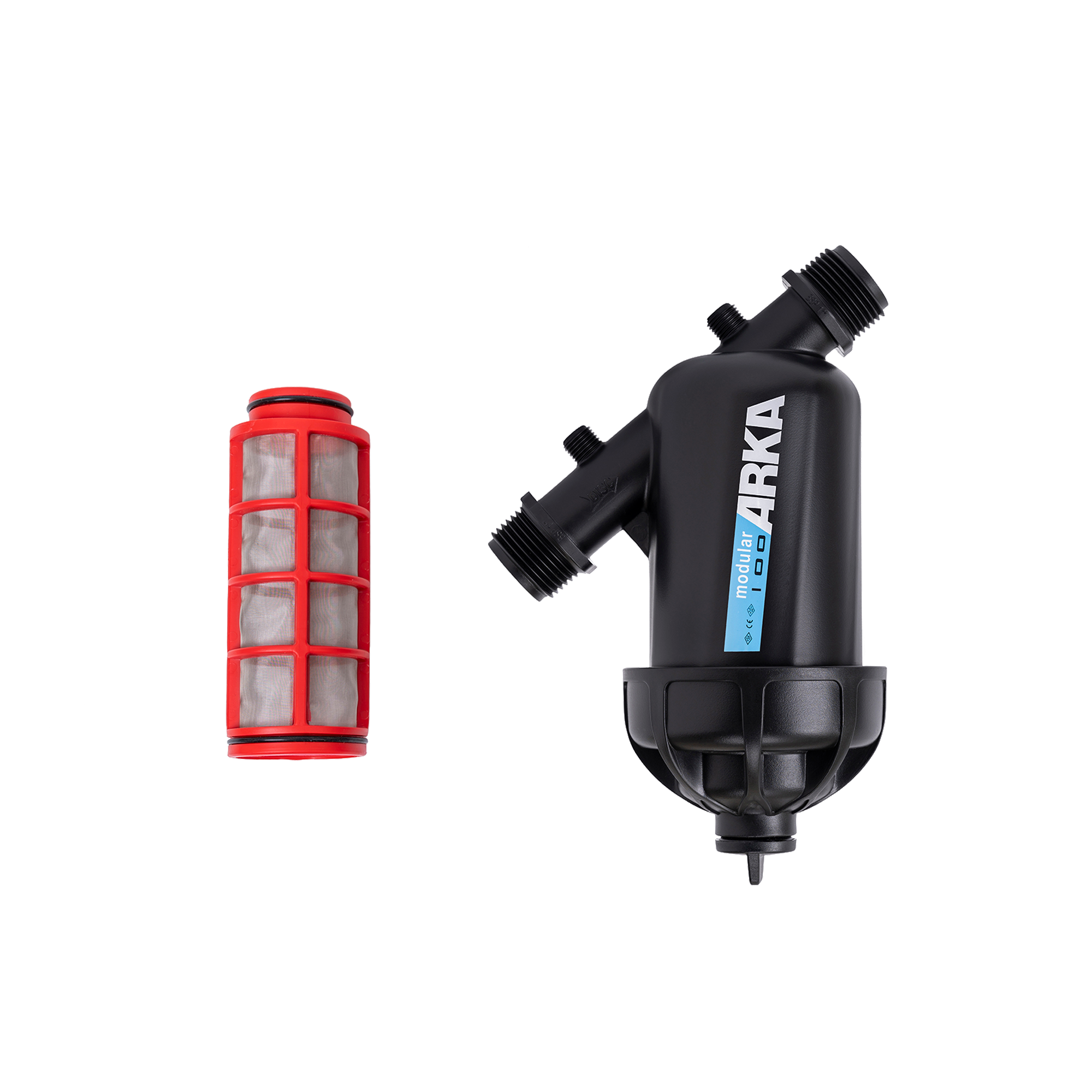
Grasping the working principle of these vital components requires examining the fluid mechanics and physical interactions that occur within the enclosed housing unit. As an engineer evaluating system head loss, understanding this flow path is essential.
The separation of particulate matter from raw water follows a highly specific, sequential pathway. Unfiltered raw water aggressively enters the filter housing through the designated inlet port, driven by the sheer pressure of the main irrigation pump. This pressurized water is then forced through the cylindrical mesh barrier.
The precise size of the apertures—measured in mesh or microns—strictly dictates the maximum particle dimension that can successfully pass through the system. Dirt, sand, and debris that are dimensionally larger than the mesh apertures are physically trapped. Depending on the specific engineering design, these abrasive particles accumulate either on the interior surface or the exterior surface of the screen cylinder. Finally, the purified water flows out through the outlet port and seamlessly continues into the main irrigation distribution line.
As the filtration system operates continuously, the trapped debris gradually forms a dense filter cake on the screen surface. Consequently, this accumulation restricts the open area available for water passage, creating a noticeable pressure drop across the device. In fluid dynamics, this phenomenon is widely known as pressure differential.
Monitoring the pressure differential between the inlet and the outlet is the primary diagnostic method used by farm managers to determine when a filter requires cleaning. Under normal operating conditions, an uncontaminated screen presents minimal hydraulic resistance. However, as clogging progresses, the inlet pressure remains dangerously high while the outlet pressure drops significantly. Once the differential reaches a manufacturer-specified threshold—typically between 5 to 7 psi—immediate maintenance is required to restore optimal flow and prevent structural failure of the mesh.
To remove the accumulated debris and restore the filter's baseline efficiency, a targeted cleaning process is initiated. In manual setups, this involves physically depressurizing the housing, removing the screen cylinder, and washing it by hand. Conversely, automated systems employ a sophisticated backwashing mechanism. Backwashing involves temporarily reversing the direction of the water flow or utilizing high-pressure internal nozzles to aggressively dislodge the trapped particles from the screen. The concentrated waste is then flushed out through a dedicated discharge valve, leaving the mesh pristine.
Selecting the appropriate filter geometry is a critical engineering decision. It directly impacts your installation footprint, overall flow capacity, and the frequency of required maintenance. A mismatch here will cause chronic pipeline bottlenecks.
The Y-type model derives its name from its distinctive, angled housing configuration. The internal filter element intersects the main fluid pipeline at a downward angle, creating a specialized, gravity-assisted chamber for debris collection. From a practical standpoint, the angled orientation allows heavy debris to settle naturally at the lowest point of the branch, which is typically capped with a manual flush valve for quick purging.
This design is highly cost-effective and structurally simple. For example, a standard 3/4 inch Y-type screen filter built with high-quality engineered plastic can easily handle residential landscaping flows while withstanding standard municipal pressures. Agricultural engineers frequently specify these models for low-to-medium flow rates and small-scale agricultural plots where manual maintenance is entirely feasible.
Engineered with a robust T-shaped body, this variant is designed to be installed completely in-line with the primary piping infrastructure. The defining characteristic here is that the water enters and exits on the exact same linear axis, while the filter screen itself is housed in a perpendicular chamber.
Specifically, this geometry allows for straight-line water flow, which drastically minimizes internal turbulence and pressure loss. As a result, a T-type screen filter is capable of handling much larger volumes of water compared to standard angled models. They are also physically easier to integrate into existing straight-pipe mainlines without requiring complex, expensive pipe rerouting.
Representing the pinnacle of agricultural filtration, the H-type model is a complex industrial unit featuring a manifold body. It frequently incorporates dual chambers or parallel flow designs within a single, massive structural footprint.
This advanced design allows for a massive surface area of filtration mesh and often includes complex internal suction scanners to support continuous operation. An H-type screen filter is the undisputed standard for large-scale commercial agricultural operations that demand exceptionally high flow rates. Their primary advantage lies in the ability to conduct automatic self-cleaning cycles without ever halting the overall irrigation system, ensuring crops receive uninterrupted hydration.
The integration of mechanical filtration technology is not a universal, one-size-fits-all solution. Rather, it must be applied strategically to protect specific types of vulnerable agricultural infrastructure.
In the highly precise context of micro-irrigation, physical filtration is considered an absolute necessity. Drip emitters and micro-sprinklers feature microscopic orifices often measuring less than a single millimeter in diameter. If you have ever rubbed a torn piece of drip tape between your fingers, you know how easily fine sand can pack into those pathways. A robust screen filter acts as the crucial first line of defense. By capturing grit before it enters the field lines, the system ensures that precise water delivery rates are maintained, thereby preventing uneven crop watering and highly localized drought stress.
Controlled environment agriculture relies heavily on exact, uninterrupted nutrient delivery systems. In hydroponic and modern greenhouse setups, water is frequently recirculated and continuously mixed with liquid fertilizers. Filtration units are deployed here to maintain pristine water quality. They ensure that undissolved fertilizer salts, stray substrate particles, and mineral precipitates do not compromise the sensitive injection pumps or the delicate root zone delivery mechanisms.
Beyond traditional food production, physical water filtration plays a vital role in municipal and commercial landscaping. Golf courses, expansive public parks, and large residential estates often draw their irrigation water from aging municipal lines or localized, sandy boreholes. Installing a reliable screen barrier protects expensive pop-up sprinkler heads, gear-driven rotors, and automated solenoid valves from abrasive sand damage. Ultimately, this reduces municipal maintenance costs and prevents unsightly landscape degradation.
When evaluating potential water treatment solutions, agricultural planners must objectively compare technologies based on the specific chemical and biological characteristics of their water source. The table below outlines the critical engineering differences to guide your selection process.
| Filtration Technology | Primary Target Contaminants | Ideal Water Source | Maintenance & Efficiency |
|---|---|---|---|
| Screen Filter | Rigid inorganic matter—sand, silt, rust, and pipe scale. | Deep wells and boreholes with high mineral grit. | Highly efficient backwashing. Easy to clean manually. Not suited for heavy algae. |
| Disc Filter | Mixed loads of organic and inorganic matter. | Shallow wells or municipal water with fluctuating organic loads. | Three-dimensional depth filtration prevents rapid blinding from soft organics. Moderate cleaning effort. |
| Sand Media Filter | Heavy biological loads, thick mud, and complex organics. | Open surface water—lakes, rivers, and agricultural reservoirs. | Requires massive water volume and high pressure to backwash effectively. Excellent for extreme contamination. |
For commercial farming operations spanning hundreds or thousands of acres, a single standalone filter is entirely insufficient. Large-scale operations require meticulously engineered integration to maintain consistent hydraulic performance and protect massive capital investments.
When volumetric flow rates exceed the safe hydraulic capacity of a single unit, multiple filters are installed in parallel to form a massive filtration manifold. In these complex configurations, linear flow designs are highly advantageous. They allow irrigation engineers to construct compact, infinitely scalable headers. Furthermore, if one specific filter requires isolation for routine maintenance, the remaining units in the manifold can seamlessly continue operating, ensuring zero interruption to the crop hydration schedule.
While the primary goal of any filtration setup is to prevent clogged field emitters, large-scale integration serves an equally important secondary purpose. High-velocity sand particles act exactly like a liquid sandblaster. Over time, this abrasive action will prematurely destroy the internal brass and plastic components of pressure-reducing valves, mechanical volumetric water meters, and precise Venturi fertilizer injectors. An integrated filtration manifold acts as a critical, sacrificial safeguard, drastically extending the operational lifespan of the entire irrigation network.
Purchasing the correct filtration unit dictates the long-term success or failure of your entire irrigation strategy. Buyers must evaluate particle size, water source conditions, and hydraulic requirements to make an empirical, data-driven decision.
The most critical technical specification of any screen filter is its mesh size, which strictly determines the physical size of the open holes in the screen. Mesh refers to the exact number of openings per linear inch, whereas microns measures the actual physical distance across a single hole. A higher mesh number equates to a lower micron rating, meaning finer filtration.
As a foundational engineering rule of thumb, the filter's micron rating should always be one-tenth the size of the smallest emitter orifice in your entire irrigation system. For example, if your drip tape has an opening of 1.3 millimeters or 1300 microns, the filter should ideally be rated for 130 microns, translating to roughly 120 mesh, to guarantee absolute protection.
Filters must be mathematically sized according to the system's maximum volumetric flow rate, typically measured in Gallons Per Minute or Cubic Meters per Hour. Undersizing a filter is a critical error. Forcing a volume of water that exceeds the rated capacity results in excessive internal velocities, severe pressure loss, and the potential physical extrusion of dirt straight through the metal mesh. Always check the manufacturer's maximum pressure rating—such as 116 psi or 8 bar for standard high-quality plastics—to ensure the housing will not rupture under pump surges.
Even the most precisely engineered filtration system requires routine maintenance to function optimally. Establishing standardized cleaning protocols prevents catastrophic pressure drops and significantly extends the lifespan of the stainless steel mesh.
For non-automated systems, rigorous regular inspection is absolutely mandatory. Always turn off the primary water pump, isolate the unit using upstream valves, and open the flush valve to safely relieve internal pressure before opening the housing. Carefully unscrew the outer filter cover and gently remove the delicate cylindrical mesh element.
Using a soft-bristled nylon brush and a steady stream of clean water, gently scrub the screen. Never use harsh steel wire brushes, as they will permanently distort and widen the precise micron-sized apertures. Check the rubber O-rings for signs of pinching, flattening, or chemical dry rot. Lubricate them lightly with a silicone-based grease to ensure a watertight seal before reassembly.
Operators in the field should be prepared to diagnose common filtration anomalies quickly to prevent crop stress. If you notice a persistent high pressure drop, embedded organic matter or chemical scaling might be trapped deep in the mesh. Soaking the screen element in a mild acidic descaling solution usually resolves this. If visible sand appears in downstream lines, immediately inspect the screen for physical ruptures or a missing internal O-ring. Replace the damaged mesh cylinder entirely if a tear is found.
Ultimately, an irrigation screen filter is not just an accessory. It is a mandatory insurance policy that actively protects your expensive agricultural equipment. By effectively separating fine abrasive particles from your water source, it prevents highly expensive, irreversible damage to your delicate micro-irrigation emitters.
Whether you select a straightforward Y-type, a streamlined T-type, or a massive industrial H-type model, you must meticulously match the unit to your specific peak flow rate. Do not wait for clogged lines to devastate your seasonal yields. Proper, scientifically backed filtration drastically reduces your seasonal maintenance costs, conserves precious water resources, and guarantees that your crops receive the precise hydration they need to thrive.
To safeguard your agricultural investments and explore engineered filtration solutions tailored to your flow requirements, visit the ARKA Irrigation official website. Whether you need a compact 3/4 inch residential unit or a high-capacity commercial manifold, you can find the exact match for your project at https://www.arka-irrigation.com.
Sizing requires matching the filter's maximum flow capacity to your irrigation pump's output. You must first determine your system's total flow rate in Gallons Per Minute. Then, select a filter housing that is rated at least 20 percent higher than your maximum flow. Undersizing the filter will create severe friction loss and force debris through the mesh, while properly sizing it ensures minimal pressure drop and extends the time between cleaning cycles.
Yes, all physical filters create a minor amount of friction loss, resulting in a slight pressure drop. A brand-new, perfectly clean screen filter typically causes a negligible drop of 1 to 3 psi. However, as dirt accumulates on the mesh and forms a filter cake, this pressure drop will increase. This is precisely why monitoring the pressure differential is critical; cleaning the filter restores the pressure back to its baseline.
The mesh rating indicates the specific number of openings per linear inch of the screen material. A higher mesh number means there are more holes packed into that inch, which naturally results in smaller individual openings. Therefore, a 150-mesh filter measuring approximately 100 microns offers much finer filtration and traps significantly smaller particles than a 120-mesh filter measuring approximately 125 microns. You should always select the mesh size based on the specific, smallest orifice size of your field irrigation emitters.
No, standard screen filters are generally not effective for removing algae or heavy organic matter. Because algae is a soft, biological substance, high water pressure tends to simply smash and extrude it directly through the physical holes of the metal mesh. Alternatively, it creates a sticky, impenetrable film that is incredibly difficult to wash off during a backwash cycle. For water sources with high algae content, three-dimensional disc filters or heavy sand media filters are highly recommended instead.
The required cleaning frequency depends entirely on the baseline quality of your raw water source and your daily volumetric flow. As a standard agricultural best practice, you should physically inspect and clean the filter at least once a week during the peak summer irrigation season. However, the most accurate and scientific way to determine cleaning intervals is by constantly monitoring pressure gauges installed immediately before and after the filter housing. You should immediately clean the screen whenever you notice a pressure drop of 5 to 7 psi.
A screen filter is usually the superior, more logical, and more cost-effective choice for deep well water. Well water primarily contains inorganic, rigid particles such as fine sand, silt, and oxidized pipe scale. Screen filters excel at trapping these hard, abrasive particles. Furthermore, their smooth stainless steel surfaces make it exceptionally easy to flush the rigid sand away during a routine cleaning cycle, completely avoiding the added financial expense and mechanical complexity of a grooved disc filtration system.


