
Views: 0 Author: Site Editor Publish Time: 2026-10-30 Origin: Site


Picture this relatable scenario. You step into your backyard on a warm summer afternoon. You expect a pristine and inviting oasis. Instead, you are greeted by murky water, sluggish circulation, and weak return jets. You test the chemistry. The balance is absolutely perfect. The sanitizer levels are optimal. The pH is strictly within the recommended range. What could be causing this frustrating issue?
The answer usually lies within the unsung hero of your aquatic maintenance routine. Your filtration equipment can only perform its primary job effectively if the media inside it remains relatively clean. This introduces the mechanical process known as backwashing. Conceptually, this is the deliberate reversal of water flow through the filtration media. The goal is to dislodge, lift, and flush out trapped organic debris.
If you want to maintain crystal clear water and protect your equipment, you need to know exactly how often should you backwash your pool system. This comprehensive guide explores the empirical triggers for system maintenance. We will look at the operational differences between various filtration units. Furthermore, we will examine how modern automation technology can potentially eliminate this manual chore entirely.
The Pressure Rule: You should generally initiate a cleaning cycle when the pressure gauge reads 8 to 10 PSI above its clean baseline starting pressure.
Routine Frequency: Most residential installations require this process every 1 to 4 weeks. This depends heavily on bather load, regional weather patterns, and environmental debris.
Filter Types Matter: This specific maintenance applies primarily to sand and Diatomaceous Earth DE systems. Cartridge models require manual disassembly and hosing.
Tech Upgrades: Investing in automated smart valves or self-cleaning systems drastically reduces water waste. It saves energy and minimizes manual labor.
Water Disposal: Always evaluate local municipal regulations regarding wastewater. Routing chemically safe water for yard irrigation serves as a highly popular eco-friendly alternative to sewer drainage.
Let us look at the fundamental fluid dynamics of standard filtration. During normal operation, the circulation pump draws water from the skimmers and main drains. It forces this water through the dense filter media. Microscopic particulate matter is trapped as water permeates the sand or DE powder. Only purified water returns to the basin. Over time, these trapped particles accumulate. They create a highly restrictive barrier.
Reversing this hydraulic flow physically cleans the system. By manipulating the multiport or push-pull valve, water is redirected to enter from the bottom of the filter tank. This upward surge violently lifts the filter bed. It agitates the media and flushes the accumulated debris out of the system entirely through a dedicated waste line.
Understanding this mechanism is crucial for long-term equipment preservation. A severely clogged filter forces the pump motor to work against immense head pressure. Consequently, this excessive mechanical strain drastically reduces water circulation. It creates stagnant zones that serve as ideal breeding grounds for algae spores and harmful bacteria. Maintaining a clean system minimizes electrical consumption. It also significantly extends the lifespan of your expensive pump, saving you from costly premature hardware replacements down the line.
Determining the exact moment to initiate this maintenance task requires objective data. Guesswork will lead to poor water quality. The most accurate metric available to a property owner is the internal pressure of the filtration vessel.
The foundational metric for this process is your clean baseline pressure. You must record the reading on your pressure gauge immediately following a thorough cleaning or a fresh equipment installation. For instance, if your clean system hums along at 15 pounds per square inch PSI, this marks your baseline.
The universally accepted industry standard is the 8 to 10 PSI Rule. Once the needle climbs 8 to 10 PSI over your established baseline, the flow restriction has reached a critical threshold. At this juncture, reversing the flow is mandatory to restore hydraulic efficiency.
Pressure remains the ultimate deciding factor. However, general timeframes help anticipate maintenance needs. Pools subjected to heavy bather loads or frequent summer rainstorms often require weekly attention. Proximity to shedding trees also increases this frequency. In contrast, screened-in enclosures or installations with very light usage may only hit that pressure threshold once every four to six weeks.
Secondary indicators frequently signal a struggling system. You might observe persistently cloudy water despite stellar chemistry. Noticeably weak return jets are another massive red flag. If your automatic suction cleaner crawls sluggishly across the plaster, circulation is clearly compromised. These physical symptoms should prompt an immediate check of the pressure gauge.
Looking at recent developments in global water management, a massive shift is occurring. Regulatory bodies are implementing stricter drought regulations. Utility costs continue to rise. Because of this, modern property owners are moving away from arbitrary weekly maintenance schedules. The industry is rapidly adopting precise sensor-driven automation.
This evolution reflects a broader movement toward eco-conscious and energy-efficient backyard management. Smart monitoring systems now track hydraulic pressure in real-time. They prevent the unnecessary expulsion of millions of gallons of municipal water annually. Upgrading to intelligent filtration is no longer just a luxury. It is quickly becoming a standard requirement for sustainable water conservation.
The specific architecture of your equipment pad dictates both the frequency and the exact methodology of your maintenance routine. Not all systems are designed to operate under identical parameters. Below is a professional breakdown to guide your equipment selection and maintenance.
Filter Type | Filtration Quality | Maintenance Trigger | Automation Compatibility |
|---|---|---|---|
Sand Media | 20-40 Microns | 8-10 PSI above baseline | High |
Diatomaceous Earth DE | 2-5 Microns | 8-10 PSI above baseline | Medium requires powder refill |
Cartridge | 10-15 Microns | Manual cleaning at 8-10 PSI increase | None manual only |
Operating on the principle of depth filtration, a Sand Media Filter actually captures particulate matter more effectively when it is slightly dirty. The initial layer of trapped debris helps close the microscopic gaps between sand grains. This catches increasingly finer particles. Therefore, cleaning this specific type of equipment too frequently can paradoxically lead to persistently hazy water. Owners must resist the urge to over-maintain. Rely strictly on the 8 to 10 PSI gauge increase.
DE systems provide the highest level of water clarity available in the residential market. They capture microscopic invaders as small as 2 to 5 microns. They also require maintenance based on the standard 8 to 10 PSI rule. However, the procedure carries an added layer of complexity. Reversing the flow flushes away not only the dirt but also the DE powder itself. Every cleaning session must be followed by the precise replenishment of fresh DE powder through the skimmer to recoat the internal grids.
It is important to clarify that cartridge models do not utilize a multiport valve. They cannot be reversed. When their internal pressure rises, the physical pleated cartridges must be manually extracted from the tank. You must meticulously hose them down by hand.
Executing this procedure correctly is paramount. You must prevent catastrophic damage to your plumbing and internal valve components. Always follow a systematic and unhurried approach to ensure safety and efficiency.
The absolute most critical safety rule is to completely power down the pump before turning any handles. Manipulating a multiport valve while water is actively flowing under high pressure is dangerous. It will almost certainly rupture the internal rubber spider gasket or fracture the PVC plumbing.
With the power secured, firmly depress the handle of the multiport valve. This disengages the locking spring. Rotate it steadily to the clearly marked backwash position. Ensure your flexible waste hose is properly unrolled. It must be free of kinks and directed toward a safe drainage area.
Turn the pump back on. You will instantly hear the rush of water. Murky liquid will surge out of the waste line. A typical Backwash Cycle lasts approximately two to three minutes. The most reliable indicator of completion is the small clear sight glass located on the side of the valve housing. Once the turbulent dark water inside the glass transitions to a perfectly clear stream, the primary cleaning phase is finished.
Many novices skip this phase. This results in a cloud of debris shooting back into the swimming pool. Turn off the pump once again. Rotate the valve to the rinse setting and power the pump on for 30 to 60 seconds. This vital step sends water in the normal filtration direction but directs it out to waste. It effectively resettles the agitated media bed and flushes any residual dirt out of the plumbing lines. Finally, turn off the power, return the valve to the filter setting, and resume normal daily operation.
A standard maintenance session can easily expel anywhere from 100 to 300 gallons of water in just a few minutes. Managing this massive volume of wastewater requires environmental foresight. You must strictly adhere to local legal codes.
Traditionally, homeowners simply routed their hoses into the street. This allowed the effluent to flow into municipal storm drains. Today, environmental awareness and updated municipal codes have drastically shifted these disposal practices.
Environmentally conscious property owners frequently look for ways to repurpose this expelled water. Utilizing this discharge for yard Irrigation is a highly practical option. Specific chemical conditions must be met first. Water heavily treated with fresh liquid chlorine, algaecides, or high concentrations of salt can severely burn turfgrass and delicate ornamental plants. However, if the active sanitizer levels have dropped to safe neutralized parameters generally below 1.0 ppm, you can route the discharge hose toward mature drought-resistant shrubs. This serves as an excellent eco-friendly watering method.
Before discharging hundreds of gallons into your yard, you must consult your local municipal codes. Many cities and environmental protection agencies now strictly prohibit the discharge of chemically treated water into storm drains. It flows directly into natural waterways. In these jurisdictions, you are legally required to route all discharge directly into a dedicated sanitary sewer cleanout on your property.
Manual maintenance remains a standard part of ownership. However, continuously monitoring pressure gauges and wrestling with stiff valves can become a tedious chore. Fortunately, modern technological advancements offer sophisticated hands-off solutions. These are highly recommended for optimal commercial and residential water management.
For those seeking ultimate convenience, an Automatic Backwash system is a highly effective upgrade. These intelligent motorized valves are equipped with digital pressure transducers. When the internal sensors detect that the vessel pressure has reached the pre-programmed 8 to 10 PSI threshold, the system takes over. It automatically shuts down the variable speed pump, rotates the valve actuators, and initiates the cleaning and rinsing phases without a single moment of human intervention.
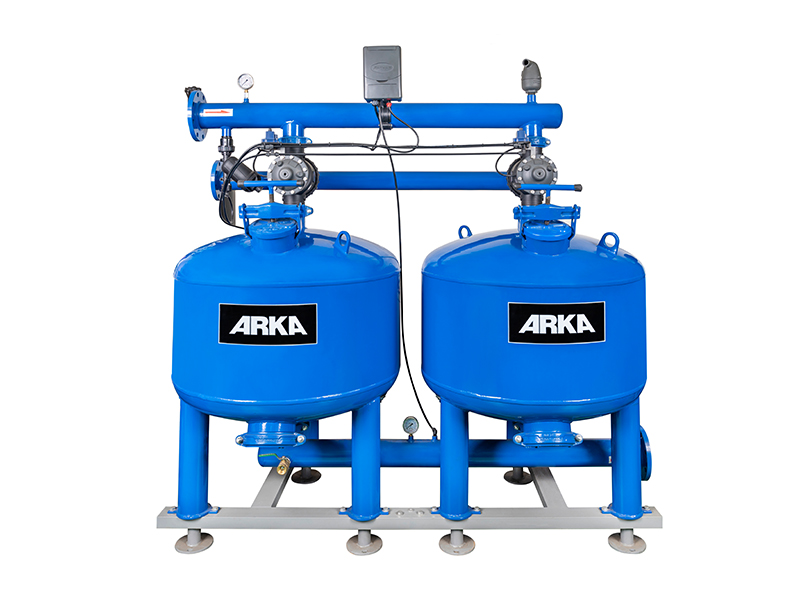
The pinnacle of hydraulic efficiency is the Self Cleaning Filter. A prime example is the ARKA F40-2-1000mm Automatic Self-Cleaning Sand Media Filter. Designed for heavy-duty water treatment and agricultural applications, this equipment utilizes advanced internal manifolds. It features hydro-cyclonic technology to continuously separate heavy debris from the water before it even reaches the primary media.
Specifically, systems like the F40 series optimize water flow through automated purging. They ensure the motor never runs under unnecessary strain. This drastically reduces the volume of water lost during traditional purging. Implementing such high-spec equipment guarantees precise maintenance cycles, saving massive amounts of labor and operational costs.
The initial capital expenditure for these automated technologies is higher. Yet, the return on investment is undeniable. They significantly extend the operational lifespan of your hardware. They lower monthly energy bills by maintaining optimal flow rates. Most importantly, they reclaim your precious weekend hours.
Even seasoned veterans can fall into bad habits. These mistakes inadvertently compromise water chemistry or damage equipment. Avoiding these operational pitfalls is essential for a pristine swimming environment.
Certain media types require a slight accumulation of dirt to achieve maximum particulate capture. Over-washing strips away this beneficial layer. This directly results in poor clarity and a frustratingly hazy pool.
This remains the most destructive error one can make. Forcing the multiport handle while the system is pressurized will tear the rubber spider gasket. Once this seal is compromised, water will continuously leak out of the waste port during normal filtration. It will slowly and silently drain your pool over time.
This procedure physically removes water from the basin. The overall water level will drop significantly. Failing to use a garden hose to bring the water level back up to the midpoint of the skimmer faceplate is dangerous. It will cause the pump to draw in air, leading to a loss of prime and potential motor burnout.
Introducing hundreds of gallons of fresh tap water dilutes your carefully balanced chemistry. You must always test the water afterward. Adjust the pH, total alkalinity, and active sanitizer levels immediately. This prevents aggressive water conditions or sudden algae blooms.
Knowing exactly how often should you backwash your pool system is a foundational pillar of aquatic maintenance. It all comes down to monitoring your system pressure gauge closely. Wait for that critical eight to ten PSI increase over your clean baseline. Keeping up with this simple routine task ensures sparkling water and optimizes hydraulic flow. It protects your expensive filtration equipment from premature failure.
If you are tired of wrestling with manual valves, consider upgrading your hardware. Automated smart systems save time, conserve water, and provide unmatched reliability. For professional-grade solutions, explore the advanced filtration systems at ARKA Irrigation to find the perfect automated setup for your specific water management needs.
Yes. Especially with a sand filter, backwashing too frequently removes the slight layer of dirt that actually helps trap finer debris. This leads to persistently cloudy water. Always wait for the pressure gauge to rise 8 to 10 PSI over the baseline.
A standard cycle takes about 2 to 3 minutes. The best indicator is the sight glass on your filter valve. Once the turbulent water inside it changes from cloudy to perfectly clear, the cycle is complete.
Often, yes. Because the process flushes pool water out to waste, you will need to add fresh water to refill the basin. This fresh tap water dilutes your existing chemicals. You should test your water and rebalance your chlorine, pH, and alkalinity as needed.
If you neglect this maintenance, the filter will become completely clogged. This causes the internal pressure to skyrocket, completely stopping water circulation. Ultimately, this will result in a green algae-filled pool. It can permanently burn out your pump motor due to excessive strain.
A damaged multiport valve usually presents clear physical symptoms. If you notice water constantly leaking from the waste line during normal filtration, the internal spider gasket is likely torn. Additionally, if the handle feels completely loose or extremely stiff, the internal spring or bearings require immediate replacement.
Yes, a single manual cycle can easily expel 100 to 300 gallons of water depending on your pump size and cycle duration. This is why upgrading to automated self-cleaning filters is highly recommended. Automation optimizes the exact timing and duration, significantly reducing unnecessary water waste.


