
Views: 0 Author: Site Editor Publish Time: 2026-10-23 Origin: Site


Air compressors are the beating heart of heavy-duty manufacturing and railway operations. This is especially true for the robust Locomotive 90 Series. When these complex systems run in dust-choked rail yards, a failing purification component spells disaster. You get catastrophic engine wear, plummeting efficiency, and crippling downtime. Finding reliable replacement parts often feels like a frustrating maze. The filter atlas copco 2914-9304-00 air replacement locomotive 90 series emerges as a definitive solution for preserving peak efficiency. This guide covers technical specifications, field installation steps, and strict maintenance protocols. We will also examine how pneumatic purification compares to high-flow liquid systems.
Think of this component as the primary defense line. It intercepts airborne debris before it reaches sensitive compression chambers. In the unforgiving environment of a locomotive, fine metallic dust, diesel soot, and track grit are omnipresent. Here, a robust barrier is non-negotiable. I have seen firsthand how a compromised intake can destroy a compressor block in a matter of weeks.
This unit features a high-efficiency micron rating. It captures microscopic particulates without choking the essential airflow. The specialized media is a sophisticated blend of synthetic fibers and rigid pleated paper. It is structurally reinforced to handle intense vibrations and rapid pressure spikes common in daily locomotive operations.
Procuring replacement parts traditionally forces a choice between original factory components and aftermarket alternatives. Top-tier aftermarket variants for the filter atlas copco 2914-9304-00 frequently meet or surpass original operational standards. Furthermore, these premium alternatives typically offer a much more competitive price point. They effectively ease strained railway maintenance budgets without sacrificing reliability.
Recent industry data highlights a massive shift toward predictive maintenance in railway and heavy industrial operations. Fleet managers now prioritize advanced synthetic media over traditional cellulose. Why? Because modern synthetic materials drastically reduce compressor overheating and ensure consistent brake line pressure. A clean filter directly improves fuel efficiency and extends engine life. This trend perfectly aligns with the heavy transit sector's push for uninterrupted logistics and data-driven component replacements.
Before you turn a single wrench, safety is paramount. Gather essential tools like appropriately sized box wrenches, heavy-duty safety gloves, and lint-free microfiber cloths. Crucially, operators must completely depressurize the compressor. Wait patiently until the distinct hiss of escaping air fades entirely. Always implement strict lockout tagout procedures to sever electrical power before initiating any physical dismantling.
Replacing the element requires a methodical approach. First, locate the housing assembly on the compressor and unlatch the heavy retaining clips. Extract the saturated unit carefully. Do not drop accumulated soot into the vulnerable intake manifold. Wipe the interior of the canister meticulously with a clean cloth. Next, insert the new filter atlas copco 2914-9304-00 air replacement locomotive 90 series. Press firmly around the edges to establish an uncompromising airtight seal. Finally, secure the heavy cover and initiate a brief test cycle. Listen closely for any high-pitched whistling sounds that indicate a dangerous vacuum leak.
Establishing a rigorous inspection rhythm prevents minor issues from snowballing into catastrophic mechanical failures. Maintenance crews should systematically monitor pressure drop gauges. Visually inspect the pleated media for excessive dirt caking during routine weekly walk-arounds.
Recognizing the early symptoms of a choked system is vital for operational health. Clear warning signs include inexplicably elevated operating temperatures and a noticeable drop in Cubic Feet per Minute output. Erratic compressor vibrations reverberating through the chassis also signal immediate attention is required.
Heavy-duty operations rarely rely on just one type of purification. From sprawling railway yards to massive agricultural setups, facilities depend on diverse technologies to maintain fluid and gas integrity. For example, managing water quality for large-scale farming requires a robust irrigation filter to prevent emitter blockages. This showcases how different environmental challenges demand highly specialized solutions.
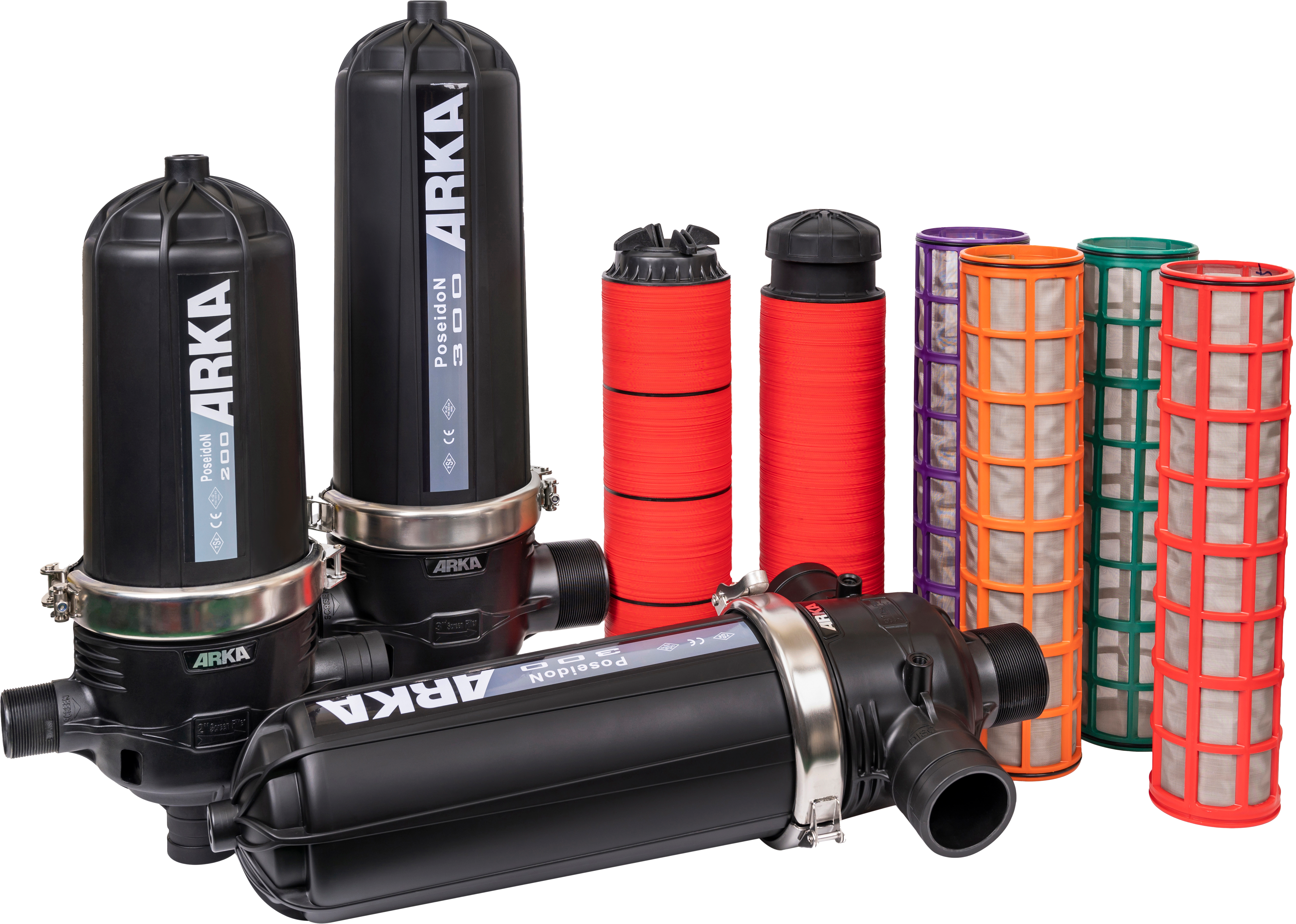
In stark contrast to gas-purifying pneumatic elements, liquid systems handle entirely different physical dynamics. Devices like a disc filter use stacked, grooved rings to extract suspended solids and grit from water streams. They operate under vastly different hydrostatic pressures and fluid viscosities.
| Specification Parameter | Locomotive Air Replacement 2914-9304-00 | Advanced T-Type Liquid Filtration |
|---|---|---|
| Primary Application | Pneumatic gas purification for compressors | Agricultural and industrial water treatment |
| Filtration Media | Pleated synthetic and paper blend | Stacked grooved plastic discs 120 mesh 130 micron |
| Flow Dynamics | High-velocity air volume handling | High flow rate liquids up to 100 m³/h |
| Structural Design | Reinforced cylindrical cartridge | T-type structure with large flow area |
| Max Operating Pressure | Variable based on compressor stage | Up to 10 bar continuous pressure |
Constructed for maximum efficiency in complex pipeline networks, perpendicular housings protect delicate downstream pumps from destructive debris. Specifically, a high-performance t-type filter features a large flow area and a 130-micron rating. Investing in this technology proves just as critical to operational success as maintaining the massive air intake on a locomotive compressor.
How do you choose the right component? Stop guessing and use a strict baseline. First, verify the flow rate capacity. An undersized unit will choke your system. Second, check the micron rating. For liquid systems, a 130-micron disc setup is standard for industrial grade water clearing. Third, evaluate the structural integrity. Does it feature a T-type structure for easy flushing? Finally, always cross-reference the original part numbers. Confirm the dimensions match your existing housing perfectly to eliminate costly downtime.
When gauge needles dip unexpectedly, diagnosing the root cause is imperative. Technicians must quickly determine whether the pressure drop stems from a heavily soiled intake element or points to a severe mechanical malfunction. Worn piston rings or a failing discharge valve often mimic intake restrictions.
If an element is installed haphazardly, unfiltered ambient air bypasses the protective barrier entirely. Torn media or an improperly seated rubber gasket are common culprits. Addressing this immediately is paramount. Failure to do so allows microscopic grit to score the cylinder walls. This ultimately destroys the compressor engine from the inside out.
Ultimately, the filter atlas copco 2914-9304-00 air replacement locomotive 90 series stands as an indispensable guardian of compressor health within rigorous industrial contexts. Proactive maintenance saves thousands in avoidable repairs. Whether you are managing high-velocity pneumatic flows or dense liquid streams, selecting a high-grade industrial filter is non-negotiable. Inspect your equipment today. If your facility requires robust liquid purification solutions, explore the advanced T-Type structures and high flow rate options at ARKA Irrigation to ensure your infrastructure operates with relentless reliability.
Typically, this component should be swapped out every 2,000 to 4,000 operating hours. However, this interval heavily depends on environmental conditions. Locomotives traversing highly dusty or arid regions will necessitate much more frequent changes to maintain efficiency.
It is strongly advised to replace rather than attempt to wash or blow out pleated media. Blasting the unit with pressurized air often induces microscopic tears in the fabric. This inadvertently allows abrasive contaminants to bypass the barrier and wreak havoc on internal components.
Always cross-verify the specific alphanumeric part number directly within your equipment's official service documentation. You can also consult a certified supplier who utilizes a continuously updated cross-reference database to ensure exact compatibility.
Absolutely. Pneumatic elements are specifically tailored to extract dry particulates from high-velocity gas streams. Conversely, liquid-based systems feature grooved discs or screens designed to capture organic matter and heavy sediments from water. This prevents devastating clogs in agricultural drip lines and municipal pipes.
If you have recently installed a new unit and continue to experience performance drops, immediately inspect the housing seal for vacuum leaks. Additionally, examine the compressor valves and downstream piping for hidden blockages or mechanical wear.
A complete failure allows raw, unfiltered air loaded with silica, metal shavings, and soot to enter the compression chamber. This abrasive mixture acts like sandpaper on the cylinder walls and piston rings. It leads to rapid loss of compression, extreme overheating, and eventual catastrophic engine seizure.
Selecting the correct micron rating requires analyzing the specific application. For pneumatic compressors, you typically need a fine rating between 5 to 10 microns to protect tight mechanical tolerances. For high-flow industrial liquid applications, a 120 mesh or 130-micron rating is generally optimal. It balances thorough debris removal with necessary flow rates.


