
Views: 0 Author: Site Editor Publish Time: 2026-10-10 Origin: Site


Picture this: you are at the absolute peak of the growing season, and suddenly, your crop yields are threatened by severely clogged emitters. Drawing from dirty water sources frequently leads to expensive, unexpected system downtime. This forces maintenance crews into a constant loop of reactive troubleshooting. Resolving this exact hydraulic bottleneck is where an automatic disc filter 52mm proves its true engineering worth.
In this comprehensive guide, we will dive deep into the mechanics of fine water filtration. You will learn about precise mesh sizing and explore the fluid dynamics behind self-cleaning mechanisms. Ultimately, you will discover why upgrading your plumbing infrastructure can drastically reduce daily operational expenditures.
An automatic disc filter 52mm acts as a specialized fluid purification device engineered for rigorous agricultural and industrial applications. The 52mm designation typically refers to the internal diameter or the equivalent two-inch connection size. This specification ultimately dictates the maximum volumetric flow capacity of the individual unit.
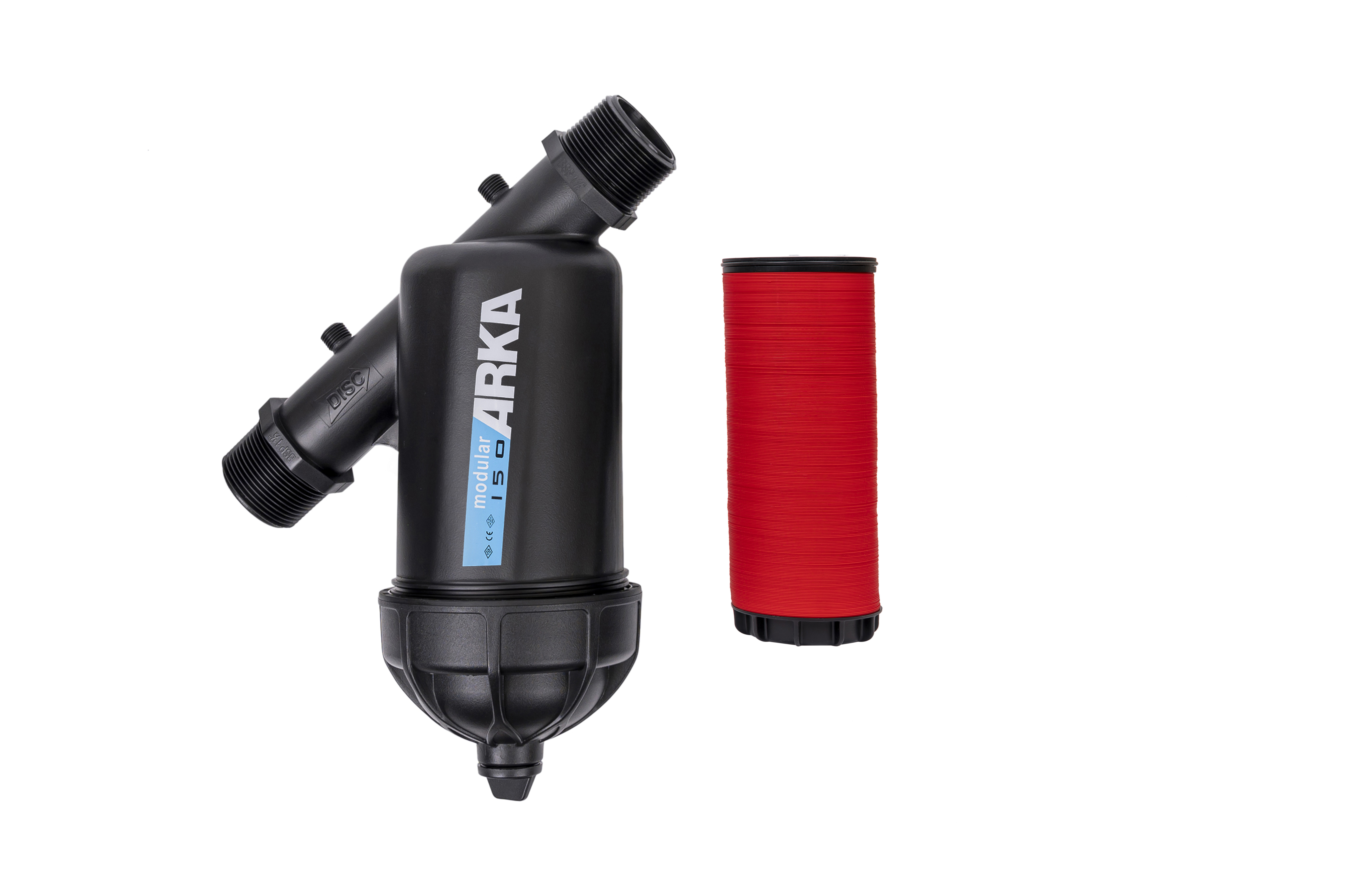
At its core, the filtration mechanism completely abandons traditional metal mesh screens. Instead, it consists of hundreds of synthetic, color-coded rings stacked tightly on a central telescopic spine. Each disc is manufactured with microscopic diagonal grooves. When mechanically compressed by spring and water pressure, these intersecting grooves create a complex, three-dimensional matrix. As raw water is forced from the outside of the cylinder to the inner core, it must navigate this tortuous path. Suspended solids are subsequently trapped deep within the disc stack.
The primary operational advantage lies in the automatic designation. Traditional manual filters force field operators to shut down the primary pump, dismantle the housing, and physically scrub the elements. In stark contrast, automated systems utilize differential pressure sensors. When debris accumulates and restricts flow, the sensor detects the downstream pressure drop. It then triggers a self-cleaning backwash sequence entirely without human intervention.
The physical geometry of the filter housing plays a critical role in fluid dynamics. Specifically, the Y-type disc filter features an element that sits at a strategic angle to the main water flow. This specific hydrodynamic design significantly minimizes head loss across the manifold. Water flows much more naturally through the angled chamber compared to the harsh right-angle turns found in older T-type legacy filters.
In practical field terms, the Y-shape allows a maintenance technician to easily unscrew the end cap and access the internal spine for annual winterization. This is accomplished without needing to unbolt the entire filter body from the heavy plumbing infrastructure. Constructed from durable, glass-reinforced polymers, these housings fiercely resist corrosion from harsh agricultural chemicals and environmental UV degradation.
Space constraints remain a common engineering hurdle in modern pump houses, greenhouse manifolds, and field-edge irrigation setups. A compact disc filter addresses this exact issue by maximizing the filtration surface area within a minimal physical footprint. By stacking the grooved discs, mechanical engineers achieve a massive effective dirt-holding capacity. Achieving this same capacity previously required a significantly larger, cumbersome sand media tank. This compactness ensures that high-capacity water treatment can be integrated precisely where it is needed.
Moving beyond the physical housing, we must examine the internal media. In the realm of fluid filtration, the terms mesh and micron are utilized to quantify the microscopic size of particles a filter can successfully intercept. Mesh refers to the number of openings per linear inch of the filter medium. Conversely, a micron is a metric unit of length equal to one-millionth of a meter. As the mesh number increases, the physical size of the openings decreases, leading to finer water purification.
Selecting the correct mesh size is a foundational engineering decision. If the matrix is too coarse, abrasive particles will pass through and permanently clog downstream equipment. However, if it is too fine for the specific water source, the system will backwash excessively. This wastes valuable flush water and electrical pump energy.
For precision agriculture and delicate industrial spray nozzles, the 120 mesh disc is universally recognized by agronomists as the gold standard. A 120 mesh rating corresponds to approximately 130 microns.
To fully grasp why this specific size is non-negotiable, one must examine the downstream equipment. Modern drip emitters feature extremely narrow, labyrinth-like flow paths designed to strictly regulate water output. These microscopic orifices are highly susceptible to blockages from fine silt, sand, and biological growth. The 120 mesh sizing traps particles just before they reach a size that could bridge and block an emitter orifice. In standard industry practice, these specific discs are color-coded red for immediate visual identification during manifold assembly.
Different water sources inherently demand varying levels of filtration aggressiveness. It is absolutely essential to match the disc grade to the specific environmental challenge you are facing on-site.
| Filtration Grade | Typical Mesh Size | Approx. Micron Size | Disc Color Code | Primary Application |
|---|---|---|---|---|
| Coarse | 40 Mesh | 400 Microns | Blue | Pre-filtration for heavy sand, deep well water |
| Medium | 80 Mesh | 200 Microns | Yellow | Standard impact sprinkler systems, moderate debris |
| Fine | 120 Mesh | 130 Microns | Red | Micro irrigation, drip tape, greenhouse foggers |
| Super Fine | 140+ Mesh | 100 Microns | Black/Green | Specialized industrial cooling, ultra-fine misting |
When drawing raw water from highly turbulent rivers or shallow, sandy wells, coarse filtration is often utilized as a primary stage to knock out large inorganic debris. Nevertheless, for the final, absolute protection of sensitive micro-irrigation lines, fine filtration via a 120 mesh element is mandatory to ensure system longevity.
The operational reliability of an automatic disc filter 52mm relies entirely on its automated self-cleaning sequence. This intelligent mechanism ensures the manifold can handle continuous, heavy sediment loads without suffering from total flow restriction. The process is elegantly divided into two distinct hydraulic phases.
During standard operation, raw water enters the filter housing and is directed to the outer perimeter of the stacked discs. A specialized spring mechanism, operating in tandem with the hydraulic pressure of the incoming water, compresses the discs tightly together. Water is aggressively forced to flow from the outside of the stack to the hollow inner core. As it navigates the intersecting grooves, suspended solids are trapped. Clean, filtered water then exits through the central spine and continues its journey downstream to the field.
As trapped debris accumulates, it creates a physical barrier that restricts water flow. This causes the pressure on the outlet side of the filter to drop. Instead of a technician wading through a muddy pump house at midnight to manually scrub a blinded screen, the system handles the issue autonomously.
First, a differential pressure switch continuously monitors the inlet and outlet pressure. When the variance hits a pre-set threshold, usually around seven psi, the controller initiates the cycle. An automated hydraulic valve alters the flow direction. The raw water inlet is temporarily closed, and the drain valve snaps open.
Subsequently, clean water is forced in reverse from the inner core to the outside of the discs. This hydraulic pressure releases the spring tension, allowing the discs to separate slightly. High-velocity jets spray outward, causing the loosened discs to spin rapidly. The centrifugal force of the spinning discs, combined with the reverse water flow, violently dislodges the trapped matter. This dirty slurry is immediately flushed out through the open drain valve. After a brief fifteen-second cycle, the valves return to their original positions, the discs recompress, and standard filtration seamlessly resumes.
Agricultural and industrial operators frequently face the daunting challenge of utilizing lower-quality water sources. Effluent water from fish farms, reclaimed municipal wastewater, and algae-heavy pond water present severe operational hazards. Traditional static filters quickly blind over in these gelatinous conditions, requiring constant manual scrubbing.
The automatic backwashing mechanism directly neutralizes this biological threat. By utilizing depth filtration to capture soft organics and relying on pressure sensors to trigger frequent, short cleaning bursts, the system prevents biological matter from permanently embedding in the media.
When designing a water treatment manifold, engineers must choose between two primary mechanical filtration technologies: screen filters and disc filters. While both serve to remove suspended solids, their physical mechanisms and ideal application environments differ drastically.
Screen filters utilize a woven stainless steel or plastic mesh to intercept debris. This is known as surface filtration, meaning the dirt is trapped on a single, two-dimensional plane. They are highly effective at stopping rigid, inorganic particles such as sand. Because the mesh is a single layer, water passes through quickly. However, screen filters possess a fatal vulnerability to organic matter. When exposed to algae or biological slime, these soft materials are extruded directly into the mesh holes by the water pressure, effectively blinding the screen. Once blinded by organics, automated backwashing is often insufficient.
In contrast, disc filters utilize the stacked, grooved rings to create depth filtration. Instead of a single plane, water must navigate a three-dimensional path. This depth allows the filter to capture and hold significantly more debris before requiring a cleaning cycle. More importantly, the three-dimensional structure is exceptional at trapping soft, gelatinous organic matter without allowing it to extrude through to the clean side. During the backwash cycle, the physical separation and spinning of the discs completely release this sticky organic matter.
While standard screen filters often present a lower initial capital expenditure, they carry exceptionally higher long-term operational costs due to maintenance when dealing with typical surface water. For precision applications, an automatic disc system is vastly superior. Its unique ability to handle fluctuating organic loads without manual intervention makes it the definitive choice as a micro irrigation filter, providing absolute protection for expensive downstream drip lines.
Recent market analyses and agricultural engineering reports highlight a massive, global shift in fluid management strategies. As freshwater scarcity intensifies, agricultural operations and industrial cooling facilities are increasingly forced to rely on alternative sources. Reclaimed wastewater, brackish well water, and secondary effluent are becoming the new standard. Consequently, these alternative water sources carry significantly higher total suspended solids and biological loads.
To adapt, the industry is moving rapidly away from manual surface filtration toward automated, smart depth filtration. Modern agronomy demands precision. The integration of IoT-enabled differential pressure sensors with 52mm disc manifolds allows facility managers to monitor backwash frequencies in real-time. This data-driven approach not only conserves flush water but also predicts changes in water source quality. Heavy reliance on 130-micron depth filtration proves that automated disc technology is now a critical cornerstone of sustainable water infrastructure.
Transitioning from outdated manual filtration methods to a fully automated system represents a massive upgrade in operational efficiency. For facility managers, the initial capital investment is rapidly offset by long-term reductions in daily operational expenditures.
One of the most documented pain points in managing high-volume water systems is the grueling labor required for manual filter maintenance. In environments with high organic loads, a technician might need to dismantle and scrub a filter several times a week. By integrating an automatic self-cleaning mechanism, this labor requirement drops to near zero. The system cleans itself precisely when needed, allowing personnel to focus on critical infrastructural tasks.
Resource conservation remains a critical metric for modern farms. Older sand media backwashing systems often consume excessive amounts of water to agitate and flush out trapped debris. Modern automated disc systems, however, are engineered for rapid efficiency. The backwash cycle typically lasts only fifteen to twenty seconds per pod, utilizing a minimal volume of water. Furthermore, the hydrodynamic design minimizes head loss, meaning primary pumps consume less electrical energy to push fluid through the matrix.
Agricultural systems frequently utilize fertigation, which is the injection of liquid fertilizers and harsh soil amendments directly into the irrigation water. These acidic chemicals rapidly degrade standard carbon steel filters. High-quality engineered plastics, like glass-reinforced polyamides, ensure total immunity to rust, oxidation, and chemical degradation. This guarantees a long operational lifespan even in harsh chemical environments.
The versatility and automated reliability of these filtration units make them indispensable across various sectors that simply refuse to compromise on water quality.
In precision agriculture, water and nutrients are delivered directly to the root zone. Implementing a reliable automated disc system ensures that silt, algae, and undissolved fertilizer granules are intercepted before they can compromise the delicate irrigation network. This is equally critical in modern greenhouse setups utilizing high-pressure foggers for climate control, where orifice sizes are microscopic.
Furthermore, industrial cooling towers act as massive air scrubbers, pulling airborne dust, pollen, and debris into the cooling water loop. Over time, this particulate matter causes severe scaling and fouling in delicate heat exchangers. Implementing a compact disc filter on a side-stream loop continuously removes these contaminants, drastically reducing the need for aggressive chemical water treatments.
Selecting the correct filtration equipment requires a careful, calculated analysis of site-specific variables. An undersized filter will backwash frantically, wasting water and causing excessive mechanical wear on the valves.
When specifying a system, engineers must evaluate the peak flow rate first. The manifold must be sized to handle the maximum anticipated flow, not just the daily average. Proper sizing ensures the velocity of the water passing through the discs remains optimal, preventing debris from being forced through by sheer pressure. Secondly, evaluate the water source quality. Systems drawing from poor-quality surface ponds should be oversized by twenty percent to comfortably accommodate the higher frequency of backwashing required.
Even the most advanced filtration manifold will underperform if installed carelessly. Always install the filter downstream of the primary pump but firmly upstream of any fertigation injection units. This prevents undissolved fertilizer from clogging the discs. Additionally, the backwash manifold must be connected to a drainage line sized appropriately to handle rapid, high-volume discharge without creating backpressure. Finally, always install a high-quality kinetic air release valve at the highest point of the manifold to prevent destructive water hammer during the rapid valve shifts of the backwash cycle.
Depth filtration offers unmatched, robust reliability for complex fluid management systems. By abandoning outdated manual scrubbing in favor of automated, pressure-triggered backwashing, facility managers save countless hours of labor and significantly reduce maintenance costs.
An automatic disc filter 52mm ensures consistent, flawless performance regardless of fluctuating water conditions. By equipping your manifold with a precisely engineered 120 mesh disc, you provide absolute protection for delicate downstream equipment, from agricultural drip tape to industrial heat exchangers. Evaluate your current water quality challenges today, and consider upgrading your infrastructure to a smart, self-cleaning configuration to secure better operational efficiency for years to come.
A 120 mesh designation indicates that there are 120 microscopic openings per linear inch of the filtration matrix. In absolute sizing, this equates to a filtration grade of approximately 130 microns. In practical applications, this is the optimal threshold for trapping fine silt, sand, and organic particulates, ensuring precision spray nozzles and emitters never clog.
Yes, it is exceptionally effective at handling heavy biological loads. Unlike standard two-dimensional screen filters, which rapidly plug and blind over when exposed to stringy algae, the disc filter utilizes three-dimensional depth filtration. The stacked structure traps organic matter throughout the depth of the plastic rings. During backwashing, the discs decompress and spin, easily shedding the accumulated algae out through the flush valve.
The frequency of the backwash cycle is entirely dependent on the real-time quality of the incoming water and the volume of suspended solids. The system does not operate on a rigid, blind timer. Instead, it is dynamically triggered by a pressure differential switch. When debris restricts flow and causes a pressure drop of roughly seven psi, the system automatically triggers a highly efficient short cleaning cycle.
Extremely easy. The hydrodynamic Y-shaped body is engineered specifically for user-friendly maintenance. If an annual visual inspection or manual winterization is required, the angled design allows technicians to quickly unscrew the primary cover and slide out the internal disc spine. This is accomplished without having to unbolt the heavy filter housing from the main plumbing manifold, drastically reducing physical strain and downtime.


