
Views: 0 Author: Site Editor Publish Time: 2026-10-24 Origin: Site


Every fluid system eventually faces contamination. When high-volume, low-quality inputs flood a network, the entire system clogs. This engineering principle perfectly describes the current state of digital art communities. Users face a massive influx of synthetic images. Finding genuine human-made art feels like pumping fluid through a blocked pipe. Default algorithms routinely push high-volume uploads to the front page. How do you clean this stream? We must implement a multi-stage filtration approach. Let us examine built-in settings, tag muting, and third-party tools to help you regain control.
To understand this digital ecosystem, we must analyze the initial influx. Synthetic media generators flooded the internet rapidly. DeviantArt naturally became a primary collection point for these rapid-fire generations. Consequently, the sheer volume of these posts buries traditional artists. These creators spend days on a single piece. The algorithm cannot differentiate between effort and output.
Beyond the simple issue of volume, users experience a jarring uncanny valley effect. Bizarre anatomical errors disrupt the viewing experience. Furthermore, significant ethical concerns surround data scraping.
The landscape of digital art hosting is currently undergoing a massive paradigm shift. As synthetic media proliferates, the demand for human-centric digital spaces has skyrocketed. Major visual discovery platforms are transitioning from passive hosting to active curation. They are actively rolling out features to exclude synthetic content from main feeds. Community-driven forums have implemented strict moderation rules. Platforms must balance the integration of new technologies with the preservation of authentic human creativity. Those that fail to adapt will inevitably lose their core user base.
Taking advantage of official suppression tools is your first line of defense. Think of it as a coarse screen in a pipeline. It catches the largest debris but lets fine particles through. First, log into your account. Navigate to the top right corner and access your Account Settings. Look at the left-hand navigation menu. Select the Browsing tab. This area controls algorithmic permissions.
Scroll down until you locate the AI Content section. You will find a checkbox labeled Suppress AI. Checking this box instructs the algorithm to hide images flagged by the uploader as synthetic. It is a straightforward tweak. However, it serves as the foundational step in curating your digital space.
In a perfect scenario, the native toggle would suffice. Unfortunately, that system relies entirely on uploader honesty. To catch unmarked synthetic media, users must take a proactive approach. We need secondary filtration.
Copy and paste popular synthetic tags into your blocklist. Use terms like #ai, #aiart, #midjourney, and #stablediffusion. Adding these specific keywords ensures heavily tagged posts remain hidden. The process is highly user-friendly. Return to the Browsing settings. Find the Muted Tags input field. Type your chosen tags one by one. Hit enter after each addition. Prioritize the most ubiquitous terms first.
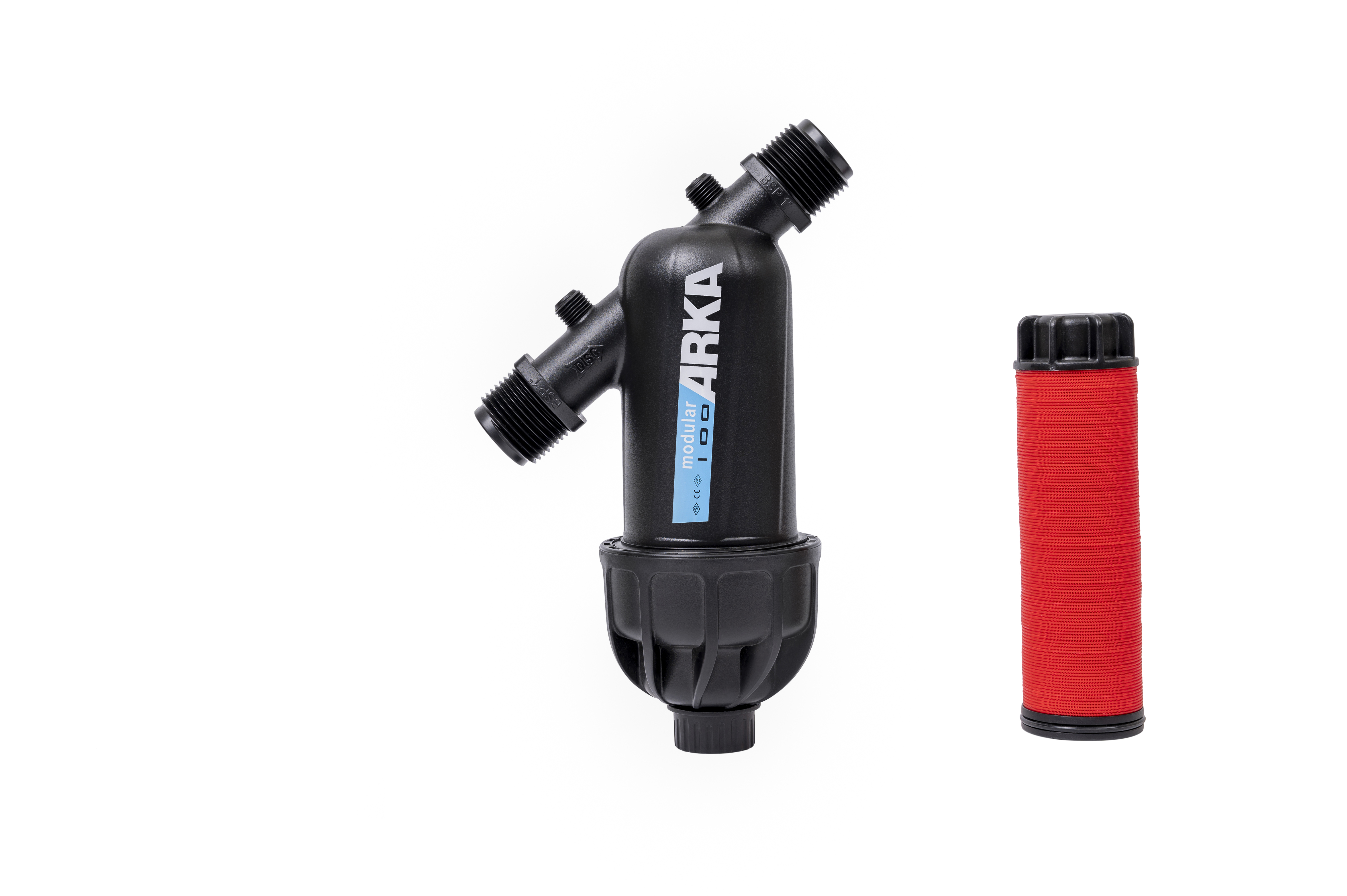
Understanding multi-layered digital curation becomes highly intuitive when we compare it to physical fluid mechanics. In agricultural settings, raw water contains sand, algae, and microscopic silt. Without a robust water filter, emitter nozzles clog rapidly. Digital feeds suffer from the exact same vulnerability. Unwanted algorithmic noise acts as digital silt.
Specifically, we can look at precision irrigation technology. A standard 1-inch plastic y-type disc filter utilizes stacked, grooved discs to trap impurities. It operates at a maximum pressure of 8 bar with a flow rate of 5 cubic meters per hour. The filtration grade reaches 120 mesh, effectively blocking particles down to 130 microns.
Your digital curation requires this exact stacked approach. The native toggle acts as the outer casing. Meanwhile, your custom muted tags function as the internal disc filter layers. Together, they catch the deceptive, unmarked content that inevitably slips through the primary screen. This layered methodology guarantees your creative mind receives clean inspiration, much like a drip irrigation filter delivers pure hydration to delicate root systems.
To make this abstract concept actionable, we must establish clear selection criteria. How do you choose the right level of protection? Review the comparison below to build your ideal setup.
| Filtration Layer | Digital Tool | Physical Equivalent | Effectiveness & Application |
|---|---|---|---|
| Primary Coarse | Native Suppress AI Toggle | Basic Screen Filter | Low effort. Catches properly tagged, high-volume uploads. Leaves unmarked content behind. |
| Secondary Precision | Custom Muted Tags | 120 Mesh Disc Filter | Medium effort. Traps specific keywords. Highly effective for categorized but unflagged posts. |
| Tertiary Deep | Third-Party Browser Extensions | Reverse Osmosis Membrane | High effort. Scans page code before rendering. Essential for zero-tolerance environments. |
Desktop users often demand a strict, zero-tolerance browsing environment. When native tools fail to catch fine digital debris, third-party solutions offer an aggressive alternative. Developers have created powerful browser extensions designed to actively scan webpage code.
These add-ons hide specific keywords hidden deep within titles before the page fully renders. In contrast to standard settings, these tools offer a highly customizable experience. Always ensure you download extensions directly from official web stores. Maintaining cybersecurity is just as critical as maintaining a clean feed.
Protecting your own original creations from data harvesting is crucial. Shifting focus to the creator's perspective reveals another layer of defense. The platform introduced a specific metadata flag as an automated opt-out mechanism.
By navigating to your account settings, you can apply a blanket directive to your entire gallery. This metadata explicitly tells automated web scrapers that your artwork is off-limits for machine learning datasets. While this represents a positive step, it possesses practical limitations. The directive relies heavily on the compliance of external data companies during their scraping operations.
Reclaiming your digital gallery demands a rigorous, multi-layered approach. Utilizing the native suppression toggle, manually muting high-traffic tags, and deploying robust extensions effectively cleans your feed. Technology continues to evolve rapidly. However, users retain the ultimate power to engineer their digital spaces. Update your settings today to secure a more authentic browsing experience.
If you are managing actual fluid systems and require reliable impurity removal, precision matters. Evaluate your flow rate and pressure requirements carefully. Choose a professional filtration solution tailored to your exact specifications. Visit ARKA Irrigation to find the specific brand and product parameters that perfectly match your agricultural or industrial demands.
No. The primary feature relies entirely on users properly labeling their uploads. Unlabeled or deceptively tagged media will still slip through the primary screen. Manually muting tags remains highly recommended for a thoroughly cleaned feed.
Yes, you absolutely can. The most effective method involves adding specific terms directly to your Muted Tags list. This precision targeting functions like a fine mesh screen.
Some users intentionally avoid tagging their uploads to bypass community guidelines and gain visibility. In these persistent cases, your most immediate option is to manually block the specific user account responsible for the debris.
Yes. When you identify an account dedicated entirely to high-volume synthetic uploads, you can navigate to their profile and select the block user option. This severs all algorithmic connection to their future posts.
The sheer scale of digital networks makes manual moderation impossible. Furthermore, the rapid evolution of technology outpaces policy creation. Platforms attempt to balance open hosting with user curation tools.
Yes. Your account settings sync globally across your profile. Any structural changes you make on a desktop browser will automatically apply to your mobile feed.
Physical tools clean tangible resources in the real world. Digital browser extensions and keyword blockers act as the ultimate defense for your web browser. They catch unwanted algorithmic content and code-level debris before it ever has the chance to render on your screen.


