
Views: 0 Author: Site Editor Publish Time: 2026-10-17 Origin: Site


The relentless click, hum, and whoosh of an irrigation system locked in a continuous cleaning cycle is more than just a nuisance. As an irrigation engineer, I see this specific issue drain farm profitability every single season. While self-cleaning mechanisms are brilliantly engineered to protect downstream emitters, an automatic disc filter that flushes relentlessly wastes massive volumes of water. Worse, it triggers severe pressure drops across your entire agricultural network.
Backwashing is a normal and essential function of any robust irrigation setup. However, continuous cycling is a major operational red flag. It typically indicates that the filtration equipment is overwhelmed by suspended debris, improperly configured at the controller level, or suffering from a hidden mechanical fault preventing a complete purge.
This technical guide serves as the ultimate resource for troubleshooting hydraulic filtration systems. By exploring the fundamental mechanics of the equipment and understanding the critical role of pressure differentials, operators can pinpoint root causes efficiently. Read on to discover actionable diagnostic steps that will help you save water, protect vital pump components, and restore your fields to peak performance.
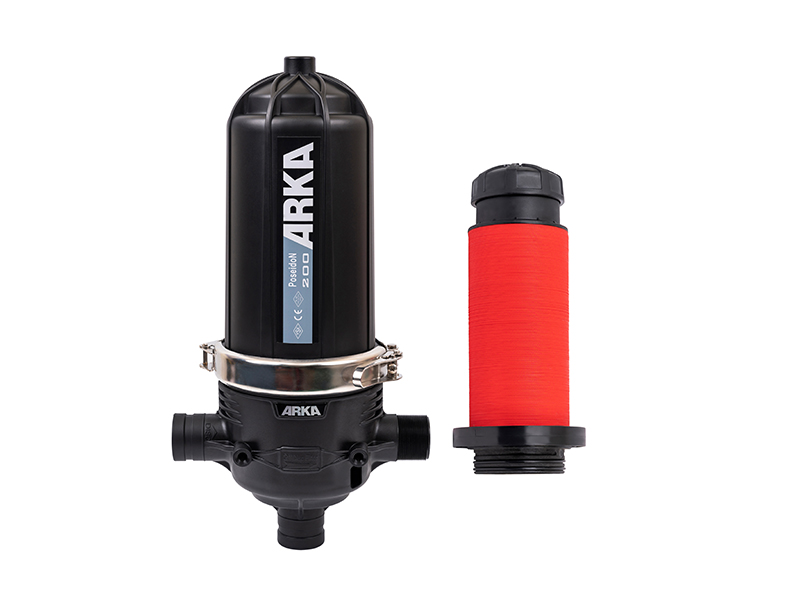
To properly diagnose a malfunctioning system, you must first grasp its baseline operation. An automatic filtration unit utilizes a stack of tightly compressed, color-coded synthetic discs. As raw water pushes from the outside of the disc cylinder to the inside, microscopic intersecting grooves trap organic matter, sand, and mineral particulates.
When the controller determines that the discs are dirty, it initiates a backwash cycle. During this brief phase, the central spine holding the discs decompresses. This allows the plastic rings to separate slightly. Simultaneously, high-pressure clean water is forced in reverse from the inside of the stack to the outside. This reverse flow creates a violent centrifugal spinning action that aggressively flushes the trapped debris out through a dedicated drainage valve.
Understanding this precise mechanical sequence is the foundational step in effective diagnostics. Specifically, if the decompression spring fails, or if the reverse flow lacks sufficient velocity to spin the discs apart, the trapped dirt remains glued in place. The system simply cannot clean itself, leading to a continuous, ineffective loop of cleaning cycles.
The concept of differential pressure, commonly known as DP, acts as the central nervous system of any self-cleaning setup. In practical terms, DP is the measurable gap in water pressure between the inlet dirty side and the outlet clean side of the housing.
This pressure gap is monitored continuously by a DP switch or electronic sensor. When the filter discs are perfectly clean, water flows freely, making the pressure difference negligible. However, as debris accumulates on the outer edges of the discs, it restricts water flow. This restriction causes the outlet pressure to drop while the inlet pressure remains constant or spikes, resulting in a rising differential pressure.
Most industrial and agricultural controllers are programmed with a specific DP trigger point. This is usually set between 5 to 7 psi, or roughly 0.35 to 0.5 bar. Once the sensor detects that this threshold has been breached, it signals the hydraulic controller to initiate a flush. Furthermore, if the DP sensor is clogged with mud, mechanically faulty, or calibrated too low, it will continuously trick the system into registering a false clog.
Before you start tearing apart hydraulic valves with a wrench, it is crucial to systematically identify the most common culprits behind erratic system behavior.
Water sources are rarely static. Recent agricultural industry analyses highlight a growing challenge for modern growers. Prolonged seasonal droughts are significantly lowering aquifer levels globally. Consequently, well pumps are pulling far more abrasive sand and fine silt than they did just a decade ago. Concurrently, rising average surface temperatures are accelerating biological slime and algae blooms in open reservoirs.
These environmental shifts mean irrigation systems are handling unprecedented, unpredictable debris loads. What used to be a standard filtration schedule can quickly turn into a nightmare of continuous flushing if the system is not adapted to these harsher realities. Sticky organic matter is notoriously difficult to dislodge and often requires manual intervention.
If the DP switch is calibrated with too narrow of a margin, the system will initiate a flush at the slightest hint of microscopic debris. For example, triggering at 2 psi instead of the recommended 7 psi guarantees a constant loop of unnecessary cleaning. This hypersensitivity wastes water without actually improving flow.
For the reverse-flow mechanism to work, the system must maintain a minimum dynamic pressure during the flush cycle. This is typically 30 to 40 psi depending on the brand. If the pressure drops too low, the discs will not spin apart. The debris remains trapped, the DP remains high, and the system immediately triggers another backwash the moment it returns to standard operation.
Beyond mechanical failures in the main housing, the hydraulic commands that open and close the flush valves rely on a small internal command filter. If this tiny filter clogs, or if the electrical solenoid valve sticks in the open position, the system loses its ability to regulate the backwash valves properly. This leads to continuous draining.
Follow this objective, actionable diagnostic protocol to isolate and resolve issues within your irrigation network. Stop guessing and start testing.
Step 1: Manually Trigger a Backwash Cycle. Begin by forcing a manual backwash via the electronic controller. Observe the physical output of the flush water. Is the water heavily soiled, or is it running completely clear? Most importantly, observe the pressure gauges after the cycle finishes to see if the inlet and outlet pressures equalize properly.
Step 2: Inspect the Pilot Tubes. Carefully detach the high and low-pressure sensing tubes connected to the DP switch. These narrow tubes frequently become obstructed by fine silt or biological growth. Clear any blockages using compressed air or a thin wire.
Step 3: Verify Dynamic Pressure. Monitor the system pressure gauge precisely at the moment the backwash cycle engages. Ensure the dynamic pressure meets the minimum requirement to decompress the filter spine. If the pressure drops too low during the flush, you may need to adjust a downstream sustaining valve to hold sufficient pressure back in the manifold.
Step 4: Test the Electrical Components. Utilize a multimeter to test the electrical continuity of the solenoid coils. Manually actuate the hydraulic relays to ensure they are fully opening and closing the drainage valves without hesitation or leaking.
To streamline your maintenance process, refer to this quick-reference diagnostic table. It bridges the gap between common symptoms and actionable engineering fixes.
| Observed Symptom | Probable Root Cause | Actionable Engineering Fix |
|---|---|---|
| Controller flushes every 5 minutes | DP switch calibrated too low or pilot tubes blocked | Clean sensing tubes and reset DP threshold to 5-7 psi (0.35-0.5 bar). |
| Discs remain dirty after a full flush cycle | Dynamic backwash pressure is below 30 psi | Install or adjust a downstream pressure sustaining valve. |
| Water constantly leaks from the drain manifold | Solenoid valve stuck open or debris in the command filter | Flush the command filter; replace the damaged solenoid coil. |
| Discs are glued together with a slimy residue | Severe algae bloom in the water source | Perform a manual chemical soak using a mild bleach solution. |
Once your diagnostic process is complete and the root cause is identified, implement the following targeted solutions to protect your crops and equipment.
When dealing with exceptionally harsh water, a single filtration stage may not suffice. If your well contains heavy sand, install a hydrocyclone sand separator upstream to catch heavy particulates. For severe pond algae issues, implementing chemical pre-treatments will break down organic matter before it ever reaches the disc stack.
Discs suffering from permanent fouling require restorative chemical cleaning. For calcium and iron mineral scale, extract the discs and soak them in a 10 percent hydrochloric acid solution until the bubbling stops. Always utilize proper personal protective equipment and rinse the components thoroughly with fresh water before reinstallation.
If your current setup is fundamentally undersized for your flow rate, no amount of maintenance will stop the constant cycling. Upgrading is the most logical long-term financial decision. For instance, implementing a robust 2-Inch Self-Cleaning Disc Filter for Drip Irrigation from Arka provides a highly reliable self-cleaning mechanism.
When sizing a new unit, look for specific industrial parameters. A high-quality 2-inch unit should comfortably handle a maximum flow rate of 20 to 25 cubic meters per hour. It should feature a durable polyamide housing engineered to withstand harsh agricultural environments, and offer precise 120-mesh or 130-micron filtration grades. By matching these exact specifications to your field's demands, you effortlessly handle heavy dirt loads without falling into endless operational loops.
Allowing a filtration system to cycle endlessly goes beyond mere annoyance. It has measurable economic and agronomic consequences that severely impact your bottom line.
Every unnecessary flush cycle discharges tens to hundreds of gallons of usable water. Over a single growing season, frequent backwashing equates to massive volumetric waste. This is particularly detrimental in drought-prone regions subject to strict agricultural water allocations. Furthermore, constant cycling forces booster pumps to work continuously to rebuild lost system pressure. This erratic, heavy-load pump behavior drastically drives up electrical or diesel fuel costs.
In the field, frequent flushing interrupts the steady flow of water to downstream drip emitters. This translates to uneven water distribution across the crop rows, leading to localized drought stress and potential yield loss. Hydraulic components are rated for a specific number of actuations. When solenoids and heavy-duty internal decompression springs actuate ten times more frequently than engineered, they will suffer premature mechanical failure.
An automatic filter is an incredible piece of irrigation technology designed to save time and protect your investment. However, frequent cycling means your system is crying out for help. By understanding the mechanics of the flush cycle and monitoring differential pressure, you can solve many common problems quickly and efficiently.
Always ensure adequate backwash pressure for proper cleaning, and never skip routine manual disc maintenance to prevent irreversible clogging. Audit your system today for optimal irrigation performance. If you find that your equipment is undersized or beyond repair, do not hesitate to upgrade. Explore Arka's advanced range of self-cleaning disc filters to guarantee a reliable, low-maintenance watering season and protect your crop yields.
Operating frequency depends entirely on the quality of the source water and the system flow rate. Typically, a properly sized system processing moderate water will backwash anywhere from once every few hours to once per day. If the controller is initiating a cycle every 10 to 15 minutes, it indicates a critical system fault or an overwhelming debris load.
While exact specifications vary slightly by manufacturer, standard industry practice recommends setting the DP switch to trigger a cleaning cycle at approximately 5 to 7 psi above the baseline pressure of a completely clean filter. Setting it lower causes unnecessary hyper-cycling, while setting it higher risks collapsing the disc stack entirely.
Yes. Excessive and continuous cycling causes premature mechanical wear. The hydraulic command valves, electrical solenoids, and the heavy-duty decompression spring located inside the filter spine will degrade much faster than their projected lifespan if they are forced to actuate constantly.
This frustrating scenario usually occurs for three reasons. First, the dynamic backwash pressure is too low to physically separate and spin the discs. Second, the discs are glued together by sticky biological matter that the water cannot dislodge. Third, the DP sensor tubes are physically clogged with mud, sending false high-pressure readings back to the controller.
You must manually intervene. Depressurize the system, remove the discs from the central spine, and soak them in a restorative bath. Use a 10 percent hydrochloric acid solution to dissolve hard mineral scale, or a mild bleach solution to break down algae and biological buildup. Always rinse the components thoroughly before placing them back into active service.
A standard backwash cycle typically uses between 10 to 30 gallons of water per filter pod, depending on the size and duration. If a system is malfunctioning and flushing every 15 minutes, a standard agricultural setup can easily waste thousands of gallons of treated, pressurized water in a single week, severely impacting operational costs.
When properly maintained and sized correctly, a high-quality commercial disc filter housing and internal spine can last 10 to 15 years. However, wearable components like synthetic discs, rubber O-rings, and electrical solenoids typically require replacement every 3 to 5 years depending on water harshness and usage frequency.


