
Views: 0 Author: Site Editor Publish Time: 2026-10-21 Origin: Site


Are clogged drip emitters ruining your crop yields? Manual filter cleaning wastes valuable farming hours. It often leaves you standing in a muddy pump house scrubbing components when you should be managing your fields. Poor water quality constantly threatens sensitive micro-irrigation systems. You need reliable protection without incurring exorbitant labor costs.
In this comprehensive guide, you will discover how a semi-automatic filtration system bridges the gap between labor-intensive manual methods and highly expensive automated setups. We will explore the underlying mechanics, compare performance against traditional media, and identify the exact scenarios where this upgrade makes financial sense.
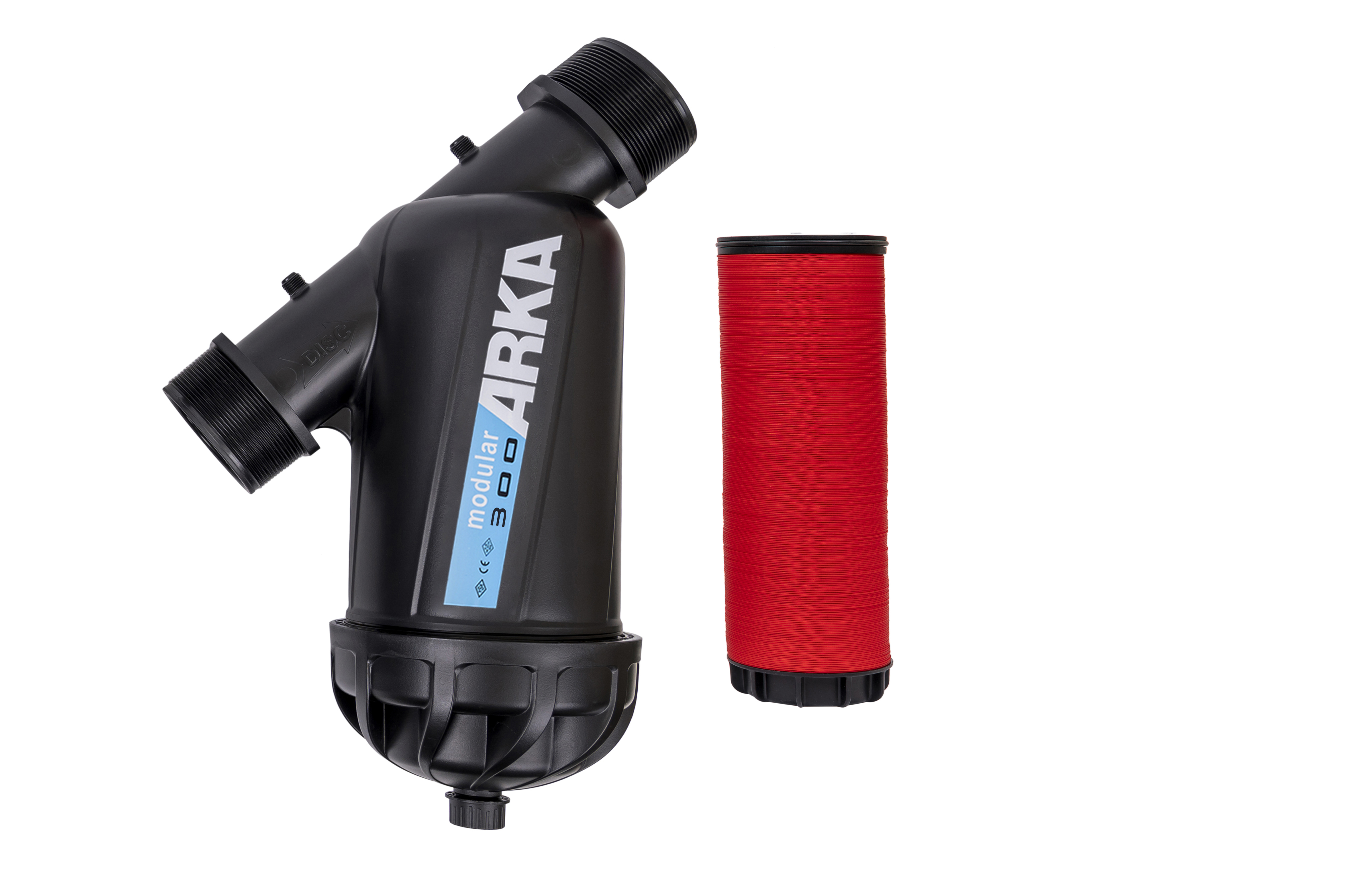
A semi-automatic disc filter is an advanced agricultural water filtration device engineered to safeguard irrigation infrastructure from particulate contamination. Unlike basic mesh screens that rely on a single flat surface, this device utilizes a tightly stacked column of color-coded and grooved synthetic rings. When compressed tightly together within the high-density housing, these intersecting grooves create a complex, three-dimensional matrix. This matrix effectively captures suspended solids of varying sizes.
The core principle driving this technology is depth filtration. During a standard operational cycle, raw agricultural water is forced from the outer perimeter of the stacked rings toward the hollow inner core. As the water navigates the microscopic and tortuous pathways created by the overlapping grooves, debris is trapped at multiple depths within the stack. It does not just accumulate on the outer edge. Consequently, this multi-layered trapping capability allows the filter to hold a significantly higher volume of debris before experiencing a critical pressure drop. This ensures consistent and uninterrupted water flow to your thirsty crops.
The defining feature of this system is its streamlined and labor-saving cleaning mechanism. With traditional manual filters, farm workers must depressurize the mainline, wrench open the housing, extract the filter element, and scrub it by hand. It is a messy and time-consuming chore. Integrating a backflush disc filter eliminates this tedious process entirely. By simply twisting a directional valve or pulling a lever, the operator reverses the flow of water. This specific action decompresses the internal stack and forces high-pressure clean water from the inside out, spinning the rings rapidly. The resulting centrifugal force flushes the accumulated organic slime and inorganic grit out through a dedicated drain valve in a matter of seconds.
These filtration units are generally categorized by the shape of their external housing. The housing shape dictates how they tie into your plumbing network. The Y-type features a branched design that is standard in many compact and angled setups. On the other hand, the T-type disc filter configuration is frequently preferred in commercial agricultural manifolds. Its perpendicular and inline design allows for highly efficient hydraulic performance and straightforward installation along straight pipeline runs. This minimizes pressure loss caused by unnecessary pipe elbows and simplifies physical access for maintenance personnel.
Recent industry data reveals a massive transition in how mid-sized farms manage water quality. Severe droughts are forcing growers to utilize lower-quality surface water from rivers and open canals. Consequently, irrigation networks are facing unprecedented organic loads. Relying on basic mesh screens is no longer viable for these harsh conditions.
Furthermore, the ongoing agricultural labor shortage continues to drive up hourly wages. Farm managers are actively seeking middle-ground technologies to protect their bottom line. While corporate mega-farms are investing heavily in highly complex sensor-driven setups, mid-sized operations are overwhelmingly adopting semi-automatic filtration. This strategic move perfectly balances initial capital expenditure with necessary labor reduction. It provides robust mechanical reliability without the headache of electronic troubleshooting in remote fields.
Selecting the appropriate tier of filtration requires a careful analysis of your local labor costs, capital availability, and desired operational efficiency. The semi-automatic model occupies a highly strategic position in the current agricultural market.
Manual filters undoubtedly represent the lowest initial capital investment. However, their hidden costs accumulate rapidly during peak summer irrigation seasons. When drawing from surface water sources like farm ponds, manual screens can blind over in a matter of hours. Farm personnel must halt irrigation, disassemble the units, and manually scrub the elements with wire brushes. This incurs heavy labor costs while causing system downtime. Such interruptions disrupt precise fertigation schedules and negatively impact crop uniformity across the field.
An automatic disc filter represents the absolute pinnacle of irrigation protection. It utilizes pressure differential sensors and electronic controllers to initiate backwash cycles without any human intervention. While highly effective, these systems are not universally appropriate. They demand a substantial upfront capital expenditure. They also require consistent high-pressure water to trigger the hydraulic valves and need reliable electrical access. For medium-sized farms or operations situated in remote locations with unstable power grids, the sheer complexity of an automated system can introduce unnecessary points of failure.
For mid-sized agricultural operations, the semi-automatic model provides an optimal return on investment. It eliminates approximately 90 percent of the manual labor associated with filter cleaning. A worker merely needs to turn a valve for thirty seconds rather than scrubbing components for an hour. It costs significantly less than a fully automated unit and operates entirely on mechanical principles. By eliminating the need for circuit boards and solenoids, it becomes the ultimate practical choice for budget-conscious farmers who still demand high operational efficiency.
Evaluating your current field challenges is crucial for making an informed purchasing decision. Upgrading your pump house equipment is a serious investment, but certain operational red flags indicate that a change is strictly necessary.
If your farm draws water from open sources, you are undoubtedly dealing with organic matter like algae, moss, and biological slime. Standard screen filters are easily overwhelmed by soft organics. These biological loads simply smear across the wire mesh under pressure and cause rapid clogging. The deep intersecting matrix of a disc filter excels at capturing and holding these soft and deformable organic particles without immediately restricting your water flow.
Modern drip tapes and micro-sprinklers are engineered for incredibly precise water delivery. They often feature emitter pathways as small as 0.5 millimeters. These intricate microscopic pathways are highly susceptible to permanent clogging from fine sand or biological buildup. A disc filtration system provides precise micron-level protection. It ensures that only water clean enough to pass through your specific emitters enters the lateral lines. Protecting this expensive field infrastructure is absolutely essential for maintaining profitable crop yields.
Fully automated backwash systems typically require a sustained minimum pressure, often above 35 psi or 2.5 bar, to properly actuate the hydraulic valves and spin the internal components during a cleaning cycle. If your farm operates on variable speed pumps or experiences pressure drops due to steep elevation changes, automated systems may fail to clean themselves effectively. This leads to catastrophic clogging. A semi-automatic system allows the operator to manually trigger the flush only when they can visually confirm the system has adequate pressure. This guarantees a thorough and successful cleaning.
To make an objective and agronomically sound decision, it is necessary to compare disc filtration technology against the other two primary methods utilized in agricultural irrigation. Each system possesses specific hydraulic characteristics and excels under different water quality conditions.
Screen filters rely purely on surface filtration. They force water through a stainless steel or molded plastic mesh, trapping particles larger than the pore size on the surface. While highly effective for filtering hard inorganic materials like fine sand from clean well water, they often fail miserably when exposed to organic matter. Soft biological loads deform under pressure and easily extrude through the two-dimensional holes of a screen filter to eventually reach your sensitive drip emitters.
In contrast, the grooved rings of a disc filter create a tortuous path for the water. When algae enters the housing, it is caught deep within the intersecting grooves. This multi-layered trapping mechanism prevents organic extrusion entirely. When the filter reaches capacity, mechanical decompression during the flushing cycle effortlessly releases the trapped organics. Screens, on the other hand, often require aggressive manual scrubbing to remove embedded biological slime.
Sand media filters are widely considered the gold standard for extreme organic loads. They utilize large steel or fiberglass tanks filled with crushed silica or basalt to trap vast amounts of debris. However, this massive holding capacity comes with significant logistical drawbacks. Sand media systems require a massive physical footprint, heavy machinery for installation, and a highly complex array of backwash valves. More importantly, they consume a tremendous amount of water during their backwash cycles. This is a critical limitation in drought-prone agricultural regions.
A disc system offers comparable depth filtration performance to a sand media setup but in a much more compact and efficient package. The synthetic rings provide a high volume of trapping area without the excessive weight or footprint of sand tanks. Additionally, the targeted flushing process requires significantly less water and time to complete.
| Feature | Semi Automatic Disc Filter | Screen Filter | Sand Media Filter |
|---|---|---|---|
| Filtration Mechanism | Depth Filtration (3D) | Surface Filtration (2D) | Depth Filtration (3D) |
| Best Used For | Mixed organic and inorganic loads | Hard inorganic particles like sand | Heavy organic loads like algae |
| Physical Footprint | Compact to Medium | Very Compact | Very Large |
| Water Efficiency | High with minimal backwash water | High | Low due to high backwash volume |
| Initial Capital Cost | Moderate | Low | Very High |
Proper sizing and precise specification are critical to ensuring your new filtration system performs exactly as expected in the field. Purchasing a filter based solely on pipe diameter is a common and costly mistake that inevitably leads to excessive pressure loss or woefully inadequate filtration.
The primary metric for sizing your irrigation filter is the maximum volumetric flow rate of your system. You must select a housing designed to handle your peak flow without creating a pressure differential exceeding 0.5 bar when clean. For instance, a robust 3-inch Y-type disc filter is specifically engineered for a small physical footprint while comfortably accommodating a large flow rate for commercial garden or farm irrigation. If you are utilizing surface water with a high concentration of total suspended solids, you must oversize the filter. Selecting a unit with a higher flow capacity than your system technically requires increases the total surface area, thereby extending the time between necessary flush cycles.
Filter elements are universally color-coded to indicate their precise filtration grade. Red rings typically represent a 120 mesh or 130-micron rating. This is the established industry standard for most drip irrigation applications. Yellow rings might indicate an 80 mesh or 200-micron rating, which is suitable for larger and more forgiving micro-sprinklers. The general agronomic rule dictates that the micron rating should be at least one-tenth the size of your drip emitter's smallest passageway. Choosing a mesh that is too fine will result in premature clogging, while a mesh that is too coarse leaves your expensive emitters vulnerable.
While semi-automatic functionality drastically reduces daily physical labor, these systems are not entirely maintenance-free. Establishing a disciplined and structured maintenance protocol ensures the synthetic components remain effective and the hydraulic seals function smoothly over multiple harsh growing seasons.
The core advantage of this technology is the ability to clean the system without dismantling it. However, operators must know exactly when to trigger the process. Relying on guesswork is highly inefficient. Instead, install pressure gauges on both the inlet and outlet sides of the manifold. When the pressure differential reaches the manufacturer's recommended threshold, usually around 7 to 10 psi, it is time to actuate the lever. During peak mid-summer algae blooms, this may need to be done daily. During cleaner periods, a weekly flush may suffice.
Over the course of a long irrigation season, microscopic mineral deposits like calcium carbonate and stubborn biological biofilms can bake onto the synthetic grooves. This resists the standard flushing process. At the end of every season, a manual deep clean is highly recommended. Extract the internal spine and soak the decompressed rings in a specialized solution. A weak agricultural-grade phosphoric acid solution dissolves hard mineral scale. A mild sodium hypochlorite solution effectively neutralizes sticky organic biofilms. Always rinse thoroughly with clean water before reassembly.
Selecting the right filtration equipment requires partnering with a specialized manufacturer that truly understands the rigorous and unforgiving demands of modern agriculture. Arka Irrigation has established a formidable reputation for engineering durable and high-efficiency water management solutions tailored specifically to the realities of rough field conditions.
Their comprehensive lineup of agricultural filters is manufactured using premium and UV-resistant industrial polymers. These materials are designed to withstand harsh environmental exposure, aggressive chemical fertigation, and violent pressure fluctuations. Whether you require a robust manual unit, a highly efficient 3-inch Y-type model for large flows, or are looking to eventually upgrade to a fully automated self cleaning disc filter framework, their products provide the precise micron-level protection necessary to safeguard your investments. By prioritizing hydraulic efficiency and intuitive ease of use, Arka ensures that farmers spend significantly less time wrestling with equipment maintenance and more time optimizing their crop yields.
Choosing a semi-automatic filtration system is a highly strategic investment in overall farm efficiency, long-term crop health, and vital water conservation. By perfectly bridging the gap between labor-intensive manual screens and overly complex automated systems, it provides practical, reliable, and mechanical protection for your most sensitive micro-irrigation infrastructure. Safeguarding your water network with the correct technology upfront is substantially more cost-effective than facing the catastrophic failure and expensive replacement of miles of clogged drip tape right in the middle of the growing season. Evaluate your flow rates, assess your water source, and equip your pump house with the right Arka Irrigation filtration system today to secure your harvest.
Yes, depending on the specific model and manufacturer. Many modern filtration housings are designed with modularity in mind. A semi-automatic system can often be retrofitted into a fully automated unit by replacing the manual directional valve with an electronic solenoid valve and installing a differential pressure switch connected to a digital controller. This allows the system to automatically trigger a backwash cycle whenever the pressure drop reaches a critical threshold, completely removing the need for human intervention.
One of the primary benefits of this specific filtration technology is its exceptional water efficiency. A standard backflush cycle for a semi-automatic unit typically takes between 15 to 30 seconds to complete. Because the internal rings physically decompress and spin, the debris is ejected rapidly. Consequently, the backwash process usually consumes less than one to two percent of the total water filtered. In contrast, traditional sand media filters often require prolonged backwash cycles that can consume upwards of five percent of the total water volume.
Neither design is inherently better in terms of raw filtration capability, as they both utilize the exact same internal trapping technology. The choice between a T-type and a Y-type filter depends entirely on your farm's plumbing layout and spatial constraints. A T-type filter is highly advantageous for straight and linear pipeline installations because the inlet and outlet are on the same axis, minimizing pressure loss from pipe bends. A Y-type filter is often preferred when the unit needs to be installed at an angle or when vertical clearance above the pipe is strictly limited.
No. It is crucial to understand that mechanical filtration systems are designed exclusively to remove total suspended solids such as sand, silt, algae, and organic debris. They cannot remove total dissolved solids, which include dissolved iron, calcium, or magnesium. If your well water has high levels of dissolved minerals that precipitate and clog emitters, you will need to implement chemical water treatment, such as acid injection or chlorination, in conjunction with your mechanical filtration system.
Under normal agricultural conditions and with proper maintenance, the synthetic grooved rings are incredibly durable and can last for several years. Their lifespan is primarily dictated by the frequency of deep cleaning and the chemical aggressiveness of your fertigation program. If you regularly winterize the unit and perform an end-of-season acid wash to prevent permanent mineral scaling, the rings will maintain their precise micron rating for five to seven years before requiring a full cartridge replacement.
The maximum flow capacity depends entirely on the size of the manifold and the diameter of the filter housing. A single 3-inch disc filter can efficiently process up to 50 cubic meters per hour. For larger commercial operations, multiple housings are installed in parallel on a single header pipe. This modular manifold approach allows farm engineers to scale the system to handle virtually any flow rate requirement, easily accommodating hundreds of cubic meters per hour while maintaining a low pressure differential.


