


Ever wondered how industries keep their water clean and particle-free? Enter the disc filter, a compact yet powerful filtration solution. Disc filters are crucial in various sectors, ensuring high-quality water for agriculture, municipal systems, and more. In this post, you'll learn what a disc filter is and explore its significance across different industries.
Disc filters work by passing fluid through a stack of closely packed discs. Each disc has tiny grooves that trap particles as water or another fluid flows through them. The grooves act like a fine mesh, filtering out sediments, organic matter, and other impurities.
Here's the process step-by-step:
Fluid enters the filter housing.
It flows through the stacked discs.
Particles larger than the groove size get trapped.
Clean fluid passes through and exits the filter.
When the discs collect enough debris, the filter needs cleaning. This happens by reversing the flow of water, loosening the discs, and flushing out trapped particles. Some disc filters require manual cleaning, where the discs are separated and rinsed. Others have automatic backflushing systems that clean the discs quickly without stopping the filtration process.
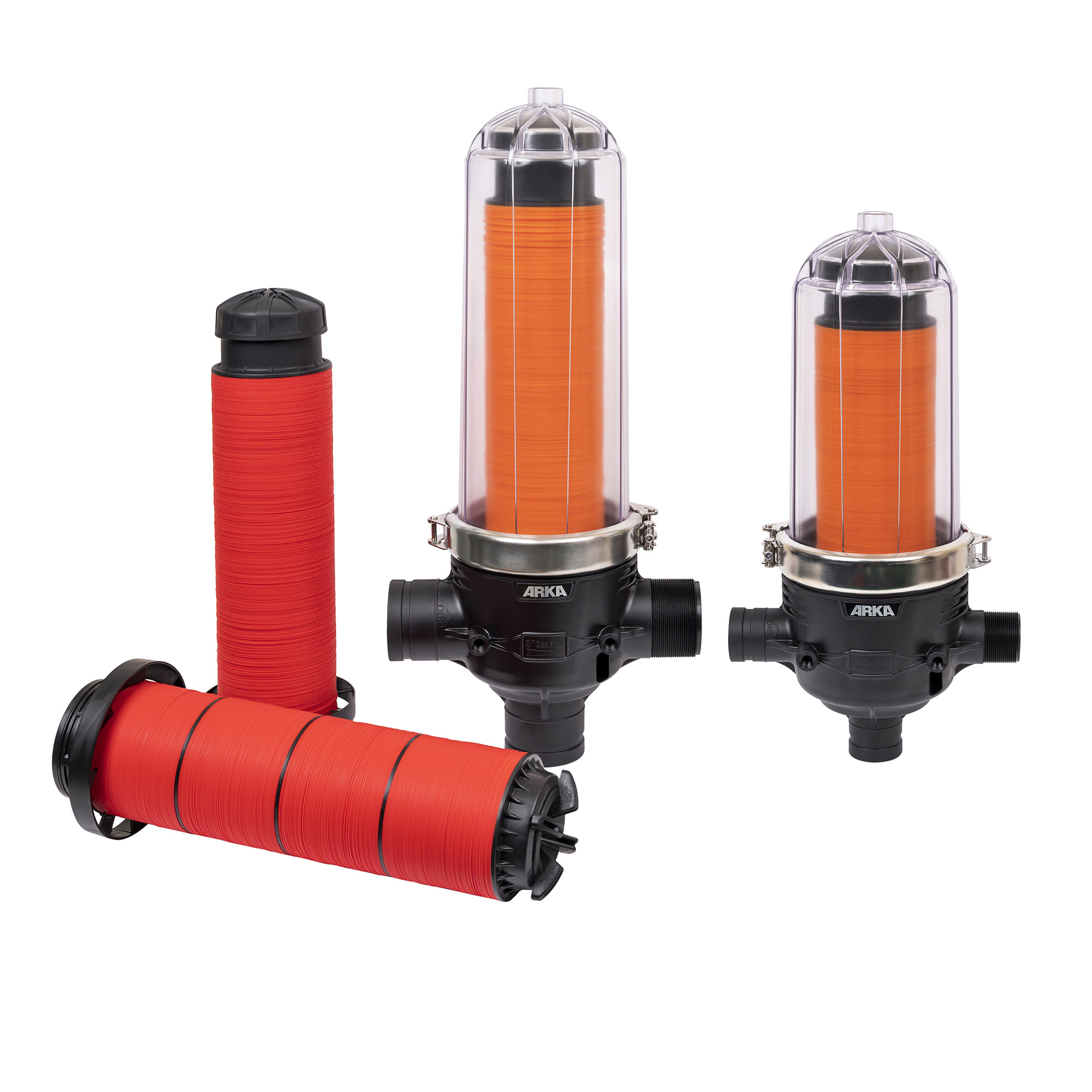
A typical disc filter includes several key parts:
Filter Housing: The outer shell that holds the discs and directs fluid flow.
Stacked Discs: Circular discs with microscopic grooves that trap particles.
Center Tube: Collects filtered water after it passes through the discs.
Backflushing System: Allows reversal of flow to clean the discs, either manually or automatically.
Seals and Gaskets: Ensure no leaks occur during filtration or cleaning.
Inlet and Outlet Ports: Where fluid enters and exits the filter.
The discs are usually made from durable materials like polyester or polypropylene. They are stacked tightly and compressed to form a seal, ensuring fluid passes only through the grooves. The groove size determines the filter's mesh rating, typically ranging from 40 to 600 mesh, which controls the size of particles filtered out.
Automatic disc filters often include sensors and valves to manage backflushing cycles, reducing the need for manual intervention. Manual filters require operators to periodically open the housing and clean or replace discs.
This design allows disc filters to handle high flow rates and provide efficient filtration in a compact space. They are versatile enough for various uses, from irrigation systems to industrial water treatment.
Tip: Regularly check the groove size and condition of discs to maintain optimal filtration performance and prevent clogging.
Disc filters come in several types, each designed to suit different filtration needs and operational preferences. Understanding these types helps you choose the right filter for your application.
Manual disc filters require hands-on cleaning. When the discs get clogged, an operator must open the filter housing, separate the discs, and rinse them off. This type is simple and cost-effective but demands regular maintenance and downtime. It suits smaller systems or places where automatic cleaning isn’t feasible.
Automatic disc filters clean themselves using a backflushing system. Sensors and valves control the process, reversing water flow to flush out trapped particles without stopping filtration. This reduces labor and downtime, making them ideal for large-scale or continuous operations. They typically use less water for cleaning than sand filters and complete backflushing in about 10 seconds.
Double disc filters have two sets of discs stacked together. This design increases filtration surface area and efficiency, allowing finer filtration or handling higher flow rates. They are often used in applications needing higher purity or where water contains a mix of fine and coarse particles.
| In-line Disc Filters | Installed directly in the pipeline, they filter water right at the source. This setup saves space and is convenient for continuous flow systems. |
| End-line Disc Filters | Positioned at the end of a filtration sequence, they provide a final filtration stage to catch remaining particles before water reaches its destination. |
Each type offers unique benefits and suits different operational demands. Manual filters are simple but labor-intensive. Automatic filters provide ease and efficiency. Double disc filters boost capacity and filtration quality. In-line and end-line filters offer flexible installation options.
Disc filters offer several benefits that make them a popular choice across many industries. Their design and functionality provide efficient filtration while maintaining ease of use and adaptability.
Disc filters excel at removing fine particles from fluids. The stacked discs with tiny grooves trap sediments, organic matter, and other impurities effectively. This multi-layer filtration ensures clean output, making these filters suitable for applications where water purity is critical, such as irrigation and municipal water treatment.
One major advantage is their compact size. Disc filters take up less space compared to traditional sand or media filters. This makes them ideal for installations where space is limited. Their modular design allows easy integration into various systems, from agricultural irrigation lines to industrial water treatment plants.
Maintenance is straightforward, especially for automatic disc filters. The backflushing system reverses the flow, flushing out trapped debris quickly, often in just 10 seconds. This reduces downtime and labor costs. Even manual disc filters are relatively easy to clean by separating and rinsing the discs, though they require more hands-on effort.
Disc filters are built from robust materials like polyester or polypropylene, which resist wear and corrosion. This durability extends their service life, even in harsh environments. Also, they consume less energy than some other filtration systems, especially when equipped with automatic backflushing. This lowers operating costs over time.
Disc filters can be scaled easily to meet different flow requirements. Multiple units can be connected in parallel or series to increase capacity or filtration quality. This flexibility allows users to customize their filtration setup based on changing needs without a complete system overhaul.
While disc filters offer many benefits, they come with some drawbacks that users should consider before choosing them for their filtration needs.
Disc filters often require a significant upfront investment. Automatic disc filters, in particular, tend to be more expensive than simpler filtration systems like screen filters or sand filters. The cost includes not only the filter units but also installation and setup, especially if backflushing systems and sensors are involved. However, this initial cost may be balanced by lower maintenance and operational expenses over time.
Disc filters work best within a specific particle size range. They effectively remove fine sediments and organic matter but may struggle with very large debris or extremely fine particles outside their groove size range. This limitation means additional filtration stages may be necessary for comprehensive water treatment, especially when dealing with diverse contaminants.
Despite their design to reduce clogging, disc filters can still become clogged, especially in environments with high loads of organic matter or sediments. Frequent clogging leads to increased backflushing cycles, which can raise water consumption and operational complexity. In manual systems, clogging demands more frequent cleaning, increasing labor and downtime.
Disc filters are sensitive to oil and grease contamination. These substances can block the tiny grooves between discs, reducing filtration efficiency and potentially damaging the filter media. This sensitivity limits the filter’s use in applications where oil or grease are common contaminants, such as certain industrial wastewater streams.
Although maintenance is generally straightforward, disc filters require consistent attention to maintain optimal performance. Manual filters need regular disassembly and cleaning, which can be labor-intensive. Even automatic filters require periodic inspections and occasional manual cleaning to prevent buildup and wear. Neglecting maintenance may lead to decreased filtration quality and shorter filter lifespan.
Disc filters serve many industries thanks to their efficient and reliable filtration. Their ability to remove fine particles and organic matter makes them valuable in diverse settings.
In agriculture, clean water is crucial for healthy crops. Disc filters remove sediments, algae, and organic debris from irrigation water. This prevents clogging of drip emitters and sprinkler nozzles, ensuring even water distribution. Farmers rely on disc filters to protect expensive irrigation equipment and maintain crop yields. Automatic disc filters are especially popular here because they reduce downtime by self-cleaning.
Municipal water systems use disc filters to improve water quality. These filters remove suspended solids and organic contaminants from raw water sources before distribution. Their compact size fits well in urban treatment plants, saving space. Disc filters help cities meet strict water quality standards, providing safe drinking water to residents.
Industries require clean process water to protect machinery and ensure product quality. Disc filters remove particles from cooling water, boiler feedwater, and process streams. They reduce wear on pumps and heat exchangers, lowering maintenance costs. Industries such as petrochemical, food processing, and manufacturing benefit from disc filters’ high flow capacity and efficient filtration.
In aquaculture, clean water supports healthy fish and shellfish. Disc filters remove suspended solids and organic matter, preventing disease and promoting growth. Mining operations generate wastewater with sediments and pollutants. Disc filters treat this water by removing solids before discharge or reuse, helping meet environmental regulations.
Wastewater treatment plants use disc filters to polish effluent water. They remove fine suspended solids after primary and secondary treatment stages. This improves water clarity and quality before discharge into rivers or reuse for irrigation. Disc filters help facilities comply with discharge permits and protect ecosystems.
Maintaining disc filters is essential to keep them working efficiently and prolong their lifespan. Proper maintenance prevents clogging, ensures clean water flow, and reduces downtime. There are two main maintenance methods: manual cleaning and automatic backflushing. Both have their own processes and challenges.
Manual cleaning involves physically opening the filter housing and separating the stacked discs. Each disc must be rinsed thoroughly to remove trapped particles and debris. This process generally follows these steps:
Shut off the system or isolate the filter.
Open the filter housing carefully.
Remove the stack of discs.
Rinse each disc under clean water to wash away sediment and organic matter.
Inspect discs for damage or wear.
Reassemble the discs and close the housing.
Restart the system.
Manual cleaning is straightforward but labor-intensive. It requires downtime, which can interrupt operations, especially in continuous systems. Also, improper reassembly or inadequate cleaning can reduce filtration efficiency or cause leaks.
Automatic disc filters include backflushing systems that clean discs without stopping filtration. These systems use sensors and valves to reverse water flow, loosening and flushing out trapped particles quickly. The backflushing cycle usually lasts about 10 seconds.
Key features of automatic backflushing:
Sensors detect pressure drop or time intervals to trigger cleaning.
Valves reverse flow direction through the discs.
Debris is flushed out through a waste outlet.
Discs are compressed back for filtration.
System resumes normal operation immediately.
Automatic cleaning reduces labor, minimizes downtime, and uses less water than traditional sand filters. However, it requires a booster pump or sufficient water pressure for effective backflushing. Proper programming and maintenance of sensors and valves are crucial for reliable performance.
Even with automatic systems, disc filters face some maintenance challenges:
Clogging: High sediment or organic loads can cause frequent clogging, leading to more backflush cycles and increased water use.
Wear and Tear: Over time, discs may degrade or lose groove sharpness, reducing filtration quality.
Oil and Grease: These contaminants can block grooves, making cleaning difficult.
Valve and Sensor Issues: Malfunctioning components can prevent proper backflushing.
Manual Intervention: Periodic manual cleaning or inspection is necessary to catch issues early.
Regular monitoring of pressure differentials, water quality, and filter condition helps identify problems early. Establishing a maintenance schedule based on operating conditions ensures consistent performance.
When deciding between disc filters and screen filters, understanding their filtration capabilities, application factors, and cost-efficiency is key to selecting the best fit for your needs.
Disc filters use stacked discs with tiny grooves to trap particles and organic matter. They excel at removing both fine sediments and organic contaminants like algae. This makes them effective in handling complex water impurities. Disc filters generally have a filtration mesh rating from about 40 to 600 mesh, suited for a range of particle sizes.
Screen filters rely on a mesh screen to trap particles as water passes through. They are typically better at filtering inorganic particles such as fine sand or larger debris. Screen filters come in various mesh sizes, from coarse to very fine, but they mainly target sediment rather than organic matter.
In summary:
Disc Filters: Better for mixed particles, including organic matter and fine sediments.
Screen Filters: Ideal for inorganic particles, especially sand and debris.
Water Quality: If water contains organic materials like algae or biofilm, disc filters are preferable. For water mainly containing inorganic sediment, screen filters may suffice.
Flow Rate: Disc filters handle high flow rates efficiently, making them suitable for large industrial or agricultural systems. Screen filters perform well in low to medium flow scenarios.
Maintenance: Screen filters are easier to clean—usually rinsing or brushing off debris. Disc filters require more effort to clean manually, needing disc separation. Automatic disc filters simplify this with backflushing but add complexity.
Space and Installation: Disc filters are compact and can be installed in-line or end-line, saving space. Screen filters also come in compact sizes but may need more frequent cleaning access.
Contaminant Type: Oil and grease can clog disc filters more easily, so screen filters might be better in such cases.
Disc filters typically have a higher initial cost compared to screen filters. Automatic disc filters, while more expensive upfront, reduce labor through self-cleaning features, which can lower long-term operating costs.
Screen filters are generally less costly to purchase and install but may require more frequent manual cleaning, increasing labor and downtime costs.
Efficiency-wise, disc filters use less water for backflushing than some media filters, but their cleaning process is more complex than screen filters. Choosing between them depends on balancing initial investment, maintenance labor, and filtration needs.
Disc filters efficiently remove fine particles and organic matter, offering high filtration efficiency and compact design. However, they come with drawbacks like high initial costs and potential clogging. As filtration technology advances, disc filters are poised to play a significant role due to their scalability and versatility. Companies like ARKA provide disc filters that deliver value through durability and ease of maintenance, making them a reliable choice for various industries.
A: A Disc Filter is a type of filter that uses stacked discs with grooves to trap particles, providing efficient filtration for various applications.
A: A Disc Filter works by passing fluid through stacked discs with grooves that trap particles, allowing clean fluid to exit while impurities are retained.
A: Disc Filters offer high filtration efficiency, compact design, and ease of maintenance, making them ideal for applications with high flow rates and organic matter.
A: Benefits of Disc Filters include high filtration efficiency, compact size, ease of maintenance, durability, and energy efficiency.
A: The cost of a Disc Filter varies depending on size, type, and features, with automatic versions typically being more expensive due to self-cleaning capabilities.


