
Views: 0 Author: Site Editor Publish Time: 2025-07-24 Origin: Site


Proper disc filter maintenance is the backbone of efficient drip irrigation systems. When these critical components become clogged with debris, your entire irrigation network suffers from reduced water pressure, uneven distribution, and potential crop stress. Regular cleaning ensures optimal performance and extends the life of your disc filter for drip irrigation systems.
Unlike screen filters that capture debris on their surface, disc filters use stacked discs with grooves to trap particles throughout their depth. This design makes them highly effective at filtering organic matter and algae, but it also means they require specific cleaning techniques to maintain their filtration efficiency.
The consequences of neglecting disc filter maintenance are significant. Clogged filters create pressure drops that can reduce water flow by up to 50%, leading to inadequate irrigation coverage and stressed plants. Moreover, accumulated debris can harbor bacteria and algae, potentially contaminating your entire irrigation system.
This comprehensive guide will walk you through the complete process of cleaning disc filters, from identifying when cleaning is needed to reassembling your system for optimal performance. Whether you're maintaining a small garden setup or managing a commercial agricultural operation, these proven techniques will help you keep your disc water filter operating at peak efficiency.

Disc filters represent a significant advancement in irrigation filtration technology. These systems consist of multiple circular discs stacked together on a central spine, with each disc featuring precisely engineered grooves that create a tortuous path for water flow. As water passes through the disc stack, particles larger than the groove spacing become trapped between the discs.
The filtration process occurs in three dimensions rather than just on a surface, giving disc filters superior dirt-holding capacity compared to screen filters. The grooves on adjacent discs intersect at different angles, creating a maze-like pathway that captures debris of various sizes and shapes. This design makes disc filters particularly effective against organic particles, algae, and irregular debris that might pass through traditional screen filters.
Most modern disc filters operate on a spring-loaded compression system. The spring maintains pressure between the discs during normal operation, ensuring tight sealing and effective filtration. During cleaning cycles, either manual disassembly or automatic backflushing relieves this pressure, allowing the discs to separate slightly and release trapped debris.
Understanding this operating principle is crucial for effective cleaning. The grooves must be completely cleared of debris to restore proper filtration, and the disc compression system must be properly reassembled to maintain filtration effectiveness.
Recognizing when your disc filter requires cleaning prevents system damage and maintains irrigation efficiency. The most reliable indicator is pressure differential monitoring using inlet and outlet pressure gauges. When the pressure difference exceeds 8 psi during normal flow conditions, immediate cleaning is necessary.
Visual inspection provides additional clues about filter condition:
Clean filter discs typically appear white or light-colored.
Dirty discs show brown, green, or black discoloration.
Heavy debris accumulation on the outer discs may indicate internal clogging throughout the stack.
System performance changes often signal filter problems before visual inspection reveals issues:
Reduced water flow at emitters.
Uneven irrigation patterns.
Frequent system alarms in automated controllers.
Some crop areas receiving inadequate water while others are overwatered, indicating uneven pressure distribution caused by dirty filters.
Smart irrigation controllers may also provide early warning signs through:
Flow monitoring.
Pressure sensors.
These systems can detect gradual performance degradation and alert operators before critical failure occurs. Regular monitoring of these indicators allows for proactive maintenance scheduling rather than emergency repairs.
Proper preparation ensures safe and effective disc filter cleaning. Gather these essential tools before beginning:
Adjustable wrenches sized for your filter housing.
Soft-bristled brushes (never wire brushes).
Clean water source for rinsing.
Chemical-resistant gloves.
Safety glasses if using cleaning chemicals.
Safety must be your first priority. Always shut off the main water supply valve and engage any system lockout procedures to prevent accidental startup. Release all pressure from the system by opening downstream valves or using pressure relief mechanisms. Some filters include built-in pressure relief valves, while others require manual bleeding through service ports.
Verify that elevated water tanks or other pressure sources cannot backfeed through the system during maintenance. Disconnect or close valves on both sides of the filter if necessary. This prevents unexpected water flow that could cause injury or equipment damage during disassembly.
Prepare a clean workspace with adequate lighting and drainage for wash water. Have containers ready for dirty parts and cleaning solutions. If chemical cleaning is planned, ensure adequate ventilation and have fresh water readily available for emergency rinsing.
Begin by closing the inlet valve completely and allowing the system to drain naturally. Open any downstream drain valves to remove standing water from the filter housing. Check pressure gauges to confirm zero pressure before proceeding with disassembly.
If your system includes automatic controllers, place them in manual mode or shut them off entirely to prevent accidental startup. Some systems require specific shutdown sequences to avoid damage to pumps or other components, so consult your system documentation if available.
Most disc filters use threaded housings that unscrew counterclockwise when viewed from below. Support the housing weight during removal to prevent dropping and damage. Pay special attention to O-rings and sealing surfaces, as these components are critical for proper reassembly.
Remove the complete disc cartridge from the housing by lifting straight up. Some cartridges include spring mechanisms that will expand when removed, while others use threaded retainers that must be unscrewed. Handle the cartridge gently to avoid damaging the disc stack or central spine.
Once the cartridge is removed, loosen the retaining mechanism to allow disc movement. The discs should move freely along the central rails or spine without complete separation. Never attempt to completely disassemble the disc stack, as reassembly requires precise alignment that's difficult to achieve in field conditions.
Inspect the discs for damage such as cracks, warping, or excessive wear. Damaged discs must be replaced to maintain filtration effectiveness. Check the spring mechanism and central spine for damage or excessive wear that might affect proper operation.
Start with a gentle rinse using clean water at moderate pressure (around 22 psi). High-pressure washers can damage the delicate disc grooves and should be avoided. Allow the discs to move freely during rinsing so water can access all groove surfaces.
Work systematically around the disc stack, ensuring water reaches all areas. Gentle agitation helps dislodge stubborn debris, but avoid excessive force that might damage the discs. For organic buildup that resists water cleaning, allow longer soaking time before attempting mechanical removal.
Stubborn buildup may require chemical treatment using either acid or chlorine solutions. For mineral deposits and scale, use diluted hydrochloric acid (1:5 to 1:10 ratio with water). For organic matter and biological growth, sodium hypochlorite (bleach) at similar dilution ratios is effective.
Always add acid to water, never water to acid, to prevent dangerous reactions. Wear appropriate protective equipment including gloves, eye protection, and long sleeves. Ensure adequate ventilation when working with chemicals.
Thread thin polyethylene tubing through the disc center and tie off the end to contain the disc stack during chemical soaking. This prevents disc separation while allowing chemical circulation. Soak time varies from 15 minutes to several hours depending on contamination severity.
Monitor the cleaning process closely and agitate the solution periodically to ensure even chemical distribution. Never use brushes on individual discs during chemical cleaning, as this can cause permanent damage to the groove structure.
After chemical treatment, rinse thoroughly with clean water to remove all chemical residue. Multiple rinse cycles may be necessary to ensure complete chemical removal. Test rinse water pH if possible to confirm neutralization.
Reassemble the disc stack by tightening the retaining mechanism just enough to compress the discs properly. Over-tightening can damage discs or prevent proper sealing, while under-tightening allows debris bypass during operation.
Apply food-grade silicone lubricant to all O-rings and sealing surfaces before reassembly. This prevents damage during installation and ensures proper sealing. Inspect O-rings for cuts, nicks, or deterioration and replace if necessary.
Install the cartridge in the housing and thread the housing halves together carefully to avoid cross-threading. Tighten by hand first, then use tools only for final seating. Over-tightening can crack housings or damage threads.
Slowly open the inlet valve and monitor for leaks during initial pressurization. Check all connection points and housing seals for proper operation. Some minor weeping may occur initially but should stop once O-rings seat properly.
Monitor pressure differential across the clean filter to establish baseline readings for future maintenance scheduling. Record cleaning date and pressure readings in maintenance logs for trend analysis.
Run the system through normal operating cycles and verify proper flow rates and pressure distribution throughout the irrigation network. Check emitter performance in various zones to confirm proper system operation.
Cleaning frequency depends heavily on water quality and system usage. Most agricultural operations require disc filter cleaning every 1-2 weeks during active growing seasons. Systems using well water with high mineral content may need more frequent attention, while those using clean surface water might extend intervals slightly.
Even systems equipped with automatic backflushing mechanisms benefit from periodic manual cleaning. Automatic systems excel at removing loose debris but may not address sticky organic buildup or mineral scale that requires chemical treatment.
Seasonal variations affect cleaning requirements significantly. Spring startup often reveals winter debris accumulation, while mid-summer algae blooms increase cleaning frequency. Fall cleaning before winter shutdown prevents freeze damage from trapped debris.
Develop cleaning schedules based on actual system performance rather than arbitrary calendar intervals. Monitor pressure differential trends to identify optimal cleaning timing that maintains efficiency without excessive maintenance burden.
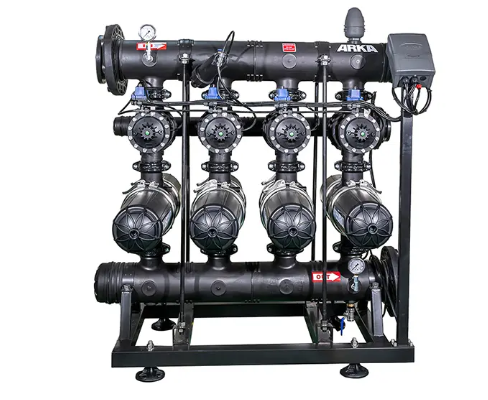
Modern disc filter systems offer significant improvements over older designs through better materials and advanced control systems. Look for filters manufactured from chemical-resistant polypropylene that withstands both agricultural chemicals and cleaning solutions.
Automatic backflushing systems provide excellent convenience and can extend manual cleaning intervals significantly. These systems use pressure differential sensors to trigger cleaning cycles automatically, maintaining consistent performance with minimal operator intervention.
Quality manufacturers provide comprehensive support including replacement parts availability, technical documentation, and cleaning guidance. Established companies like Arka offer proven disc filter systems with automatic backflushing capabilities and durable construction designed for long-term agricultural use.
When selecting new equipment, consider factors such as flow capacity, filtration ratings, and compatibility with existing system components. Modern disc filters integrate seamlessly with fertigation systems and automated controllers for comprehensive irrigation management.
Regular disc filter maintenance represents a small investment that yields significant returns through improved system efficiency and extended equipment life. Clean filters ensure optimal water distribution, leading to better crop yields and reduced water waste.
Proper cleaning techniques prevent premature filter replacement and maintain manufacturer warranty coverage. Document all maintenance activities to demonstrate proper care and support warranty claims if necessary.
Consider upgrading to automatic disc filter systems that reduce manual labor requirements while improving cleaning consistency. These systems pay for themselves through reduced maintenance costs and improved irrigation efficiency.
For expert guidance on disc filter selection and maintenance, contact irrigation professionals who understand local water conditions and system requirements. Companies like Arka provide comprehensive support to help maximize your irrigation investment through proper equipment selection and maintenance practices.
How do I know if my disc filter is completely clean?
A properly cleaned disc filter shows clear water flow with pressure differential below 4.5 psi during normal operation. Visually, the discs should appear their original color without visible debris accumulation.
Can I use household cleaners on disc filters?
Avoid household cleaners that may contain ingredients harmful to plants or irrigation systems. Use only agricultural-grade chemicals specifically designed for irrigation equipment cleaning.
What's the difference between manual and automatic disc filter cleaning?
Manual cleaning requires complete disassembly and hand cleaning of disc stacks. Automatic systems use controlled backflushing with high-pressure water to clean discs without disassembly.
How long do disc filters typically last with proper maintenance?
High-quality disc filters can provide 5–10 years of reliable service with proper maintenance. Individual discs may need replacement sooner if damaged during cleaning or by excessive debris.
Are disc filters suitable for all water sources?
Disc filters excel with most agricultural water sources but may require pre-treatment for extremely high sediment or biological contamination levels.


