
Views: 0 Author: Site Editor Publish Time: 2025-11-06 Origin: Site


Ever wondered how laboratories and industries achieve precise filtration? Filter paper discs are the unsung heroes. These versatile tools are essential in various applications, from scientific research to everyday tasks. In this post, you'll learn about their importance and diverse uses, revealing why they're indispensable in modern filtration processes.
Filter paper discs consist mainly of cellulose fibers derived from cotton or wood pulp. This natural composition makes them highly absorbent and effective at trapping particles. Sometimes, synthetic fibers blend in to enhance strength or chemical resistance. The paper is specially processed to create a porous structure that allows fluids to pass while retaining solids.
Different grades of filter paper discs exist, each designed for specific filtration needs. They vary by:
Pore size: Ranges from very fine (around 2 microns) to coarse (up to 25 microns or more). Smaller pores trap finer particles but slow the flow rate. Larger pores filter quickly but let smaller particles through.
Thickness: Thicker papers hold more particles but may slow filtration.
Wet strength: Some discs are treated to maintain integrity when wet, useful in applications requiring prolonged exposure to liquids.
Chemical compatibility: Certain papers resist acids, bases, or organic solvents, making them suitable for harsh environments.
| Grade Type | Pore Size (Microns) | Typical Use Cases |
|---|---|---|
| Qualitative | 10 - 25 | Routine lab filtration, coffee |
| Quantitative | 2 - 10 | Precise analytical work, gravimetric analysis |
| Wet-strengthened | 5 - 15 | Filtration of aggressive liquids |
| Specialty (e.g., ashless) | Varies | Pharmaceutical, environmental testing |
Choosing the right grade depends on the particles’ size, fluid type, and filtration speed required. For example, fine pore quantitative paper suits filtering precipitates in chemical analysis, while coarser qualitative grades work well for filtering coffee grounds.
Filter paper discs come in standard diameters, often 55 mm, 70 mm, or 90 mm, fitting common lab funnels and holders. Their round shape ensures uniform filtration and easy handling.
In sum, filter paper discs combine natural fibers, tailored pore sizes, and treatments to meet diverse filtration demands. This versatility supports their widespread use in labs, industry, and beyond.
Tip: Select filter paper discs based on pore size and chemical compatibility to optimize filtration efficiency and avoid sample contamination.
Filter paper discs play a crucial role in laboratory filtration processes. They help separate solid particles from liquids or gases by trapping solids on their porous surface. This makes them essential for purifying samples, isolating precipitates, or clarifying solutions.
In many labs, filter paper discs are used during chemical analysis. For example, when a precipitate forms in a reaction, scientists pour the mixture through the disc. The solid particles stay on the paper, while the liquid passes through, allowing the solid to be weighed or further studied. This process is called gravimetric analysis.
Sample preparation also benefits from filter paper discs. Before analyzing liquids, labs often need to remove impurities or undissolved solids. Placing a filter paper disc in a funnel helps achieve this quickly and efficiently. It ensures the sample is clean, avoiding interference in tests like spectrometry or chromatography.
Filter paper discs come in different grades and pore sizes to match the task. Fine pores capture tiny particles, ideal for precise chemical work. Coarser papers filter larger debris faster, useful for routine lab work. Some discs are treated to resist chemicals, so they can handle acids or solvents without breaking down.
Beyond chemical labs, filter paper discs assist in microbiology and environmental testing. They filter bacteria or particulates from water or air samples, enabling accurate analysis. In toxicology, they help separate harmful solids from liquids before measuring toxicity.
Labs also use filter paper discs to maintain equipment. For instance, cleaning residues off glass electrodes or protecting delicate instruments during sample handling.
Filtering precipitates from reaction mixtures
Clarifying solutions before spectroscopic analysis
Preparing water or air samples for pollutant testing
Separating blood components in medical labs
Filtering inks or paints for quality control
The round shape and standard sizes of filter paper discs fit common laboratory funnels and holders, making them easy to use. Their natural cellulose fibers provide strong absorption and efficient particle retention.
In summary, filter paper discs are indispensable in labs. They ensure clean, contaminant-free samples, improve test accuracy, and support countless scientific procedures.
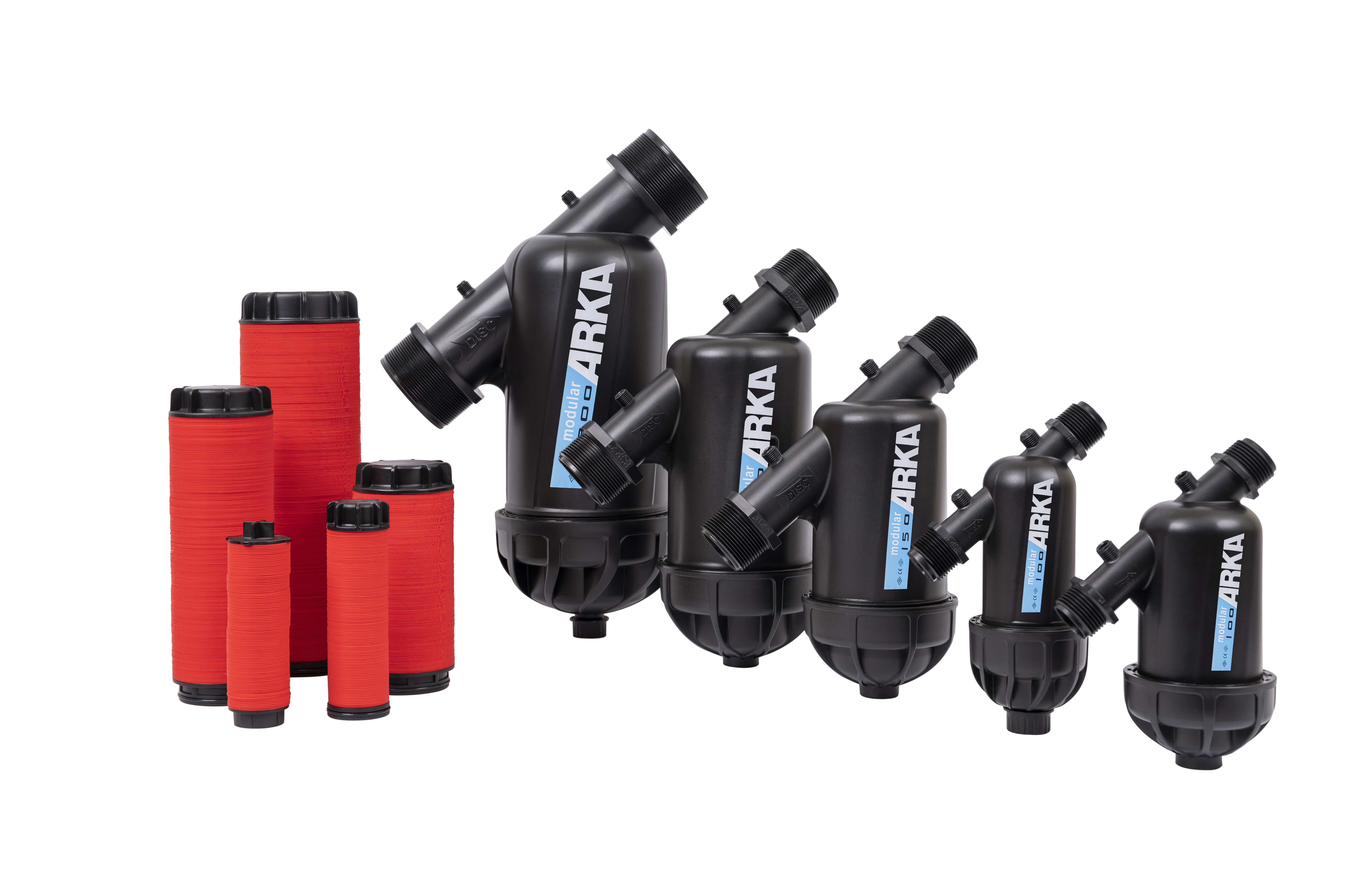
Filter paper discs play a vital role in many industrial and commercial filtration systems. Their ability to trap particles while allowing fluids to pass makes them essential for maintaining product quality and protecting equipment.
In industrial settings, clean air is crucial for both machinery and worker safety. Filter paper discs help capture dust, pollen, and other airborne particles. They are used in HVAC systems, air purifiers, and dust collectors to prevent harmful contaminants from circulating.
The discs’ pore size varies depending on the required filtration level. For example, fine-pored discs trap tiny dust particles, while coarser ones handle larger debris. Their natural fibers provide high airflow resistance, allowing efficient filtration without blocking air movement.
Industries need clean water for manufacturing, cooling, or processing. Filter paper discs remove suspended solids, sediments, and impurities from water. They are often part of multi-stage filtration setups, where they act as a pre-filter or final filter.
In water treatment plants, these discs help achieve clearer, safer water by catching particles that could damage equipment or affect product quality. Their chemical compatibility ensures they withstand various water chemistries, including acidic or alkaline conditions.
In factories and mechanical operations, oils and chemicals must be free of contaminants. Filter paper discs remove dirt, metal shavings, and other impurities from lubricants, hydraulic fluids, and industrial oils. This filtration protects machinery from wear and tear and extends equipment life.
Chemical industries use specialized filter papers resistant to solvents and aggressive compounds. These discs ensure that chemical solutions remain pure, which is critical for product consistency and safety.
Cost-effective: Disposable and affordable, reducing maintenance costs.
Versatile: Available in many grades to suit different fluids and particle sizes.
Easy to use: Standard sizes fit common filtration devices.
Eco-friendly: Made mostly from natural fibers, biodegradable in many cases.
| Application | Purpose | Filter Paper Grade Example |
|---|---|---|
| HVAC air filters | Remove dust and allergens | Qualitative, coarse pore size |
| Water purification plants | Clarify water for industrial use | Quantitative or wet-strengthened |
| Oil filtration in engines | Remove metal particles and debris | Wet-strengthened, chemical resistant |
| Chemical processing | Purify solvents and reagents | Specialty chemical-resistant grades |
Filter paper discs are an indispensable part of industrial filtration. Their adaptability to different fluids and contaminants ensures smooth operation across sectors.
Tip: Choose filter paper discs based on fluid type, particle size, and chemical exposure to maximize filtration efficiency and equipment protection.
Filter paper discs serve many practical roles in homes and everyday life. Their simple design and effective filtration make them a handy tool for common tasks.
One of the most familiar uses of filter paper discs is in brewing coffee and tea. These discs act as barriers that trap coffee grounds or tea leaves while allowing the brewed liquid to flow through. This results in a smooth, grit-free beverage.
Coffee filters: Usually made from qualitative filter paper with a medium pore size, they hold back coffee grounds effectively.
Tea brewing: Filter discs or bags catch tea leaves, letting the flavorful liquid pass.
Using the right filter paper ensures clarity and taste. Coarser pores let liquids flow faster but may allow fine particles through. Finer pores capture more solids but slow down brewing. Many coffee makers and tea infusers are designed to fit standard filter paper discs, making them easy to replace and dispose of after use.
Filter paper discs also help improve water quality at home. They remove sediments, dirt, and some microorganisms from tap or well water, making it safer and more pleasant to drink.
Pre-filtration: Filter discs can act as a first step to remove visible particles before more advanced filtration.
Emergency use: In survival situations, they provide a simple way to filter water when no complex system is available.
Though filter paper discs don’t remove all contaminants like bacteria or chemicals, they help reduce turbidity and suspended solids. This makes water clearer and easier to treat further if needed.
Beyond beverages and water, filter paper discs find creative household uses:
Absorbing spills: Their high absorbency makes them useful for cleaning small liquid spills.
DIY air filters: They can be fitted into homemade air purifiers to trap dust.
Crafts and hobbies: Artists use filter paper for texture effects or as stencils.
Their affordability and biodegradability make filter paper discs an eco-friendly choice for daily tasks.
Filter paper discs play a crucial role in medical and pharmaceutical fields. Their ability to separate solids from liquids makes them valuable in many diagnostic and manufacturing processes.
In medical laboratories, filter paper discs help separate blood components. Blood contains plasma, red and white cells, and platelets. Sometimes, labs need to isolate plasma or remove cells for testing. Filter paper discs act as a barrier that traps cells while letting plasma pass through.
This separation is vital for many tests, such as measuring glucose levels, detecting infections, or performing blood typing. The discs’ pore size is carefully chosen to retain cells but allow plasma to flow freely. This ensures accurate results without contamination.
Additionally, filter paper discs assist in preparing blood smears or drying blood spots for further analysis. Their absorbency helps preserve samples during transport or storage.
In pharmaceutical manufacturing, filter paper discs help purify drug formulations. Many drugs start as mixtures of solids and liquids. Removing unwanted particles ensures the medication is safe and effective.
Filter paper discs separate insoluble impurities or undissolved powders from liquids during drug production. For example, during crystallization, solids form and must be filtered out before drying or packaging.
Some filter papers used in this industry are ashless or chemically resistant. Ashless papers leave minimal residue, preventing contamination. Chemical-resistant discs withstand solvents or acids used in drug synthesis.
Pharmaceutical labs also use filter paper discs for quality control. Filtering samples before analysis helps detect contaminants or verify purity. This step is essential to meet strict regulatory standards.
High purity: Ensures samples and drugs remain uncontaminated.
Precision: Different pore sizes allow specific particle separation.
Safety: Removes harmful particulates from blood or drug solutions.
Convenience: Easy to use in various lab equipment and processes.
Filter paper discs are indispensable tools in medical diagnostics and drug manufacturing. They improve test accuracy, enhance product quality, and support patient safety.
Filter paper discs are essential tools in environmental and chemical testing. They help separate pollutants and contaminants from air, water, and soil samples, enabling accurate analysis and monitoring.
In environmental labs, filter paper discs trap solid particles like dust, soot, and microplastics from air or water samples. This filtration allows scientists to measure pollution levels and identify harmful substances.
For example, water samples from rivers or lakes often contain suspended solids, algae, or chemical precipitates. Passing these samples through filter paper discs removes solids, making it easier to test for dissolved chemicals or toxins.
Air quality testing also relies on filter paper discs. They capture particulate matter (PM) such as pollen, smoke, or industrial emissions. Researchers weigh or analyze the trapped particles to assess air pollution and its sources.
In chemical testing, filter paper discs separate impurities from liquid samples. This is crucial when analyzing chemical reactions or detecting contaminants in products. The discs’ pore size and chemical resistance must match the sample type to avoid interference.
Filter paper discs support various environmental monitoring tasks:
Water quality testing: Filter out sediments and organic matter before measuring pH, heavy metals, or microbial contamination.
Soil analysis: Separate fine particles from soil samples to study composition and contamination.
Air pollution studies: Collect airborne particulates for laboratory examination, helping track pollution trends.
Wastewater treatment: Monitor suspended solids and pollutants in industrial or municipal effluents.
Chemical spill assessment: Filter samples to detect hazardous substances after spills or leaks.
Their ease of use, low cost, and biodegradability make filter paper discs ideal for field and lab work. They provide consistent filtration performance, supporting reliable environmental data collection.
Filter paper discs aren't just for labs and industry. They also inspire creative and practical DIY projects, especially in photography, art, and home air quality.
In photography, filter paper discs help remove excess chemicals during film development. After exposing photographic paper or film, they absorb leftover developer or fixer chemicals. This prevents unwanted stains or damage, ensuring clearer images. Using filter paper this way keeps the darkroom process clean and efficient.
Artists also use filter paper discs to create unique textures and effects. Their absorbent surface can hold inks, dyes, or paints, allowing gradual color blending or soft patterns. Some use discs as stencils or masks in mixed media art. The natural fibers add a tactile element to artworks, enhancing depth and visual interest.
Additionally, filter paper discs serve as blotting papers for watercolor or calligraphy. They soak up excess moisture without smudging, helping artists control their medium.
Filter paper discs can be key components in homemade air purifiers. Placing them inside simple frames or holders lets them trap dust, pollen, and other airborne particles. While not as advanced as commercial HEPA filters, these DIY filters improve indoor air quality affordably.
For dehumidifiers, filter paper discs help absorb moisture in small spaces. For example, covering a container with filter paper and placing it near damp areas can reduce humidity. The paper absorbs water vapor, helping prevent mold and musty smells. This method works well in closets, cabinets, or cars.
Some DIY enthusiasts combine filter paper discs with activated charcoal or silica gel to boost moisture absorption and air purification. These simple solutions offer eco-friendly, low-cost ways to improve home environments.
Seed germination: Filter paper discs create a moist, breathable bed for sprouting seeds.
Essential oil diffusers: Soaking filter paper with oils releases fragrance slowly in a room.
Temporary filters: In emergencies, filter paper discs can strain water or other liquids.
These creative uses show how versatile filter paper discs can be beyond traditional filtration.
Filter paper discs are versatile tools used in laboratories, industries, households, and creative projects. They efficiently separate particles from liquids and gases, ensuring purity and safety. As technology advances, filter paper discs continue to evolve, offering improved performance and new applications. Companies like ARKA provide high-quality filter paper discs that meet diverse needs, enhancing filtration processes across various sectors. With their natural composition and adaptability, they remain essential in many fields.
A: A Disc Filter, commonly known as a filter paper disc, is used in labs to separate solid particles from liquids, crucial for purifying samples and isolating precipitates.
A: A Disc Filter is essential in industrial settings for air, water, and oil filtration, protecting equipment and ensuring product quality by trapping particles while allowing fluids to pass.
A: Different pore sizes in a Disc Filter allow for capturing various particle sizes, with finer pores trapping smaller particles and coarser pores filtering larger debris quickly.
A: Disc Filters are cost-effective, disposable, and eco-friendly, making them ideal for household tasks like brewing coffee or purifying water without significant expense.
A: In DIY projects, a Disc Filter can be used for air purification, moisture absorption, and artistic applications, providing versatile and affordable solutions.


