
Views: 0 Author: Site Editor Publish Time: 2026-10-30 Origin: Site


Are sputtering sprinklers ruining your perfectly manicured turf? You activate the controller. You expect a lush, uniform fan of moisture. Instead, you watch the sprinkler heads violently cough up erratic bursts of mist and air. It is tempting to immediately blame a shattered underground pipe or a dying water pump. However, hidden atmospheric issues are frequently the true hydraulic culprits.
Trapped air acts as an invisible wall. It blocks water flow and inflicts severe mechanical stress on your entire landscaping infrastructure. Why does this happen? How can you fix it? In this comprehensive guide, we will explore exactly what causes these frustrating slowdowns. We will detail how to accurately diagnose the root cause and outline the practical engineering steps required to restore optimal hydraulic performance to your yard.
Air Pockets Restrict Flow: Trapped atmospheric gases act like a physical blockage inside the pipes. This significantly reduces kinetic energy and causes highly uneven watering.
Atmospheric Management is Essential: A functioning release mechanism automatically expels trapped gas. It also prevents destructive vacuum locks. This mechanical process ensures a smooth, continuous, and efficient flow.
Common Culprits: Internal clogs, degraded rubber diaphragms, and seasonal freezing damage are the leading reasons these vital components fail.
DIY Diagnostics: Coughing sprinkler heads, localized hissing noises, and gradual pressure loss are critical indicators. Your equipment requires immediate attention when these occur.
Maintenance Saves Money: Routine internal cleaning and proper seasonal winterization drastically extend operational life. Proactive care prevents costly full-scale system replacements.
To effectively troubleshoot a sluggish system, you must first understand the mechanical baseline of your equipment. An underground watering setup is a highly pressurized network. It relies on precise fluid dynamics to distribute moisture evenly. When foreign elements enter this closed loop, the entire hydraulic balance shatters.
Within a professional setup, various components serve distinct but heavily complementary functions. They work together to maintain equilibrium. A primary regulator is responsible for managing the physical force and volumetric rate of the fluid entering from the municipal supply. Conversely, an atmospheric release unit focuses entirely on managing the internal environment of the pipes. Its sole job is expelling trapped gases.
For property owners diagnosing system failures, understanding the interplay between these parts is a critical first step. The primary Pressure Valve ensures the incoming force does not blow out your delicate spray nozzles. Meanwhile, the atmospheric unit ensures the fluid actually has the physical space to reach those nozzles efficiently.
Liquids and gases possess completely different physical properties. Water is an incompressible fluid. Air is highly compressible. When both attempt to occupy the exact same space within a confined tube, they simply cannot do so efficiently.
Without a proper Venting mechanism, the compressed gas pushes back against the incoming stream. Consequently, the network essentially fights against itself. This internal friction leads to sluggish performance, dry turf patches, and massive spikes in electricity consumption for setups relying on motorized pumps.
Understanding the fundamental physics behind these blockages helps clarify exactly why your lawn sprinklers lose their efficiency. The slow-down is not an illusion. It is a measurable, physical restriction caused by unvented atmospheric pressure.
Gas is significantly lighter than liquid. Therefore, bubbles naturally rise and accumulate at the highest elevation points of your underground layout. As these micro-bubbles merge, they form large, stationary pockets. These pockets physically reduce the internal diameter of the tube available for fluid to travel through.
Consider a standard one-inch main line. A large air pocket can reduce the effective flow area to less than half an inch. This severe bottleneck effect forces the same volume of liquid to squeeze through a much smaller space. The result is a dramatic drop in operational output at the final spray nozzles.
Trapped gases do more than merely slow down the delivery of moisture. They introduce a severe mechanical threat known as hydraulic shock, commonly referred to as water hammer. When highly compressed pockets are suddenly forced through the network by an incoming surge, they can collapse or release violently.
This creates a sudden, percussive shockwave. It travels through the network at incredibly high speeds. In practical terms, this shockwave disrupts the steady stream and causes immediate output drops. Furthermore, it places immense stress on PVC joints and delicate plastic housings. Over time, this repeated stress frequently leads to catastrophic structural ruptures.
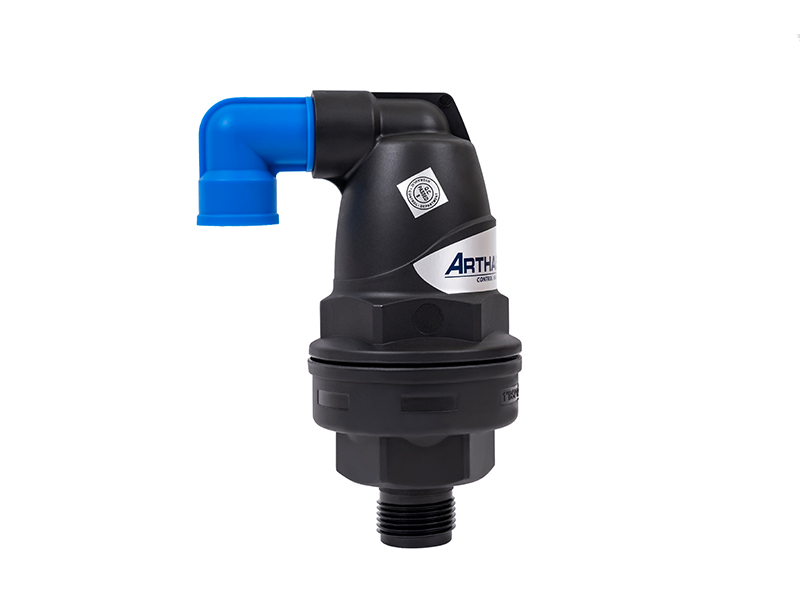
When a landscape layout slows down due to vapor locks, the root cause is rarely a mystery. It can almost always be traced back to a specific malfunction within the mechanical unit itself.
The most frequent cause of component failure is the accumulation of environmental debris. A standard Air Release Valve typically operates using an internal float mechanism. As fluid fills the chamber, the float rises to seal the exit. As gas accumulates, the float drops to release it.
However, sand, dirt, and mineral buildup easily jam this internal float. Stubborn calcium deposits from hard municipal supplies are particularly notorious. When the mechanism becomes physically cemented in the closed position, it is completely unable to perform its primary function. Gases remain trapped permanently.
Inside every regulator and atmospheric unit are elastomeric seals, O-rings, and rubber diaphragms. These are designed to keep the casing watertight while allowing gases to escape. Over years of continuous use, these rubber components degrade.
Constant friction, prolonged exposure to chlorine, and natural thermal aging cause the rubber to harden, shrink, or crack. Specifically, when a diaphragm loses its elasticity, it fails to maintain the necessary internal seal. It continuously leaks fluid instead of just expelling gas. This leads to a noticeable, system-wide drop in performance.
Sometimes the underlying issue is not mechanical degradation. Rather, it is human error during the initial landscaping installation. A unit must be properly sized according to the main line's diameter and the overall output capacity. If it is too small, it simply cannot expel gas fast enough to keep up with the incoming surge.
Furthermore, geographic placement is absolutely critical. If the unit is not installed at the absolute highest elevation points of the property, the gas will simply bypass the exit point. It remains trapped in the pipes, resulting in chronic sluggishness.
In regions that experience harsh winter climates, seasonal weather changes pose a massive threat to underground infrastructure. If the network is not properly winterized using an industrial compressor, residual moisture remains inside the internal chambers.
When ambient temperatures drop below freezing, this trapped moisture turns to ice. It expands by approximately nine percent. This violent expansion easily shatters delicate hard plastic or cast brass housings. Interestingly, this type of severe structural damage is one of the most common surprises discovered by homeowners during spring start-ups.
Before renting heavy machinery to dig up your yard or purchasing expensive new pumps, observe your system. You can often accurately diagnose a faulty component by looking for a few specific, telltale symptoms.
The most obvious visual indicator of an atmospheric problem is erratic sprinkler behavior. Instead of emitting a smooth, steady, and uniform fan of moisture, the heads violently spit bursts of mist mixed with heavy droplets.
This coughing effect occurs because the unvented pockets are finally being forced out through tiny nozzles under extreme duress. As a result, you will likely notice highly uneven moisture distribution and persistent dry patches across your turf.
A failing unit often presents as a progressive deterioration rather than a sudden, catastrophic failure. You may notice that the output seems perfectly robust at the beginning of the watering season. Yet, it slowly weakens over several weeks.
This happens because micro-bubbles are continuously introduced into the network through small leaks, pump cavitation, or municipal supply fluctuations. If the expulsion mechanism is jammed, these micro-bubbles compound day by day. They slowly increase the size of the internal blockage and progressively choke the flow.
A healthy, fully functional unit should only make audible noise for a few brief seconds when the pump first turns on. It pushes the initial pocket out and then goes silent. If you hear a continuous, loud hissing sound near your underground utility boxes while the sprinklers are running, you have a problem.
This hissing strongly indicates that the internal float is stuck in the open position. A stuck-open unit allows continuous kinetic energy to bleed out into the atmosphere. It prevents the pop-up heads from receiving the physical force they require to spray correctly.
Observed Symptom | Likely Component Issue | Severity Level | Recommended Action |
|---|---|---|---|
Sputtering Sprinklers | Stuck Internal Float | Moderate | Clean float mechanism and descale chamber |
Continuous Hissing | Torn Rubber Diaphragm | High | Replace diaphragm or degraded O-rings |
Gradual Output Drop | Undersized Unit / Partial Clog | Moderate | Inspect sizing specifications and placement |
Water Pooling at Box | Cracked Exterior Housing | Critical | Full component replacement required |
If you suspect a mechanical failure is the reason for your sluggish landscape, adopt a systematic troubleshooting approach. This helps you isolate and resolve the issue safely and efficiently.
First, determine the geographical scope of the problem. Turn on your controller and observe each watering zone independently. If the low output and sputtering are isolated to a single zone, the problem is likely a localized atmospheric unit or a specific zone solenoid issue.
In contrast, if every single zone in your yard is experiencing weak flow, the issue is located near the main water source. This points toward a failure in the primary regulator or the main line's primary release mechanism.
Once you locate the suspect hardware, safety must come first. Turn off the main municipal supply to prevent accidental flooding or physical injury from highly pressurized streams. Carefully unscrew the top cap of the casing.
Remove the internal float and inspect the chamber using a bright flashlight. Look for sand, algae, or crusty white calcium buildup. Wash the float and the rubber seating seal thoroughly with clean water and a soft-bristled brush. Ensure the float glides up and down freely without any friction before reassembling the unit.
If cleaning the chamber does not immediately restore system performance, you must verify the actual hydraulic metrics. Attach a standard gauge to a hose bib or a threaded test port near the main assembly.
Test the static metrics when the system is off. Then, test the dynamic metrics when the system is actively running. If the reading entering the regulator is significantly higher than the reading exiting it, and the regulator is fully open, the internal mechanisms are likely compromised. They are actively obstructing the flow.
Recent agricultural and residential landscaping analysis highlights a significant shift toward high-efficiency, continuous-acting relief technologies. Water scarcity is a pressing global concern. Therefore, mitigating hydraulic friction caused by trapped atmospheric gases is no longer just about maintaining uniform lawn coverage. It is a critical water conservation strategy.
Modern engineering practices are rapidly moving away from outdated mechanical floats. Instead, the industry favors advanced aerodynamic kinetic designs. These modern units resist premature closure under high-velocity exhaust. They ensure that large volumes of gas escape efficiently before the liquid column reaches the valve seal. This proactive atmospheric management drastically reduces pump energy consumption and extends the lifespan of underground pipe networks.
Determining whether to patch up a malfunctioning unit or purchase a brand-new one is a critical decision. It impacts the long-term efficiency and operational cost of your landscaping infrastructure. Making an informed decision requires a thorough assessment of the component's physical condition and the overall age of the installation.
Not every drop in output warrants a complete hardware overhaul. Sluggish performance can often be traced back to minor, easily rectifiable obstructions rather than catastrophic mechanical failures. If your setup is relatively new and the heavy polymer casing appears structurally sound, a simple DIY repair is the most logical first step.
To execute a quick repair, isolate the supply and dismantle the housing. Submerge the internal float and rubber seating in a mild descaling solution, such as diluted white vinegar, for approximately twenty minutes. You will likely see the solution bubbling as it dissolves stubborn calcium carbonate deposits.
Additionally, inspect the elastomeric O-rings. If the rubber feels brittle, flattened, or displays micro-cracks, replace it immediately for just a few dollars. A degraded O-ring will fail to maintain a watertight seal once the trapped gas has been successfully purged.
While routine maintenance prolongs the lifespan of your equipment, there is an inevitable threshold where repairing an aging unit yields diminishing returns. Upgrading to a modern, high-efficiency Air Valve becomes functionally necessary when the physical integrity of the casing is compromised.
When selecting a replacement, pay close attention to the technical parameters. For instance, upgrading to a 1-inch kinetic air release valve provides vastly superior exhaust capabilities compared to older micro-vent models. Look for products featuring an aerodynamic float design. This specific engineering prevents the float from blowing shut while high-velocity air is being discharged.
Material fatigue is another primary indicator that a replacement is mandatory. Continuous exposure to ultraviolet radiation, extreme temperature fluctuations, and the physical shockwaves of hydraulic hammer eventually degrade even robust cast brass. If you observe hairline fractures along the threaded base or warping of the main cylinder, a repair is no longer viable. Never attempt to patch a cracked pressurized housing with epoxy. It is a temporary gamble that frequently results in a catastrophic blowout.
Observable Symptom | Underlying Cause | Recommended Action |
|---|---|---|
Leaking water after purging | Debris on seal or worn O-ring | Repair: Clean chamber and replace rubber seals. |
Float mechanism completely stuck | Severe calcium buildup | Repair: Soak in descaling agent and scrub tracks. |
Hairline cracks on exterior casing | UV degradation / Freeze damage | Replace: Do not attempt to patch pressurized parts. Upgrade to heavy-duty polymer. |
Persistent, violent hydraulic shock | Unit undersized for flow rate | Upgrade: Install a higher-capacity 1-inch kinetic model. |
The most cost-effective way to handle these mechanical problems is to prevent them from occurring in the first place. Implementing a strict, proactive maintenance schedule protects your financial investment and ensures optimal landscape health year-round.
Do not wait for your pop-up heads to start sputtering before checking your underground boxes. Establish a bi-annual maintenance schedule. Do this once in the early spring and once in the late summer.
During these routine checks, isolate the supply, open the casings, and flush the internal chambers with clean water. Wiping down the rubber seals with a damp cloth prevents the buildup of abrasive particulate matter. This simple act stops premature wear and tear on the delicate elastomers inside your Irrigation Pipeline.
Proper winterization is absolutely non-negotiable in cold climates. Before the first hard freeze, you must evacuate all moisture from your network. Use an industrial compressor to blow out the lines. Ensure that all chambers are fully drained.
During the spring start-up, open the main supply handle very slowly. Rushing a high-velocity stream into an empty network creates a massive surge of compressed gas. This surge can instantly slam the internal float shut, potentially shattering it before the watering season even begins.
An efficient, lush landscape relies heavily on the unseen mechanics working beneath the soil. A healthy atmospheric release unit is absolutely essential for removing trapped gases, preventing destructive hydraulic shock, and maintaining optimal, uniform moisture delivery across your turf.
Ignoring sputtering pop-up heads or a gradual drop in output is a risky gamble. It frequently leads to severe, costly pipeline ruptures over time. By understanding the underlying physics of vapor locks and recognizing the early symptoms of hardware failure, you can proactively protect your property.
Take the time to inspect your underground utility boxes today. If you are dealing with chronic flow issues and cracked housings, it is time to upgrade to professional-grade infrastructure. We recommend exploring high-quality kinetic solutions, such as the K10 1-Inch Irrigation System Air Release Valve from Arka Irrigation. Upgrading to a durable, aerodynamically designed unit ensures your yard remains brilliantly green, perfectly hydrated, and free from hydraulic shock all season long.
These two components serve fundamentally different, yet highly complementary, hydraulic functions within a piping network. A pressure regulating valve is engineered to control the physical force and volumetric flow rate of the liquid moving through the system, ensuring it reaches the nozzles at a safe velocity. Conversely, an air valve is specifically designed to manage atmospheric gases. It expels trapped pockets during the initial startup and allows ambient air to rush back in during shutdown, effectively preventing the formation of destructive vacuum conditions.
Diagnosing this issue relies on observing specific mechanical anomalies during operation. The most common and immediate sign is sputtering or coughing sprinkler heads that violently spit bursts of mist rather than a smooth fan of moisture. Additionally, you may notice a significant delay between the moment the controller activates the zone and the moment moisture actually reaches the furthest nozzle. The most damaging symptom is the auditory presence of water hammer, which sounds like loud, percussive banging echoing from beneath the soil.
While it is highly uncommon for an atmospheric issue to stop liquid flow completely, a severely malfunctioning unit can create massive hydraulic disruptions known as air locks. Because gas is compressible and liquid is not, the trapped pocket acts as a physical barrier, absorbing the kinetic energy of the pump. This can restrict the internal diameter of the pipe so severely that the output is reduced to a mere trickle, mimicking a completely broken pump or a severed main line.
The strategic placement of these units is dictated by the laws of fluid dynamics and topography. Because gases are significantly lighter than liquids, they naturally travel to and accumulate at the highest elevation points within any closed network. Therefore, for optimal efficiency, these units must be installed at the absolute highest physical peaks of your property's layout. Furthermore, they should be strategically placed at the terminal ends of long pipe runs where gases are naturally pushed by the advancing column of liquid.
The operational lifespan of this equipment is highly dependent on manufacturing quality, local environmental conditions, and the rigor of your preventative maintenance schedule. With proper seasonal maintenance, a professional-grade heavy-polymer unit can easily last 5 to 10 years. However, the internal elastomeric components, specifically the rubber diaphragms and O-rings, are subject to constant friction and chemical degradation. These internal seals typically require inexpensive replacement every 3 to 5 years.
To maximize exhaust efficiency, air release valves must be positioned at the highest topographical points of your irrigation pipeline. Engineers also recommend installing them adjacent to the pump station discharge, before check valves, and at the terminal ends of long lateral pipe runs. Placing them at these critical junctions ensures that migrating air bubbles are captured and vented before they can accumulate into flow-restricting pockets.
Proper sizing depends entirely on the diameter of your main irrigation line and your system's maximum flow rate. As a general engineering rule of thumb, the air valve should have an inlet diameter equal to roughly 10% to 15% of the main pipe's diameter. For most standard residential and light commercial landscapes utilizing 1-inch to 2-inch PVC main lines, a 1-inch kinetic air release valve provides more than enough exhaust capacity to protect the network from hydraulic shock.


