
Views: 0 Author: Site Editor Publish Time: 2026-10-20 Origin: Site


Is your water looking cloudy today? You might notice reduced flow rates. The pressure gauge could be slowly creeping into the red zone. Filtration systems trap microscopic dirt, organic debris, and minerals over time. This inevitable buildup clogs the plumbing. It drastically lowers water flow and compromises clarity. In this guide, you will learn exactly how to clean these systems safely and effectively. We cover everything from standard setups to heavy-duty commercial operations.
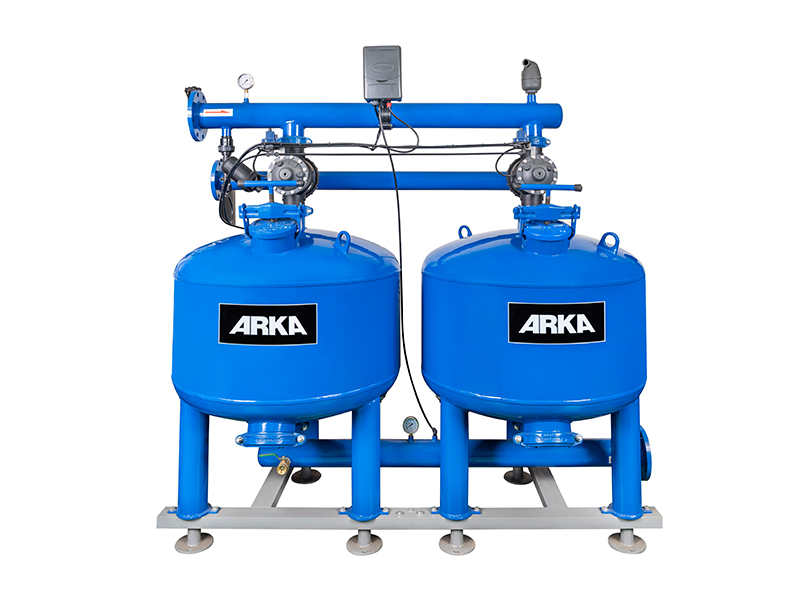
Visualize the underlying mechanics of a sand media filter to truly master maintenance. Water pumps into the top of the tank during standard operation. It forces downward through a bed of specially graded silica sand. The sharp edges of the grains trap organic debris and particulate matter. Only purified water exits through the bottom laterals. High-quality systems can filter particles down to 20 microns. These trapped particles eventually reduce the microscopic spaces between the grains. This restricts flow and increases internal pressure.
A backwash sand filter process mechanically reverses this normal downward flow. Manipulating the valve directs water down through the center standpipe. It pushes upward through the laterals. This upward force lifts and expands the compacted bed by roughly 20 percent. The expansion dislodges trapped contaminants. Dirty water then expels through a dedicated waste line instead of returning to your primary network.
Neglecting this routine causes severe operational failures. Overloaded units force water through the path of least resistance. This creates deep channels in the bed. Channeling allows unfiltered water to bypass the media entirely. Extreme pressure buildup also strains the pump motor and leads to premature equipment failure.
Relying on guesswork often leads to inefficiency. Operators must monitor specific indicators to determine the exact moment maintenance is required.
The pressure gauge serves as your most reliable diagnostic tool. Note the normal operating pressure when you install fresh media. This serves as your clean baseline. Initiate a flush when the gauge reads 8 to 10 PSI above that baseline. For instance, if your system runs at 15 PSI perfectly clean, take action at 23 to 25 PSI. Climbing beyond this threshold significantly reduces the filtration rate.
Physical signs provide excellent secondary confirmation. Cloudy water returning to the basin indicates a fully saturated media bed. Visible debris passing through the return lines is another major red flag. A noticeably weaker water flow from return jets or irrigation emitters suggests the motor is struggling.
Modern agricultural and municipal water management is shifting rapidly. Facilities are abandoning rigid time-based maintenance schedules. Industry data shows that flushing strictly by the clock wastes thousands of gallons of water annually. Instead, the current trend emphasizes data-driven maintenance. Modern setups utilize smart pressure differential sensors. These sensors trigger cleaning cycles only when the media bed reaches optimal saturation. This approach maximizes water conservation while maintaining peak filtration efficiency.
Executing a flush requires strict adherence to a specific sequence. Deviating from this workflow compromises internal components.
Safety begins at the power switch. Completely shut off the pump before making any adjustments. Never turn the handle of the multiport valve while the motor runs. Adjusting valves under intense pressure will dislodge or tear the delicate internal spider gasket. This leads to permanent internal leaks.
Securely clamp your discharge hose to the waste port. Route the hose to a proper drainage area. Keep local municipal wastewater regulations in mind. Smooth out any kinks in the line. Trapped water pressure easily ruptures a folded hose.
Firmly press down on the multiport handle with the motor silent. This compresses the stiff internal spring. Rotate the handle until the indicator points directly to the correct setting. Release the handle to lock it securely into the designated groove.
Flip the breaker back on. Water begins flowing backward through the tank as the plumbing primes. Locate the clear plastic sight glass on the side of the valve. The water inside will quickly turn dark and muddy. This confirms trapped dirt is being forcefully expelled.
Cut the power again once the sight glass runs clear. Depress the handle and shift it to the Rinse position. Turn the power back on. Let it run for 30 to 60 seconds. The reverse flow previously lifted and disrupted the compacted sand. The rinse cycle sends water in the normal downward direction but directs it out to the waste line. This resettles the bed into a compact filtration layer. It also purges any remaining dirty water.
Turn off the motor one final time. Lock the handle back into the standard Filter position. Power the system back on. Inspect the return lines to ensure crystal-clear water is flowing. Immediately check your pressure gauge. The needle should drop back down to your original clean baseline pressure.
Understanding the exact duration is critical. It maintains efficiency without wasting excessive water. A standard flush typically runs for 2 to 3 minutes. The reversed current lifts the media bed during this timeframe. It suspends trapped particulates and flushes them out.
Relying solely on a countdown timer is an imperfect method. Prioritize the visual clarity of the water over a strict clock. Continue running the cycle until the water in the sight glass transitions from heavily clouded to completely transparent.
Environmental variables alter this timeframe. Processing an unusually heavy load of organic matter takes longer. Severe rainstorms or heavy agricultural runoff might require up to 4 or 5 minutes of continuous flushing.
Agricultural and landscape networks face unique environmental challenges. An irrigation sand filter typically connects to open water sources. This drastically changes equipment management.
Drawing water from rivers or deep wells introduces heavy loads of algae, silt, and mineral deposits. These agricultural contaminants quickly bind the grains together. This leads to rapid pressure spikes. Operators managing agricultural sources must monitor their gauges daily during peak seasons.
Large-scale agricultural setups frequently configure multiple tanks connected via a manifold. Flushing these industrial systems requires checking the pressure differentials across the manifolds. You must clean one tank at a time. The other tanks remain online to supply the necessary clean water pressure for the reverse flow.
Manual cleaning processes drain time and labor resources for facility managers. They require physical presence and constant gauge monitoring. Human error causes catastrophic equipment damage.
Upgrading to automated technology solves these operational bottlenecks. An automatic sand filter utilizes advanced sensors to monitor the system continuously. The programmable logic controller triggers the cleaning sequence automatically when internal pressure reaches the critical threshold.
Integrating a commercial-grade water treatment filter guarantees optimal water clarity. It reduces labor costs and extends media lifespan. Modern industrial units feature carbon steel housings with epoxy coatings. They handle maximum working pressures up to 8 bar, ensuring durability in harsh environments.
| Feature | Manual Sand Filter | Automatic Sand Filter |
|---|---|---|
| Labor Requirement | High. Requires physical valve operation. | Zero. Fully automated PLC control. |
| Maintenance Trigger | Visual inspection and manual gauge reading. | Precision Pressure Differential Sensors. |
| Water Efficiency | Prone to over-washing and water waste. | Highly efficient. Washes only when necessary. |
| Ideal Application | Small residential setups. | Large agricultural and commercial networks. |
Experienced operators sometimes fall into bad habits. Avoiding these errors protects your infrastructure.
Turning the multiport handle while the motor runs is highly destructive. Pressurized water creates immense resistance. Forcing the handle tears the internal spider gasket. This causes a permanent leak where dirty water bypasses the media entirely.
Many users rush the process to save time. This is a critical oversight. Water immediately surrounding the media remains dirty after a reverse flow. Skipping the 1-minute rinse cycle blows suspended dirt directly back into your clean water supply.
A perfectly spotless media bed does not perform best. These units operate more efficiently with a small amount of dirt trapped inside. The initial layer of debris reduces the spaces between grains. This catches even finer microscopic particles. Cleaning too frequently actively reduces micron-level capture efficiency.
The physical silica inside eventually degrades. Continuous water friction wears down the sharp edges of the grains. They become smooth and round over the years. Smooth media cannot trap debris effectively. Extract and replace the media completely every 3 to 5 years.
Consistently monitoring your pressure gauge prevents major system failures. Always follow the strict sequence of powering down the pump before adjusting valves. Never skip the vital rinse cycle. Proper maintenance is non-negotiable for backyard setups and large-scale agricultural networks alike. Upgrading to automated solutions offers a reliable approach for those looking to eliminate manual monitoring. Ready to optimize your water management? Explore high-performance filtration solutions at ARKA Irrigation to find the exact system tailored to your agricultural or commercial needs.
Yes, you certainly can. A slightly dirty media bed operates more efficiently. Trapped debris helps catch finer particles. Flushing the system too frequently prevents it from reaching peak capture efficiency. Perform this maintenance only when the pressure gauge rises 8 to 10 PSI above normal.
Seeing a very small amount of fine dust initially is normal. Large amounts of media flushing out indicate a mechanical failure. A cracked lateral or a broken standpipe commonly causes this. It also occurs if the tank was overfilled during a recent media replacement.
Replace the silica every 3 to 5 years under normal conditions. Continuous water flow wears down the sharp edges of the grains. Smooth grains cannot trap fine debris. This leads to cloudy water regardless of how often you clean the system.
Several issues could be occurring if pressure remains high. The media might be deeply channeled or calcified. This condition is known as mudballing. It requires a chemical cleaner or complete replacement. Obstructed return lines or a broken pressure gauge are also possible culprits.
The physical valve movements and motor shut-off requirements are identical. Post-maintenance requirements differ significantly. Diatomaceous Earth powder flushes out of the system along with the dirt. You must manually add fresh powder back into the system to coat the internal grids after cleaning.
Wastewater disposal depends heavily on local municipal codes. Pool water contains chlorine and other chemicals. Never discharge it directly into storm drains or natural bodies of water. Route the discharge hose to a dedicated sanitary sewer cleanout or use it for specific drought-tolerant landscaping if local laws permit.
Most modern filtration pumps are self-priming. They will automatically pull water and purge air from the lines once you switch back to standard filtration mode. If the pump basket remains completely dry after a few minutes, you may need to manually fill the strainer basket with water to help it catch prime.


