
Views: 0 Author: Site Editor Publish Time: 2026-10-06 Origin: Site


Introduction
Is your morning coffee tasting a bit bitter lately? Unwashed brewing equipment quickly ruins high-quality coffee beans. Coffee oils and hard water scale build up fast. This turns that anticipated morning cup into a disappointing experience. In this post, you will learn the exact maintenance steps required to keep your commercial chef 5-cup small drip coffeemaker with pour over filter in pristine condition. We will cover everything from a quick daily wash to deep descaling techniques.
Key Takeaways
Maintaining this compact kitchen companion goes far beyond basic aesthetics. It is a fundamental requirement for optimal functionality and beverage safety. When coffee beans are roasted, they release natural lipids. During the brewing process, these oils adhere to the interior surfaces of the basket and the glass carafe. If left uncleaned, these lipids undergo rapid oxidation and turn rancid. Specifically, this chemical breakdown is the primary reason a fresh bag of premium roast can suddenly taste excessively bitter, sour, or metallic.
Furthermore, machine longevity and overall performance are directly tied to your cleaning schedule. Tap water contains dissolved minerals, predominantly calcium and magnesium. As water is heated inside the coffeemaker, these minerals precipitate out of the liquid and form solid deposits on the internal heating elements and aluminum tubing. This calcification acts as a thermal insulator. It forces the machine to work much harder to heat the water. Consequently, this leads to sluggish brewing times, lukewarm coffee, and eventually, premature hardware failure.
Recent market analyses reveal a massive shift toward sustainable appliance maintenance. Consumers are holding onto their kitchen equipment significantly longer than a decade ago. This industry trend emphasizes repair and routine care over immediate replacement. Appliance engineers note that mineral buildup is the leading cause of internal thermostat failure. Understanding the anatomy of your brewer and performing regular descaling is no longer just for professional baristas. It has become a standard household practice to protect your investment.
Finally, health and hygiene must be considered. The warm and damp environment inside a water reservoir is an ideal breeding ground for mold spores and bacterial growth. Removing residual moisture and dumping old grounds immediately mitigates these biological risks. This ensures that your daily caffeine fix remains perfectly safe for consumption.
To clean your equipment effectively, you must grasp the specific type of filtration system it employs. The commercial chef model features a reusable pour-over style mesh filter. Unlike disposable bleached paper alternatives, which absorb a significant portion of the coffee’s natural oils and trap micro-fines, a delicate metal or nylon webbing allows these essential oils to pass directly into the carafe. The result is a brew with a heavier body, a richer mouthfeel, and a remarkably robust flavor profile.
However, the fragile nature of this kitchen-grade component requires specific and mindful handling. From an engineering perspective, it is helpful to compare it with heavy-duty fluid management systems. In industrial water treatment or agricultural irrigation, operators evaluate filtration by micron rating and structural integrity. They often rely on a rugged screen filter or a heavy-duty disc filter to handle large volumes of sediment and grit under intense pressure.
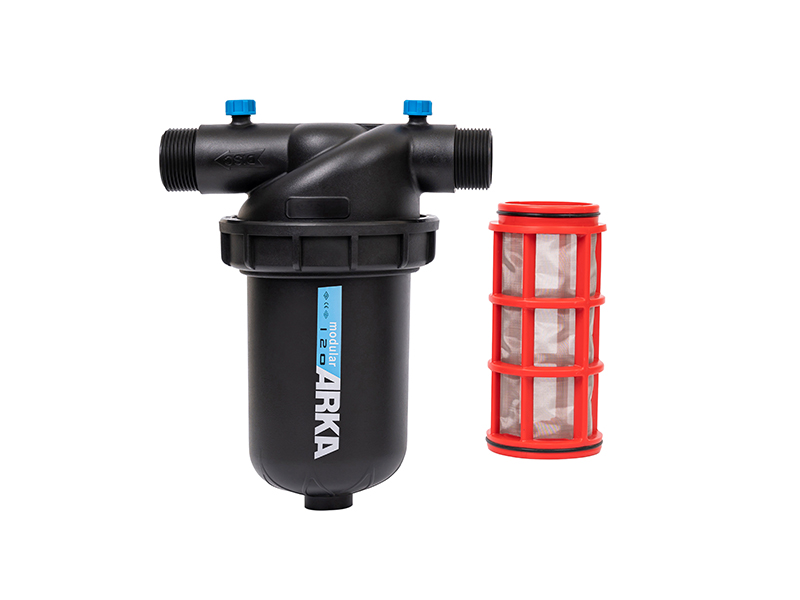
For example, an industrial T-Type Plastic Screen Filter handles massive flow rates using a precise 120 mesh configuration. It easily captures 130-micron particles under extreme water pressure without tearing. These industrial units withstand aggressive chemical washes and high-pressure backflushing. In stark contrast, your home coffee maker relies on a highly sensitive micro-mesh. It absolutely cannot withstand high physical pressure or abrasive scrubbing. Treating your delicate coffee accessory with the same aggressive force one might use on an industrial component will inevitably lead to tearing, warping, and the frustrating need for immediate replacement.
| Feature | Home Coffee Mesh Filter | Industrial T-Type Screen Filter |
|---|---|---|
| Material Durability | Delicate nylon or thin metal webbing | Heavy-duty industrial plastic housing |
| Filtration Level | Variable micro-fines blocking | Precise 120 mesh or 130 micron rating |
| Pressure Tolerance | Gravity drip only | High-pressure fluid management |
| Cleaning Protocol | Gentle manual rinse and soak | Aggressive backflushing allowed |
Establishing a strict daily cleaning routine is the most effective way to prevent the hardening of organic residue. This routine should take no more than three minutes. Make it a habit to perform these steps immediately after the morning rush settles and the machine has cooled down.
Once the basket is cool to the touch, remove it carefully. Dispose of the wet grounds into a compost bin or organic waste receptacle. It is critical to avoid banging the plastic housing against the rim of a trash can to dislodge stubborn clumps. That physical impact causes micro-fractures in the frame and can detach the delicate webbing. Instead, use a soft silicone spatula to coax the grounds out. You can also simply rinse the remainder under a gentle stream of tap water.
Immediately after disposing of the waste, wash the component. Use warm running water and just a single drop of mild dish detergent. Gently massage the interior and exterior with your fingertips to break down the surface tension of the fresh oils. Rinse thoroughly until the water runs completely clear and no soap bubbles remain. Allowing it to air dry on a rack prevents lint from dish towels from clogging the microscopic pores.
The 5-cup glass carafe should be washed daily with warm water, mild soap, and a non-abrasive sponge. Pay special attention to the interior bottom. Dark liquids can easily bake onto the glass due to the heat of the warming plate. Once that non-stick warming plate has completely cooled to room temperature, wipe it down with a slightly damp microfiber cloth to erase any accidental drips. Never submerge the electrical base of the appliance in water.
Even with diligent daily rinsing, microscopic oils and fine particulate matter will gradually embed themselves within the tight weave over several weeks. When this inevitable buildup occurs, a quick splash of water is no longer sufficient. A targeted deep cleaning process becomes necessary to restore optimal flow.
You can easily identify a clogged system through empirical observation. If you notice water pooling dangerously high at the top of the grounds during the brew cycle, it is time to intervene. Additionally, if the dripping process has slowed to an agonizing crawl or your resulting beverage tastes unusually weak, water is bypassing the grounds completely.
Baking soda, also known as sodium bicarbonate, serves as an excellent alkaline cleaning agent. It effectively saponifies stubborn and trapped lipids without leaving behind a toxic soapy residue.
First, dissolve two tablespoons of baking soda in a small bowl of warm water. Submerge the component completely in this alkaline bath. Allow it to soak undisturbed for a minimum of 30 to 45 minutes. This extended dwell time gives the chemical reaction a chance to loosen the hardened lipids from the synthetic fibers.
After the soaking period concludes, remove the item from the bath. Using a clean and soft-bristled toothbrush specifically designated for kitchen detailing, gently scrub the mesh from both the inside and the outside. Apply minimal pressure. Your goal is simply to agitate the loosened particles. Do not force the stiff bristles through the delicate webbing. Finally, rinse thoroughly under warm tap water to flush out the remaining baking soda and dislodged debris.
While daily soap and water address organic buildup, descaling tackles the stubborn inorganic invaders. Descaling is a non-negotiable maintenance requirement for any household appliance that heats water.
Descaling is the specific chemical process of dissolving calcium carbonate and magnesium deposits that have bonded tightly to the internal aluminum heating element. If left untreated, this chalky scale severely reduces the thermodynamic efficiency of the machine. It prolongs brew times and can even cause the internal thermostat to short out entirely.
Standard white household vinegar contains roughly five percent acetic acid. This makes it a highly effective and food-safe solvent for dissolving mineral scale.
To begin preparation, empty the carafe and ensure the basket is completely free of old grounds. Mix a solution of equal parts distilled white vinegar and cold water. Pour this acidic mixture directly into the water reservoir up to the maximum fill line. Turn the machine on and allow it to process approximately half of the solution into the glass pot. Then, abruptly turn the machine off. This strategic pause suspends the heated acidic solution directly inside the internal tubing. Let it sit undisturbed for 30 to 45 minutes to eat away at the calcification.
Afterward, turn the power back on to push the remaining liquid through the system. Discard the hot and cloudy vinegar solution. The next step is absolutely critical to prevent your next batch of morning roast from tasting like salad dressing. Fill the reservoir to the brim with fresh cold water and run a complete cycle. Repeat this fresh water flush two to three times until the exhaust steam and the carafe water no longer carry that pungent odor.
For users who are particularly sensitive to the smell of heated vinegar, commercial descaling powders are viable alternatives. Food-grade citric acid powder also works wonders. Dissolve two tablespoons of citric acid in a full reservoir of water and follow the exact same brewing, soaking, and flushing protocol outlined above. Citric acid is highly effective and leaves zero residual scent.
The frequency with which you must subject your compact brewer to chemical descaling is almost entirely dependent on the quality of the water you pour into the reservoir. Understanding your local water profile can save you significant maintenance time and frustration.
In regions plagued by hard water, municipal tap lines deliver water containing high levels of Total Dissolved Solids. When this mineral-heavy water hits the flash-heating element inside your drip brewer, the minerals instantly crystallize and cling to the metallic surfaces. The harder your water, the faster this destructive calcification occurs.
To mitigate this issue right at the source, experts highly recommend using pre-filtered water for brewing. Utilizing water from a standard pitcher can drastically reduce the mineral content before it ever enters your appliance. This single habit change can extend your required descaling interval from a tedious four weeks to a manageable twelve weeks.
If you are looking for a more permanent solution for your kitchen, consider upgrading the water source itself. Homes equipped with a comprehensive inline filter beneath the sink provide excellent purified water for coffee brewing. These advanced systems strip out excess minerals and chlorine. Not only does this protect the internal plumbing of your coffee maker from scale, but it also ensures a chemically neutral base. This allows the true and nuanced flavor notes of your expensive coffee beans to shine through unimpeded.
Even with a highly regimented cleaning schedule, you may occasionally encounter frustrating performance hiccups. Troubleshooting these problems systematically will help you quickly determine whether the machine requires a simple wash, a harsh chemical descale, or a mechanical adjustment.
If the brew cycle takes noticeably longer than the standard five to seven minutes, you must isolate the variable. First, inspect the basket. If water is pooling heavily on top of the grounds, the mesh is clogged with oils and desperately requires a baking soda soak. In contrast, if the basket is clean but the machine is sputtering, making loud hissing noises, and producing excessive steam rather than a steady stream of hot water, the internal heating tube is choked with scale. An immediate vinegar descale is mandatory.
A synthetic plastic taste is incredibly common in brand-new machines. This is merely due to harmless manufacturing residues. Before brewing actual coffee in a new unit, always run two full cycles of plain water. On the other hand, if your coffee tastes sour or distinctly like vinegar immediately after a maintenance day, your fresh water flush was insufficient. Run two additional cycles of cold water through the machine to completely purge the remaining acetic acid.
If dark water and muddy grounds are overflowing the basket and leaking all over the warming plate, check the physical seating of the components. The pour-over basket must sit perfectly flush within its plastic housing. Furthermore, ensure you are not exceeding the maximum capacity for coffee grounds. Using too fine of a grind can also trigger an overflow. Dense grounds create an impenetrable barrier that water cannot pass through quickly enough. This forces the boiling water up and over the edges. Always stick to a medium-coarse grind for an optimal flow rate.
Proper maintenance of your compact brewer is highly effective and surprisingly simple. Daily rinsing prevents the rapid accumulation of bitter coffee oils, while routine descaling removes the stubborn mineral deposits that hinder internal heating elements. Always remember to handle the delicate filtration components with extreme care to avoid accidental tears. By utilizing filtered water and adhering to these straightforward steps, you ensure optimal performance, extended appliance longevity, and absolute flavor clarity in every single cup.
If you are dealing with larger fluid management challenges or need heavy-duty filtration solutions for agricultural or commercial systems, upgrading to professional-grade equipment is the best path forward. Visit Arka Irrigation to find the exact self cleaning filter or high-capacity screen filter engineered to meet your rigorous sediment removal demands.
While some rigid plastic components may be rated by the manufacturer as top-rack dishwasher safe, it is strongly advised to hand wash the delicate mesh. The high-pressure water jets and highly abrasive enzymatic detergents used in modern dishwashers can warp the plastic housing. This prematurely degrades the fine screen, leading to holes and grounds in your cup.
The frequency depends entirely on your usage habits and local water hardness. If you run the machine daily with standard municipal tap water, descaling every four to six weeks is optimal. However, if you exclusively use filtered or reverse-osmosis water, you can safely extend this maintenance interval to every two to three months.
This specific appliance is engineered to operate optimally with its custom-fitted reusable pour-over basket. Placing a disposable paper liner inside the reusable one restricts flow too heavily. This likely causes hot water to back up and overflow the basket onto your counter. If you prefer paper liners for health reasons, you must remove the reusable component entirely, though the machine's extraction efficiency is best with the provided hardware.
All reusable metal or nylon meshes allow microscopic coffee particles, known in the industry as micro-fines, to pass through into the carafe. To minimize this muddy sediment, ensure your coffee grinder is set to a medium or medium-coarse setting. Extremely fine grinds will easily slip through the webbing and create a thick sludgy texture at the bottom of your mug.
If you want to avoid the pungent smell of vinegar, food-grade citric acid is the best alternative for descaling. Dissolve two tablespoons of citric acid powder in a full reservoir of water and run the brew cycle. It is highly effective at breaking down mineral scale and leaves absolutely no lingering odor or aftertaste.
If your machine is still sluggish after a full descale, the mineral buildup in the aluminum heating tube may be excessively thick. A single pass of vinegar might not have been enough to dissolve the severe calcification. Run a second, more concentrated descaling cycle and ensure you let the hot acidic solution soak inside the machine for at least 45 minutes before flushing.


