
Views: 0 Author: Site Editor Publish Time: 2026-10-12 Origin: Site


Are you tired of battling cloudy pool water? Standard paper cartridges often fail to keep water clean. This is especially true during the peak of summer when temperatures soar and bather loads increase. Good water clarity needs solid circulation and proper filtration working in perfect harmony.
In this post, you will learn exactly how a fibropool sand filter pump system for above ground swimming pools solves this persistent issue. By upgrading your setup, you can transform a murky backyard oasis into a crystal-clear retreat without the constant headache of manual maintenance.
To fully appreciate the efficiency of your pool equipment, we need to examine the fundamental principles of depth filtration. Rather than relying on fragile paper elements, this method utilizes natural mechanical processes to separate impurities from your swimming water.
At its core, a sand media filter operates on the principle of volumetric trapping. Picture the water being drawn forcefully into the top of a pressurized tank. It is then driven downward through a dense, heavy bed of filtering aggregate. Traditionally, this consists of #20 silica sand, though modern alternatives like crushed glass or polyethylene balls are increasingly popular.
As the water percolates through this deep matrix, the sharp, irregular edges of the silica grains act as microscopic hooks. These edges physically trap particulate matter. A properly functioning sand bed can capture particles as small as 20 to 40 microns. To put this into perspective, a single strand of human hair is approximately 70 microns in diameter. Consequently, the depth of the sand ensures that even if a particle bypasses the top layer, it will inevitably be snagged deeper within the tank.
Beyond basic mechanical trapping, sand filtration offers minor biological benefits. Over time, a thin layer of beneficial organic material forms at the top of the sand bed. This biological layer actually assists in capturing even finer particles. When evaluating long-term pool maintenance, integrating a reliable water treatment filter creates a highly effective natural barrier against debris.
Unlike pleated cartridges that require frequent removal and manual chemical soaking, sand systems contain the mess within the tank until it is intentionally flushed out. This automated mechanism requires significantly less manual intervention and provides a far more stable flow rate over extended periods.
Filtration simply cannot occur without adequate water movement. A fibropool sand filter pump system for above ground swimming pools is specifically engineered to address the intense hydraulic demands of moving thousands of gallons of water efficiently.
The driving force behind this setup is a high-efficiency centrifugal pump. From an engineering standpoint, matching motor capacity to pool volume is critical. Understanding Gallons Per Hour is essential for calculating your pool turnover rate, which is the exact amount of time it takes for the pump to cycle the entire volume of water through the filter.
Industry standards generally recommend a complete turnover at least twice within a 24-hour period. High flow ratings ensure that this turnover is achieved swiftly. This reduces the total daily runtime required and conserves electrical energy.
Stagnant water is the primary catalyst for algae blooms and bacterial growth. The strong suction generated by the pump pulls surface water rapidly through the skimmer. This draws in floating leaves and insects before they can sink and decay. Simultaneously, the pump pushes the filtered water back out through the return jets under significant pressure.
This continuous push-and-pull creates a robust circular current within the pool basin. It effectively eliminates dead zones, which are isolated corners where water typically remains motionless. Furthermore, proper circulation guarantees that chlorine, algaecides, and pH-balancing chemicals are distributed evenly throughout the water.
Understanding the exact path water takes through the system can help owners diagnose potential issues and appreciate the engineering behind the unit. Here is exactly what happens during a standard hydraulic cycle.
The purification process begins when water is drawn from the pool skimmer into the pump housing. Before reaching the delicate pump impeller, the water passes through the pump strainer basket. This component acts as a crucial pre-filter. It catches large debris such as twigs, hair, and insects, preventing mechanical damage to the impeller and stopping the main tank from clogging prematurely.
Once propelled by the impeller, the water is forced through a connecting hose into the top of the filter tank. Inside the dome, a component called a diffuser evenly disperses the incoming water over the entire surface area of the filtration media. This dispersion is vital. It prevents the high-pressure water from drilling a single hole through the sand, ensuring the entire bed is utilized.
Pressurized by the pump, the water is pushed downward through the dense sand matrix. During this percolation phase, dirt, body oils, cosmetics, and microscopic impurities are stripped from the water and securely trapped between the grains of sand.
At the very bottom of the filter tank sits a hub with several slotted tubes extending outward, known as laterals. The microscopic slots in these laterals are precisely sized to allow clean water to enter while keeping the sand grains outside. The purified water enters the laterals, travels up the central standpipe, passes back through the multi-port valve, and is forcefully returned to the pool via the return jet.
Looking at recent global market trends, the demand for robust circulation setups in the above-ground pool sector has surged dramatically. Climate data indicates that summers are growing hotter and longer across many regions. Consequently, the frequency of severe algae blooms has intensified. This environmental shift is pushing consumers away from low-capacity, disposable cartridge setups.
Industry analysis reveals a strong transition toward high-turnover, energy-efficient sand systems. Today, pool owners prioritize sustainable, low-maintenance equipment capable of handling heavier bather loads without constant manual intervention. This perfectly aligns with the engineering philosophy behind advanced automated sand filtration technology.
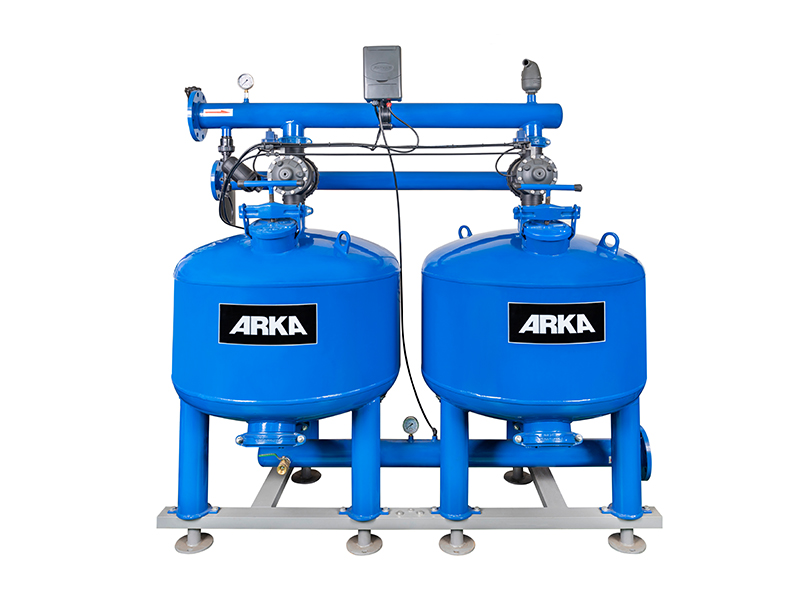
When analyzing equipment upgrades, specific product features dictate long-term reliability. Drawing inspiration from industrial-grade solutions like the ARKA F40 series, modern consumer systems now incorporate heavy-duty design elements targeted directly at common pain points.
Quality control is a significant factor in pressure-bearing aquatic equipment. Advanced tanks are constructed from high-density materials, often mirroring the carbon steel or stainless steel durability seen in professional units like the 1000mm diameter ARKA filters. This robust construction prevents the tank from degrading when exposed to direct sunlight and harsh chemicals. They typically operate safely and efficiently within a 0.2 to 0.3 MPa working pressure range.
A frequent challenge when upgrading pool equipment is plumbing compatibility. Modern systems address this by including comprehensive sets of universal hose adapters. In practical terms, this plug-and-play approach allows users to connect the system to standard hoses without requiring frustrating additional trips to the hardware store for custom PVC fittings.
To make the upgrade choice clearer, let us look at a direct engineering comparison between standard options and advanced sand systems.
| Feature | Standard Cartridge Filter | Advanced Sand Media System |
|---|---|---|
| Filtration Method | Surface trapping on pleated paper | Depth filtration through aggregate bed |
| Maintenance Frequency | Manual cleaning every 1 to 2 weeks | Mechanical backwash every 2 to 4 weeks |
| Flow Rate Stability | Drops rapidly as paper clogs | Remains highly stable under pressure |
| Media Lifespan | 1 to 3 months per cartridge | 3 to 5 years per sand batch |
Understanding the multi-port valve is essential for maximizing efficiency. Positioned at the top or side of the tank, this valve acts as the command center for water flow. Its precise internal engineering functions much like an automatic sand filter controller. It seamlessly redirects high-pressure water to perform different maintenance tasks without requiring you to dismantle the plumbing.
This is the standard operational mode where the system will spend the vast majority of its time. When the valve is set here, the pump pulls untreated water from the pool skimmer and forces it into the top of the tank, distributing it evenly over the sand bed to maintain optimal water clarity.
Over time, trapped debris builds up inside the sand bed, restricting water flow and increasing internal pressure. This is where the backwash filter setting becomes critical. The multi-port valve reverses the flow of water. Instead of entering from the top, water is forced down the central standpipe and out through the laterals at the bottom. This upward surge lifts and separates the sand bed, dislodging trapped dirt and algae, which is then directed out of the waste port.
To fully control your pool environment, you must utilize the secondary valve settings correctly.
Always use the Rinse setting for 30 to 60 seconds immediately after backwashing. It sends water down through the sand to settle the bed back into place and flushes out any residual dirty water in the pipes. In contrast, the Waste mode bypasses the sand bed entirely. It pulls water from the pool and pumps it directly out the waste line, which is highly effective for vacuuming heavy algae blooms. Finally, the Winterize mode is used during the off-season to prevent water from entering the tank and freezing.
Even high-quality equipment requires periodic monitoring. By following a few evidence-based maintenance protocols, you can ensure consistent water quality throughout the swimming season and prevent unnecessary service calls.
The pressure gauge is the most important diagnostic tool on your system. When you first install the system with fresh sand, take note of the starting pressure while running in Filter mode. This is your clean baseline. An objective engineering rule of thumb is to backwash the system when the gauge reads 7 to 10 PSI above this baseline. If you backwash too frequently, the sand will not catch finer particles. If you wait too long, the restricted flow will put undue strain on the pump motor.
Unlike paper cartridges that need replacing every few weeks, sand is highly durable. Standard #20 silica pool sand typically lasts between 3 to 5 years. Over time, the jagged edges of the sand particles become smooth from constant water friction, reducing their ability to catch micro-debris. You may need to replace the media sooner if you notice persistently cloudy water or unusually short cycles between required backwashes.
Air bubbles in return jets typically indicate an air leak on the suction side of the pump. Inspecting the pump lid O-ring and skimmer hose connections usually resolves this. If the pressure gauge is low but flow is weak, check the skimmer and pump strainer baskets for blockages. If the pump is humming but not pumping, it has lost prime. Turn off the pump, fill the pump basket housing with water from a hose, seal tightly, and restart to restore suction.
Many above-ground pools are sold with undersized, low-capacity cartridge pumps. Upgrading to a robust sand system offers measurable advantages in cost, time management, and structural longevity.
Cost-effectiveness is a major factor. The initial investment pays dividends over time. Standard pleated paper cartridges must be replaced every two to four weeks during peak summer months, creating a recurring expense. In contrast, a single batch of pool sand costs a fraction of the price and lasts for several years. Furthermore, high-efficiency motors optimize electrical consumption.
These systems also provide significant time-saving operations. Instead of spending 30 minutes meticulously hosing debris out of paper pleats on a hot Saturday afternoon, cleaning a sand filter is a simple mechanical process. By moving the multi-port valve to the backwash position and running the system for two minutes, the unit cleans itself.
The objective is to achieve at least one complete turnover per day, meaning all the water in your pool passes through the filter once. Depending on your pool capacity and the pump flow rate, this typically requires running the system for 8 to 12 hours daily. During periods of heavy use or extreme heat, you may need to increase this run time.
Yes, the tank is fully compatible with alternative media. While standard silica sand filters particles down to about 20 to 40 microns, crushed recycled glass media can trap particles as small as 5 to 10 microns and is less prone to channeling. Always follow the manufacturer conversion ratios when substituting media.
You should not backwash on a strict time schedule, as doing so can actually reduce filtration efficiency. Instead, rely on the pressure gauge. Perform a backwash cycle only when the gauge reads 7 to 10 PSI above the clean starting pressure you recorded after adding fresh sand.
Yes. One of the primary advantages of these upgraded systems is their plug-and-play design. They generally include universal hose adapters and fittings specifically engineered to connect seamlessly with popular pool structures on the market, eliminating the frustration of hunting for specialized plumbing parts.
As a general engineering guideline, calculate your total pool volume and choose a pump that can turn over that entire volume in 8 hours. For instance, a 10,000-gallon pool requires a pump with a minimum flow rate of 1,250 Gallons Per Hour. Upsizing slightly is always recommended for better clarity and shorter run times.
This usually indicates a broken lateral at the bottom of the filter tank or a damaged internal standpipe. It can also happen if the tank is overfilled with sand during installation, or if you skip the crucial Rinse cycle immediately after backwashing.
A fibropool sand filter pump system for above ground swimming pools ensures exceptionally clear water by perfectly combining powerful circulation with reliable depth filtration. By upgrading your current setup, you eliminate the tedious chores associated with disposable cartridges, saving valuable time and reducing long-term maintenance costs.
You can finally enjoy your swimming pool without the constant worry of cloudy water or algae spikes. If you are looking to upgrade your water treatment infrastructure with industrial-grade reliability, explore the advanced filtration solutions at ARKA. Assess your pool capacity, choose the right model for your backyard today, and experience a dramatic improvement in your water quality.


