


Have you ever wondered how industries efficiently separate solids from liquids? Disc filters play a crucial role in this process. They are vital across various sectors, ensuring smooth operations. In this article, you'll learn about disc filters' components, their working mechanisms, and their applications. Discover how these filters enhance industrial and municipal water treatment, wastewater management, and irrigation systems.
A disc filter is a filtration device consisting of multiple stacked discs, each divided into sectors shaped like slices of pizza. These discs are connected to a central barrel and rotate through a slurry tank. Each sector features microscopic grooves or perforations covered by a cloth bag, allowing liquid to pass through while retaining solids. The central barrel collects the filtered liquid and directs it out of the system.
Key components include:
Discs and sectors: Capture solids on cloth bags while allowing liquid flow.
Center barrel: Channels filtered liquid from sectors.
Filter tank and agitator: Holds slurry and keeps it mixed for consistent filtration.
Variable speed drive: Controls disc rotation speed to match process needs.
Valve system: Manages vacuum and discharge phases during filtration.
The filtration process begins with the discs partially submerged in slurry. As the discs rotate, slurry passes through the cloth bags covering the sectors. Solids accumulate on the cloth, forming a filter cake, while liquid passes through grooves into the sectors and then into the center barrel.
The rotation moves the discs through several zones:
Filtration zone: Solids build up on the cloth, thickening the filter cake.
Drying zone: Vacuum continues to pull liquid, drying the cake.
Discharge zone: Air bursts inflate the cloth bags, loosening solids.
Scraping zone: Scraper blades remove solids, which fall into a collection hopper.
Washing zone: Spray nozzles clean the cloth bags, preparing them for the next cycle.
This continuous rotation enables efficient filtration with minimal downtime.
Disc filters differ from other filtration types in several ways:
| Versus screen filters | Disc filters handle both organic and inorganic particles effectively, especially at high flow rates. Screen filters excel at removing inorganic debris but may clog faster with organic matter. |
| Versus sand media filters | Disc filters require less backflush water and have quicker cleaning cycles, but may clog more rapidly when filtering organic substances. |
| Versus rotary drum vacuum filters | Both use vacuum to pull liquid through filter media, but disc filters have a smaller footprint and can process slurry on both sides of each disc simultaneously. |
Overall, disc filters offer a compact, efficient solution for applications requiring high filtration capacity and effective removal of fine particulates.
Tip: Adjust disc rotation speed to optimize cake formation and drying phases, improving filtration efficiency and extending cloth life.
Disc filters serve a vital role across many industries by efficiently removing solids from liquids in various processes. Their design suits multiple filtration needs, making them versatile and widely used. Here are some key applications:
In industrial settings, disc filters help treat process water by removing suspended solids and contaminants. They are ideal for filtering cooling tower water, boiler feed water, and process effluents. Their high filtration capacity and ability to handle large flow rates make them suitable for continuous operation. Industries such as pulp and paper, food and beverage, and chemical manufacturing rely on disc filters to maintain water quality and protect downstream equipment.
Municipal water treatment plants use disc filters to clarify raw water and improve its quality before distribution. These filters effectively remove algae, silt, and other particulates that can cause turbidity and affect taste or odor. Disc filters also help in treating water for recreational facilities and irrigation in urban landscapes. Their compact design and efficient cleaning cycles allow municipalities to maintain consistent filtration performance with minimal maintenance.
Wastewater treatment plants employ disc filters to separate solids from treated water before discharge or reuse. They are effective in tertiary treatment stages, removing fine suspended solids that escape primary and secondary processes. Disc filters reduce the load on downstream equipment and help meet stringent environmental discharge regulations. Their ability to handle organic matter and variable flow rates makes them a reliable choice for municipal and industrial wastewater treatment.
Disc filters are popular in agricultural irrigation systems to protect drip emitters and sprinklers from clogging. They efficiently remove organic debris, algae, and sand particles from irrigation water. Their low water volume requirement for backflushing conserves water, crucial in arid regions. Automatic backflush disc filters help maintain continuous irrigation without frequent manual cleaning. This ensures uniform water distribution and enhances crop yield.
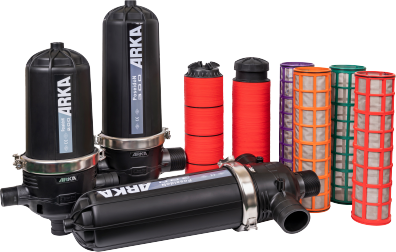
Disc filters offer a large filtration area thanks to their stacked disc design. Each disc contains multiple sectors covered with fine cloth, allowing them to capture a significant amount of solids in a compact space. This design enables disc filters to handle high flow rates without compromising filtration quality. They are especially effective in processes requiring continuous operation, where large volumes of slurry or water need treatment.
These filters excel at removing both organic and inorganic particles. The microscopic grooves on each disc sector trap fine particulates efficiently, preventing them from passing through. Their ability to form a uniform filter cake on the cloth surface enhances solid retention. This efficiency reduces downstream equipment wear and improves overall process quality. Industries like wastewater treatment and irrigation benefit from this reliable particulate removal.
Disc filters require less water for cleaning compared to sand media filters. Their backflushing process uses a low volume of water to reverse flow and clean the cloth bags, which saves water and reduces operational costs. Automatic backflush systems clean the discs quickly, often within 10 seconds, minimizing downtime. This water-saving feature makes disc filters a sustainable choice, especially in water-scarce regions or applications where water conservation is critical.
Disc filters require regular cleaning to maintain optimal performance. Two main backflushing methods exist: manual and automatic.
Manual backflushing involves stopping the filtration process, separating the discs, and reversing water flow through each disc to remove accumulated solids. This method is labor-intensive and causes downtime.
Automatic backflushing uses built-in mechanisms to clean discs without halting operation. Valves redirect water flow in reverse through the discs, flushing out debris. This process typically takes about 10 seconds and uses less water than sand media filters. Automatic systems reduce labor and downtime, making them ideal for continuous applications.
Proper cleaning ensures discs remain free of clogging and extend cloth bag life. Cleaning steps include:
Backflush initiation: Reverse water flow or apply low-pressure air bursts to dislodge solids from cloth bags.
Scraping: Scraper blades remove loosened solids from disc surfaces, which fall into collection hoppers.
Spray washing: Nozzles spray water onto discs to rinse residual debris and prepare the filter for the next cycle.
Inspection: Periodically inspect cloth bags for wear or damage and replace as needed.
Regular cleaning prevents buildup, maintains filtration efficiency, and reduces the risk of clogging.
Routine maintenance is vital for reliable disc filter operation. Neglecting cleaning can cause:
Increased pressure drop across the filter, reducing flow rate.
Faster clogging, leading to frequent shutdowns.
Damage to filter cloth bags, raising replacement costs.
Reduced filtration quality and higher operational expenses.
Scheduling regular cleaning cycles and inspecting components prolongs equipment life and improves process consistency. For irrigation or industrial water treatment, automatic backflushing disc filters provide optimal balance between efficiency and maintenance effort.
Disc filters and screen filters both remove particles from water, but they do so differently. Disc filters use a stack of grooved discs covered with cloth bags. Water passes through the grooves, trapping solids on the cloth. Screen filters rely on a fine mesh screen to catch particles as water flows through.
Disc filters handle both organic and inorganic matter well, especially algae and fine sediments. Screen filters excel at removing inorganic debris like sand and larger particles. Disc filters usually support higher flow rates than screen filters. Screen filters are simpler, often cleaned by rinsing or brushing, while disc filters require more involved cleaning, sometimes needing discs to be removed.
Cost-wise, screen filters tend to be less expensive upfront. Disc filters cost more but offer higher capacity and better performance in demanding conditions. Disc filters also need less backflush water than sand media filters, but more than screen filters.
Disc filters shine in industrial applications, municipal water treatment, wastewater treatment, and irrigation systems needing to remove organic matter like algae. Their high capacity suits large flow rates and continuous operation.
Screen filters work well in residential water treatment, agricultural irrigation, aquaculture, landscaping irrigation, and swimming pools. They are best for removing inorganic particles at low to medium flow rates.
For irrigation, automatic backflush disc filters prevent frequent manual cleaning and maintain steady filtration. Screen filters are easier to maintain but may clog faster if organic matter is present.
Contaminant type: Use disc filters for organic and mixed solids; screen filters for inorganic debris.
Flow rate: Disc filters handle high flow; screen filters suit low to medium flow.
Maintenance: Screen filters require simple cleaning; disc filters need periodic backflushing or disassembly.
Cost: Screen filters are more affordable; disc filters offer better long-term efficiency.
Water availability: Disc filters use less backflush water than sand filters but more than screen filters.
Application: Match filter type to specific needs, such as irrigation system size or industrial process requirements.
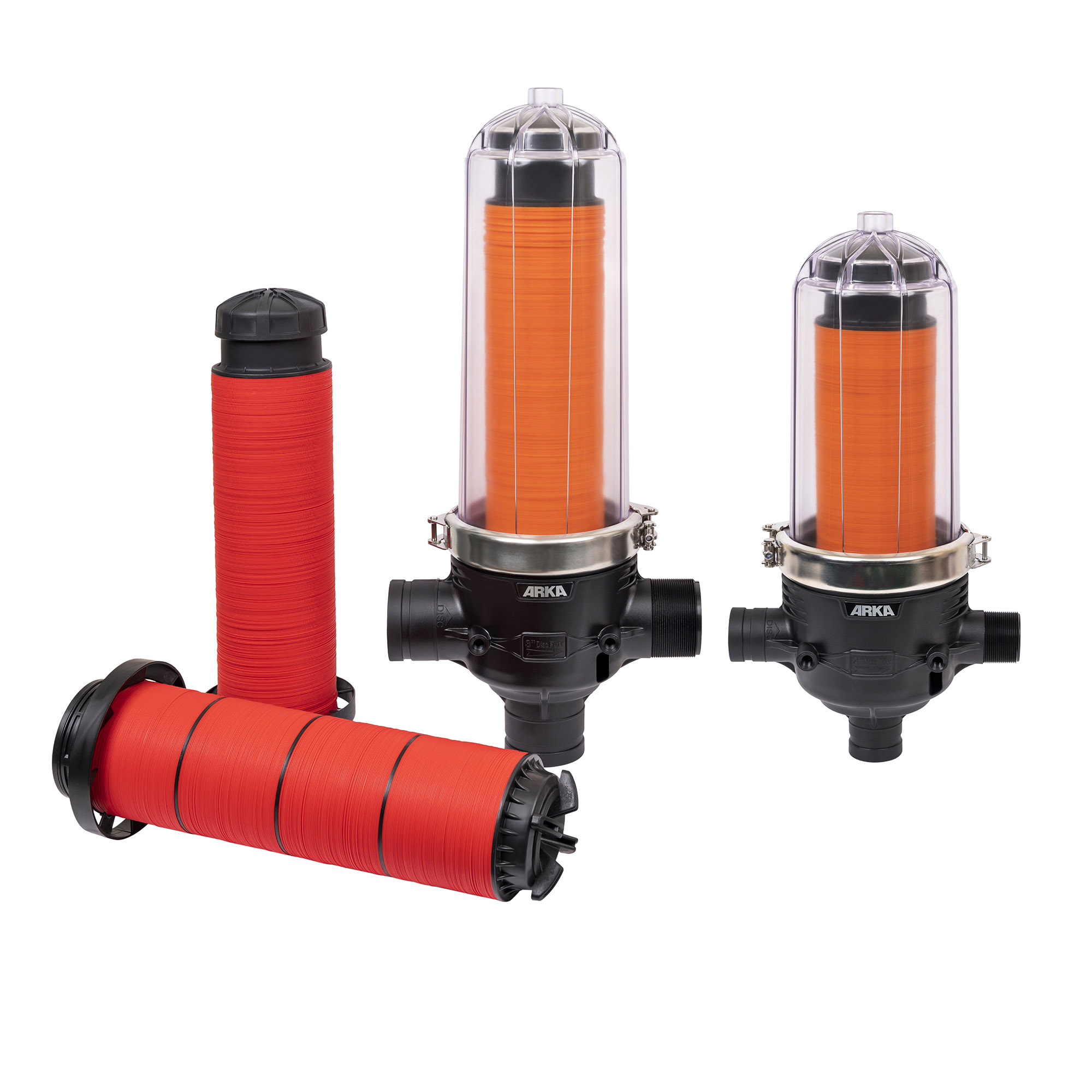
Optimizing disc filter performance requires careful control of several key operating parameters. Adjusting these factors helps maximize filtration efficiency, maintain consistent output quality, and prolong equipment life.
The rotation speed of the disc stack directly impacts cake formation and drying. Slower speeds allow thicker filter cakes to build, improving solid capture but reducing throughput. Faster speeds increase throughput but may yield thinner cakes and less effective drying. Typically, rotation speeds range from 0.8 to 1.0 revolutions per minute, but this depends on slurry characteristics and process requirements. Fine-tuning speed balances filtration capacity with cake dryness and helps avoid excessive wear on filter cloths.
Maintaining the right pulp or slurry concentration in the feed tank is crucial. Concentrations usually range between 0.8% and 1.3% solids by weight. If too low, the filter cake becomes too thick and weak, causing solids to fall off prematurely and reducing efficiency. If too high, the slurry may become too viscous, leading to poor flow and clogging. Regular monitoring and adjustment ensure stable cake formation and optimal filtration performance.
The feed flow rate should be controlled to maintain a steady liquid level, typically about 250 mm above the filter shaft centerline. This level prevents overflow and maintains consistent slurry contact with the discs. A liquid level controller or sensor can automate this process. Proper flow management avoids sudden surges or drops that disrupt cake formation and affect filtration quality.
By carefully adjusting these parameters, operators can optimize disc filter output, reduce downtime, and extend the life of filter components. Regular monitoring and incremental changes based on process feedback yield the best results.
Disc filters are essential for efficient solid-liquid separation across various industries. They excel in high-capacity filtration, handling both organic and inorganic particles effectively. With features like automatic backflushing, they minimize downtime and conserve water. Compared to other filters, disc filters offer superior performance in demanding conditions. For those seeking reliable filtration solutions, exploring disc filters further is encouraged. Discover how ARKA can enhance your processes with innovative filtration technology and exceptional service.
A: A Disc Filter is a filtration device with stacked discs that capture solids while allowing liquid to pass through, used in various water treatment processes.
A: A Disc Filter works by rotating discs through a slurry, where solids accumulate on cloth bags, forming a filter cake as liquid passes through.
A: Disc Filters offer high filtration capacity, efficient particulate removal, and use less water for backflushing compared to sand filters.
A: The cost of a Disc Filter varies based on size and application, typically higher than screen filters but offering better long-term efficiency.


