
Views: 0 Author: Site Editor Publish Time: 2026-07-30 Origin: Site


In fluid dynamics and industrial filtration, flow rate acts as the primary variable dictating the operational lifespan and efficiency of any filtration hardware. Miscalculating this metric leads to compounding systemic failures across the entire water infrastructure. Specifying a Screen Filter without aligning it to the system's exact flow rate and Total Suspended Solids (TSS) load results in one of two costly outcomes. Oversizing unnecessarily inflates capital expenditure, while undersizing causes severe pressure drops, frequent maintenance shutdowns, and premature equipment degradation.
Evaluating the relationship between flow velocity, pressure differential, and filter surface area remains critical for field engineers and system designers. This guide breaks down how flow rate dictates the performance of various screen filtration technologies. We provide an evidence-based framework for specifying the correct system for your infrastructure, ensuring you avoid the common pitfalls of mismatched flow dynamics.
Velocity Dictates Retention: Excessive flow rates force deformable particles (like algae or organics) through the screen mesh, drastically reducing actual filtration efficiency regardless of the micron rating.
Pressure Drop is the Ultimate Indicator: As flow rate increases through a fixed screen area, the pressure differential rises exponentially, accelerating the need for cleaning cycles and increasing energy consumption.
Automation Matches Flow Volatility: High or fluctuating flow rates paired with variable TSS loads typically necessitate an automatic self-cleaning screen filter to prevent system bottlenecks and manual maintenance costs.
Sizing Requires a Buffer: Engineering best practices dictate sizing a screen filter system for 115% to 120% of the maximum anticipated flow rate to accommodate unexpected pressure spikes and load surges.
Establishing the baseline success criteria for filtration requires understanding the physical limitations of fluid passing through a porous barrier. The interaction between fluid dynamics and the physical structure of the filter determines overall performance. When water moves through a confined space, the velocity directly impacts how suspended solids interact with the barrier.
The relationship between fluid velocity and the physical integrity of captured particles serves as a critical factor in filtration success. High flow rates create extrusion forces, pushing soft organics and deformable solids through the mesh. This effectively bypasses the micron rating you carefully selected. If you push water too fast, the screen acts less like a barrier and more like a cheese grater for organic matter.
High velocity aligns elongated or fibrous particles longitudinally. This alignment allows them to slip through mesh openings that would otherwise block them at lower laminar velocities. Field technicians refer to this phenomenon as the "pass effect." Once the flow transitions from efficient filtration to forced particle bypass, the system's effectiveness drops significantly, contaminating downstream emitters or process equipment.
There is a non-linear relationship between flow rate and pressure differential across the screen. As flow increases, the pressure required to push the fluid through the mesh rises exponentially. An undersized screen filter system handling high flow rates will experience rapid Delta P escalation. This leads to severe pump strain, increased energy costs, and potential structural failure of the filter element.
Monitoring Delta P remains essential for maintaining system health. Standard acceptable Delta P ranges vary depending on the application, but exceeding these limits indicates a need for immediate maintenance or a system redesign. We rely on pressure gauges installed upstream and downstream of the filter housing to track this metric accurately.
Flow Rate Condition | Velocity Impact | Delta P Escalation | Particle Retention |
|---|---|---|---|
Optimal (Laminar) | Low | Stable / Linear | High (Captures organics) |
Marginal (Turbulent) | Moderate | Moderate / Rising | Variable (Some pass effect) |
Excessive (Extrusion) | High | Exponential Spike | Poor (Forces particles through) |
Excessive Delta P caused by high flow rates compromises internal seals and O-rings over time. When these components fail under pressure, fluid bypass occurs. Water takes the path of least resistance around the screen assembly rather than through it. The filter element might look clean during an inspection, but unfiltered water is actively contaminating the downstream process.
Regular inspection of seating surfaces and gaskets prevents this hidden failure mode. Engineers must specify housing materials and seal compounds rated for the maximum anticipated pressure spikes, not just the nominal operating pressure.
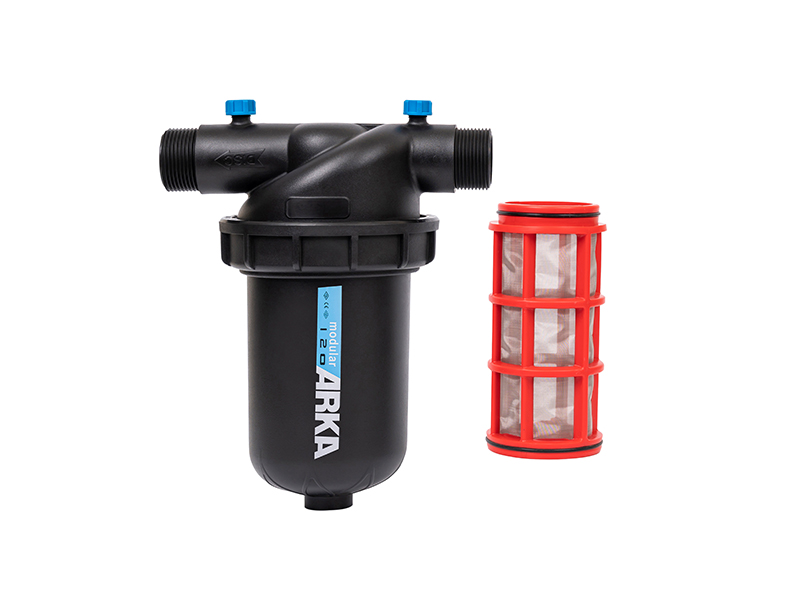
Comparing structural approaches to managing flow and particulate accumulation helps in selecting the right equipment for specific operational needs. Different mechanisms handle the stress of high velocity and heavy debris loads with varying degrees of success.
Under high flow conditions, manual and semi automatic screen filter units reach their operational limits quickly. The labor costs and downtime associated with manual intervention increase significantly when high flow rates accelerate screen blinding. You cannot afford to have a technician turning a crank every twenty minutes during peak operation.
These systems fit best in low-to-moderate flow rates with predictable, low-TSS water sources. Well water or municipal feeds often fall into this category, where manual cleaning remains manageable and cost-effective.
A self cleaning screen filter maintains continuous flow during the backwash or suction-scanning cycle. An automatic screen filter uses the system's own flow and pressure to trigger and execute cleaning without interrupting downstream water supply. This continuous operation is mandatory for high-demand industrial and agricultural setups.
These systems require minimum flow and pressure to operate the self-cleaning mechanisms effectively. Frequent backwash cycles impact net output. High flow rates coupled with heavy TSS increase flush frequency, diverting critical process water and reducing overall system efficiency. You must account for this flush volume loss when sizing the primary feed pumps.
Verify minimum operating pressure at the filter inlet during the flush cycle.
Calculate the total volume of water lost to backwashing per hour.
Adjust the main pump output to compensate for the flush volume while maintaining downstream demand.
Install a pressure sustaining valve downstream if the flush cycle drops system pressure below the required threshold.
Applying flow rate principles to specific agricultural and landscape infrastructure ensures reliable water delivery and protects downstream components like drip emitters and micro-sprinklers. Agricultural water sources often present the most challenging filtration scenarios due to high biological activity.
The behavior of sand or silt differs significantly from algae or biologicals in an irrigation screen filter under high flow. Inorganic particles are rigid and tend to block the mesh, building a filter cake that increases Delta P but stops debris. Organic loads are deformable and can be extruded right through the screen if the velocity is too high.
Organic loads require larger screen surface areas to maintain flow rates without rapid blinding. This larger area reduces the velocity through the mesh, preventing the extrusion of soft particles. We always specify a larger housing and screen area when pulling water from open canals or reservoirs compared to deep wells.
Variable irrigation demands, such as peak summer flow versus baseline maintenance flow, present significant challenges. A system sized perfectly for July might suffer from insufficient pressure to trigger an automatic backwash in November. Modular filtration designs allow systems to scale up or down based on seasonal flow requirements without losing efficiency. Manifolding multiple smaller filters rather than installing one massive unit provides operational flexibility.
Navigating the conceptual trade-offs between upfront costs and long-term operational stability dictates the success of your fluid management strategy. Proper sizing requires looking past the nominal flow rating on a spec sheet.
Purchasing a larger, more expensive screen filter system involves a higher initial capital expenditure. However, this investment maintains lower velocity and reduces cleaning frequency, resulting in lower operational expenditure over time. Less frequent backwashing saves water, reduces wear on moving parts, and lowers pump energy consumption.
The hidden costs of undersizing include increased pump energy usage, frequent maintenance, and potential downstream equipment damage. These factors rapidly outweigh the initial savings of a smaller unit. We consistently see undersized filters failing within the first two years of operation due to excessive wear.
Evaluating the combined impact of TSS concentration and flow rate prevents catastrophic blinding. The "Effective Filtration Area" calculation helps determine the actual required screen size. Nominal flow ratings on manufacturer spec sheets assume clean water. You must adjust these ratings based on actual water quality to ensure reliable performance in the field.
Identifying and preventing catastrophic failures related to flow mismanagement protects the entire fluid handling system. Field conditions rarely match laboratory testing environments.
When flow rates exceed the structural tolerance of the mesh, particularly during heavy particulate loading, there is a significant risk of screen tearing or deformation. Once the screen tears, the filter becomes useless. Specifying reinforced weave screens, sintered mesh, or multi-layered screens for high-velocity applications mitigates this risk. We recommend inspecting the screen element for warping during routine maintenance.
Sudden changes in flow rate, such as valve closures or pump starts, create water hammer. This hydraulic shock can destroy the screen filter housing and collapse the internal element. Mitigation strategies include installing pressure relief valves, utilizing variable frequency drives on pumps to ramp up flow slowly, and placing air release valves near the filter housing to prevent air pockets from accelerating water columns.
The performance of a screen filter relies entirely on managing flow rate and pressure differential. Ignoring these variables guarantees systemic inefficiency, premature equipment failure, and excessive maintenance costs. Base your equipment selection on maximum anticipated flow rate, worst-case TSS loading, and the physical characteristics of the debris.
Conduct a comprehensive water analysis to determine TSS and particle size distribution before selecting a micron rating.
Calculate peak system flow rates and add a 20% buffer to establish baseline sizing requirements.
Install pressure gauges upstream and downstream of the filter to monitor Delta P daily.
Implement variable frequency drives on main pumps to prevent water hammer during startup sequences.
A: Flow rate does not change the physical size of the mesh pores, but excessive flow velocity forces soft, deformable particles through the screen. This effectively reduces the system's actual retention efficiency, allowing debris larger than the micron rating to pass downstream.
A: At high flow velocities, elongated or fiber-like particles align parallel to the flow stream. This alignment allows them to slip longitudinally through screen pores that would typically intercept them under slower, laminar flow conditions.
A: An undersized filter experiences rapid pressure drops, frequent clogging, and increased energy consumption by pumps. It also faces potential structural damage to the screen mesh due to high differential pressure forcing water through inadequate surface area.
A: Yes. High differential pressure compromises the internal gaskets, O-rings, or housing seats. This allows unfiltered water to bypass the screen entirely while the filter element deceptively appears clean during visual inspections.
A: Yes. Most self-cleaning mechanisms rely on a minimum system pressure and flow rate to effectively power the suction scanners or backwash valves. Without adequate flow, the cleaning cycle fails to remove the filter cake, leading to complete blockage.


