
Views: 0 Author: Site Editor Publish Time: 2026-02-06 Origin: Site


A screen filter is a type of water filtration device designed to remove debris, sediments, and other particles from water before it enters irrigation, industrial, or landscaping systems. By capturing unwanted solids, screen filters protect pumps, valves, pipelines, and other equipment from damage, ensuring smooth and efficient water flow. This article focuses on explaining how screen filters work, their structure, and the step-by-step mechanism that allows them to maintain clean and reliable water systems.
A screen filter is composed of several key components, each playing a vital role in ensuring efficient filtration and reliable water flow:
The housing is the outer shell of the screen filter, designed to protect the internal components from physical damage. It also directs water smoothly through the filter, ensuring that all incoming water passes evenly across the screen mesh. High-quality housings are typically made of durable materials such as stainless steel or reinforced plastic to withstand high pressure and long-term use.
At the core of every screen filter is the screen mesh, which captures dirt, sand, and other suspended solids. The mesh can vary in size and material depending on the filtration precision required. Fine meshes remove smaller particles for sensitive irrigation systems, while coarser meshes are suitable for general water treatment applications.
The inlet and outlet of a screen filter control the flow of water into and out of the filter. Water enters through the inlet, passes through the screen mesh where debris is trapped, and exits via the outlet as clean, filtered water. Properly designed inlet and outlet ports ensure consistent water flow and prevent pressure drops in the system.
Some screen filters come with additional features for enhanced performance and convenience. Automatic cleaning mechanisms can remove trapped debris without interrupting water flow, reducing manual maintenance. Pressure gauges allow operators to monitor the filter’s performance and identify when cleaning or maintenance is needed.
The working process of a screen filter is straightforward yet highly effective in maintaining clean water for irrigation, industrial, and landscaping systems. Each stage of filtration ensures that debris is removed while allowing water to flow efficiently.
Water enters the screen filter through the inlet, which is designed to direct the flow evenly across the entire screen mesh. This ensures that all incoming water passes through the filtration element for maximum efficiency.
As water flows through the screen mesh, suspended solids, sand, and other debris are trapped on the surface of the mesh. The mesh size determines the filtration precision, allowing the system to capture even fine particles without restricting water flow.
Filtered water exits through the outlet and continues to the irrigation system, industrial machinery, or other applications. This ensures that downstream equipment receives clean, debris-free water, reducing the risk of blockages or damage.
For automatic screen filters, trapped debris is periodically removed without stopping water flow. Self-cleaning mechanisms, such as backwash or flushing systems, push accumulated particles out of the filter. This reduces manual maintenance and ensures continuous operation, even in systems with high sediment levels.
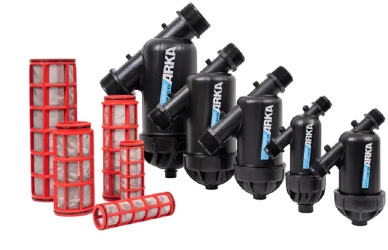
Screen filters come in different types to suit various water systems and operational needs. Understanding the differences helps in selecting the most suitable filter for a specific application.
Manual screen filters are designed for small-scale systems, such as home gardens or small irrigation setups. They are simple to operate and maintain, typically requiring the operator to remove and clean the mesh by hand. Despite their simplicity, they effectively remove debris and prevent blockages in smaller systems.
Automatic screen filters are ideal for larger systems, including commercial agriculture, industrial water treatment, and large landscape irrigation. These filters feature self-cleaning mechanisms that automatically remove trapped particles without interrupting water flow. By reducing manual maintenance, automatic filters save time and ensure continuous operation even in high-sediment water sources.
The mesh size of a screen filter determines its filtration precision. Fine meshes capture smaller particles, protecting sensitive equipment such as drip emitters or industrial machinery, while coarser meshes are suitable for general filtration needs with higher flow rates. Choosing the appropriate mesh size based on water quality is essential for optimal performance and system longevity.
Proper installation of a screen filter is crucial for ensuring optimal filtration performance and system efficiency. Choosing the right location and connection type helps prevent clogging, maintain water flow, and protect downstream equipment.
Screen filters should be installed in positions where they can intercept debris before it enters sensitive parts of the system. Common installation points include:
Pipeline inlets: to filter water before it enters the main distribution network.
Before pumps: to protect pumps from damage caused by sand, sediments, or other particles.
Key system points: such as irrigation manifolds, valves, or critical junctions, where debris could cause blockages or reduce efficiency.
Selecting the appropriate connection type ensures secure installation and prevents leaks. Typical connection options for screen filters include:
Threaded fittings: simple and widely used for smaller systems.
Flanged connections: provide a strong seal for larger, high-pressure systems.
Quick-connect fittings: allow easy installation and removal for maintenance purposes.
To maximize the efficiency of a screen filter, it is important to consider system parameters:
Flow rate: the filter must handle the expected water volume without causing significant pressure drop.
Pressure: the filter housing and mesh should be compatible with the system’s operating pressure to avoid leaks or damage.
Ensuring these requirements are met helps maintain long-term performance and protects downstream equipment.
To ensure a screen filter operates efficiently and provides reliable filtration, regular troubleshooting and optimization are essential. Identifying issues early and taking corrective actions can prevent system downtime and protect downstream equipment.
Clogging in the screen filter mesh can reduce water flow and increase pressure on pumps and pipelines. Common signs include:
Reduced water pressure or uneven flow.
Visible debris accumulation on the screen surface.
Frequent activation of automatic cleaning mechanisms (for self-cleaning filters).
Inspecting the mesh periodically allows early detection of blockages or physical damage, preventing more serious issues.
Proper flow rate and system pressure are critical for optimal screen filter performance. If water flow is too high, fine particles may bypass the mesh, reducing filtration efficiency. Conversely, low flow or excessive pressure can cause wear on the mesh and housing. Adjusting valves and monitoring system pressure helps maintain a balance that ensures consistent filtration and long-term durability.
Routine maintenance is key to prolonging the life of a screen filter. Practices include:
Regularly inspecting the mesh for wear, tears, or deformation.
Cleaning the filter manually or using automatic self-cleaning features as needed.
Replacing worn or damaged components promptly to maintain optimal filtration performance.
Consistent maintenance ensures the screen filter continues to protect irrigation, industrial, or landscaping systems effectively.
In summary, a screen filter is an essential component in water management systems, designed to trap debris, sand, and other suspended particles. Its main components—housing, screen mesh, and inlet/outlet—work together to ensure clean water flows efficiently to irrigation, industrial, or landscaping systems. Choosing the right screen filter and maintaining it properly is crucial for protecting equipment, preventing blockages, and ensuring long-term system efficiency.
For reliable and high-quality filtration solutions, consider exploring ARKA’s range of professional screen filters. With expert design and durable construction, ARKA filters provide optimal performance, helping your water systems run smoothly and efficiently.


