
Views: 0 Author: Site Editor Publish Time: 2026-02-04 Origin: Site


A screen filter is a critical component in modern water filtration systems, designed to remove debris, sand, and other suspended solids before water enters important machinery or irrigation systems. Whether used in agriculture, industrial applications, or landscaping, screen filters ensure that water remains clean, preventing blockages, damage to equipment, and maintaining consistent water flow.
This article provides a comprehensive, step-by-step guide on how to use a screen filter effectively. We will cover everything from choosing the right filter to proper installation, operation, and maintenance to ensure maximum efficiency and longevity of your filtration system.
A screen filter is a device designed to remove debris, sediments, and other particles from water before it enters key systems. By trapping contaminants, it protects pumps, valves, pipes, and other equipment, preventing blockages and damage. Screen filters are essential for maintaining consistent water quality and ensuring smooth system operation, making them crucial in irrigation, industrial processes, and landscaping.
Housing: The outer shell, usually made from durable materials like stainless steel or plastic, protects internal components and ensures even water flow through the mesh.
Mesh Screen: The core filtration element that traps dirt and suspended particles. Mesh size varies to match the water quality and system needs.
Inlet/Outlet: The water entry and exit points. Proper design ensures smooth flow and prevents pressure buildup.
Optional Features:
Self-cleaning mechanisms: Automates the removal of trapped debris, reducing downtime and maintenance.
Pressure gauges: Monitor the filter’s performance, signaling when cleaning or maintenance is needed.
Choosing the right screen filter is essential for ensuring effective filtration and optimal system performance. The ideal filter depends on several factors, including water quality, flow rate, and system size. Here’s a guide on how to select the best screen filter for your needs:
Water Quality: Determine the type and concentration of particles in your water. Fine meshes are needed for water with fine sediment, while coarser meshes work for larger debris.
Flow Rate: Ensure the screen filter can handle your system’s flow rate without causing pressure loss. Larger systems may require filters with higher capacity.
System Size: Smaller systems may only need manual filters, while larger applications may require automatic filters for higher efficiency.
Mesh Size: Choose the mesh size based on the contaminants you need to remove. Finer meshes trap smaller particles, while coarser meshes are suited for larger debris.
Irrigation: For drip or sprinkler systems, fine mesh filters prevent emitter clogging.
Industrial: Industrial systems need filters that protect pumps and valves from larger debris. Coarse filters can handle high-flow systems.
Landscaping and Greenhouses: Filters for these applications should ensure clean water for plant health, with medium mesh sizes usually sufficient.
Manual Filters: Simple, cost-effective, and suitable for smaller systems. They require regular cleaning but are ideal for low-maintenance applications.
Automatic Filters: These require less manual labor, as they feature self-cleaning mechanisms. They’re perfect for larger systems, providing continuous filtration with minimal downtime.
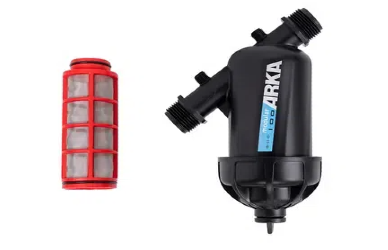
The first step in installing a screen filter is selecting the most effective position within the water system.
For irrigation systems, the filter is often installed at the pipeline inlet or before pumps to prevent sand and debris from entering.
In industrial applications, it is placed at key system points to protect sensitive equipment such as valves, cooling systems, and pipelines.
Proper placement ensures contaminants are trapped early, reducing the risk of downstream blockages.
Once the installation point is determined, the filter must be securely connected to the system.
Threaded fittings: Ideal for small-scale systems where ease of installation and removal is important.
Flanged fittings: Used in medium to large-scale systems, providing a stronger and more reliable connection.
Quick-connect fittings: Suitable for systems requiring frequent filter removal or maintenance, allowing faster setup and disassembly.
Selecting the correct connection type ensures the filter integrates seamlessly with the existing pipeline.
For a screen filter to perform effectively, it must align with the system’s operating conditions.
Flow rate: The filter should be sized to handle the maximum expected flow without causing unnecessary pressure drop.
Pressure requirements: Correct installation ensures that the filter maintains stable pressure across the system, preventing stress on pumps and pipes.
Orientation and sealing: The filter must be installed in the right direction, with seals checked carefully to avoid leaks or performance loss.
By following these steps, a screen filter can be properly installed, ensuring long-term reliability, efficient water flow, and consistent protection for irrigation, industrial, and landscaping systems.
When a screen filter is running, it is important to regularly check performance indicators.
Pressure gauges: These help detect pressure changes that may signal clogging in the mesh.
Flow rate: A sudden decrease in flow could mean the filter is overloaded with debris or requires cleaning.
Visual inspection: In some systems, transparent housings or indicators make it easier to spot accumulated particles.
If you notice a decrease in flow or pressure, immediate action should be taken to protect the system.
Inspect the mesh: Remove and clean the screen to restore normal filtration.
Check for leaks or damage: A damaged housing or worn seals can reduce efficiency.
Flush the system: For automatic filters, initiate the self-cleaning cycle; for manual ones, perform a thorough rinse.
To keep the screen filter operating at peak efficiency, adjustments may be required.
Pressure regulation: Ensure that inlet pressure matches the filter’s specifications to avoid stress on the mesh.
Flow adjustments: Balance the flow rate so that water passes through the filter evenly without bypassing contaminants.
Cleaning intervals: Set up a regular cleaning schedule or configure self-cleaning mechanisms to minimize downtime.
By consistently monitoring and adjusting operation, a screen filter ensures uninterrupted water quality, protects downstream equipment, and extends the overall life of the water system.
Keeping the filter clean ensures steady water flow and prevents blockages.
Manual Cleaning: Remove the filter, rinse the mesh, and reassemble. Requires temporary system shutdown.
Automatic Self-Cleaning: Flushes debris without stopping water flow, ideal for large-scale systems.
Turn off water to release pressure.
Open housing, remove the mesh.
Rinse with clean water (use a soft brush if needed).
Reassemble securely and restart the system.
Clogging: Frequent flow drops suggest improper mesh size or heavy debris.
Mesh Damage: Tears or corrosion reduce effectiveness.
Replacement: Change the screen when damaged or cleaning becomes too frequent.
Consistent cleaning and timely replacement keep a screen filter efficient, protecting irrigation, industrial, and landscaping systems while extending equipment life.
Screen filters may face issues that affect flow and efficiency. Detecting them early prevents equipment damage.
Clogging: Reduced flow or higher pressure usually means the mesh is blocked by dirt or debris.
Mesh Damage: Tears or corrosion reduce accuracy, letting particles pass through.
Pressure Issues: Rising pressure signals blockage; low pressure may mean leaks or misalignment.
Simple steps often restore normal operation.
Clogging: Clean the mesh. For dirty water, use a coarser mesh or pre-filter.
Mesh Damage: Replace damaged screens immediately to protect downstream equipment.
Pressure Problems: Check seals, adjust flow to match capacity, and confirm proper filter sizing.
Regular checks keep filters efficient and reduce downtime.
Scheduled Inspections: Check housing, mesh, and seals regularly, especially with natural water sources.
Monitor Gauges: Watch for abnormal pressure that signals clogging.
Early Detection: Spot reduced water quality or uneven flow to catch issues early.
By applying these steps, a screen filter can consistently safeguard systems, ensuring steady water flow and protecting vital equipment.
A screen filter plays a vital role in keeping water systems efficient and protected. By using the filter correctly, carrying out regular maintenance, and monitoring performance, users can prevent clogging, equipment damage, and costly downtime. Proper care ensures consistent water quality and reliable system operation over the long term.
Investing in a high-quality screen filter is not just about filtration—it’s about safeguarding pumps, valves, and pipelines while ensuring smooth water flow. For irrigation, industrial, or landscaping needs, choosing the right filter makes all the difference.
If you’re looking for dependable solutions, explore ARKA’s professional screen filter range. Designed for efficiency and durability, ARKA products provide tailored filtration performance to match your system’s demands. Contact ARKA today to secure reliable, long-lasting protection for your water systems.


