
Views: 0 Author: Site Editor Publish Time: 2025-10-30 Origin: Site


Ever wondered how industries keep water clean and free from debris? Disc filters are the unsung heroes behind this process. These advanced filtration systems are crucial in various industries, ensuring efficient water purification. In this article, you'll learn about disc filters' mechanisms, their significance across sectors, and why they're vital for modern filtration needs.
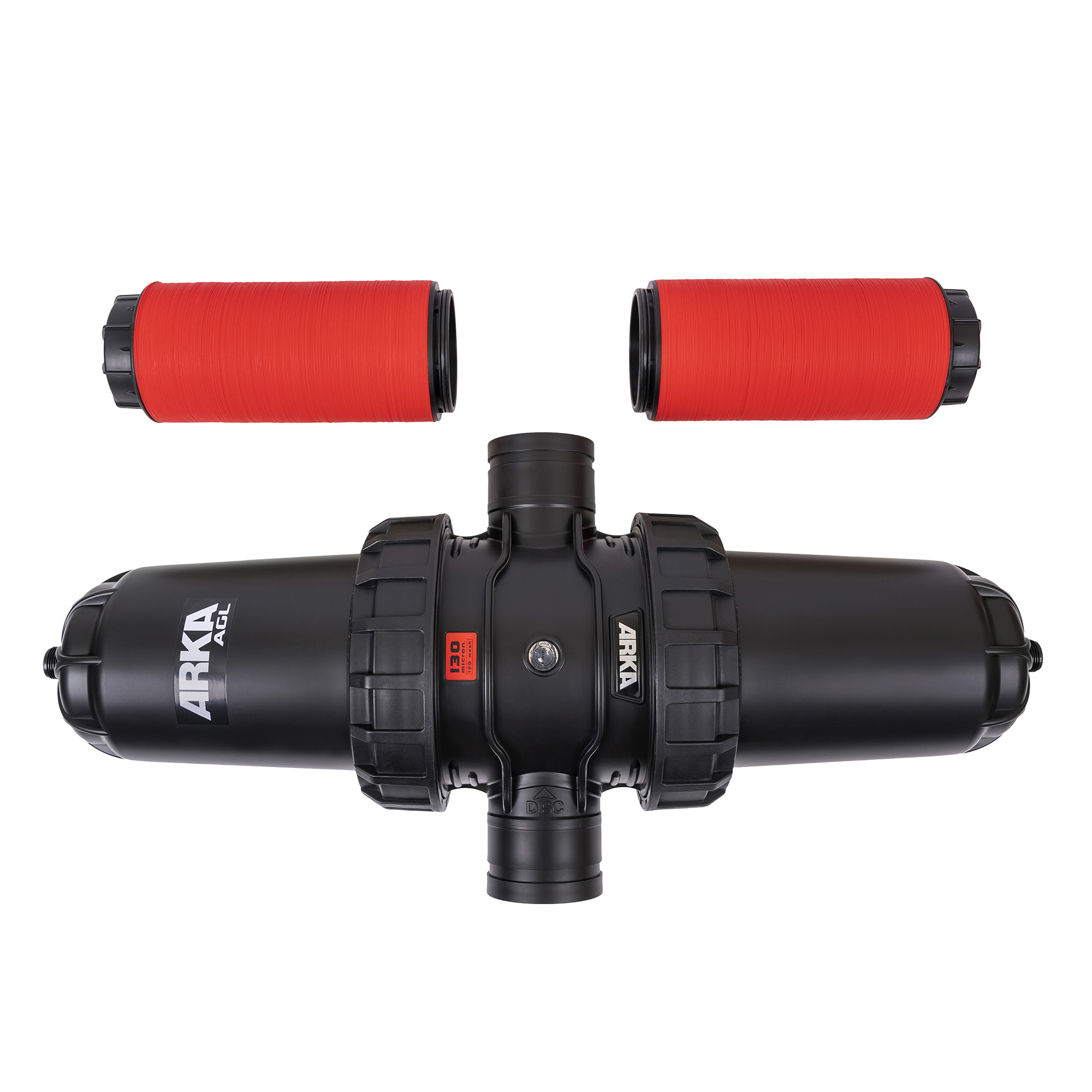
Disc filters operate through a unique mechanism combining surface and depth filtration. They consist of multiple plastic discs stacked tightly together, each disc featuring grooves on its surface. These grooves trap and collect debris as water flows through the spaces between the discs.
When water enters the filter, it passes through the grooves on the discs. The grooves create a three-dimensional filtration path, similar to sand and gravel filters, which enhances the filter's efficiency. Particles and impurities get caught in these grooves, preventing them from continuing downstream. The discs remain locked in place during normal operation, ensuring a consistent filtration process.
Stacked Plastic Discs: Core filtering elements with grooved surfaces.
Filter Housing: Encloses the discs and directs water flow.
Distribution Valve: Controls flow zones during filtration cycles.
Peeling Nozzles: Spray water to remove accumulated debris.
Vacuum System: Helps dehydrate the fiber mat on the discs (in pulp applications).
Drainage System: Collects filtered water and removes waste.
These components work together to maintain continuous filtration and automatic cleaning cycles.
The filtration cycle involves several stages:
Natural Filtration Zone: Discs rotate partially submerged in liquid. Fibers and particles begin to accumulate on the disc surface, forming a thin mat. A cloudy filtrate exits through drains.
Vacuum Filtration Zone: As discs rotate further, vacuum suction pulls the liquid through the fiber mat, thickening it and improving filtration. Clear filtrate collects in a separate tank.
Pulp Peeling Zone: Water jets spray the discs, peeling off the fiber mat. This pulp falls into a hopper for collection or further processing.
Screen Washing Zone: High-pressure water sprays clean the discs, restoring filter capacity. The cycle then repeats.
This continuous rotation and multi-zone design allow disc filters to provide efficient filtration and self-cleaning without interrupting flow.
Disc filters can be manual or automatic in flushing. Automatic systems loosen discs slightly to enhance cleaning, though organic or chemical buildup can sometimes cause sticking. Manual cleaning involves removing and rinsing discs.
Note: Disc filters combine surface grooves and depth filtration, making them highly effective at trapping a wide range of particles while requiring less frequent cleaning than traditional mesh filters.
Disc filters serve a wide range of industries due to their efficient filtration and self-cleaning abilities. Their unique design makes them suitable for various applications where removing particles from liquids is critical.
Disc filters are widely used in industrial settings such as:
Pulp and Paper Industry: They concentrate pulp and recover white water, improving resource efficiency.
Chemical and Pharmaceutical Plants: They ensure clean process water by removing suspended solids.
Food and Beverage Production: They filter process water and protect equipment from clogging.
Metalworking and Cooling Systems: They remove debris from cooling water, safeguarding machinery.
These industries benefit from disc filters’ ability to handle high flow rates and capture a broad range of particle sizes.
In municipal water treatment, disc filters help provide clean, safe water by:
Removing suspended solids and organic matter.
Treating wastewater before discharge or reuse.
Supporting drinking water purification by filtering out contaminants.
Their automatic cleaning cycles reduce downtime and maintenance costs, making them ideal for large-scale public water systems.
Disc filters play a vital role in irrigation systems by:
Filtering water to prevent clogging of drip emitters and sprinklers.
Removing algae, sand, and organic debris from surface or well water.
Enhancing crop yield by ensuring consistent water flow.
Farmers rely on disc filters to maintain efficient irrigation, reduce water waste, and protect expensive irrigation equipment.
Disc filters and screen filters both serve to remove particles from water, but they operate differently and suit different needs. Disc filters use a series of stacked plastic discs with grooves that trap particles. Water flows through these grooves, catching debris on multiple surfaces, combining surface and depth filtration. Screen filters, on the other hand, rely on a fine mesh screen that captures particles as water passes through.
Disc filters excel at removing organic matter, algae, and a mix of particle sizes, especially in applications with high flow rates. Screen filters are better for filtering inorganic particles like fine sand or larger debris, often at low to medium flow rates. Cleaning screen filters is usually easier, requiring just rinsing or brushing. Disc filters need more involved cleaning, sometimes requiring disc removal or automatic flushing systems.
Higher Filtration Efficiency: Their grooved discs create a three-dimensional path that traps more particles than flat screens.
Handles High Flow Rates: Ideal for industrial or municipal systems needing large volumes filtered quickly.
Self-Cleaning Capability: Many disc filters have automatic flushing cycles, reducing downtime.
Versatility: Suitable for organic and inorganic contaminants.
Longer Cleaning Intervals: They accumulate debris less quickly, cutting maintenance frequency.
Durability: Made of robust plastic discs, they resist corrosion and wear in harsh environments.
Higher Initial Cost: Disc filters generally cost more upfront than screen filters.
Complex Maintenance: Cleaning can be more labor-intensive, especially if discs stick due to organic or chemical buildup.
Not Ideal for Very Fine Sediments: Although effective for many sizes, extremely fine particles may require additional filtration stages.
Space Requirements: Disc filter units can be larger than simple screen filters, needing more installation space.
Potential for Disc Sticking: Organic matter or chemicals can cause discs to stick, reducing cleaning effectiveness.
Disc filters are designed to provide efficient filtration with minimal downtime. However, regular maintenance and cleaning are essential to keep them operating smoothly and extend their lifespan. Understanding the differences between manual and automatic flushing, common maintenance practices, and troubleshooting typical issues can help you optimize filter performance.
Disc filters can be cleaned either manually or automatically:
| Manual Flushing | This method involves loosening the compression nut and removing the discs for thorough rinsing. It’s effective for stubborn debris but requires system downtime and labor. Manual cleaning is usually done when automatic flushing cannot fully clear the filter or during scheduled maintenance. |
| Automatic Flushing | Many disc filters feature built-in automatic flushing systems. These systems slightly loosen the discs during backwash cycles, allowing water jets to spray debris off the grooves. Automatic flushing reduces downtime and labor, maintaining continuous filtration. However, organic matter or chemical buildup can cause discs to stick, limiting cleaning effectiveness. |
Choosing between manual and automatic flushing depends on your application, water quality, and maintenance resources. Some systems combine both methods for optimal results.
Regular upkeep helps prevent clogging and maintains filter efficiency. Key maintenance tasks include:
Inspecting Discs: Check for wear, cracks, or damage. Replace discs if grooves are worn down, as this reduces filtration effectiveness.
Cleaning Nozzles and Valves: Ensure peeling nozzles and distribution valves are free from blockages to maintain proper spray patterns and flow control.
Monitoring Pressure Differential: A rising pressure drop across the filter indicates clogging and signals cleaning is needed.
Lubricating Moving Parts: Keep rotating spindles and seals lubricated to prevent mechanical failure.
Checking Automatic Flushing Mechanism: Verify the loosening function and spray jets operate correctly to ensure effective backwash cycles.
Scheduling regular inspections and preventive maintenance can avoid costly downtime.
Disc filters may face several common problems during operation:
Discs Sticking Together: Organic or chemical deposits can cause discs to adhere, reducing flushing effectiveness. Periodic manual cleaning and chemical cleaning agents may be necessary.
Reduced Flow Rate: Clogging from fine sediments or biofilm buildup can lower flow rates. Increasing flushing frequency or upgrading filtration stages may help.
Uneven Cleaning: Malfunctioning nozzles or valves can cause some discs to remain dirty. Inspect and repair spray systems promptly.
Mechanical Failures: Worn seals, bearings, or spindles can cause leaks or rotation issues. Replace parts as needed to maintain smooth operation.
Addressing these issues quickly helps maintain filtration quality and system reliability.
Selecting the right disc filter depends on several key factors that affect performance, efficiency, and cost. Understanding these elements helps ensure the filter meets your specific needs and operates reliably over time.
Water Quality and Contaminant Type: Identify the particles you need to remove. Disc filters excel at capturing organic matter, algae, and mixed debris. If your water contains mostly inorganic sediments, other filters might be better.
Particle Size: Match the filter’s mesh size or disc groove dimensions to the size of particles in your water. A finer mesh traps smaller particles but may require more frequent cleaning.
Flow Rate Requirements: Determine the volume of water flowing through the system. Disc filters handle high flow rates well, but you must size the filter accordingly to avoid pressure drops or reduced filtration efficiency.
Installation Space: Consider available space. Disc filters can be larger than other types due to their stacked disc design.
Maintenance Capabilities: Assess whether you prefer manual or automatic cleaning systems. Automatic flushing reduces labor but may increase upfront cost and complexity.
Flow rate is critical when choosing a disc filter. It is usually measured in gallons per minute (GPM) or liters per second (L/s). Select a filter rated for your peak flow to avoid overloading. Oversized filters waste resources, while undersized ones cause pressure loss and poor filtration.
Flow rate also impacts cleaning frequency. Higher flow rates may increase debris accumulation, requiring more frequent flushing cycles. Some disc filters offer adjustable rotation speeds and flushing intervals to optimize performance.
Initial Investment: Disc filters generally cost more than simpler screens due to their complex design and materials. Factor in installation and any needed valves or control systems.
Operating Costs: Automatic flushing systems use water and energy for cleaning, which adds to ongoing expenses. Manual cleaning reduces these costs but requires labor and downtime.
Maintenance and Replacement Parts: Discs and nozzles wear over time. Choose filters with readily available parts and consider the ease of replacement.
Longevity and Durability: Higher-quality disc filters may have a higher upfront cost but offer longer service life, reducing total cost of ownership.
Disc filter technology continues evolving, driven by the need for better efficiency, environmental sustainability, and cost-effectiveness. Innovations focus on design improvements, reducing environmental impacts, and adapting to changing market demands.
New disc filters feature enhanced materials and structural improvements. Manufacturers use advanced plastics and composites that resist corrosion and wear longer. Improved groove patterns on discs increase filtration efficiency by trapping more particles and reducing clogging.
Some designs incorporate smart sensors and automation. These systems monitor pressure drops, flow rates, and filter conditions in real-time. Automated cleaning cycles adjust based on sensor data, optimizing water and energy use. This reduces manual maintenance and improves system uptime.
Modular disc filters are gaining popularity. They allow easy scaling by adding or removing disc stacks. This flexibility suits variable flow rates and makes maintenance simpler, as individual modules can be serviced without shutting down the entire system.
Reducing water and energy consumption is a key focus. New disc filters use more efficient backwash systems that minimize water use during cleaning. Automatic flushing cycles are optimized to activate only when necessary, cutting waste.
Materials used in discs are increasingly recyclable or made from recycled plastics. This lowers the environmental footprint of manufacturing and disposal. Some companies explore biodegradable or bio-based materials for discs, aiming for greener filtration solutions.
Energy-efficient motors and pumps paired with disc filters reduce overall power consumption. Integrating renewable energy sources, like solar-powered control units, is also becoming common in remote or off-grid installations.
The demand for disc filters grows in water-stressed regions and industries facing stricter water quality regulations. Municipal water treatment plants increasingly adopt disc filters for their reliability and low maintenance.
Agriculture and irrigation sectors seek filters that handle variable water qualities while maintaining high flow rates. Disc filters with smart monitoring help farmers optimize water use and prevent crop damage caused by clogged irrigation systems.
Industrial sectors such as pulp and paper, food processing, and pharmaceuticals continue investing in disc filters for efficient wastewater treatment and process water recycling.
The market is expected to see more integration of IoT (Internet of Things) technologies. Remote monitoring and predictive maintenance will become standard, reducing downtime and operational costs.
Disc filters use stacked plastic discs with grooves, offering efficient surface and depth filtration. They excel in various industries, providing low maintenance and high flow rates. The importance of disc filters lies in their ability to enhance water quality and system reliability. For those seeking advanced filtration solutions, ARKA offers disc filters with unique benefits, including automatic cleaning and durable construction. These features provide significant value by reducing downtime and maintenance costs, making ARKA a trusted choice in modern filtration.
A: A Disc Filter is a filtration device using stacked plastic discs with grooves to trap particles, combining surface and depth filtration.
A: Disc Filters work by allowing water to flow through grooved discs, trapping debris and particles in a three-dimensional filtration path.
A: Disc Filters offer higher filtration efficiency, handle high flow rates, and have self-cleaning capabilities, making them versatile and durable.
A: Common issues include discs sticking due to buildup, reduced flow rates from clogging, and uneven cleaning from malfunctioning nozzles.


