
Views: 0 Author: Site Editor Publish Time: 2025-11-13 Origin: Site


Are you looking for an efficient way to clean water? Disc filters might be the solution you need. These filters use stacked discs to trap particles, ensuring clean water flows through. In this article, you'll learn about the importance and benefits of using disc filters for water filtration.
Disc filters are a type of water filtration system using stacked discs to trap particles. Each disc has grooves or ridges that catch dirt, sand, and other impurities as water flows through. The discs are compressed together, creating many narrow channels that only let clean water pass.
Disc filters consist of multiple thin, grooved discs stacked tightly inside a housing. These discs are usually made from durable materials like polypropylene or polyester. Water enters the filter, flows through the tiny gaps between discs, and leaves behind sediments and particles trapped in the grooves.
The filtration process has two main phases:
Filtration Phase: Water flows into the filter, passing through the stacked discs. Particles larger than the gap size get caught between the discs.
Backwashing Phase: Over time, trapped particles build up and reduce flow. The system reverses water flow, loosening and flushing out debris. The discs then compress again to resume filtering.
Some disc filters are manual; they require users to initiate backwashing. Others are automatic, using sensors and timers to trigger cleaning cycles without manual help.
Disc filters come in various designs to suit different needs:
Manual Disc Filters: Require manual backwashing by loosening discs or reversing flow.
Automatic Disc Filters: Use sensors and timers for self-cleaning, reducing labor.
Double Disc Filters: Have two stacks of discs for higher filtration efficiency.
In-line Disc Filters: Installed directly in pipelines for source filtration.
End-line Disc Filters: Positioned at the end of filtration sequences for polishing water.
Each type fits different flow rates, maintenance preferences, and applications. For example, automatic filters work well in large-scale irrigation or industrial settings needing continuous filtration.
Note: Choosing the right disc filter type depends on your flow rate, maintenance capacity, and water quality needs to ensure optimal performance.
Disc filters stand out for their exceptional filtration efficiency. Their unique design—stacked discs pressed tightly together—creates numerous narrow channels. These channels trap particles effectively, even very fine sediments and organic matter. The grooves on each disc catch impurities as water flows through, ensuring only clean water passes.
This layered filtration surface increases the total area available for trapping contaminants. More surface area means the filter captures more particles before clogging. As a result, disc filters maintain high performance over longer periods compared to some other filters.
When compared to other filtration systems, disc filters often outperform screen and sand filters in several ways:
Screen Filters: These rely on a mesh screen to catch particles on the surface. While effective for certain particle sizes, screen filters usually handle fewer fine particles than disc filters. Cleaning screen filters can be simpler but less thorough, often requiring manual rinsing.
Sand Filters: These use a sand bed to trap particles. Sand filters handle large volumes and bigger debris well but need more space and water for cleaning. Their filtration speed is slower, and cleaning cycles take longer compared to disc filters.
Disc filters also excel in handling organic matter and algae, which can clog other filters more easily. Their backwashing process reverses flow and separates discs slightly, flushing out trapped debris efficiently. Automated disc filters use sensors to trigger backwash cycles, maintaining consistent filtration without manual effort.
For example, in irrigation systems, disc filters prevent clogging of drip emitters by removing fine sediments and organic particles. This keeps water flowing smoothly and protects expensive irrigation equipment.
In municipal water treatment, disc filters improve clarity by removing suspended solids better than many alternatives. Industrial plants use disc filters to protect cooling towers and machinery from particulate damage, reducing downtime and maintenance.
In summary, disc filters achieve high filtration efficiency through:
Multiple filtration layers increasing surface area
Effective capture of fine sediments and organic matter
Efficient backwashing that restores filter capacity
Superior performance compared to screen and sand filters in many applications
This makes disc filters a reliable choice for applications where water purity and system protection are critical.
Disc filters are known for their compact and efficient design, which makes them ideal for installations where space is limited. Unlike bulky filtration systems such as sand filters, disc filters take up much less room. Their modular, cylindrical shape allows them to fit easily into tight spaces, whether indoors or outdoors.
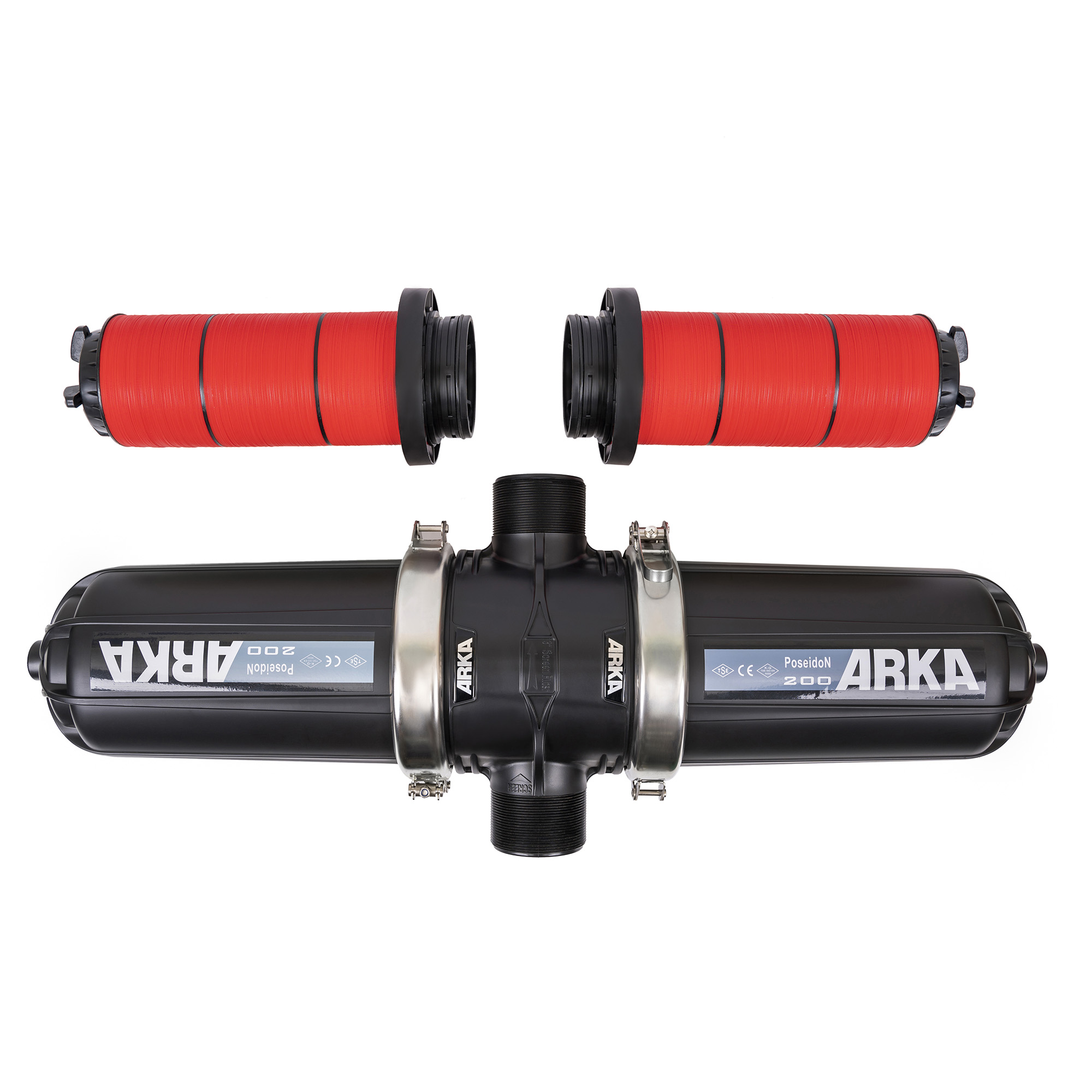
Space-saving: The stacked disc configuration creates a large filtration surface area in a small volume. This design maximizes filtration capacity without requiring a large footprint.
Lightweight and modular: Made from durable yet lightweight materials, disc filters can be moved and installed with ease. Their modular nature means you can add or remove units depending on your needs.
Reduced infrastructure costs: Because disc filters need less space, you can avoid costly facility expansions or complex piping reroutes during installation.
Simplified installation: The compact size means fewer connections and supports, speeding up setup and reducing labor costs.
Disc filters stand out for their energy-efficient operation and scalability, making them smart choices for many water filtration needs.
Disc filters use a simple yet effective design that requires less energy than many other filtration systems. Their stacked discs create a large filtration surface area, so water flows through easily without needing high pressure. This lowers the energy needed to pump water through the filter.
Automatic disc filters add to energy savings by controlling backwash cycles efficiently. They use sensors or timers to start cleaning only when needed, avoiding unnecessary water and power use. This smart control reduces operating costs and helps conserve resources.
Compared to sand or screen filters, disc filters often consume less electricity because:
They need lower pressure for filtration.
Backwashing uses less water and energy.
Automated cleaning avoids constant manual intervention.
For example, in large irrigation setups, energy-efficient disc filters help keep power bills down while maintaining clean water flow. Industrial plants benefit too, as lower energy use means less strain on their systems and smaller carbon footprints.
Scalability is another key benefit of disc filters. Their modular design lets users add or remove filter units easily to match changing water flow or quality needs.
You can scale disc filters by:
Connecting multiple units in parallel to increase flow capacity.
Adding filters in series for finer filtration stages.
Choosing different disc sizes or stack configurations based on volume.
This flexibility suits many industries, from small farms to large municipal plants. For instance, a growing agricultural operation can expand filtration capacity by adding more disc filter units without replacing the whole system. Similarly, industrial facilities can adjust their filtration setup as production scales up or down.
Disc filters also fit well into phased upgrades. Facilities can start with a basic setup and add automation or extra units later, spreading out costs and minimizing downtime.
One of the key benefits of disc filters is how easily they integrate into existing water filtration or irrigation setups. Their compactness and standard connection sizes allow them to fit into pipelines or treatment lines without major modifications. Here’s how they can be integrated:
Retrofit applications: Disc filters can replace older, larger filters in existing systems, improving efficiency while saving space.
Modular expansion: If water treatment needs grow, additional disc filter units can be added in parallel or series without redesigning the entire system.
Compatibility: Disc filters connect seamlessly with pumps, valves, and automated control units, supporting smart filtration solutions.
Portable setups: Their size and weight make disc filters suitable for mobile or temporary installations, such as seasonal irrigation or field water treatment.
For example, a municipal water treatment plant can install disc filters in a compact area previously occupied by screen filters. This change boosts filtration performance without expanding the plant footprint. Similarly, in agricultural irrigation, disc filters fit easily into existing pipelines, preventing emitter clogging without disrupting the layout.
Overall, the compact design and space efficiency of disc filters enable flexible, cost-effective filtration solutions across industries.
Disc filters are incredibly versatile, making them a popular choice across many industries. Their ability to handle different water qualities and particle sizes allows them to fit into various settings, from farms to factories.
In agriculture, water quality is crucial for healthy crops and efficient irrigation. Disc filters remove sediments, organic matter, and debris from irrigation water. This prevents clogging of drip emitters, sprinklers, and micro-irrigation systems. By keeping the water clean, disc filters help maintain consistent water flow and uniform distribution.
Farmers benefit from reduced maintenance costs because disc filters protect irrigation equipment from damage caused by particles. Automatic disc filters add convenience by cleaning themselves through backwashing, saving labor and minimizing downtime.
For example, vineyards and vegetable farms often rely on disc filters to ensure their drip irrigation systems work without interruption. Clean water means healthier plants and better yields.
Municipal water treatment plants use disc filters to improve water clarity and safety. They efficiently remove suspended solids from raw water sources like rivers or reservoirs. Their compact design fits well into existing treatment plants without major changes.
In industry, disc filters protect machinery and processes by filtering cooling water, process water, or wastewater. Petrochemical plants, food processing factories, and textile manufacturers use disc filters to prevent particulate damage to equipment. This reduces downtime and maintenance costs.
Industries also appreciate the scalability of disc filters. They can add more units as their water treatment needs grow, without overhauling the entire system.
For instance, a petrochemical plant might install automatic disc filters in its cooling water loop. The filters keep the water clean, improving heat exchanger efficiency and extending equipment life.
In wastewater treatment, disc filters polish effluent by removing fine particles before discharge or reuse. This helps facilities meet environmental regulations and protect ecosystems.
Disc filters are designed to make maintenance simple and quick, which helps keep water filtration systems running smoothly. The main maintenance task involves cleaning the discs to remove trapped particles. This cleaning happens through a process called backwashing.
Maintenance Process for Disc Filters
Backwashing is the key to keeping disc filters efficient. Over time, particles collect in the grooves between the discs, slowing water flow. To clean, the flow reverses, loosening debris caught in the discs. The discs slightly separate, flushing out dirt and sediment. After cleaning, the discs compress again, ready to filter water.
There are two types of disc filters based on maintenance:
Manual Disc Filters: These require someone to start the backwash manually. The operator loosens the discs or reverses water flow to clean the filter. Manual filters need regular attention to avoid clogging and maintain performance.
Automatic Disc Filters: These have sensors and timers that trigger backwashing automatically. This reduces labor and ensures the filter cleans itself regularly, minimizing downtime and maintaining steady filtration.
Regular backwashing prevents buildup and extends the filter’s lifespan. Cleaning frequency depends on water quality and particle load. In dirty water, backwashing might happen daily; in cleaner water, less often.
Durability and Material Considerations
Disc filters are made from tough materials like polypropylene or polyester. These plastics resist corrosion, chemicals, and wear from water flow. This durability means filters last for years, even in harsh environments.
The discs themselves are flexible but strong, designed to withstand repeated compression and separation during backwashing. This flexibility helps avoid damage and keeps filtration consistent.
When choosing a disc filter, consider:
| Material quality | High-grade plastics resist chemicals and UV exposure better. |
| Build quality | Well-made filters have tight seals and sturdy housings to prevent leaks. |
| Operating conditions | Filters in industrial or aggressive water might need more robust materials. |
Proper maintenance and durable materials reduce the need for frequent replacements. This lowers long-term costs and keeps filtration systems reliable.
Example: In agricultural irrigation, automatic disc filters often run for months with minimal manual cleaning. Their durable discs handle abrasive particles without damage, ensuring crops get clean water consistently.
While disc filters offer many advantages, some challenges and considerations come with their use. Understanding these helps in making informed decisions and ensures optimal performance.
One major challenge is the upfront investment. Disc filters, especially automatic models, tend to cost more initially than simpler filtration systems like screen or sand filters. This includes the price of the filter units, control systems, and installation. For smaller operations or tight budgets, this can be a hurdle.
However, this cost often balances out over time. Disc filters require less maintenance and use less energy, reducing long-term expenses. Many businesses find the return on investment favorable when considering durability and operational savings.
Disc filters are designed to resist clogging, but they are not immune. In water with very high sediment or organic matter loads, particles can accumulate quickly in the grooves between discs. This buildup can reduce flow and filtration efficiency.
Frequent backwashing helps manage clogging, but it increases water use and operational complexity. If backwashing is neglected, clogging worsens, potentially damaging the filter or causing system downtime.
Operators should monitor water quality and adjust cleaning frequency accordingly. In some cases, pre-filtration or sediment removal may be necessary to protect the disc filter.
Disc filters can be sensitive to contaminants like oil, grease, or sticky organic substances. These materials tend to cling to the discs, blocking grooves and reducing filtration effectiveness.
Such contaminants require special attention. Pre-treatment steps, such as oil separators or chemical treatments, might be needed before water reaches the disc filter. Without this, the filter may clog more often or degrade faster.
Additionally, some chemicals can affect the filter materials, especially if discs are made from plastics not resistant to aggressive substances. Choosing the right disc material based on water chemistry is crucial to avoid premature wear.
Disc filters offer exceptional filtration efficiency, compact design, and versatility across industries. They effectively capture fine sediments and organic matter, maintaining high performance over time. Their compact and modular design allows easy integration into existing systems, saving space and reducing costs. While initial costs may be higher, long-term savings in maintenance and energy make them a wise investment. When selecting a filtration system, consider ARKA for its innovative disc filter solutions, providing reliable water purity and system protection.
A: A Disc Filter is a water filtration system that uses stacked discs with grooves to trap impurities, ensuring clean water passes through.
A: Disc Filters work by allowing water to flow through stacked discs, trapping particles in grooves, and using backwashing to clean and maintain efficiency.
A: Disc Filters offer high filtration efficiency, compact design, easy maintenance, and versatility across industries, outperforming screen and sand filters in many applications.
A: While Disc Filters have a higher initial cost, their energy efficiency, durability, and low maintenance needs often lead to cost savings over time.
A: Regular backwashing and monitoring water quality can help manage clogging in Disc Filters, ensuring optimal performance and longevity.


