
Views: 0 Author: Site Editor Publish Time: 2026-10-14 Origin: Site


Understanding the exact function of the Alemite control valve with digital meter model 3573-B starts with separating it from standard fluid network parts. Valves all manage flow. However, their internal mechanics and engineering tolerances vary wildly. Using the wrong terminology leads to poor procurement choices. Worse, it causes catastrophic system failures.
The digital meter unit acts as an active, operator-held dispensing tool. Its primary job is precise volumetric measurement at the terminal end of a hose. This allows a technician to control exactly how much oil enters a machine reservoir. Conversely, a standard hydraulic control valve functions deep within a facility's internal architecture. It directs highly pressurized fluid to actuate heavy cylinders or motors. Similarly, an electromechanical solenoid valve automatically opens or closes fluid pathways based on programmable logic controller signals. The handheld meter measures what leaves the maintenance system. Meanwhile, automated valves manage what stays inside to keep assembly lines moving.
Fluid viscosity heavily dictates valve engineering. Precision oil meters are purpose-built for thick, high-pressure petroleum products and synthetic lubricants. In stark contrast, facility water systems handle high-volume, low-viscosity flow dynamics. Attempting to use a precision oil meter for water applications guarantees immediate seal degradation and gear corrosion. The physical properties of the fluid must dictate the hardware selection.
The industrial lubrication sector is rapidly evolving. We see a massive shift toward data-driven maintenance and strictly monitored fluid tracking. Facilities no longer accept manual fluid top-offs. Strict environmental regulations and tight profit margins demand exact fluid accountability to minimize waste oil. This macro-trend makes precision dispensing tools mandatory across multiple heavy-duty sectors.
In bustling commercial garages, every minute counts. Mechanics leverage digital metering tools for rapid, spill-free oil changes on consumer cars and massive transport fleets. Modern engine blocks have incredibly strict oil capacity tolerances. Overfilling causes oil aeration and blown seals. Underfilling accelerates metal-on-metal wear. The lock-on trigger and high-contrast digital display allow a technician to dispense exactly 6.5 quarts into a crankcase. This eliminates the tedious, repetitive dipstick checks that slow down service bay turnover.
As manufacturing facilities transition toward smart factory standards, plant managers are increasingly abandoning manual guesswork. Digitized fluid tracking prevents premature bearing failures. In mining and construction, excavators require massive volumes of heavy gear oil. A flexible extension effortlessly bypasses heavy steel guarding to reach deeply recessed fill ports. Furthermore, the impact-resistant housing survives inevitable drops on harsh concrete floors.
Procurement engineers must clearly distinguish between endpoint dispensing and mainline flow control when designing a facility network. Selecting the wrong valve type leads to immediate mechanical failure.
| Specification Feature | Digital Dispensing Valve | System Automation Valve |
|---|---|---|
| Primary Function | Endpoint volumetric measurement | Mainline flow direction and regulation |
| Target Fluid | High-viscosity oil and lubricants | Water, coolants, and hydraulic fluids |
| Actuation Method | Manual trigger with digital tracking | Automated pressure or electrical signals |
| Typical Installation | Hose reel terminal end | Deep within piping infrastructure |
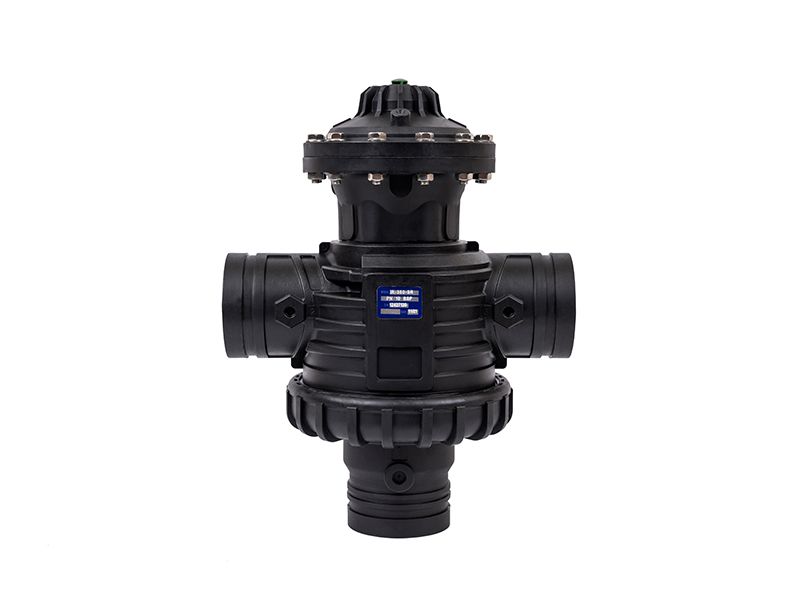
For high-viscosity petroleum, an oval gear metering mechanism is ideal. In contrast, agricultural or large-scale water filtration demands entirely different specifications. For instance, a backwash hydraulic valve typically features a 2-inch port size and a robust diaphragm design specifically engineered for drip irrigation systems. These units operate flawlessly under high-volume water flow to purge trapped debris from filter media. Similarly, a standard facility irrigation control valve utilizes durable cast iron or reinforced polymer bodies rated for PN10 or PN16 pressure classes. Mixing these distinct engineering applications guarantees immediate seal blowout and system downtime.
Even top-tier industrial equipment demands routine upkeep. Implementing a proactive maintenance protocol extends the lifespan of the metering mechanism. It also ensures day-to-day measurement reliability.
If batch totals start drifting from reality, trapped air is usually the primary culprit. Air bubbles passing through the internal oval gears register as false fluid volume. This artificially inflates the digital readout. Purge the supply lines completely by dispensing into a waste container until the flow is solid. After that, recalibrate the unit. If the display fades during operation, peel back the protective rubber shroud and swap out the standard batteries behind the compartment cover.
An automatic non-drip nozzle is brilliant for keeping shop floors free of slip hazards. However, it can occasionally trap debris from contaminated bulk storage tanks. Never use high-pressure compressed air to blast out a clog while the extension is attached to the meter body. The sudden backpressure will destroy the delicate internal gears. Instead, detach the flexible hose entirely. Soak the tip in a mild, compatible solvent and manually clear the obstruction with a soft probe.
Weeping fluid at the swivel joint usually points to flattened or torn O-rings. Replace them during routine preventative maintenance and reapply liquid thread sealant to the fittings. More importantly, bulk pumps generate violent hydraulic shock when initially activated. To protect internal seals, integrating a pressure reducing valve upstream in the delivery line is highly recommended. This device dampens incoming fluid surges. It feeds oil into the meter at a safe, consistent velocity well within its maximum rating.
Procurement teams must always justify capital expenditures through a clear Return on Investment. Electronic control valves carry a higher upfront price tag than traditional mechanical handles. Yet, the financial payback period is remarkably swift.
The core financial drain in any service bay is wasted premium lubricant. Synthetic motor oils and aviation-grade hydraulic fluids are expensive commodities. A basic mechanical handle often drips after shutoff. It forces a technician to guess the final top-off, resulting in chronic over-dispensing.
Consider a medium-sized fleet hub executing 50 fluid changes daily. If a mechanic over-pours just two ounces of synthetic oil per job due to an inaccurate mechanical valve, the shop bleeds 100 ounces a day. Over a standard working year, that translates to nearly 200 gallons of lost inventory. Deploying a precision digital meter makes this margin of error vanish. The non-drip nozzle snaps shut instantly. The digital readout guarantees precise delivery. Consequently, the equipment typically pays for itself within the first financial quarter through recovered fluid costs alone.
Upgrading your dispensing arsenal eliminates costly fluid waste, standardizes service quality across your workforce, and significantly lowers operational overhead. Exact fluid metering is non-negotiable for protecting high-value mechanical assets. Evaluate your current fluid management systems today. If your facility requires robust mainline fluid control, high-volume filtration management, or automated water distribution, explore the high-performance pipeline solutions at Arka-Irrigation to safeguard your infrastructure and boost your bottom line.
Typically, no. This specific unit is calibrated and sealed exclusively for petroleum-based and synthetic lubricants, such as motor oil and automatic transmission fluid. Water-based coolants and windshield washer fluids require entirely different internal sealing materials such as EPDM rubber. Using them in an oil valve will lead to rapid internal corrosion and gear failure.
Carefully peel back the protective rubber shroud surrounding the screen to expose the electronics housing. Unscrew the battery compartment cover. Swap in fresh standard batteries depending on the specific production year while always paying attention to polarity. Finally, securely fasten the cover to maintain its critical moisture-resistant seal.
Yes, the flexible hose terminates in a specially engineered non-drip tip. This mechanical feature instantly shuts off residual fluid flow the moment the operator releases the trigger. It keeps both the machinery exterior and the shop floor pristine and safe from slip hazards.
Digital models provide far superior precision and the capacity to record cumulative batch totals over long periods. Additionally, the backlit display is significantly easier to read in dimly lit inspection pits. The internal microprocessor allows for instant toggling between pints, quarts, gallons, and liters without requiring the technician to do mental math.
Bulk pneumatic or hydraulic fluid pumps can generate massive, sudden pressure spikes when initially activated. An upstream regulator smooths out these dangerous surges. It guarantees that the fluid hits the digital meter's delicate oval gears at a controlled and safe velocity. This prevents blown seals and extends the operational lifespan of the tool.
Industrial digital dispensing meters typically offer an accuracy rating of plus or minus 0.5 percent when properly calibrated. This clinical precision ensures that engine blocks and heavy machinery gearboxes receive the exact OEM-specified fluid volume, completely eliminating the risks associated with underfilling or overfilling.
High-quality digital oil control valves are generally engineered to withstand maximum operating pressures of up to 1,000 PSI. However, sustained operation at peak pressure limits can accelerate seal wear. Engineers highly recommend regulating the system supply pressure to a moderate range to ensure long-term reliability and leak-free performance.


