
Views: 0 Author: Site Editor Publish Time: 2025-11-04 Origin: Site


Ever wondered how clean water reaches your plants or industrial systems? Disc filters play a crucial role. These devices efficiently remove impurities, ensuring smooth operations. But, like any equipment, they need regular cleaning and maintenance to function optimally. In this post, you'll learn what a disc filter is, why cleaning matters, and how to clean them effectively.
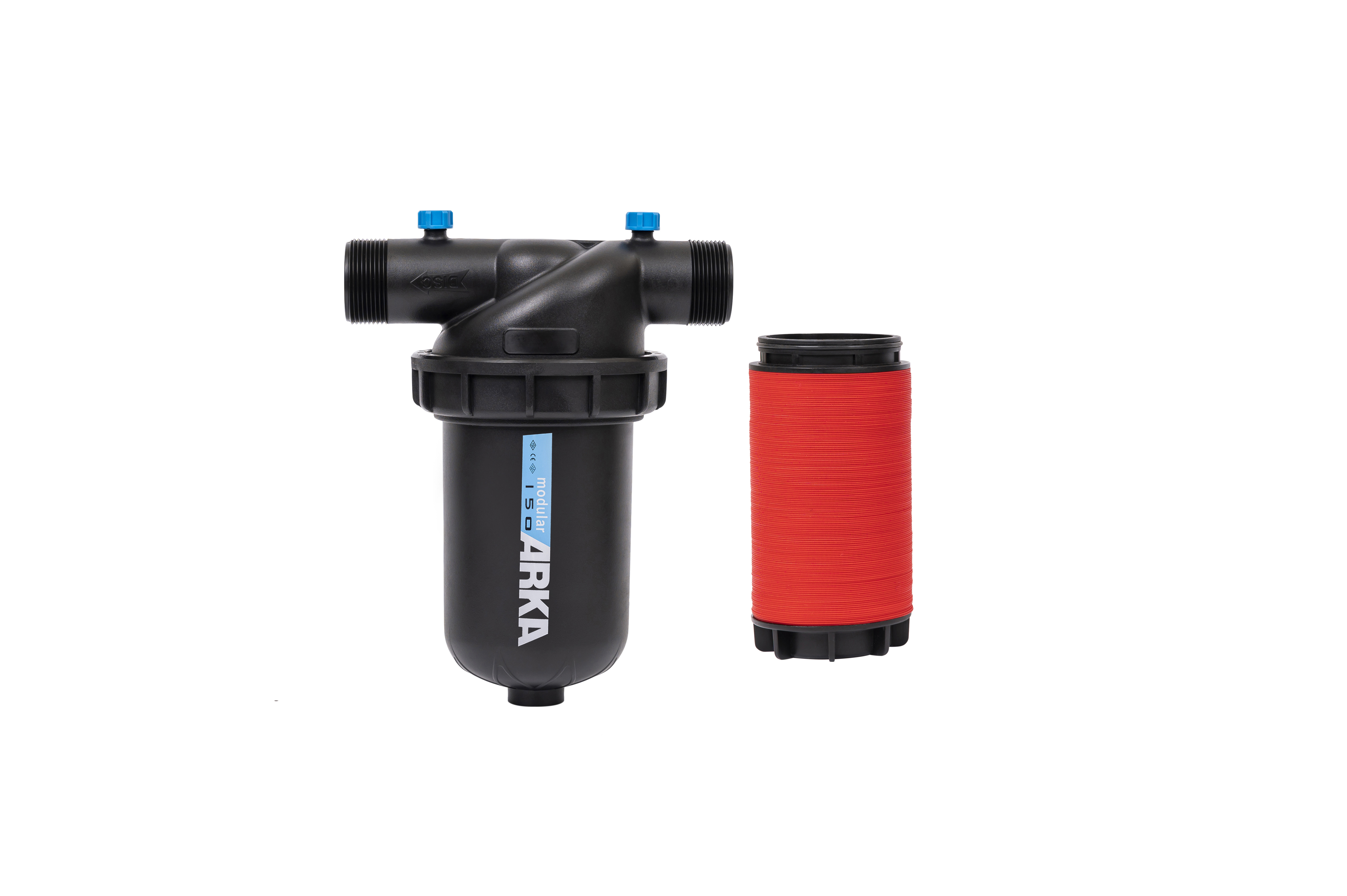
Disc filters consist of multiple key components working together to filter liquids efficiently. The main part is a stack of thin discs, usually made from durable plastic or composite materials. Each disc features grooves or mesh patterns designed to trap solid particles. These discs are tightly stacked on a central spindle, creating narrow channels through which the liquid flows.
Other important parts include:
| Filter housing | The outer shell that holds the discs and connects to the piping system. |
| Seals and O-rings | Prevent leaks by sealing gaps between discs and housing. |
| Clamps or screws | Secure the discs firmly in place. |
| Pressure gauges | Monitor pressure differences across the filter to signal when cleaning is needed. |
The construction aims for durability and ease of maintenance, allowing discs to be removed, cleaned, and replaced quickly.
The filtration process in disc filters is simple but effective. Liquid enters the filter and passes through the stacked discs. The grooves on each disc capture particles larger than the mesh size, while clean liquid flows through the channels between discs.
As particles accumulate, they form a layer on the discs' surfaces, which increases resistance to flow. This buildup triggers a pressure difference across the filter, indicating the need for cleaning.
Some disc filters have a self-cleaning feature where the discs rotate against each other, dislodging trapped debris. Others require manual cleaning by removing and washing the discs.
Disc filters serve many industries due to their reliability and efficiency. Typical uses include:
Agriculture: Filtering irrigation water to prevent clogging of drip lines.
Wastewater treatment: Removing suspended solids during tertiary treatment stages.
Industrial processes: Treating effluents in food, beverage, and chemical manufacturing.
Reclaimed water systems: Pre-filtering water before advanced purification like reverse osmosis.
Their compact design and high filtration capacity make them suitable for both small-scale and large-scale operations.
Tip: Regularly inspect the pressure gauges on your disc filter to identify when cleaning is necessary, preventing costly downtime and maintaining optimal flow.
Keeping your disc filter clean is key to its efficiency and lifespan. When particles clog the discs, the filter struggles to let liquid pass through, reducing flow rate and increasing pressure. This extra strain can damage the filter and connected equipment over time. Regular cleaning removes these blockages, restoring smooth flow and lowering the risk of wear and tear. A clean filter works better and lasts longer, saving you money on repairs and replacements.
A dirty disc filter can let contaminants slip through or cause buildup that harms water quality. This is especially critical in agriculture or food processing, where water purity affects crops and products. Cleaning the filter removes trapped debris and biofilms that harbor bacteria or algae. This prevents contamination from spreading downstream, ensuring the filtered water stays clean and safe for its intended use.
Knowing when to clean your disc filter helps avoid problems before they escalate. Watch for these signs:
Pressure Difference Increase: Check pressure gauges at the filter’s inlet and outlet. A pressure difference over 8 psi during operation usually means the filter is clogged and needs cleaning.
Reduced Flow Rate: If water flow slows noticeably, it’s often due to disc blockage.
Visual Debris Buildup: When you open the filter, visible dirt, algae, or mineral deposits on discs indicate cleaning is overdue.
Frequent Backwashing: If the filter needs backwashing more often than usual, buildup might be causing inefficiency.
Regularly monitoring these signs helps maintain optimal filter performance and prevents unexpected downtime.
Before starting any cleaning, always ensure the system is off and pressure is fully released. This prevents accidents and protects you from sudden water sprays or debris. Wear gloves and eye protection to shield against dirt and possible chemical residues. Make sure the area is dry and free from slip hazards. Using proper safety gear keeps the process safe and smooth.
Begin by draining the filter canister to avoid spills. Remove the filter cover carefully, loosening clamps or screws as needed. Take out the filter element—the stack of discs—from the housing. Smaller disc sets often have a spring mechanism that expands when removed, while larger ones may unscrew from a threaded spindle. Handle discs gently to avoid damage. Keep track of all parts to ensure correct reassembly later.
Use a hose with medium pressure water, around 22 psi, to wash the discs. Spray each disc thoroughly to remove trapped particles and debris. Avoid high-pressure water blasters (over 1000 psi), as they can damage the delicate grooves on the discs. If algae or stubborn dirt is present, an algaecide or mild detergent may be applied carefully, but rinse thoroughly afterward. Never use brushes or abrasive tools, as they can scratch or wear the disc surfaces.
Once the discs are clean and dry, re-stack them onto the spindle, ensuring they fit snugly but not too tight. Apply silicone lubricant on exposed O-rings and the inner rim of the filter housing to maintain a good seal and prevent leaks. Replace the filter element into the housing, secure the cover, and tighten clamps or screws firmly. Turn the system back on and check for leaks or unusual noises. Monitor the pressure gauges to confirm proper flow and that pressure difference is within normal range (typically less than 8 psi). If all checks out, the filter is ready for use.
Chemical cleaning becomes necessary when regular water washing fails to remove stubborn deposits like scum, slime, or mineral buildup on the discs. If you notice that the pressure difference across the filter remains high despite routine cleaning—typically above 4.5 psi during flow—chemical treatment can restore proper function. This method should be used sparingly, usually no more than two to three times per season, to avoid damaging the filter discs.
Two common chemicals are effective for disc filter cleaning:
Hydrochloric Acid (HCl): Usually a 35% concentration diluted carefully with water. Acid dissolves mineral deposits like carbonates and manganese buildup.
Sodium Hypochlorite (Bleach): A strong oxidizing agent that breaks down organic deposits such as biofilm and algae.
Both chemicals are widely available at pool supply stores or hardware centers. Always dilute chemicals properly before use—typically in ratios from 1:5 to 1:10 (chemical to water)—and handle them with care.
Safety First: Wear gloves, eye protection, and long clothing. Work in a well-ventilated area near a water source for rinsing.
Prepare the Filter: Shut off the system, release pressure, drain the filter housing, and remove the filter cover.
Remove and Tie Discs: Take out the disc stack. Thread polyethylene tubing (around 8mm diameter) through the center hole of the discs and tie a knot to bundle them securely.
Prepare Chemical Solution: Dilute acid or bleach in a plastic container using the recommended ratio. Always add acid to water, not water to acid, to avoid splashing.
Soak Discs: Immerse the disc bundle fully in the solution. Stir gently and shake the discs occasionally to ensure all surfaces contact the chemical.
Monitor Cleaning: Check the discs regularly. Soak time varies from 2 to 4 hours depending on the buildup severity. Increase time or concentration if cleaning is insufficient.
Rinse Thoroughly: After soaking, remove discs and rinse them with fresh water to remove all chemical residues. Never scrub discs with brushes, as this can damage grooves.
After chemical cleaning, inspect discs carefully for any damage or wear before reassembling. Clean the filter housing and check seals and O-rings. Apply silicone lubricant to O-rings and sealing surfaces to maintain a tight fit and prevent leaks. Reassemble the filter, tighten clamps, and run the system. Monitor pressure gauges to ensure the filter operates within normal parameters (pressure difference below 8 psi). Repeat chemical cleaning only if necessary.
Keeping a disc filter running smoothly means setting up a regular maintenance schedule. How often depends on how much you use the filter and the water quality. For example, in dusty or algae-prone environments, you might clean weekly or biweekly. In cleaner conditions, monthly or quarterly checks may be enough. The key is consistency: don’t wait for problems to appear. Regular inspections catch early signs of buildup or wear before they cause bigger issues. Schedule maintenance around your operation’s flow cycles to minimize downtime.
Using the right tools makes maintenance easier and safer. Always use medium-pressure water hoses (around 22 psi) for washing discs. High-pressure washers can damage the disc grooves, reducing filter life. Avoid brushes or abrasive tools; they scratch the discs and can cause leaks. For chemical cleaning, use proper protective gear like gloves and goggles. Dilute chemicals carefully and soak discs as recommended. Silicone lubricant helps keep O-rings flexible and seals tight during reassembly. Using proper tools and methods extends the filter’s lifespan and keeps it efficient.
Keeping an eye on filter performance helps you know when cleaning or repairs are needed. Check pressure gauges regularly; a pressure difference above 8 psi usually means the filter is clogged. Also, watch flow rates — any noticeable drop could signal blockage. Visual inspections during maintenance help identify worn or damaged discs early. Logging these readings over time reveals trends so you can adjust cleaning frequency or spot issues before failure. Monitoring performance keeps your system running smoothly and prevents costly downtime.
Biofilm and organic deposits often form on disc filter surfaces during use, especially when filtering water rich in organic matter or algae. These slimy layers stick firmly between the grooves of the discs, reducing filtration efficiency and causing the discs to cling together. This buildup leads to frequent clogging and increased pressure differences.
To tackle biofilm, soaking the discs in an oxidizing chemical solution, such as sodium hypochlorite (bleach), is effective. The oxidizing agent breaks down organic material, loosening the biofilm. During soaking, gently stir and shake the discs to ensure all surfaces contact the solution. After treatment, rinse thoroughly with clean water to remove residues.
Regular cleaning and chemical treatment prevent biofilm accumulation and maintain smooth disc movement. Avoid abrasive tools, which can damage disc grooves and worsen fouling over time.
Mineral deposits like calcium carbonate or manganese often accumulate on discs, especially when filtering hard or treated water. These deposits clog grooves and reduce flow, causing pressure to rise and filter performance to drop.
Chemical cleaning with diluted hydrochloric acid (HCl) effectively dissolves mineral buildup. Use a cautious dilution ratio, typically between 1:5 and 1:10 acid to water, and always add acid to water to prevent splashing. Soak the discs in the acid solution for 2–4 hours, stirring occasionally to ensure even cleaning. Rinse thoroughly afterward to remove all acid traces.
Combining acid treatment with periodic bleach cleaning helps manage both mineral and organic fouling. Limit chemical cleanings to avoid damaging discs, usually no more than two or three times per season.
Increased Pressure Difference: If pressure difference remains high after cleaning, check for damaged or worn discs that might allow debris passage or cause leaks. Replace any compromised discs promptly.
Discs Sticking or Not Rotating: Biofilm or deposits can cause discs to stick. Chemical soaking and gentle shaking during cleaning usually restore movement. If discs remain stuck, inspect seals and O-rings for damage.
Leaks After Reassembly: Improper sealing or damaged O-rings cause leaks. Apply silicone lubricant to O-rings and sealing surfaces during reassembly and ensure clamps are tightened evenly.
Frequent Backwashing Needed: This may indicate incomplete cleaning or excessive buildup. Increase cleaning frequency or consider chemical cleaning if water washing is insufficient.
Maintaining a log of performance metrics like pressure difference and flow rate helps identify recurring issues early. Prompt action prevents costly downtime and extends filter life.
Disc filters, with their durable construction and efficient design, require regular cleaning to ensure optimal performance. Proper maintenance, including routine inspections and cleaning, enhances efficiency, prevents contamination, and extends the lifespan of the filter. Chemical cleaning can tackle stubborn deposits like biofilm and mineral buildup. Investing in quality products like those from ARKA ensures reliability and longevity. ARKA's disc filters offer high filtration capacity and easy maintenance, providing significant value to various industries. Regular care keeps your system running smoothly, reducing downtime and repair costs.
A: A Disc Filter is a type of filtration device comprised of stacked discs with grooves or mesh patterns that trap solid particles, commonly used in agriculture, wastewater treatment, and industrial processes.
A: Clean a Disc Filter by disassembling it, washing the discs with medium-pressure water, and reassembling. For stubborn deposits, use chemical cleaning with diluted hydrochloric acid or sodium hypochlorite.
A: Regular cleaning of a Disc Filter prevents clogging, maintains optimal flow, reduces pressure strain, and prevents contaminants from affecting water quality, ensuring efficient and long-lasting operation.
A: Signs that a Disc Filter needs cleaning include increased pressure difference, reduced flow rate, visible debris buildup, and frequent backwashing.
A: Disc Filters are compact and efficient, suitable for various applications with high filtration capacity, while some other filters may offer different mechanisms or capacities depending on the specific needs.


