
Views: 0 Author: Site Editor Publish Time: 2026-02-03 Origin: Site


Water filtration plays an essential role in various industries, from agriculture to manufacturing, ensuring that water is free from contaminants that could damage equipment, plants, or health. Among the various filtration methods, disc filters have gained significant popularity due to their efficiency, versatility, and effectiveness. In this article, we'll delve into the working principle of disc filters and explore how they clean your water, making it a vital solution for water treatment.
Disc filters are a type of mechanical filtration system that uses a series of stacked discs to separate unwanted particles from water. These filters are designed to capture debris, sediments, and other impurities that can clog irrigation systems, industrial equipment, or even impact the quality of water used for consumption. Disc filters are widely used in agriculture, wastewater treatment, and water recycling systems due to their ability to filter large volumes of water with minimal maintenance.
Disc filters operate on a relatively simple yet highly effective principle. The system consists of multiple discs that are stacked together, creating a labyrinth of filtration surfaces. These discs have grooves or ridges that help trap particles as water flows through them.
Step-by-Step Process:
Water Inlet: The water to be filtered enters the system through the inlet and begins to flow through the stacked discs.
Filtration Surface: As the water passes through the discs, the grooves and ridges on each disc capture larger particles like debris, sand, and silt. Smaller particles are caught in the spaces between the discs.
Backflush: Once the filter is full of debris, the system initiates a backflushing process, where water is directed in reverse through the system to clean the discs. This removes the trapped contaminants and helps restore the filter’s efficiency.
Clean Water Output: The filtered water then exits through the outlet, ready for use in irrigation, industrial processes, or other applications.
The efficiency of disc filters lies in the combination of physical filtration and the ability to clean the filter with a simple backflush system, making them low-maintenance and effective in maintaining high water quality.
Disc filters are gaining popularity across various industries due to their efficiency and effectiveness in providing clean, filtered water. Whether used in agricultural irrigation systems, industrial applications, or wastewater treatment, disc filters offer several advantages that make them an ideal choice for water filtration. Below are some of the key benefits of using disc filters:
High Filtration Efficiency:
One of the most significant advantages of disc filters is their high filtration efficiency. Disc filters are designed to capture a wide range of particles, from large debris like leaves and twigs to finer sediments such as sand and silt. The multiple layers of discs allow for enhanced filtration capabilities, ensuring that even the smallest particles are effectively removed from the water. This makes them an ideal solution for applications where water quality is critical, such as in agricultural irrigation, industrial cooling systems, or even municipal water treatment plants. The ability to filter out both large and fine particles helps improve the quality of water and ensures that the equipment or crops being irrigated are protected from contamination.
Easy Maintenance:
Another major benefit of disc filters is their easy maintenance. These filters are equipped with a backflush cleaning mechanism that allows for quick and efficient cleaning without needing frequent manual intervention. The backflush process involves reversing the water flow through the filter to flush out the accumulated debris, restoring the filter’s efficiency.
Compact Design:
Disc filters are designed to be compact and space-efficient, making them a perfect solution for systems with limited space. Whether it’s in an agricultural field, a small industrial facility, or a residential water system, the small footprint of disc filters ensures that they can be easily integrated into a variety of spaces without compromising performance. Their space-saving design also makes them suitable for retrofit installations, where space might be a constraint.
Cost-Effective:
The cost-effectiveness of disc filters is another reason why they are favored by many industries. The combination of low maintenance needs and high filtration capacity ensures that disc filters offer excellent value over the long term. With their ability to filter large volumes of water with minimal effort, they are a cost-effective solution for both initial installation and ongoing operation.
Durability:
Disc filters are designed to withstand harsh conditions, which is particularly important in outdoor or industrial environments where filtration systems are exposed to wear and tear. Made from robust materials such as stainless steel or reinforced plastic, disc filters are built to last and can withstand the rigors of continuous use. Their durability ensures that they provide reliable performance over many years, even in demanding applications like mining operations, construction sites, and large agricultural operations.
Versatility:
Disc filters are highly versatile and can be used in a wide range of applications, from agricultural irrigation to industrial water treatment systems. They are equally effective at filtering both clean and dirty water, making them suitable for applications where the water quality varies.
Environmental Benefits:
By using disc filters, industries can significantly reduce water waste. These filters allow for better water management by ensuring that only clean, usable water is passed through the system. The backflush mechanism helps maintain the efficiency of the filter without the need for harsh chemicals, further contributing to sustainability goals.
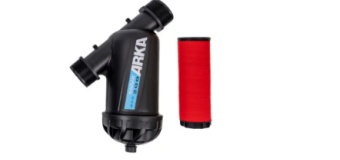
Disc filters are used in a variety of industries and applications. Below are some of the most common areas where they are deployed:
Agriculture: Disc filters are commonly used in irrigation systems to remove particles from water, ensuring that irrigation lines are not clogged and that crops receive clean water.
Wastewater Treatment: In municipal or industrial wastewater treatment, disc filters help remove solids from the water before it is returned to natural water sources or reused in industrial processes.
Industrial Processes: In manufacturing plants, disc filters protect equipment and machinery from particulate contamination, helping to maintain operational efficiency and reduce downtime.
Water Recycling Systems: Disc filters are often used in water recycling plants to ensure that recycled water is free from contaminants before it is used again.
When selecting a disc filter, several factors must be considered to ensure that it meets your specific water filtration needs. Some of these factors include:
Factor | Description |
Flow Rate | Choose a filter with an appropriate flow rate based on the volume of water to be filtered. |
Particle Size | Consider the size of the particles you need to filter out and ensure that the filter can handle the required filtration level. |
Filter Size | The filter should be sized to fit your system's space and requirements while maintaining adequate capacity. |
Maintenance Needs | Choose a filter with easy maintenance features, such as a simple backflushing system, to minimize downtime. |
One of the key benefits of disc filters is their low-maintenance design. However, like any filtration system, regular maintenance is still necessary to ensure optimal performance. Here are some tips for maintaining your disc filter:
Regular Backflushing: Periodically run the backflush cycle to remove trapped particles and keep the filter working efficiently.
Check for Wear and Tear: Inspect the discs for damage, such as cracks or warping, and replace any worn-out components.
Monitor Pressure: Keep an eye on the pressure gauge to detect any significant pressure drops, which could indicate clogging or other issues.
Cleaning: Depending on the system, you may need to clean the exterior of the filter and remove any accumulated debris that could affect performance.
Disc filters are a reliable and efficient solution for removing contaminants from water, ensuring clean water for irrigation, industrial processes, or recycling. By understanding their working principle, benefits, and applications, you can make an informed decision about how to incorporate them into your water filtration system.
At www.arka-irrigation.com, we offer a wide range of high-quality disc filters designed for various industries. Whether you are looking to improve your agricultural irrigation system, wastewater treatment process, or industrial water management, our disc filters provide an efficient and cost-effective solution to meet your needs.
1. How do disc filters clean water?
Disc filters clean water by trapping particles and debris in the grooves of stacked discs. The system uses a backflush mechanism to clean the discs, ensuring efficient filtration.
2. Can disc filters be used for all types of water?
Yes, disc filters are versatile and can be used for various types of water, including irrigation, wastewater, and industrial water.
3. How often should disc filters be cleaned?
It depends on the water quality and usage, but regular backflushing should be done to maintain filter efficiency. Additionally, inspect the filter periodically for wear and tear.
4. Are disc filters cost-effective?
Yes, disc filters are cost-effective due to their low-maintenance design, long lifespan, and ability to filter large volumes of water.


