
Views: 0 Author: Site Editor Publish Time: 2026-01-25 Origin: Site


When it comes to selecting the right disc filter for your irrigation or filtration system, one of the main factors to consider is price. Disc filters are essential in various industries, particularly in agriculture, where they help ensure that water used for irrigation remains clean and free from debris that could damage crops or equipment. However, with so many options available on the market, it can be difficult to determine why some disc filters are more expensive than others. Understanding the factors that affect the price of disc filters will help you make an informed decision when selecting the right one for your system.
Before diving into the factors that affect the price of disc filters, it’s important to understand their role in irrigation and filtration systems. Disc filters are typically used to remove debris such as dirt, sand, and algae from water. They work by passing water through a series of stacked, perforated discs that trap contaminants. These filters are commonly used in agriculture, particularly in irrigation systems, where water quality plays a critical role in crop health.
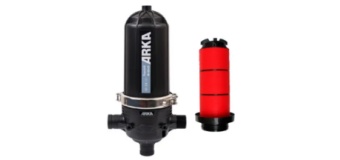
The price of a disc filter can vary depending on several key factors. While the cost might seem like the most important factor when purchasing a filter, it’s essential to weigh the pros and cons of various options to ensure you are getting the best value for your investment.
The materials used in the construction of disc filters significantly impact their price. High-quality materials such as stainless steel, high-density polypropylene, or durable ceramics tend to raise the price of the filter. These materials are more resistant to corrosion, wear, and tear, which ultimately leads to a longer lifespan for the filter. For systems that operate in harsh environments or where filter longevity is a top priority, investing in filters made from high-quality materials may be worth the higher cost.
On the other hand, filters made from cheaper materials may have a lower upfront cost, but they might wear out faster, requiring more frequent replacements and leading to higher long-term costs.
Material Type | Benefits | Price Impact |
Stainless Steel | Corrosion-resistant, long-lasting | Higher price |
High-Density Polypropylene | Lightweight, resistant to chemicals and wear | Moderate price |
Ceramic | Excellent filtration and durability in extreme conditions | High price |
The filtration capacity of a disc filter is one of the most important factors that contribute to its price. A filter's capacity is a direct reflection of its ability to handle large volumes of water and effectively filter out contaminants, such as dirt, algae, sand, and other debris. Larger disc filters with higher flow rates are typically designed to accommodate larger systems, such as industrial or agricultural irrigation setups, and therefore tend to come at a higher price.
Higher-capacity disc filters offer the benefit of extended operational periods without clogging, reducing downtime and the need for frequent cleaning. In applications where water volumes are substantial, such as in large farms or industrial sites, using a high-flow-rate filter becomes essential to maintain efficiency. These filters are capable of handling high water flow rates, which are often required in environments with high sediment loads or larger areas that need filtration.
On the other hand, for smaller applications like residential water systems or small-scale irrigation, a filter with a lower flow rate and smaller capacity may be sufficient. These filters tend to be more affordable, and their maintenance requirements are also typically lower, making them ideal for homes or small gardens where the water demand is not as high.
Choosing the Right Filter Size
When selecting a disc filter, it's essential to assess your specific needs, including the water volume and the flow rate required for your system. Consider factors such as:
Water quality: Higher levels of contaminants may require larger filters.
System requirements: Large irrigation systems or industrial applications will need filters with higher filtration capacity.
Maintenance schedule: Larger filters often require less frequent cleaning, making them more convenient for larger setups.
The design and technology used in the construction of the disc filter can also impact the price. Advanced features such as self-cleaning mechanisms, adjustable filtration levels, and multi-stage filtration can add to the cost of the filter. These features can improve the filter’s performance and reduce the amount of maintenance needed over time. For systems with frequent debris build-up, investing in a filter with self-cleaning or automated backflushing capabilities may reduce the need for manual labor and improve overall efficiency.
Like any product, brand reputation plays a role in determining the price of disc filters. Well-known and trusted brands with a history of producing high-quality filtration products typically charge higher prices for their products. These brands often offer longer warranties and superior customer service, providing peace of mind to buyers.
While it may be tempting to opt for a lesser-known brand with a lower price point, it is essential to consider the quality of the product and the after-sales support offered. Choosing a reputable brand may save you money in the long term by reducing the need for replacements and repairs.
Some applications require customized solutions, such as filters with specific pore sizes, pressure ratings, or materials that cater to specialized filtration needs. Customization options typically come at a higher price due to the added engineering and design work involved. Additionally, some filters come with special features like UV light sterilization, automated flushing systems, or remote monitoring capabilities, all of which can increase the price.
These custom features can improve the overall functionality and convenience of the filter, making them a valuable investment for businesses that require a specific type of filtration or those with unique needs.
While the initial price of the disc filter is an important factor, ongoing maintenance and replacement costs should also be considered. Some filters require frequent cleaning or replacement of certain parts (e.g., filter discs, gaskets), while others are designed to be low-maintenance. Filters with more advanced technology or higher-quality materials may have higher upfront costs, but they can reduce the need for repairs and replacements, saving you money in the long run.
It’s important to factor in the long-term costs of ownership, including the cost of replacement filters and any required maintenance, when determining which disc filter is the best fit for your system.
When selecting a disc filter, it’s crucial to match the filter to your specific needs. Consider the following factors:
Water Quality: If your water contains large amounts of sediment or debris, you may need a filter with a higher filtration capacity and thicker discs for better debris removal.
Flow Rate: Choose a filter that can handle the required flow rate for your system without causing significant pressure loss.
Application Type: Consider the type of application for which you are using the filter—whether it's for industrial use, agriculture, or residential purposes. This will determine the level of filtration and durability needed.
Budget: Balance your budget with the long-term value of the filter. Higher-priced filters often offer better quality, durability, and performance, which can save you money in the long run.
Key Factor | Considerations |
Water Quality | Determine the sediment or debris level for adequate filtration |
Flow Rate | Choose a filter with a suitable flow rate to avoid pressure loss |
Application Type | Consider industrial, agricultural, or residential needs |
Budget | Balance initial cost with long-term performance and maintenance |
In conclusion, the price of disc filters is determined by various factors, including the materials used, filtration capacity, and added features. By understanding these factors and choosing the right filter for your specific needs, you can ensure that your filtration system performs efficiently, reliably, and cost-effectively. Whether you're managing a large agricultural irrigation system or a smaller residential setup, investing in the right disc filter can significantly enhance your operation.
At www.arka-irrigation.com, we offer a wide range of high-quality disc filters that meet the needs of various industries. Our products are designed for optimal performance, longevity, and minimal maintenance, ensuring you get the best value for your investment. For more information about our disc filters and other filtration products, contact us today.
Q1: What factors affect the price of disc filters?
A1: The price of disc filters is influenced by factors such as the materials used, filtration capacity, design features, brand reputation, and customization options.
Q2: How do I know which disc filter is right for my system?
A2: Consider factors such as water quality, flow rate, application type, and budget when selecting a disc filter to ensure optimal performance and cost-effectiveness.
Q3: Do disc filters require maintenance?
A3: Yes, disc filters require periodic cleaning and occasional replacement of filter discs. Some models also come with self-cleaning features to minimize maintenance.
Q4: Are there eco-friendly disc filter options available?
A4: Many disc filters are made from recyclable materials, and some models are designed to minimize water wastage, making them an environmentally friendly option for filtration needs.


