
Views: 0 Author: Site Editor Publish Time: 2026-10-29 Origin: Site


Walking onto a pool equipment pad and seeing a pegged pressure gauge is a scenario I encounter constantly in the field. In the complex anatomy of a swimming pool, the pump acts as the beating heart. The filter functions as the vital kidneys. It is continuously responsible for extracting microscopic impurities, environmental debris, and body oils. Keeping this water safe and crystal clear requires one critical maintenance task. You must reverse the flow of water to flush out the trapped contaminants.
The primary dilemma is that many property owners simply guess when to perform this chore. Executing a flush too frequently wastes thousands of gallons of chemically treated, heated water. It severely disrupts your delicate pH and alkalinity balance. Conversely, neglecting the task creates severe flow restrictions. You risk destroying the pump motor and encouraging hazardous algae blooms. Knowing exactly when to trigger a cleaning cycle comes down to interpreting specific hydraulic readings, rather than relying on an arbitrary calendar schedule.
The Golden Rule: Industry standards dictate initiating a cleaning cycle strictly when the gauge reads 8 to 10 PSI above its clean baseline starting pressure.
Variance is Everything: Maintenance is not about reaching a universal number on the dial. It relies entirely on the mathematical difference between a freshly cleaned system and a clogged one.
Media Types Matter: A standard silica media setup relies heavily on this specific pressure rule. A slightly dirty bed actually traps finer particulate matter and cleans better than a perfectly sterile one.
Automation is the Future: Upgrading your equipment pad to a smart controller completely removes human error. It automates the entire cleaning cycle based on real-time empirical hydraulic data.
To manage your backyard investment effectively, you must first recognize that every single swimming pool operates under a unique set of hydrodynamic conditions. This baseline is dictated by the horsepower of your pump, the diameter and length of your underground plumbing lines, and the specific type of filter vessel you utilize. Therefore, there is no universal normal operating pressure.
To pinpoint your specific baseline, you must start with a completely clean slate. Thoroughly clean your media. Ensure all skimmer and pump baskets are entirely free of matted leaves. Turn on the pool pump to its maximum operating speed. Once the water flow stabilizes and the air is purged from the relief valve, tap the gauge lightly with your finger. This ensures the internal needle is not stuck. Record this PSI reading. For most standard residential setups, this clean baseline will typically settle somewhere between 10 and 20 PSI. Document this number in a maintenance log.
Equipped with your established baseline, you can now apply the most trusted mathematical metric for maintenance. The moment the gauge climbs 8 to 10 PSI above your recorded clean baseline, it is time to intervene. This protocol exists for a highly specific mechanical reason. As microscopic dirt and organic matter accumulate deep within the tank, they physically block the natural pathways of the water. This restriction causes pressure to build up exponentially inside the sealed vessel. It forces the pump to work significantly harder to push water through the plumbing.
In recent years, the aquatic engineering industry has seen a massive shift driven by stricter energy regulations. The widespread adoption of Variable Speed Pumps has rendered weekly calendar-based cleaning obsolete. Running a modern variable speed motor against an overloaded, clogged vessel negates its energy-saving benefits. Industry consensus now strictly dictates pressure-based maintenance to maximize pump lifespan and reduce energy grid strain. Adhering to the 8-10 PSI increase is your most reliable, scientifically backed indicator.
In the realm of fluid dynamics, the concept is straightforward yet vital. The Pressure Differential, often referred to as Delta-P, is defined as the mathematical difference between the pressure of the water entering the tank and the pressure of the water attempting to exit it.
When a system is perfectly pristine, water glides through the internal grids with minimal friction. This results in a low differential. Day in and day out, the equipment captures pollen, sunscreen oils, and fine dust. These contaminants clog the microscopic voids. The pump stubbornly continues to push water into the tank at a constant rate. The water cannot exit at that same speed. Consequently, the internal resistance swells. The analog dial sitting on top of your vessel is specifically designed to measure this exact buildup.
Turning a blind eye to a creeping needle is one of the most costly mistakes a property owner can make. Waiting too long pushes the entire equipment pad beyond its engineered structural tolerances. The immediate consequence is severely choked water circulation. This leads directly to stagnant dead zones in the deep end and the rapid onset of green algae. Structurally, excessive internal resistance poses a severe physical hazard. It can violently blow the lid right off the tank or completely melt the pump motor due to overheating and dead-heading against a closed system.
Prized for its rugged durability and relatively low maintenance demands, the traditional Sand Filter remains the most prevalent filtration system found in residential backyards. When managing this specific type of equipment, there is a counterintuitive operational quirk that frequently confuses new homeowners. A sand bed actually performs its job better when it is slightly dirty.
Clean silica media typically filters debris down to about 20 to 40 microns. As dirt, dead algae, and oils begin to accumulate in the top few inches of the bed, they create a tighter, denser web. This existing debris acts as a secondary barrier. It allows the system to catch even finer microscopic particles that would normally pass right through. Intervening too frequently actively destroys your filtration efficiency. You will be left with persistently dull water. You must exercise patience and wait for that 8-10 PSI spike to ensure the media is adequately utilized.
In contrast, Diatomaceous Earth filters provide the absolute highest level of water clarity available on the market. They filter down to an impressive 3 to 5 microns. While they also strictly abide by the 8-10 PSI rule for maintenance, the aftermath of the cleaning process is entirely different. The powdery media itself is flushed out into the yard along with the trapped dirt. Consequently, after every single flush, you must manually replenish the tank by mixing a slurry of fresh powder and pouring it directly into the skimmer.
Performing this maintenance manually requires strict adherence to a specific sequence of events. Rushing the process or turning valves under pressure can instantly destroy the delicate rubber spider gaskets hidden inside the plumbing. To ensure safe and effective operation, follow these practical steps.
Always begin by completely turning off the power at the breaker or timer box. Attempting to force the stiff multiport valve handle down while the system is highly pressurized will cause the internal O-rings to unseat or tear. Next, press down firmly on the valve handle to compress the heavy spring. Rotate it to the waste position. If you utilize a blue lay-flat waste hose, ensure it is rolled out completely without any kinks.
Turn the power back on. Keep your eyes locked on the clear plastic sight glass attached to the side of the valve. The water will initially surge through, appearing dark, murky, and full of debris. Continue running the process until the water in the sight glass runs completely crystal clear. This typically takes about 2 to 3 minutes. Turn the power off once more. Depress the handle and move the valve to the rinse position, then run the pump for 30 to 60 seconds. This step is absolutely mandatory. It firmly resettles the uplifted bed and flushes any remaining dirty wastewater out of the underground pipes.
Power off the pump one final time. Move the valve back to the standard setting and turn the system back on. Check your gauge to confirm with satisfaction that the needle has successfully dropped back down to your established clean baseline.
While mastering manual maintenance is a fundamental skill, it demands physical presence, consistent monitoring, and a basic grasp of fluid hydraulics. For busy families, commercial facility operators, or those managing remote vacation rental properties, relying on manual intervention often leads to missed maintenance windows and degraded water quality. The industry has eagerly embraced smart automation to solve this.
Introducing a smart Backwash Controller serves as the ultimate, hands-off solution. An Automatic Backflush system is a marvel of modern aquatic engineering. It replaces your standard manual multiport handle with a motorized, sensor-driven actuator. These sophisticated units are equipped with digital transducers that continuously monitor the hydraulic differential in real-time.
Feature Analysis | Standard Manual Multiport Valve | Smart Automated Controller |
|---|---|---|
Actuation Method | Heavy physical force required to compress internal springs. | Robust 12V/24V DC motorized actuator handles all physical rotation. |
Trigger Precision | Relies entirely on human observation of a prone-to-fail analog dial. | Utilizes highly sensitive digital transducers to measure exact Delta-P. |
Water Conservation | High risk of over-flushing, wasting thousands of gallons of treated water. | Logic board executes precise flush and rinse durations, saving resources. |
Equipment Protection | Prone to neglect, leading to dangerous dead-heading and motor burnout. | Instantly shuts down pump, rotates valve, and prevents backpressure damage. |
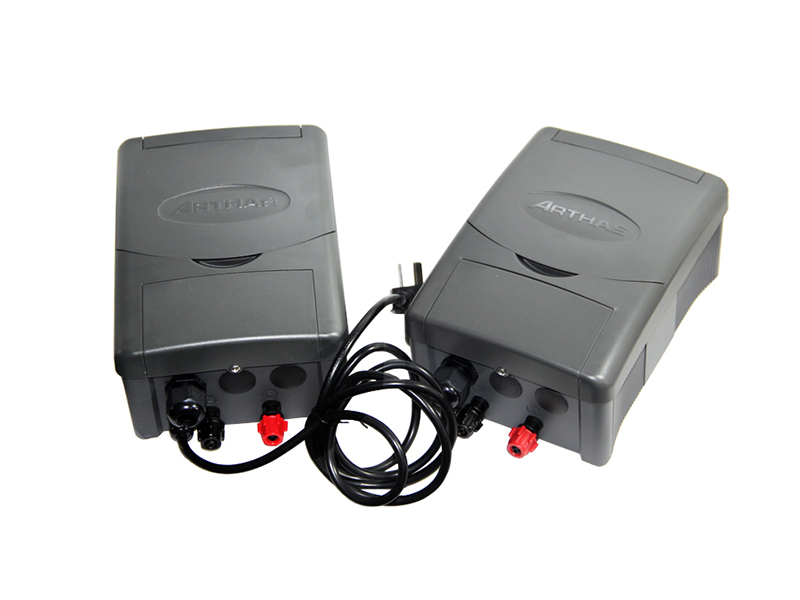
In the rapidly expanding realm of automated aquatic management, a benchmark for reliability is the FILTRON system. The FILTRON 1-10AC unit features a robust 12V/24V DC motorized actuator and highly sensitive digital transducers. Instead of requiring a human to walk out and tap a physical glass dial, the logic board is pre-programmed with your specific threshold. The moment the internal sensors detect the pressure has breached the mark, the controller springs to life. It automatically communicates with the variable speed pump to shut down, mechanically rotates the heavy valve, ramps the pump back up to a specific RPM, executes the mandatory rinse cycle, and seamlessly returns the system to normal daily filtration.
Sometimes you follow all the rules, perform a thorough flush and rinse, but the needle remains stubbornly pinned high. When routine maintenance fails to resolve the spike, you must logically diagnose the system. Filtration is a strictly linear process. Blockages that occur before the water even reaches the tank will heavily impact system hydraulics. Check your poolside skimmer baskets for tightly matted pine needles. Inspect the primary strainer basket. Even a partially clogged impeller will restrict flow and cause erratic readings.
Next, inspect for channeled or calcified media. Standard silica does not last forever. Its jagged, microscopic edges wear completely smooth over years of water friction. Generally, it has a functional lifespan of 3 to 5 years. Over time, heavy bather oils, calcium scale, and organic matter can turn the loose media into hard, calcified blocks. When this happens, water forces its way through narrow cracks. This phenomenon is known as channeling. If your readings remain high and water clarity is abysmal, a complete media replacement is overdue.
Mastering your backyard oasis requires paying close attention to vital signs. Unwavering adherence to the 8-10 PSI differential rule prevents costly damage and ensures optimal water clarity. Always establish your clean baseline at the start of every season, as underground plumbing conditions frequently change over the winter. If wrestling with stiff valves and rolling out muddy hoses feels outdated, it is time to upgrade. Implementing an automated solution ensures precise hydraulic management. Visit ARKA Irrigation to explore premium filtration controllers and protect your equipment investment for years to come.
Typically, a complete cycle takes between 2 to 3 minutes. The most accurate method is to ignore the clock and watch the clear sight glass on your multiport valve. Run the process until the murky water runs completely clear. Always follow this up immediately with a mandatory 30 to 60 second rinse cycle to resettle the media and clear the plumbing lines.
Yes, absolutely. Executing this process too frequently wastes thousands of gallons of water and completely throws off your delicate chemical balance. Furthermore, it actively prevents a silica-based system from reaching its optimal dirt-trapping efficiency. A slightly dirty bed catches much finer debris than a freshly cleaned one.
Neglecting this crucial maintenance creates a dangerous hydraulic bottleneck. The immediate symptom is weak, sluggish water flowing from the return jets, leading to stagnant dead zones and explosive algae blooms. Mechanically, the pump motor will struggle against severe backpressure. This causes overheating, high energy consumption, and eventual catastrophic motor failure.
These analog instruments are highly sensitive and constantly exposed to harsh UV rays, freezing weather, and corrosive chlorine. They fail incredibly often. Turn the pump completely off. If the needle freezes at 15 PSI instead of dropping smoothly to zero, the internal brass spring is broken. Replacing a faulty gauge is a simple fix that instantly resolves false high-pressure mysteries.
Yes. By ensuring that the flushing process only happens exactly when mathematically necessary based on precise hydraulic metrics, an automated system saves massive amounts of heated water and expensive balancing chemicals. Most importantly, it prevents premature wear and tear on your primary pump, significantly delaying costly equipment replacements.


