
Views: 0 Author: Site Editor Publish Time: 2026-10-29 Origin: Site


Tired of dry grass and clogged sprinkler heads? Imagine turning on the irrigation system in the heat of mid-July. You expect a lush, green lawn. Instead, you discover a flooded yard caused by a jammed valve. Dirt, sand, and organic debris quietly ruin expensive setups over time. Unfiltered water aggressively damages delicate internal components. You need a robust, proactive solution to stop this degradation before it starts. In this comprehensive guide, you will learn exactly how to choose the perfect protection for your specific landscape requirements.
Key Takeaways
Recent market analysis highlights a massive shift toward smart irrigation and aggressive water conservation. As regional droughts become more frequent, property owners are rapidly transitioning to high-efficiency micro-irrigation and drip lines. Consequently, the demand for highly precise filtration has surged. These low-volume emitters are incredibly susceptible to microscopic clogging. Upgrading your filtration is no longer just about basic maintenance. It has become a vital component of modern, sustainable water management.
Understanding the mechanical vulnerabilities of a watering network is the crucial first step in defending it. Many property owners mistakenly assume visually clear water is completely safe for their equipment. In reality, modern irrigation relies on precise engineering. Even microscopic particulates trigger catastrophic failures over time. Installing a dedicated protective barrier is a foundational requirement, not merely an optional upgrade.
The beating heart of any automated setup is the solenoid valve. These devices operate using a pliable rubber diaphragm featuring a microscopic pinhole, often referred to as a metering port. This port allows internal pressure to equalize and seal the valve shut. Specifically, if a single grain of quartz sand or a tiny rust flake blocks this port, the valve fails to close. This results in a zone that runs continuously, wasting water and drowning the landscape.
Similarly, the nozzles on pop-up spray heads and gear-driven rotors are manufactured with incredibly tight tolerances. This guarantees an even, overlapping spray pattern. When grit passes through the underground pipes, it inevitably accumulates inside these tiny nozzles. Consequently, this leads to obstructed spray patterns, severe dry spots, and ultimately, dead patches of turf.
Landscape components represent a significant financial investment. Smart valves, pressure regulators, and commercial-grade rotors cost thousands of dollars to replace across a large property. An inline purification unit acts as a highly effective insurance policy. By proactively capturing abrasive materials before they reach delicate components, you effectively prevent the internal scoring that destroys plastic gears and rubber seals.
A system operating without adequate defense eventually suffers from severe internal blockages. As sediment builds up inside the lateral lines and sprinkler bodies, the network experiences a drastic drop in dynamic water pressure. Engineers commonly refer to this as friction loss. Low pressure prevents heads from popping up fully. Homeowners frequently misdiagnose this mechanical issue as a lack of watering time. They subsequently increase their controller schedules and waste thousands of gallons of water. Furthermore, a clean system ensures optimal hydrostatic pressure and uniform coverage.
You simply cannot make an informed purchasing decision without first analyzing the exact chemical and physical composition of your water supply. Different sources carry entirely different types of particulate matter. Matching the specific filtration technology to your unique debris load is critical for long-term reliability.
Municipal supplies are chemically treated, filtered at a centralized plant, and generally very clean. However, as this water travels through miles of aging underground infrastructure, it easily picks up pipe scale, rust flakes, and minor mineral deposits. In addition, when city crews perform routine maintenance on fire hydrants, sudden surges of sediment flood into residential lines. Because the debris load is typically low and inorganic, a basic light-duty mechanism is usually sufficient to protect property from these unpredictable sediment spikes.
Private wells are notoriously prone to pumping rigid, inorganic particles. Depending on the depth of the shaft and the surrounding local geology, well water frequently carries fine sand, silt, and crystallized hard minerals like calcium. Sand is exceptionally abrasive. It quickly shreds the plastic gears inside rotor sprinklers. Therefore, a medium-to-heavy duty barrier is absolutely required to catch these rigid particles. If the well produces an extreme volume of grit, a centrifugal sand separator may even need to be installed upstream.
Surface water remains the most challenging source for any landscape contractor. It contains incredibly high levels of biological matter. This includes algae, moss, fish waste, and decaying foliage. This organic matter is soft, slimy, and highly malleable. It squeezes directly through standard wire meshes under high pressure. For this specific scenario, advanced depth-filtration is mandatory. Organic slime quickly blinds a standard wire element, forcing a frustrating cycle of daily cleaning.
Once you accurately identify the water source, the next logical step involves understanding the specific commercial technologies available. Each structural design serves a distinct purpose and operates using entirely different mechanical principles.
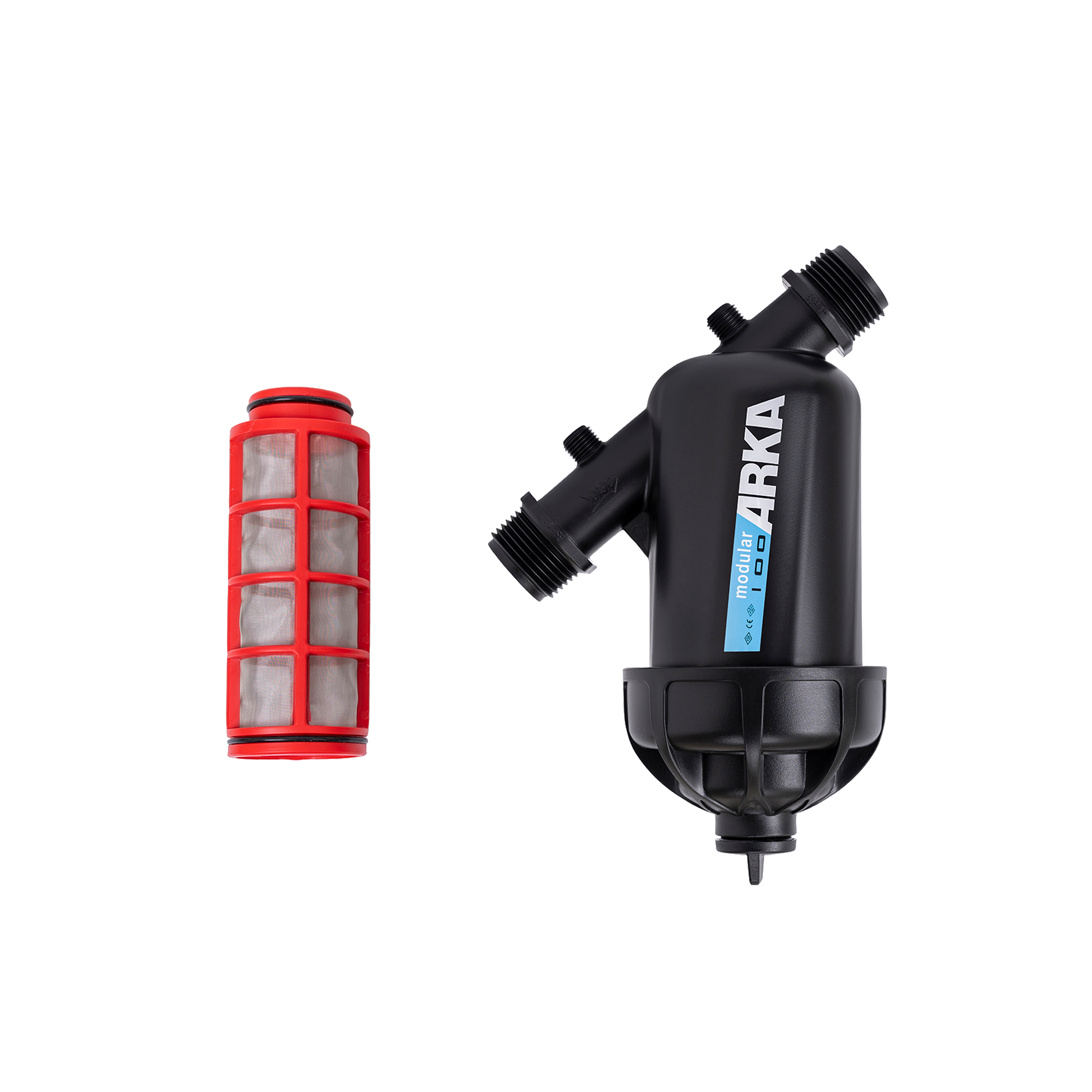
The classic cylindrical design is the most ubiquitous purification method in the industry. Pressurized water forces its way through a woven mesh element. Manufacturers typically construct these screens from durable stainless steel or high-impact molded nylon. As water passes through, rigid particles larger than the microscopic openings become trapped on the surface. When selecting equipment, prioritize durability to ensure the mesh does not collapse under sudden pressure surges.
This is a highly popular structural variation of the classic design. The exterior housing is shaped exactly like the letter Y, providing a massive maintenance advantage. The unique geometry of a Y-type screen filter allows the internal element to be easily unscrewed and extracted for cleaning. You never have to cut PVC pipes or dismantle the entire manifold. For instance, commercial-grade models often feature a robust polymer body and a 120-mesh stainless steel core, safely handling up to 120 PSI of working pressure. Because it lays flat in a shallow, dirt-filled valve box, professionals consider it the most practical choice for residential applications.
This technology represents a much more advanced, three-dimensional approach to water purification. Instead of a single flat layer of wire, this mechanism utilizes a stack of hundreds of tightly compressed, color-coded plastic rings. Picture a stack of poker chips, where each chip features microscopic diagonal grooves. When compressed, these intersecting grooves form a complex, tortuous path for the water.
Engineers scientifically designed this depth filtration to trap soft organics. While a flat wire mesh simply allows algae to flatten out and extrude through the holes, the deep grooves capture and hold the slime securely.
A compact, straightforward device installed directly into the straight run of a pipeline serves brilliantly as secondary protection. Contractors frequently use an inline filter to protect individual, low-volume drip irrigation zones. These zones often branch off a larger, unfiltered main manifold where physical space is highly restricted.
Making the final decision between a mesh and a three-dimensional ring mechanism is the most critical step in configuring your layout. Choosing the wrong technology inevitably leads to endless maintenance headaches and compromised plant health.
You should absolutely opt for a mesh mechanism if your primary source is a municipal supply or a private residential well. These units excel at stopping rigid, inorganic debris. If you are battling sand, grit, or rust flakes, a standard screen filter blocks these particles efficiently. You can rinse it completely clean in seconds with a standard garden hose. Moreover, they are generally more budget-friendly, making them ideal for standard residential setups.
In contrast, you must select a disc filter if you are pumping from a pond, lake, canal, or any open body of water exposed to direct sunlight. Sunlight aggressively promotes algae blooms. If you attempt to use a standard wire mesh on lake water, the algae instantly plasters itself against the metal. This creates an impermeable seal that drops system pressure to zero. While three-dimensional ring models cost slightly more upfront, their immense holding capacity saves hours of frustrating, repetitive scrubbing.
Selecting the correct physical housing is only half the battle. You must also specify the correct internal technical specifications. Sizing your equipment accurately ensures it captures damaging debris without restricting the kinetic energy required to operate landscape equipment.
Filtration precision is universally measured in two ways. The mesh rating refers to the exact number of holes per linear inch of the screen. Therefore, a higher mesh number means smaller holes and finer purification. Conversely, microns measure the actual physical size of the particle that can pass through. A lower micron number indicates a tighter barrier.
For standard lawn setups utilizing pop-up sprays and rotors, the golden industry standard is 120 mesh. This specific sizing is small enough to catch valve-jamming sand, yet large enough to allow harmless, microscopic silt to pass through without choking the system every ten minutes.
| Mesh Rating | Micron Equivalent | Best Application Use Case |
|---|---|---|
| 80 Mesh | 200 Microns | Large agricultural sprinklers, heavy coarse sand |
| 120 Mesh | 130 Microns | Standard residential systems for Rotors and Sprays |
| 150 Mesh | 100 Microns | Drip irrigation, micro-sprays, garden beds |
| 200 Mesh | 75 Microns | Fine drip tape, greenhouse foggers |
Every commercial unit is rated for a maximum flow capacity, measured in Gallons Per Minute. One of the most frequent DIY errors involves installing a unit that cannot handle the required water volume. If your largest watering zone demands 20 Gallons Per Minute, but you install a small housing rated for only 10, you create a severe bottleneck. The water pressure plummets, and your heads barely trickle. Always purchase a unit with a rating that exceeds maximum demand by at least 20 percent to account for gradual debris buildup.
Ensure the inlet and outlet threads perfectly match your mainline pipe diameter. Many professional-grade units offer standard 3/4-inch or 1-inch male threads. Utilizing too many PVC reducing adapters to force a small unit onto a large pipe introduces unnecessary friction loss and multiple potential leak points.
Proper physical placement dictates how effectively the unit performs and how easily you maintain it in the future. A poorly placed, inaccessible unit is almost always neglected, leading to eventual failure.
Mainline Installation: This is the universally recommended best practice for full-property protection. You install the unit directly on the pressurized mainline, long before water reaches the master valve or individual zone manifolds. This strategic configuration ensures every single downstream component remains shielded from grit.
Zone Specific Installation: This targeted method is reserved for highly specialized zones. For instance, if you have a delicate drip line branching off a standard, unfiltered turf manifold, you place the unit immediately after that specific solenoid valve.
To ensure a secure, leak-free setup, follow these practical, field-tested standards:
A protective barrier is designed to trap dirt. Therefore, a unit full of debris is simply doing its job correctly. Establishing a consistent, seasonal maintenance schedule extends the lifespan of the equipment and guarantees flawless water distribution.
You do not always need to open the housing to know it is time for a scrub. Monitor landscape performance visually. If rotors suddenly move sluggishly, or if pop-ups fail to rise fully out of the turf, the internal mesh is likely choked. Unexplained dry, brown patches appearing on an otherwise healthy lawn serve as secondary indicators of severe flow restriction.
Routine maintenance requires minimal tools and takes less than ten minutes. Follow these practical steps:
For properties dealing with heavy, continuous particulate loads, manually disassembling the housing weekly becomes incredibly tedious. Look for premium models equipped with a threaded flush port at the bottom of the cap. By attaching a simple PVC ball valve here, you create a manual flush system. While the system runs, simply open the ball valve for fifteen seconds. Internal pressure forcefully blows accumulated sediment out the bottom, cleaning the unit without any disassembly.
Selecting the right defense for your landscape investment does not have to be an overwhelming engineering task. By objectively evaluating environmental factors against technical specifications, you can confidently secure the ideal component.
A sprinkler system is truly only as reliable as the water flowing through it. Installing the correct protective equipment is an inexpensive, highly effective way to prevent catastrophic clogs and avoid costly professional repairs. Assess your water source today, upgrade your filtration, and explore high-performance solutions at ARKA Irrigation to find the exact match for your landscape needs. Enjoy the peace of mind that comes with a flawlessly green, efficiently watered property.
Yes. While municipal water is chemically treated and generally very clean, aging underground city infrastructure, routine pipe maintenance, rust, and calcium scale frequently break loose. These contaminants travel directly into your residential system. A basic unit provides highly cost-effective peace of mind against these unpredictable, damaging debris spikes.
For well water applications, an angled housing equipped with a durable stainless steel mesh element is universally the most effective solution. Well water is highly prone to carrying fine, abrasive sand. Stainless steel resists the abrasive nature of this grit far better than molded nylon, ensuring the element does not tear under continuous daily pressure.
The required cleaning interval depends entirely on your specific water source and seasonal usage volume. City water systems may only require a quick visual inspection once a year during spring start-up. Systems drawing from deep wells usually demand monthly checks. Conversely, systems utilizing surface water from retention ponds might require weekly cleaning, especially during peak summer months when algae blooms are highly active.
Absolutely. As organic debris and sediment aggressively build up on the internal screen or plastic discs, the physical space available for water to pass through shrinks dramatically. This creates severe friction loss, resulting in a massive drop in dynamic water pressure downstream. This pressure drop is the primary reason why heads fail to pop up fully or spray unevenly when a network is poorly maintained.
The primary difference lies entirely in the physical geometry of the exterior housing. A Y-shaped unit is angled, which allows the internal element to be easily unscrewed and extracted even when the unit is installed flush against a wall or laid flat in a tight, shallow valve box trench. A T-shaped unit sits at a strict 90-degree angle. While it operates on the exact same purification principles, it typically requires much more vertical clearance to safely remove the internal cartridge for routine cleaning.
For standard lawn rotors, 120 mesh is perfect. However, for high-efficiency micro-drip irrigation and porous drip tape, engineers highly recommend upgrading to a 150 mesh or 200 mesh element. Drip emitters feature microscopic labyrinths that clog much faster than traditional spray nozzles, requiring a significantly tighter physical barrier.
You must measure the outside diameter of your existing PVC mainline pipe. Most residential systems utilize either 3/4-inch or 1-inch Schedule 40 PVC. Check the printed text on the side of your pipe to confirm the size, and purchase a housing with matching male or female National Pipe Threads. This ensures a seamless installation without relying on restrictive reducing adapters.


