Filtration role
Surface capture at a defined screen opening.

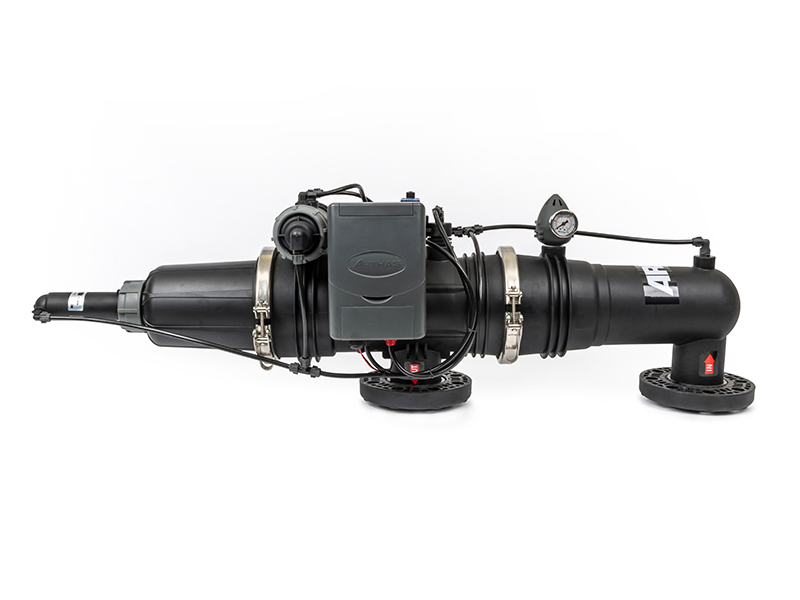
ARKA FILTRATION DECISION GUIDE
A useful screen filter in drip irrigation page has to do more than name a filter. It must show where the device belongs, which water problem it can address, what it cannot address, and what data a buyer should provide before a model is selected.
The screen filter in drip irrigation decision should account for the following: ARKA lists Screen Filter products and related filtration systems for irrigation and water-treatment projects. This guide narrows the discussion to application solution, with special attention to maintenance staffing: how cleaning access, inspection frequency, and operator workload affect the practical choice. It also distinguishes verified ARKA product links from general engineering context so that a planning assumption is not mistaken for a published product specification.
When planning screen filter in drip irrigation, keep this condition visible: Use the page to prepare a technically useful inquiry. Define the water source, identify particles larger than the selected screen opening, state normal and peak flow, describe the downstream process, and indicate the preferred cleaning approach. ARKA can then confirm the closest product route, the information still missing, and whether a single unit or a combined filtration train should be considered.
Before releasing a screen filter in drip irrigation purchase specification, document the chosen filtration role, the assumptions still awaiting confirmation, and the measurements that will be recorded during commissioning. This creates a clearer handoff from water analysis to model selection, installation, and routine operation.
Surface capture at a defined screen opening.
Particles larger than the selected screen opening.
Manual inspection and project-defined cleaning.
How cleaning access, inspection frequency, and operator workload affect the practical choice.
For screen filter in drip irrigation, match the filtration principle to tested water conditions, then verify hydraulic and cleaning requirements against the exact product documentation.
Commissioning gives the screen filter in drip irrigation project a measurable reference. Record model and element or media identification, valve positions, flow, inlet pressure, outlet pressure, differential pressure, water condition, and the initial cleaning result.
For the selected screen filter in drip irrigation route, use this operating principle: Photograph the installed layout and mark gauge locations on the as-built drawing. Test manual override and every automatic trigger that belongs to the selected system. Confirm that the drain carries solids away without flooding the equipment area or returning contaminated water toward the clean side.
The first clean-condition record becomes the baseline for troubleshooting seasonal changes, abnormal pressure loss, and shorter filtration cycles.
The required result from screen filter in drip irrigation should be defined at the downstream device. Identify the smallest emitter passage, nozzle, exchanger channel, control-valve opening, or process restriction that must remain protected.
The screen filter in drip irrigation decision should account for the following: Then compare that sensitivity with particles larger than the selected screen opening and the capture mechanism of screen filtration. If one stage cannot address the whole contaminant profile, assign a clear duty to a separator, media filter, disc filter, screen filter, or secondary safety filter.
When planning screen filter in drip irrigation, keep this condition visible: This backward method prevents a buyer from choosing a familiar mesh, media name, or connection size without proving that the final water condition supports the application.
For an automated screen filter in drip irrigation route, build a controls matrix that separates the trigger from the cleaning action. Possible project triggers include differential pressure, elapsed time, operating volume, a supervisory command, or a permitted manual start.
For the selected screen filter in drip irrigation route, use this operating principle: For each trigger, define the valve sequence, minimum pressure, cleaning duration, drain confirmation, alarm condition, fail position, and return-to-service logic. The available utilities—hydraulic pilot pressure, electrical supply, or external controller—must match the selected ARKA system.
The keyword does not confirm a control package. Treat the matrix as a request for written model-specific confirmation.
Evaluate screen filter in drip irrigation here by checking source variability, contaminant behavior, downstream sensitivity, pressure margin, and the available cleaning or drain route.
Evaluate screen filter in drip irrigation here by checking source variability, contaminant behavior, downstream sensitivity, pressure margin, and the available cleaning or drain route.
Evaluate screen filter in drip irrigation here by checking source variability, contaminant behavior, downstream sensitivity, pressure margin, and the available cleaning or drain route.
Evaluate screen filter in drip irrigation here by checking source variability, contaminant behavior, downstream sensitivity, pressure margin, and the available cleaning or drain route.
The distinguishing screen filter in drip irrigation decision is maintenance staffing.
For screen filter in drip irrigation, Estimate manual interventions per shift or week and provide safe access to elements, valves, and collection chambers.
Apply that lens specifically to screen filter in drip irrigation: document the current condition, define an acceptance criterion, and identify which value must be confirmed by ARKA. This turns a general product request into a project brief that engineering and procurement teams can review together.
Send ARKA a project brief →For a screen filter in drip irrigation decision, UF/IFAS explains screen sizing, primary versus secondary placement, and why surface water may require media filtration ahead of a screen.
Source used for the screen filter in drip irrigation technical context: University of Florida IFAS, Screen Filters in Drip Irrigation Systems.
This external reference gives general engineering context for screen filter in drip irrigation. It does not establish the dimensions, efficiency, pressure rating, material, certification, or performance of an ARKA product. Product-specific values must be verified on the selected official page or in written project documentation.
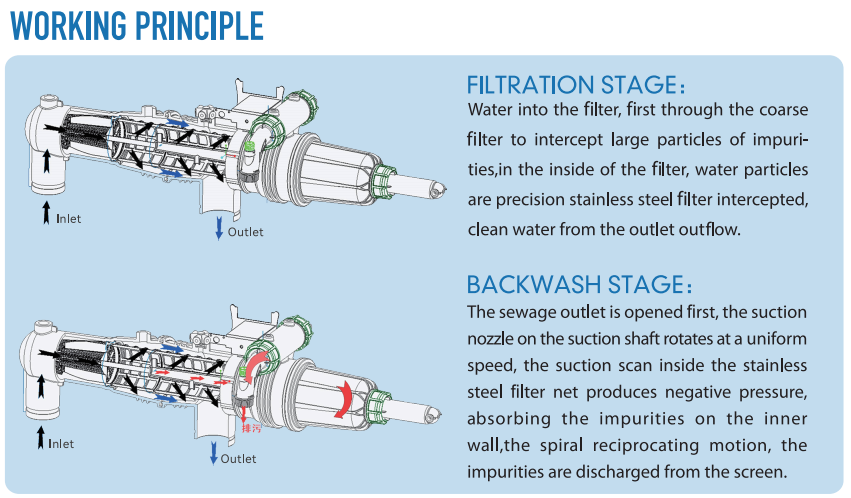
For screen filter in drip irrigation, the underlying mechanism is as follows: Water crosses a screen element and particles larger than the effective openings remain on the upstream side. The retained layer is removed by taking out the element, opening a purge path, brushing, suction scanning, or an automatic backwash arrangement, depending on the selected model.
For a screen filter in drip irrigation project, this mechanism must be evaluated at the intended flow and pressure. The engineering question is not whether separation or capture occurs in principle; it is whether the unit can perform the assigned duty while preserving downstream pressure and providing a practical route for removing retained material.
Scope boundary for screen filter in drip irrigation: Mesh count is not a complete performance specification, and a screen is not automatically the best answer for algae or a heavy mixed organic load. Opening size, wire geometry, pressure loss, source water, and cleaning method must be reviewed together.
A retrofit request for screen filter in drip irrigation should start with measured site conditions rather than a nominal pipe size. Document the existing pump, pipe material, connection standard, straight length, elevation, supports, nearby valves, injection points, bypasses, and safe service clearance.
When planning screen filter in drip irrigation, keep this condition visible: Operate the present system and record flow with pressures on both sides of the proposed location. Note whether the project can stop for cleaning, whether a bypass is allowed, and where drained solids can be discharged. These details determine whether a compact single unit, parallel arrangement, or redesigned headworks is the practical route.
| Decision input | Why it changes the selection | What to send ARKA |
|---|---|---|
| Flow range | Controls housing or station capacity and clean pressure loss. | Normal, peak, minimum, and future design flow. |
| Contaminant | Determines whether the filtration principle matches particles larger than the selected screen opening. | Water analysis, sample photos, particle data, and seasonal notes. |
| Downstream sensitivity | Emitter or process openings determine the final required grade. | Smallest passage, nozzle, emitter, exchanger, or protection objective. |
| Hydraulics | Cleaning and dirty-filter loss must fit the available pressure envelope. | Inlet pressure, required outlet pressure, elevation, and pump information. |
| Cleaning route | Manual, semi-automatic, or automatic cleaning changes valves, controls, and drains. | Preferred automation, available drain, cleaning water, and power or hydraulic control. |
For screen filter in drip irrigation, check design flow and peak flow; allowable clean and dirty pressure loss; connection and service access. These are specification questions, not pre-confirmed characteristics of every ARKA model.
A short risk register makes the screen filter in drip irrigation decision easier to review. List the failure mode, likely cause, observable signal, consequence, preventive control, and operator response.
| Risk | Signal | Control |
|---|---|---|
| Unexpected solids load | Shorter runs or rising differential pressure | Representative sampling and capacity margin |
| Incomplete cleaning | Baseline not restored | Verify pressure, sequence, and drain path |
| Wrong system position | Downstream fouling persists | Assign a defined duty to each stage |

OFFICIAL ARKA PRODUCT ROUTE FOR SCREEN FILTER IN DRIP IRRIGATION
Use this verified product page as a starting route for screen filter in drip irrigation. Confirm flow, pressure, connection, filtration element or media, cleaning method, and project compatibility before specification.
View official product details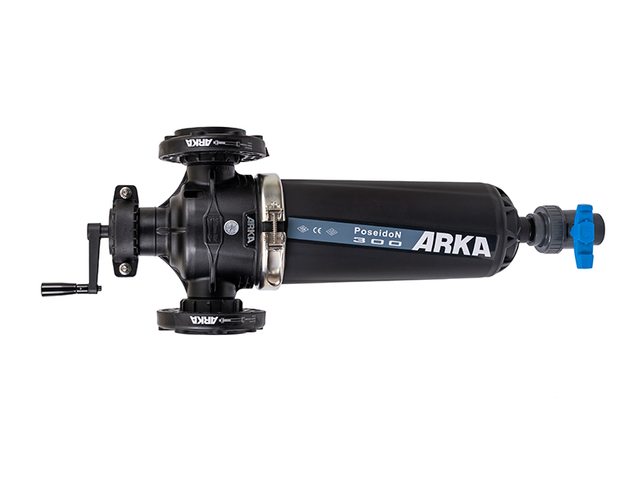
OFFICIAL ARKA PRODUCT ROUTE FOR SCREEN FILTER IN DRIP IRRIGATION
Use this verified product page as a starting route for screen filter in drip irrigation. Confirm flow, pressure, connection, filtration element or media, cleaning method, and project compatibility before specification.
View official product details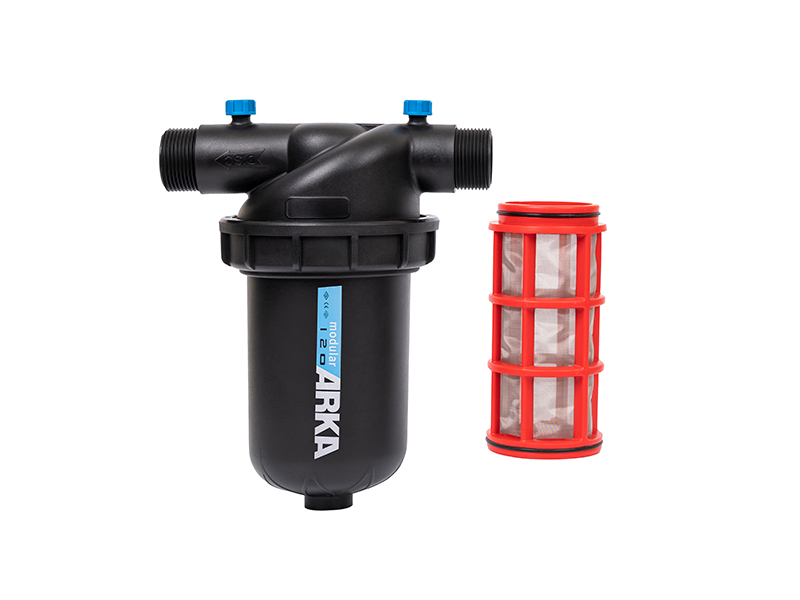
OFFICIAL ARKA PRODUCT ROUTE FOR SCREEN FILTER IN DRIP IRRIGATION
Use this verified product page as a starting route for screen filter in drip irrigation. Confirm flow, pressure, connection, filtration element or media, cleaning method, and project compatibility before specification.
View official product detailsFor screen filter in drip irrigation, browse the full Screen Filter category or ask ARKA to map your operating data to the closest configuration.
Define acceptance for screen filter in drip irrigation before delivery or commissioning. The test plan can verify identification, dimensions, connections, visual condition, valve movement, controller inputs and outputs, gauge locations, leak tightness, cleaning sequence, drain behavior, and return to normal filtration.
The screen filter in drip irrigation decision should account for the following: Project performance checks should use agreed flow, pressure, and representative water conditions. If the source load cannot be reproduced during commissioning, record that limitation and establish a follow-up review during the relevant season.
Acceptance criteria must come from the selected documentation and contract; this page does not create an ARKA performance guarantee.
For a screen filter in drip irrigation inquiry, the ARKA website identifies the company as FUZHOU ARTHAS FLUID EQUIPMENT TECHNOLOGY CO., LTD. and states that its irrigation-equipment development history began in 1996. The official product structure covers disc filters, screen filters, cyclone desanders, sand filter systems, valves, and related filtration systems across agriculture, industry, and landscape applications.
For screen filter in drip irrigation, the practical value of that portfolio is product-route mapping. ARKA can review whether the request belongs to a single filter, a separator plus secondary filter, or a multi-unit automatic system. The final proposal should still be based on the operating data supplied by the buyer.
For a screen filter in drip irrigation project, learn more on the official About ARKA page, browse all product categories, or send the project brief through the contact page.
For this page, screen filter in drip irrigation is evaluated for surface capture at a defined screen opening. Confirm the source-water analysis, downstream equipment, and required final filtration grade before assigning it as a stand-alone stage.
The screen filter in drip irrigation decision should account for the following: It can be evaluated for drip and microirrigation, but suitability depends on design flow, peak contaminant load, available pressure, cleaning water or drain arrangements, and the sensitivity of downstream emitters or equipment.
When planning screen filter in drip irrigation, keep this condition visible: Start with a representative sample and describe particle size, settling behavior, seasonal variation, and organic content. The immediate concern on this page is particles larger than the selected screen opening, but mixed loads may require more than one filtration stage.
A complete screen filter in drip irrigation specification also considers this: Provide normal and peak flow, inlet and downstream pressure requirements, water-source details, contaminant data, connection standard, available footprint, drain route, and cleaning preference. Page-specific checks include design flow and peak flow, allowable clean and dirty pressure loss, connection and service access.
For the selected screen filter in drip irrigation route, use this operating principle: Do not assume that from the product family name. This page evaluates manual inspection and project-defined cleaning. The exact trigger, valve sequence, pressure requirement, cleaning duration, and controller or operator role must be confirmed for the chosen model.
In a screen filter in drip irrigation review, this point matters: Record clean inlet and outlet readings at commissioning, then track differential pressure and flow under comparable operating conditions. Alarm or cleaning setpoints should follow the selected product documentation and the overall hydraulic design.
For screen filter in drip irrigation, apply the following project check: Yes. Send ARKA the operating data and desired filtration role. The team can map the request to the closest listed product route and identify which dimensions, materials, elements, valves, or controls still require written confirmation.
BUILD THE RIGHT SCREEN FILTER IN DRIP IRRIGATION ROUTE
For screen filter in drip irrigation, send the source-water condition, target flow, pressure data, downstream equipment, preferred cleaning method, and installation constraints. ARKA can identify the closest official product route and the details that still need confirmation.
