
Views: 0 Author: Site Editor Publish Time: 2026-11-20 Origin: Site


Hydraulic control valves act as the central nervous system of any fluid power application. They direct flow and manage extreme pressures. Sourcing these critical components is a high-stakes endeavor. When a faulty valve slips into your assembly line, it triggers a chain reaction. You face massive downtime. You risk severe safety hazards. Not all manufacturers uphold the same rigorous standards.
The industry is rapidly evolving. Modern agricultural and industrial systems demand higher precision to conserve water and optimize energy use. Smart irrigation networks now require valves that can seamlessly integrate with automated controllers and handle harsh environmental conditions without failing. Consequently, thorough vetting is essential. This comprehensive guide walks you through the exact checks that matter most when evaluating Hydraulic Control Valve Suppliers, moving from initial quality documentation to long-term post-purchase support.
Sourcing industrial components goes beyond a simple transactional purchase. It serves as a vital operational risk management strategy. Procurement and engineering teams must evaluate suppliers based on long-term reliability rather than just upfront costs.
The financial impact of a machine going down due to a defective valve extends far beyond the hardware's replacement cost. Imagine a massive filtration system grinding to a halt because a microscopic casting flaw caused internal bypass leakage. When a directional or pressure control unit fails, the entire fluid power system stops.
Unplanned downtime costs thousands of dollars per hour. Furthermore, a cheap product manufactured with poor tolerances introduces metal shavings or debris into the fluid. This contamination cascades through the circuit, potentially destroying expensive pumps, cylinders, and actuators. Rigorous vetting prevents these catastrophic financial losses by ensuring only highly toleranced, tested components enter your facility.
Hydraulic systems frequently operate at extreme pressures, often ranging from 2,000 PSI to over 10,000 PSI depending on the application. At these levels, fluid dynamics become inherently dangerous if containment is compromised.
A structurally weak housing leads to sudden bursts. This creates hazardous projectile risks and severe environmental spills. More insidiously, microscopic cracks or failed seals cause high-pressure fluid leaks. High-pressure injection injuries are severe medical emergencies occurring when fluid breaches an operator's skin. To mitigate these life-threatening risks, buyers must demand objective proof of structural integrity.
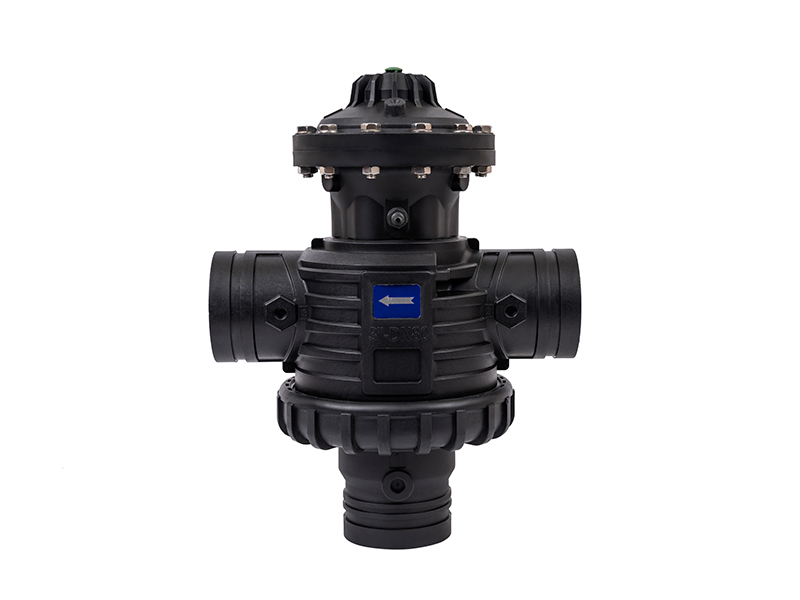
Visual inspections simply cannot reveal internal casting flaws or seal vulnerabilities. You need hard, objective data from the factory floor.
A Pressure Test Report is a formalized engineering document proving a specific unit was subjected to and successfully passed rigorous testing before shipping. This document shows the component can withstand its rated maximum working pressure. It often includes data on proof pressure, typically 1.5 times the working pressure, and burst pressure limits.
The report details the testing methodology. This includes hydrostatic shell testing to verify cast housing integrity. It also covers seat leakage testing to ensure internal spools prevent unintended fluid bypass.
Diagnosing a failure takes significant labor hours once a valve is installed into a complex circuit. Pre-shipment testing ensures that internal seals, spools, and housings are functionally responsive under load. Ask suppliers for sample reports from previous batches. If a vendor hesitates or provides a generic, unnumbered document, consider it a clear indicator of inadequate quality control.
Even the highest quality component is useless if it arrives late. Logistics and supply chain stability remain paramount when selecting a long-term partner.
Understanding the difference between procurement timelines ensures accurate project planning. Off-the-shelf catalog items should have a relatively short Lead Time, often ranging from a few days to two weeks. In contrast, custom-engineered manifold blocks require dedicated machining and testing phases. Buyers should expect a longer turnaround for these items. The crucial factor is not necessarily the speed, but the accuracy and consistency of the quoted timeline.
Reliable suppliers proactively manage their supply chains to insulate buyers from global logistical disruptions. Inquire about their raw material sourcing strategies. Top-tier manufacturers maintain strong inventory management systems. International suppliers utilizing local warehousing can significantly reduce shipping delays. Transparent communication regarding production schedules is the hallmark of a mature business partner.
Abstract vetting criteria must translate into concrete procurement standards. For instance, when sourcing multi-functional valves for filtration systems, engineers must look for specific material and design parameters. Let us compare generic market offerings with high-grade industrial standards, using specifications typical of premium models like the F90FM multi-dual backwash valves.
| Feature / Parameter | Generic Budget Valves | High-End Standard (e.g., F90FM Series) |
|---|---|---|
| Material Construction | Basic cast iron, prone to internal corrosion | High-quality plastic and metal composites, UV and chemical resistant |
| Application Specificity | Single-function directional flow | Multi-dual backwash capabilities optimized for disc filters |
| Flow Dynamics | High pressure drop, turbulent flow paths | Optimized internal geometry for low head loss and high flow rates |
| Maintenance Design | Requires complete line removal for service | Top-entry design for easy in-line inspection and part replacement |
By holding your potential partners to these elevated engineering standards, you guarantee a longer operational lifespan for your entire filtration or irrigation network.
Procurement does not end when the hardware is successfully installed. Industrial fluid power systems operate in harsh environments. Wear and tear are inevitable over a multi-year lifecycle.
A control valve is only as good as its maintainability. Internal components such as elastomer O-rings, backup rings, and return springs will eventually degrade due to friction and fluid contamination. When this happens, the ability to quickly rebuild the unit dictates your equipment's uptime.
If Spare Parts are not cataloged, or if they take months to arrive from overseas, the initial low purchase price of a budget valve becomes economically worthless. High-quality manufacturers design their products with serviceability in mind. They maintain deep inventories of replacement kits.
To ensure long-term support, evaluate the supplier's after-sales infrastructure. A dedicated service team or a global network of authorized distributors is essential for expediting delivery. Ask potential vendors for their parts catalog and inquire about their obsolescence policy. A reputable manufacturer guarantees availability for a specific number of years even after a model has been discontinued.
A comprehensive guarantee reflects a manufacturer's confidence in their own engineering and quality control processes. It serves as a critical risk mitigation tool.
A solid Warranty should explicitly cover all manufacturing defects. This includes casting porosity, machining errors, and premature seal failures occurring under normal operating conditions. The policy must outline a clear Return Merchandise Authorization process. Reliable partners offer a straightforward path for evaluating defective parts and provide prompt replacements without excessive bureaucratic delays.
Buyers must carefully read the fine print. Hidden clauses can easily void coverage. Common exclusions involve fluid cleanliness. Contaminated fluid is the leading cause of hydraulic failure. Many policies stipulate the system must maintain a specific ISO 4406 fluid cleanliness code. Clarify the financial responsibilities associated with a claim upfront to prevent disputes during an emergency breakdown.
Objective benchmarks of quality separate true manufacturing partners from low-tier assemblers. Certifications provide third-party validation of a supplier's operational excellence.
Choosing suppliers who hold current ISO 9001 certifications guarantees adherence to a globally recognized standard. This ensures the manufacturer has documented processes for every stage of production, from raw material inspection to final assembly. A strict system ensures lot-to-lot consistency. If you order a part today and order the exact same model two years from now, an ISO-certified facility delivers identical performance characteristics.
For demanding applications, material authenticity is non-negotiable. Suppliers should offer full material traceability. This traces the exact chemical composition and mechanical properties of the metals used back to the original foundry batch. It prevents the integration of counterfeit or recycled inferior metals that are prone to fatigue cracking under high-cycle pressure.
The final major check distinguishes a mere parts distributor from a true technical partner. Complex systems rarely rely entirely on standard solutions.
Modern fluid power circuits are increasingly electrified and data-driven. Engineering teams need valves that integrate seamlessly with digital dashboards and automated controllers. A manufacturer with strong in-house research and development capabilities can assist procurement teams in properly sizing components, calculating pressure drops, and adjusting flow rates for specific operational profiles.
Integrating a new unit into an existing system presents unforeseen challenges. The supplier should offer robust technical assistance during the installation and commissioning phases. Determine if the vendor provides direct access to application engineers who can assist with troubleshooting. True partners provide ongoing consultation to ensure the component performs optimally.
Not every manufacturer is transparent about their internal quality processes. Stay alert for common warning signs during your vetting phase.
Extremely low prices often indicate the use of low-grade or recycled materials. Some factories skip critical testing steps to cut production costs. A cheap valve causes expensive system downtime later. It is far cheaper to buy quality once than to repair a machine twice.
Communication quality reflects a company’s professional standards. Does the vendor dodge questions about their testing documentation? Are they vague regarding their current delivery schedules? If they cannot provide clear, factual answers, it is best to move on. Transparency builds trust between buyers and manufacturers.
Evaluating your manufacturing partners is a vital step for your business's operational health. By focusing on stringent testing documentation, stable logistics, available replacement inventories, transparent coverage terms, and certified engineering support, you insulate your facility from catastrophic failures.
A good supplier acts as a strategic business partner. They help you avoid safety hazards and save money over the long term. Prioritize quality over short-term cost savings. For robust, high-performance fluid control solutions, trust proven industry leaders. Explore the extensive range of premium valves at Arka Irrigation to find the exact specifications your project demands. Keep your operations running smoothly, efficiently, and safely.
Look for serial number matching between the document and the physical nameplate on the valve. Verify specific pressure metrics, the testing duration, and look for a certified quality control engineer's signature or official company stamp.
It varies based on the product type. Standard valves can typically be delivered in one to two weeks. Custom-engineered manifold blocks might take six to twelve weeks. The key is consistency and proactive communication from the manufacturer.
No. Some low-cost manufacturers sell sealed, disposable units that cannot be economically repaired. Always confirm that replacement seal kits, spools, and springs are cataloged and readily available before making a purchase.
A standard industry guarantee typically lasts twelve months from the date of installation or eighteen months from the date of shipment. Premium suppliers confident in their quality often offer extended terms depending on the application.
Fluid contamination remains the leading cause of failure. Dirt, metal shavings, or degraded oil can score internal spools and damage elastomer seals, leading to internal bypass leakage. Improper installation and operating the valve beyond its rated pressure limits also significantly reduce its lifespan.
Sizing depends heavily on your system's maximum flow rate and acceptable pressure drop. You must calculate the fluid volume moving through the circuit. Selecting a valve that is too small creates excessive heat and energy loss, while an oversized valve reduces control precision and increases upfront costs.


