
Views: 0 Author: Site Editor Publish Time: 2026-02-11 Origin: Site


A screen filter is an essential component in modern water management systems, designed to remove suspended particles and debris from water sources. It ensures that irrigation, industrial, and landscaping systems operate efficiently by maintaining a clean and consistent water flow.
Filtration is critical for agriculture to prevent clogging of drip lines and sprinklers, for industry to protect pumps, valves, and pipelines, and for landscaping to provide clean water for gardens and greenhouses.
With years of experience, ARKA specializes in designing and manufacturing high-quality screen filters that deliver reliable performance, durability, and low-maintenance operation across various applications.
A screen filter is a water filtration device designed to remove suspended solids, debris, and sediments from water sources. Its main purpose is to protect irrigation systems, industrial machinery, and landscape water systems from clogging and damage. By ensuring clean and consistent water flow, screen filters improve system efficiency, reduce maintenance needs, and extend the lifespan of equipment.
A typical screen filter consists of several essential parts:
Durable Housing – The outer casing, usually made from metal or high-quality plastic, protects the filter elements and ensures long-lasting performance.
Mesh Screen – The core component that traps debris. Mesh sizes can vary depending on the level of filtration required.
Inlet and Outlet – Ports that allow water to enter and exit the filter, maintaining proper flow and pressure throughout the system.
Screen filters come with different mesh sizes and materials to suit various water qualities:
Mesh Size – Coarse mesh removes larger debris, while fine mesh captures smaller particles for sensitive applications such as drip irrigation or greenhouse systems.
Material Options – Meshes can be made from stainless steel, plastic, or other corrosion-resistant materials, ensuring durability and compatibility with different water sources.
Custom Designs – Filters can be tailored to specific applications, balancing filtration efficiency with ease of cleaning and maintenance.
By selecting the appropriate mesh size and material, a screen filter can be optimized for agricultural, industrial, and landscape water systems, providing reliable performance and protection for downstream equipment.
A screen filter works by directing water through a fine mesh that captures suspended particles. Water enters the filter through the inlet, passes through the mesh screen where debris is trapped, and exits through the outlet as clean water. This simple yet effective flow design ensures that water systems—whether for irrigation, industrial processes, or landscaping—receive consistent and reliable water quality.
The core function of a screen filter is particle separation. The mesh screen physically blocks solids such as sand, silt, and organic debris while allowing water to pass freely. The size of the mesh determines which particles are removed: coarse mesh filters larger debris, protecting pumps and valves, whereas fine mesh provides cleaner water for sensitive systems such as drip irrigation or greenhouse applications.
Screen filters use physical screening, which offers direct and efficient particle removal. Compared to alternative methods:
Disc Filters – Utilize stacked discs for depth filtration, capturing finer particles but requiring more complex maintenance.
Sand Filters – Use a bed of sand to remove sediment, ideal for heavy debris but slower in flow and bulkier in design.
Physical screening in screen filters provides faster water flow, easier cleaning, and simpler maintenance, making it a preferred choice for many agricultural, industrial, and landscape water systems.
In agriculture, a screen filter is crucial for maintaining efficient irrigation systems. It protects drip irrigation lines, sprinklers, and emitters from clogging by removing sand, silt, and other debris. By filtering water sourced from rivers, wells, and reservoirs, screen filters help ensure uniform water distribution, promote healthy crop growth, and reduce maintenance costs for irrigation equipment.
Screen filters play a vital role in industrial water systems. They safeguard pumps, valves, and pipelines from clogging and damage caused by suspended particles. In addition, screen filters are commonly used for cooling water filtration and other process water applications, ensuring equipment operates smoothly, reducing downtime, and prolonging the service life of machinery.
For landscaping projects and greenhouse irrigation, screen filters help maintain high water quality. They prevent blockages in irrigation lines, ensuring consistent water flow for gardens, parks, and greenhouse crops. By keeping water clean, screen filters support plant health, improve growth efficiency, and enhance the appearance of landscaped areas.
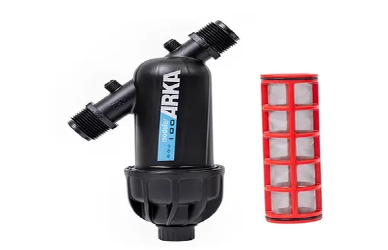
A screen filter protects irrigation systems, industrial machinery, and landscaping water systems by capturing debris before it can reach critical components. By preventing blockages in drip lines, sprinklers, valves, and pipelines, screen filters reduce the risk of equipment damage and costly downtime, ensuring smooth and uninterrupted operation.
Screen filters are highly efficient at removing suspended particles such as sand, silt, and organic matter. This filtration ensures consistent water flow, maintaining optimal system performance. Whether for agricultural irrigation, industrial processes, or landscape watering, the reliable flow provided by a screen filter supports healthy crops, efficient machinery operation, and well-maintained landscapes.
Screen filters are designed for easy cleaning, either manually or through automatic self-cleaning mechanisms. Their durable construction, often using corrosion-resistant materials, ensures a long service life with minimal maintenance effort. Investing in a quality screen filter reduces replacement frequency and labor costs, providing a cost-effective filtration solution over time.
Screen filters can handle water from diverse sources, including rivers, wells, reservoirs, and industrial process water. They are available in various sizes and mesh configurations, making them suitable for small-scale irrigation setups, large agricultural farms, industrial plants, and landscaping projects. This adaptability allows for customized filtration solutions that meet the unique needs of any water system.
Choosing the appropriate screen filter requires careful evaluation of several important factors:
Mesh Size – Determines the level of particle removal. Finer meshes capture smaller debris for sensitive applications, while coarser meshes handle larger particles efficiently.
Flow Rate – The filter must support the system’s water flow without causing pressure drops. Proper sizing ensures consistent filtration performance and prevents system strain.
Water Source Quality – The concentration and type of suspended solids in the water influence the choice of screen filter. Higher debris levels may require a more robust mesh or pre-filtration.
ARKA offers a wide variety of screen filters designed to meet diverse application needs. Their product range includes filters suitable for agricultural irrigation, industrial water systems, and landscape projects. Each model is engineered to deliver high filtration efficiency, durability, and low-maintenance operation, ensuring reliable performance under different water conditions.
For specialized irrigation or industrial applications, ARKA provides custom screen filter solutions tailored to specific requirements. Whether it’s a greenhouse, a large-scale farm, or a complex industrial system, ARKA can recommend the optimal mesh size, filter capacity, and configuration to maximize efficiency, protect equipment, and maintain consistent water quality.
Regularly check a screen filter for debris, mesh wear, and proper inlet/outlet function. Early detection prevents clogging and protects equipment.
Manual Cleaning – Remove and rinse the mesh; ideal for small systems or low-debris water.
Automatic Self-Cleaning – Flushes debris without stopping water flow; suitable for large-scale irrigation or industrial use.
Replace a screen filter if clogging persists, mesh/housing is damaged, water flow drops, or leaks appear. Timely replacement ensures system efficiency and reliable water quality.
A screen filter is essential for maintaining clean water and protecting irrigation, industrial, and landscaping systems from debris and clogging. Key benefits include efficient particle removal, reliable water flow, low maintenance, and long-lasting durability.
Investing in a high-quality screen filter enhances system performance, reduces downtime, and extends equipment lifespan. For dependable, tailored solutions, contact ARKA to explore their range of reliable screening filters designed for agricultural, industrial, and landscape applications.


