
Views: 0 Author: Site Editor Publish Time: 2026-11-20 Origin: Site


Why do similar fluid power components carry vastly different price tags? You might grab a basic unit for a mere $50. Yet, a visually identical counterpart could easily drain $5,000 from your project budget. Unclear pricing structures often leave system engineers scratching their heads. This confusion inevitably leads to frustrating budget overruns when the underlying cost factors remain hidden beneath the surface.
Navigating this complex landscape requires more than just a cursory glance at a supplier catalog. In this comprehensive breakdown, we will demystify the core engineering and manufacturing elements that dictate the financial outlay for these critical mechanical devices. Understanding these variables helps you make informed, budget-friendly, and highly reliable purchasing decisions tailored exactly to your specific operational needs.
Key Takeaways:
At their very core, these mechanical devices are engineered to meticulously regulate the flow, pressure, and directional routing of fluid within a power system. Think of them as the central nervous system of your machinery. They continuously direct energy to cylinders, motors, and actuators to perform heavy physical work. Fluid power applications span an incredibly broad spectrum. You might be building a simple agricultural drip irrigation system or designing commercial aircraft landing gear. Consequently, prices are never universally standardized. Stringent engineering tolerances, performance demands, and harsh operational environments dictate a vast array of manufacturing costs.
To navigate the market effectively, procurement teams should categorize these components into three overarching pricing tiers. These tiers are based on typical industrial applications and inherent engineering complexity.
| Valve Tier | Typical Application | Actuation Type | Pressure Range | Estimated Price Range |
|---|---|---|---|---|
| Low-Tier | Light agriculture, DIY equipment | Manual lever, basic pilot | Up to 2,500 PSI | $50 - $250 |
| Mid-Tier | Standard manufacturing, irrigation automation | Solenoid, hydraulic relay | 2,500 - 4,000 PSI | $250 - $1,500 |
| High-Tier | Aerospace, heavy mining, robotics | Proportional, servo | 4,000 - 10,000+ PSI | $1,500 - $5,000+ |
Establishing these baseline categories empowers engineers to set realistic budgetary expectations long before diving into granular technical specifications.
The foundation of any fluid routing device is its robust external housing. Standard cast iron and carbon steel remain highly prevalent across the heavy fluid power sector. They are cost-effective, relatively easy to machine, and perfectly suited for standard indoor manufacturing environments. In contrast, modern agricultural setups and drip irrigation systems demand relentless resistance to harsh elements, fertilizers, and UV exposure. Upgrading the Material Grade is a non-negotiable step to prevent premature failure.
Utilizing 316 Stainless Steel, bronze, or exotic duplex alloys exponentially inflates the final cost. Harder alloys demand specialized diamond-tipped tooling and significantly slower CNC machining speeds. However, for applications like water management, manufacturers often utilize glass-reinforced engineering plastics. These advanced polymers offer exceptional corrosion resistance at a fraction of the cost of stainless steel, providing a brilliant middle ground for budget-conscious engineers.
While the heavy external housing dictates a large portion of the financial outlay, intricate internal components are equally critical cost drivers. Standard Buna-N Nitrile seals are incredibly inexpensive and highly effective for everyday mineral oils and clean water. Conversely, high-temperature operations or systems utilizing synthetic chemicals necessitate advanced elastomers like Viton or PTFE Teflon. Furthermore, the central spool often undergoes specialized metallurgical hardening treatments to thwart premature wear. These secondary thermal and chemical processes guarantee longevity but inherently push manufacturing overhead higher.
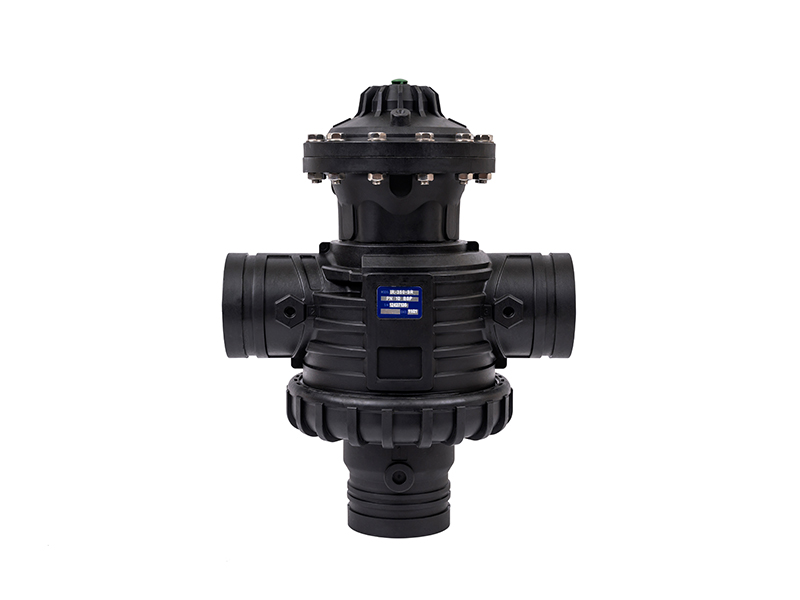
There is an undeniable, direct correlation between a component physical footprint and its market valuation. A larger Body Size intrinsically requires a much higher volume of raw material for the initial foundry casting or injection molding process. Beyond the sheer weight of raw materials, larger units feature expansive internal galleries and massive port sizes. Machining a large internal cavity requires heavy-duty industrial equipment, prolonged cycle times, and substantial material removal.
Physical dimensions are ultimately dictated by the required fluid flow rate. Attempting to force massive fluid volumes through an undersized orifice creates a severe bottleneck. This restriction leads to dangerous pressure drops and system-destroying heat generation. For instance, selecting a 2-Inch Backwash Hydraulic Valve for a large-scale drip irrigation system ensures adequate flow without stressing the pump. High-flow circuits mandate larger, heavily reinforced components. Similarly, pressure ratings heavily influence the final bill. Engineering a system to safely contain extreme pressure without suffering a catastrophic structural failure requires exceptionally thick housing walls and microscopic internal machining tolerances.
The specific method utilized to shift the internal mechanism from one position to another is a massive variable in pricing. Manual and mechanical actuation methods represent the most budget-friendly end of the spectrum. These reliable mechanisms rely on straightforward physical linkages with minimal moving parts. They require absolutely no electrical integration. For basic mobile equipment or a standalone hydraulic press, manual operation offers a highly cost-effective, bulletproof solution.
As modern machinery marches toward full automation, selecting advanced Pilot Options becomes unavoidable. Integrating solenoid actuation immediately bumps up the price due to the addition of complex electrical components. A solenoid-operated unit requires densely wound electromagnetic coils, internal steel armatures, and specialized wiring harnesses. Electro-hydraulic pilot systems introduce multiple layers of both mechanical and electrical complexity. This integration naturally results in a steeper price point but delivers unmatched precision.
Looking at broader market movements, recent industry analyses reveal that the integration of smart technologies is fundamentally reshaping cost structures. The ongoing transition toward Industry 4.0 means that modern fluid systems increasingly demand predictive maintenance capabilities and real-time data logging. The incorporation of IoT sensors, digital control interfaces, and onboard microprocessors is driving initial prices upward.
Furthermore, global sustainability mandates are pushing sectors like agriculture toward highly efficient water management. Precision drip irrigation systems now heavily rely on automated backwash valves to maintain filtration efficiency without wasting water. While these smart, automated fluid control systems carry a higher upfront cost, they drastically reduce long-term resource waste and labor expenses. This shift proves that modern procurement must evaluate lifetime value rather than just the initial purchase invoice.
The architectural blueprint of Directional Control Valves also dictates their market value. These units generally fall into two distinct structural categories: monoblock and sectional bankable designs. Monoblock units are cast from a single, solid piece of metal or plastic. Because they require fewer internal seals and bypass complex assembly steps, they are highly economical for standardized, repetitive systems. In contrast, sectional designs are built from multiple individual slices bolted together with heavy tie rods.
While sectional valves carry a higher upfront cost due to labor-intensive assembly and multiple sealing points, they offer unparalleled modularity. If a single section fails in the field, a maintenance crew only needs to replace that specific slice. This dramatically lowers long-term repair expenses. Beyond simple directional routing, advanced pressure-compensating flow control devices are structurally intricate marvels. Achieving seamless operation requires internal compensator spools and precision-calibrated tension springs, making them significantly more expensive than standard non-compensating counterparts.
In the realm of industrial manufacturing, economies of scale dictate the pricing matrix. Your anticipated Order Volume acts as a critical leverage point in determining the per-unit cost. Manufacturers face hefty fixed expenses for every single production run. These expenses include machine programming, tool calibration, and dedicated engineering hours. When a buyer commits to an order of one thousand units, these fixed setup costs are amortized across a massive volume. This results in steep, highly attractive discounts.
Conversely, purchasing a single replacement part or ordering a micro-batch forces the supplier to absorb the entire setup cost within a tiny run. Procuring standard, off-the-shelf catalog items is undeniably the most budget-conscious approach. Requesting bespoke port configurations, non-standard mounting footprints, or highly unique timing characteristics requires fresh CAD designs and custom prototyping. Buyers should always strive to utilize standard configurations unless the application strictly demands a custom-tailored solution.
A frequently overlooked component of the final invoice is the hidden cost of quality assurance and regulatory compliance. Components destined for critical applications cannot simply be bolted together and thrown in a shipping box. They must undergo grueling factory validation. This encompasses hydrostatic burst testing, comprehensive flow curve mapping, and internal leakage verification. If a unit requires specific industry certifications, the heavy costs of third-party auditing and stringent quality control protocols are directly embedded into the purchase price.
The manufacturer brand name also carries significant financial weight. Premium, globally recognized brands typically charge more for specifications that appear identical to generic alternatives on paper. However, this extra cost often buys robust after-sales support networks, comprehensive warranty programs, and global availability of replacement parts. An unbranded generic import may offer an incredibly low initial sticker price. Yet, the total lack of documentation or available replacement seals can lead to catastrophic, costly downtime if the component fails on the production line.
Navigating the procurement process requires a delicate, data-driven balance between technical necessities and strict budget constraints. Procurement managers and mechanical engineers constantly face a significant challenge: reducing the initial capital expenditure without compromising the safety, efficiency, or operational longevity of the system. Optimizing your Hydraulic Control Valve Price is not about blindly purchasing the cheapest available component. Rather, it is about engaging in rigorous value engineering.
The most common driver of inflated component costs is the engineering tendency to over-spec a system. While building safety margins into a circuit is necessary, indiscriminately selecting premium features for mundane applications results in exponential cost increases. To optimize budgets effectively, buyers must strictly align technical specifications with the actual operational environment. For example, upgrading to stainless steel in a clean, non-corrosive indoor environment can unnecessarily triple the cost.
Direct partnerships eliminate intermediary markups, providing a much more transparent pricing structure. When evaluating potential manufacturing partners, it is crucial to assess their internal quality assurance protocols and testing capabilities. By consolidating your vendor list and increasing your purchasing volume with a single trusted supplier, you can effectively secure highly competitive pricing that aligns perfectly with your long-term budgetary goals.
Ultimately, the financial investment required for fluid power components varies wildly. This massive variance is firmly rooted in tangible engineering realities, including the chosen material grade, the physical body size, the complexity of the pilot options, and the total order volume. By looking beyond the initial upfront sticker price and carefully evaluating the Total Cost of Ownership, savvy buyers can avoid the pitfalls of both over-engineering and under-engineering.
Through precise specification matching and strategic supplier partnerships, you can secure components that offer the perfect balance of system reliability, operational longevity, and upfront affordability. If you are designing an efficient agricultural setup or upgrading your industrial fluid systems, partnering with a specialized manufacturer ensures you get the exact performance you need. Explore the robust selection of precision-engineered solutions at ARKA Irrigation to find the perfect 2-Inch Backwash Hydraulic Valve or custom directional control unit tailored to your project requirements.
Not necessarily. While higher prices often reflect superior materials, tighter machining tolerances, or advanced electronic pilot options, the true key to optimal performance is matching the component specifications exactly to your system empirical requirements. Purchasing a highly expensive, ultra-high-pressure proportional unit for a low-pressure, simple mechanical circuit yields absolutely no performance benefit. True performance is achieved through precise engineering fit, not merely by selecting the most expensive item in the catalog.
Significantly. The manufacturing of complex hydraulic components involves substantial fixed overhead, including machine setup time, specialized tooling, and rigorous quality assurance testing protocols. Ordering in bulk allows the manufacturer to spread these heavy fixed costs across hundreds or thousands of units. Depending on the complexity of the design and the manufacturer production capacity, bulk purchasing can easily reduce the per-unit price by twenty to fifty percent compared to single-unit purchases.
Proportional models are highly complex mechatronic devices. Unlike standard directional units that simply click open or closed, proportional designs provide variable, computer-controlled flow rates. This requires highly precise internal machining to minimize spool leakage, advanced electronic solenoids, and often integrated feedback sensors to monitor the exact micro-position. The seamless integration of precision mechanical engineering with advanced electronics drastically increases both manufacturing and calibration testing costs.
Only if your system calculated flow rate allows for it without exceeding safe fluid velocity limits. Forcing high fluid volume through a body size that is too small creates a severe bottleneck. According to basic fluid dynamics principles, this restriction causes massive pressure drops and excessive heat generation. The resulting heat will rapidly degrade the fluid and destroy internal polyurethane seals, ultimately costing you far more in system downtime and component repairs than you initially saved.
Standard cast iron or carbon steel is typically the most cost-effective material grade for standard, non-corrosive industrial environments. These robust materials offer excellent tensile strength and fatigue resistance for high-pressure applications at a very reasonable price point. Premium materials like 316 stainless steel command a massive price premium and should be strictly reserved for washdown environments, marine applications, or highly corrosive chemical processing.
For modern agricultural and drip irrigation systems, reinforced engineering plastics like glass-filled nylon are highly recommended. They provide exceptional resistance to UV rays, harsh fertilizers, and water-induced corrosion at a significantly lower price point than stainless steel or brass. Metal bodies are generally reserved for ultra-high-pressure industrial hydraulic systems where extreme tensile strength is required to prevent catastrophic bursting.
The lifespan heavily depends on the operating environment, fluid cleanliness, and duty cycle. In a well-maintained system with properly filtered fluid and normal operating pressures, a high-quality unit can easily last over a decade. However, fluid contamination, excessive heat, and operating beyond the rated pressure limits can destroy internal seals and score the metal spool, reducing the lifespan to mere months. Routine maintenance and proper initial sizing are the best ways to maximize component longevity.


