
Views: 0 Author: Site Editor Publish Time: 2025-10-02 Origin: Site


Disc filter systems have gained popularity across various industries due to their exceptional filtration efficiency and versatility. Utilizing a unique design of stacked grooved discs, these systems effectively capture fine particles and impurities, ensuring clean water output. Their compact size allows for easy integration into existing infrastructures, making them ideal for facilities with limited space. Additionally, disc filters require minimal maintenance and offer energy-efficient operation, providing significant long-term savings. In this article, we will explore the key advantages of disc filter systems and why they are an optimal choice for diverse applications.
Disc filters use a stack of grooved discs pressed together to form a filtration surface. Water flows through the small gaps between these discs. Particles larger than the gap size get trapped on the disc surfaces. This layered design increases the filtration area, allowing the system to capture fine sediments and impurities effectively. The discs are usually made from durable materials like polypropylene or polyester, ensuring longevity and resistance to wear.
Disc filters operate in two main phases: filtration and backwashing.
● Filtration Phase: Water enters the filter housing and passes through the stacked discs. Particles get caught between the grooves, allowing only clean water to exit.
● Backwashing Phase: Over time, trapped particles accumulate, increasing pressure drop across the filter. To clean, the flow reverses, and the discs slightly separate. This loosens and flushes out debris. Once cleaned, the discs compress again, and filtration resumes.
Automatic disc filters often include programmable backwash cycles triggered by time intervals or pressure differences. This automation reduces manual labor and keeps filtration consistent.
Disc filters come in various designs to suit different needs:
● Manual Disc Filters: Require manual backwashing by loosening the discs or reversing flow.
● Automatic Disc Filters: Feature automated backwash controlled by sensors and timers, enabling continuous operation.
● Double Disc Filters: Use two disc stacks for enhanced filtration efficiency, ideal for higher water quality demands.
● In-line Disc Filters: Installed directly in the pipeline, filtering water right at the source.
● End-line Disc Filters: Positioned at the end of a filtration sequence, often for final polishing.
Each type offers specific benefits depending on flow rate, maintenance preferences, and application requirements.
For continuous, low-maintenance operation, choose automatic disc filters with programmable backwash controls to maintain steady filtration without manual intervention.
Disc filter systems excel at capturing fine particles due to their unique stacked disc design. The multiple layers increase the filtration surface area, allowing them to trap sediments, organic matter, and other impurities more effectively than many other filters. This high efficiency ensures clean water output, which is crucial for applications like irrigation, municipal water treatment, and industrial processes where water purity is essential.
One standout benefit of disc filters is their compact size. Unlike bulky sand filters, disc filters require much less space, making them ideal for facilities with limited room. Their modular design allows easy integration into existing systems without major layout changes. This space-saving aspect reduces installation complexity and costs, especially in urban or industrial settings.
Disc filter systems are highly adaptable. They serve a broad range of industries including agriculture, municipal water treatment, industrial water filtration, aquaculture, mining, and wastewater treatment. Their ability to handle various water qualities and flow rates makes them a flexible choice. Whether filtering irrigation water or treating industrial effluents, disc filters deliver consistent performance.
Maintenance is straightforward for disc filter systems. Their backwashing process—either manual or automatic—quickly removes trapped debris, minimizing downtime. Automatic systems, in particular, reduce labor by initiating cleaning cycles based on pressure changes or preset intervals. Additionally, discs are made from durable materials like polypropylene or polyester, resisting wear and harsh chemicals. This durability translates into a longer service life and fewer replacements.
Compared to other filtration methods, disc filters consume less energy. Automated backwash cycles optimize water and power use, lowering operational costs. Their modular nature also allows scalability; multiple units can be combined in series or parallel to meet larger volume demands or higher filtration standards. This flexibility supports growth and changing process requirements without needing complete system overhauls.
For maximum operational efficiency, consider automatic disc filters with programmable backwash controls to reduce manual maintenance and maintain consistent filtration quality.
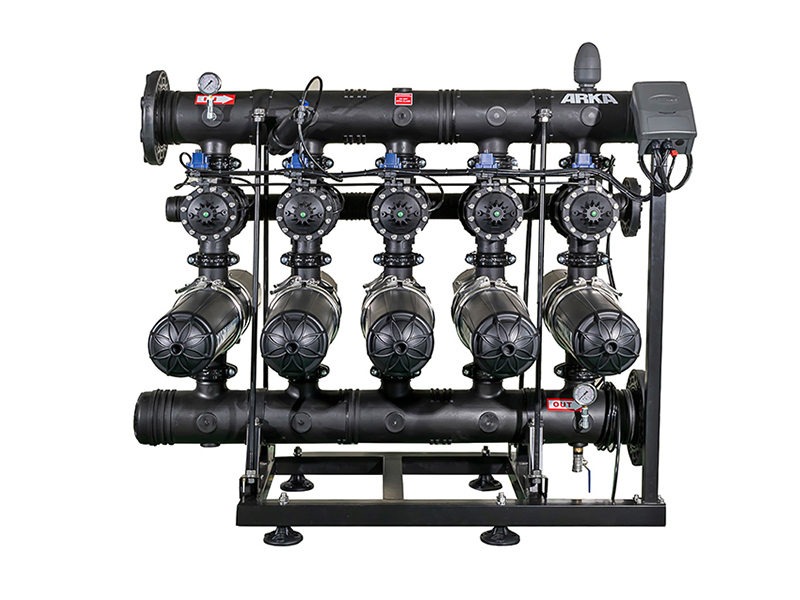
Disc filter systems are widely used across many industries due to their efficiency and versatility. Their ability to remove particles and impurities makes them essential in processes where water quality is critical. Here’s a closer look at some common applications:
In agriculture, clean water is vital for healthy crops. Disc filters remove sediments, organic debris, and other particles from irrigation water. This prevents clogging of drip emitters, sprinklers, and micro-irrigation systems, ensuring uniform water distribution. The filters help maintain system efficiency and reduce maintenance costs. Automatic disc filters are especially popular because they provide continuous filtration and self-cleaning, reducing labor demands on farms.
Municipal water treatment plants use disc filters to improve water clarity and safety. They efficiently remove suspended solids from raw water sources such as rivers and reservoirs. This step helps meet regulatory standards for drinking water quality. Their compact design allows easy integration into existing treatment infrastructure, saving space and installation costs. Automated backwash features ensure consistent performance even as water quality varies.
Industries rely on clean water for cooling, processing, and manufacturing. Disc filters protect equipment by filtering out particles that could cause damage or reduce efficiency. They are used in petrochemical plants, food processing, and textile manufacturing. Their durability and ease of maintenance reduce downtime. The scalability of disc filters allows industries to adjust filtration capacity based on production needs.
In aquaculture, maintaining clean water is crucial for fish health. Disc filters remove particulates that could harm aquatic life or disrupt biological processes. In mining, large volumes of wastewater contain sediments and contaminants. Disc filters treat this water, enabling safe discharge or reuse. Their robust design handles harsh conditions and heavy loads common in these sectors.
Wastewater treatment plants use disc filters to remove suspended solids and improve effluent quality. This process supports environmental compliance and protects ecosystems. Disc filters are effective in tertiary treatment stages, polishing water before discharge or reuse. Their automated cleaning cycles help maintain continuous operation, reducing manual intervention and operational costs.
When selecting disc filters for your application, consider automatic models with programmable backwash to ensure consistent filtration and reduce maintenance efforts across diverse industries.
While disc filter systems offer many benefits, they also come with some challenges and drawbacks that users should consider before implementation.
One of the main challenges is the upfront investment. Disc filters, especially automated models, can be expensive to purchase and install. The cost includes the filter units, control systems, and integration into existing infrastructure. For small operations or those with tight budgets, this initial expense might be a barrier. However, the long-term savings in maintenance and operational costs often offset this investment over time.
Disc filters are designed to capture particles within a specific size range. They excel at filtering fine sediments and organic matter but may struggle with very large debris or extremely fine particles smaller than the filter’s gap size. This limitation means that in some cases, disc filters need to be paired with other filtration stages to achieve comprehensive water purification.
Despite their efficient design, disc filters can clog, especially when treating water with high loads of suspended solids or organic matter. Frequent clogging increases the need for backwashing, which uses additional water and energy. In poorly maintained systems, clogging can reduce filtration efficiency and increase pressure drop, impacting overall system performance.
Disc filters require consistent maintenance to function optimally. Manual disc filters demand regular cleaning, while automatic systems depend on properly functioning sensors and control units to trigger backwash cycles. Neglecting maintenance can lead to reduced filter lifespan, decreased efficiency, and potential system failures. Maintenance includes monitoring filter condition, cleaning or replacing discs, and ensuring backwash systems operate correctly.
Oil and grease present in the water can pose significant problems for disc filters. These substances tend to stick to the discs, clogging the small grooves and reducing filtration efficiency. In applications where oil or grease contamination is common, such as certain industrial wastewater streams, disc filters may not be the best choice or might require pre-treatment to remove these contaminants before filtration.
To minimize downtime and maintain filtration efficiency, implement a regular maintenance schedule and consider pre-treatment options if oil or grease contamination is expected.
Disc filters and screen filters both serve to remove particles from water, but they differ significantly in design and performance. Disc filters use stacked discs with grooves that trap fine particles between layers. This design offers higher filtration efficiency, especially for small sediments and organic matter. Screen filters rely on a mesh screen that captures particles on the surface.
Advantages of Disc Filters over Screen Filters:
● Higher filtration precision: Disc filters catch finer particles due to their layered structure.
● Better durability: Made from robust materials, disc filters often last longer under high pressure.
● Easier cleaning: Backwashing loosens debris from discs more effectively than cleaning screens.
Advantages of Screen Filters:
● Lower initial cost: Screen filters are simpler and cheaper to manufacture.
● Simpler installation: Their straightforward design allows quick setup.
● Flexibility: Screen filters adapt well to varying water qualities and flow rates.
For applications demanding high purity and fine filtration, disc filters are preferable. Where budget constraints or simple filtration suffice, screen filters may be more suitable.
Sand filters use a bed of sand to trap particles as water passes through. They are common in large-scale water treatment due to their capacity to handle high flow rates.
Disc Filters Outperform Sand Filters in:
● Space efficiency: Disc filters are compact, requiring less installation area.
● Maintenance ease: Backwashing disc filters is faster and uses less water.
● Filtration speed: Disc filters provide quicker filtration cycles.
Sand Filters Have Advantages:
● Handling larger debris: Sand filters better capture bigger particles.
● Lower sensitivity: They tolerate a wider range of water qualities, including oily or greasy water.
● Cost-effective for large volumes: For very high flow rates, sand filters can be more economical.
Choosing between disc and sand filters depends on space availability, particle size, water quality, and flow demands.
Selecting the best filter requires balancing factors like:
● Water quality: Fine particles call for disc filters; coarser debris may suit sand or screen filters.
● Budget: Screen filters have lower upfront costs; disc filters save money over time via lower maintenance.
● Space constraints: Compact disc filters fit tight spaces better.
● Maintenance capacity: Automated disc filters reduce labor but need reliable control systems.
● Flow rate: Sand filters excel in very high flow applications.
Consider your specific requirements and constraints. Sometimes, combining filter types in stages yields optimal results.
Evaluate your water’s particle size distribution and system space before choosing a filter; disc filters excel in fine filtration and compact setups but may not suit all flow or contamination conditions.
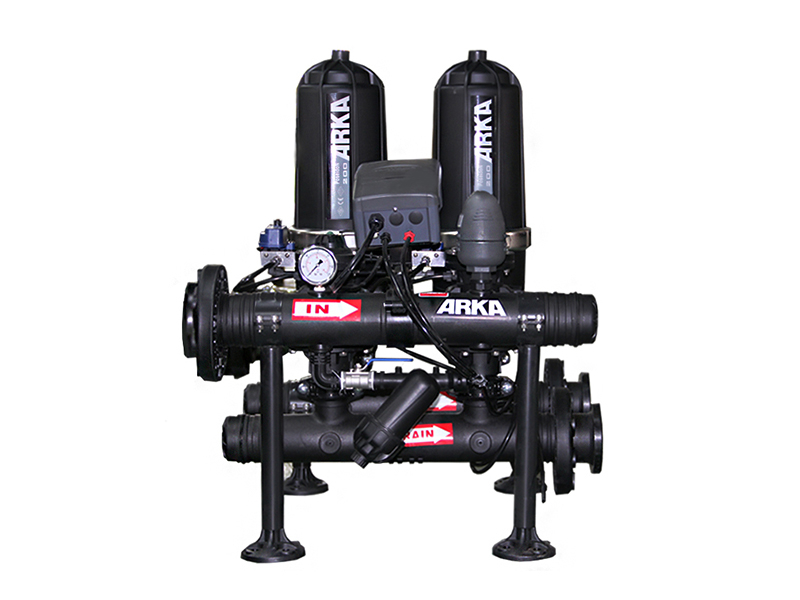
A vineyard in California struggled with irrigation water carrying sediments that clogged drip emitters, reducing water flow and crop health. They installed automatic disc filters to tackle this issue. These filters consistently removed particles, preventing clogging and ensuring uniform water distribution. The automated backwash system minimized manual cleaning, saving labor and reducing downtime. As a result, the vineyard saw improved irrigation efficiency and healthier grape yields. This case highlights how disc filters support sustainable agriculture by maintaining clean irrigation water and reducing maintenance efforts.
The City of Boston faced challenges in managing turbidity and suspended solids in their municipal water supply. They integrated disc filter systems into their treatment plant, benefiting from the filters’ compact design and high filtration efficiency. The filters effectively lowered turbidity levels, helping the city meet strict drinking water standards. Automated backwashing kept the system running smoothly without frequent manual intervention. This installation demonstrated how disc filters can be retrofitted into existing facilities to improve water quality while saving space and operational costs.
A petrochemical plant in Texas used disc filters in their cooling water system to prevent particulate contamination. The high filtration efficiency of disc filters protected heat exchangers and pumps from fouling, reducing maintenance frequency and extending equipment lifespan. The plant employed automatic disc filters with programmable backwash cycles, ensuring continuous operation with minimal manual oversight. This approach lowered downtime and improved process reliability. The case exemplifies how disc filters enhance industrial water treatment by providing robust, energy-efficient filtration tailored to demanding environments.
When implementing disc filter systems, prioritize automatic models with programmable backwash to ensure consistent filtration and reduce labor across diverse real-world applications.
Disc filter systems offer high filtration efficiency, compact design, versatility, ease of maintenance, and energy efficiency. However, consider initial costs and maintenance needs. Future prospects for disc filters are promising due to their adaptability and performance across industries. About ARKA - 30 Years of Excellence in Water Filtration provides advanced disc filter solutions, ensuring consistent water quality and operational efficiency. Their products deliver exceptional value by combining robust features with innovative technology, making them suitable for diverse applications.
A: A Disc Filter System is a type of filtration device that uses stacked grooved discs to trap fine particles, ensuring clean water output for various applications.
A: The Disc Filter System operates in two phases: filtration, where water passes through discs trapping particles, and backwashing, where the flow reverses to clean the discs.
A: Disc Filter Systems offer high filtration efficiency, compact design, versatility, ease of maintenance, and energy efficiency, making them ideal for diverse industries.
A: While Disc Filter Systems have a high initial cost, their long-term savings in maintenance and operational efficiency often offset the investment.
A: Troubleshooting involves checking for clogs, ensuring backwash cycles function correctly, and maintaining sensor and control units for optimal performance.


