
Views: 0 Author: Site Editor Publish Time: 2026-10-16 Origin: Site


Your heart beats an astonishing 2.5 billion times over the course of an average lifespan. Have you ever wondered how this muscular organ manages to pump blood so flawlessly without succumbing to constant mechanical failure? This endless, rhythmic work relies entirely on tiny, perfectly engineered biological doors. By acting as rigorous gatekeepers, the semilunar valve and aortic valve prevent dangerous backflow. They maintain a unidirectional flow that sustains life. Throughout this comprehensive guide, we will delve into the intricate mechanics of these biological structures. Furthermore, we will draw practical, fascinating parallels to modern mechanical fluid systems from an engineering perspective.
To truly comprehend the complexities of the cardiovascular system, one must first examine the four primary valves directing traffic within the human heart. These include the tricuspid, pulmonary, mitral, and aortic valves. These biological checkpoints operate in perfect synchronization. They ensure that blood moves efficiently through the muscular chambers and out to the extremities.
Among these vital structures, the semilunar valves occupy a unique anatomical position. They derive their name from their distinct, elegant appearance. The delicate leaflets, often referred to as cusps, are shaped remarkably like half-moons. Unlike other valves housed within the heart, they do not rely on fibrous strings to anchor them in place. Instead, they utilize their concave, cup-like geometry to catch surging blood. The result? They snap tightly shut under shifting pressure gradients.
Situated precisely at the junction between the right ventricle and the pulmonary artery, the pulmonary valve is tasked with managing the flow of deoxygenated blood. When the right ventricle contracts with sudden force, this valve bursts open. This action creates a direct pathway for blood to travel to the lungs. Once there, the blood rapidly unloads carbon dioxide and absorbs a fresh, life-sustaining supply of oxygen.
The aortic valve is strategically positioned between the left ventricle and the aorta. The aorta is the largest and most robust artery in the human body. This valve acts as the final, critical checkpoint before freshly oxygenated blood is distributed globally. Consequently, there is a direct and vital relationship between the two semilunar valves. The aortic valve is simply the most heavily burdened of the pair. Because it handles the sheer volume of blood being forcefully propelled to the entire body, it operates under the highest mechanical stress of any tissue in the cardiovascular network.
Systemic circulation operates much like a high-pressure municipal water grid. It delivers oxygen-rich blood to the brain, vital organs, and deep tissues. During the active pumping phase known as systole, the left ventricle contracts with immense, squeezing force. This violent contraction generates a high-pressure environment that forces the aortic valve open. The three half-moon-shaped leaflets seamlessly fold back against the artery walls. This creates a wide, unobstructed highway for blood to flood into the aorta and begin its journey throughout the vascular system.
Following this explosive contraction comes the resting phase, called diastole. During this brief fraction of a second, the left ventricle relaxes. The pressure inside the muscular chamber plummets. Without a physical barrier in place, the heavy volume of blood that was just pumped into the aorta would naturally rush backward into the heart due to gravity and arterial pressure.
To prevent this catastrophic flow reversal, the residual aortic pressure pushes the blood backward just enough to fill the cup-like leaflets of the aortic valve. This causes them to balloon outward and snap shut instantly. This flawless timing traps the blood in the arteries. It maintains a steady, healthy blood pressure while ensuring the heart does not waste precious energy re-pumping the same fluid.
The human heart utilizes two distinctly different types of valves to manage its internal fluid dynamics. Understanding the architectural differences between the semilunar valves and the atrioventricular valves clarifies how the organ maintains such rhythmic efficiency over decades of continuous use.
On a structural level, the physical anatomy of these two valve types is remarkably different. The atrioventricular valves, specifically the mitral and tricuspid valves, are firmly anchored to the inner heart wall by tough, fibrous cords called chordae tendineae. These are affectionately known as heart strings. These strings act like parachute cords. They prevent the atrioventricular valves from blowing inside out when the powerful ventricles contract.
In contrast, the semilunar valves possess a much simpler, yet highly effective, three-leaflet structure. They lack chordae tendineae entirely. To maintain their seal, they rely solely on the geometric strength of their half-moon shape and the natural pressure gradients of the surrounding blood.
While both categories of valves are designed to keep blood flowing in a single, forward direction, their geographical responsibilities differ significantly. Specifically, atrioventricular valves control the internal flow of blood. They move it from the upper receiving chambers known as atria down into the main pumping chambers called ventricles. Conversely, semilunar valves manage the exit routes. They direct blood out of the heart and into the major arterial highways.
Recent industry analyses reveal a massive shift toward biomimetic design in fluid mechanics. Engineers are closely studying the passive, pressure-responsive dynamics of the aortic valve to innovate more resilient infrastructure. As modern facilities and large-scale agricultural operations demand systems capable of enduring high-stress environments with minimal maintenance, the industry is pivoting toward designs that mirror these biological wonders.
By replicating the heart's ability to handle extreme pressure gradients without external power sources, manufacturers are developing equipment that maximizes flow efficiency. This biomimetic approach drastically reduces mechanical wear and tear, effectively eliminating destructive water hammer effects in commercial pipelines.
To truly appreciate the biological brilliance of the cardiovascular system, one must look toward modern mechanical engineering. The human heart operates as a highly advanced, self-sustaining fluid pump. Just as industrial piping systems handling high-velocity fluids require precise mechanisms to direct flow, the human body relies heavily on these biological doors to manage the continuous surge of blood.
In the realm of engineering, fluid dynamics must be strictly controlled to avert catastrophic system failure. The semilunar valve and aortic valve function exactly like a highly calibrated one way valve. These biological tissues are entirely passive. They do not require independent electrical signals from the brain to open or close. Instead, they rely purely on shifting pressure gradients. When the pressure inside the pumping chamber exceeds the pressure in the outgoing artery, the barrier is forced open. The moment that pressure drops, the backward surge of fluid catches the leaflets, snapping them tightly shut.
In heavy-duty industrial plumbing and commercial irrigation, a check valve is an indispensable device. It is installed in piping networks to allow fluid to travel in one direction while automatically blocking reverse flow. The aortic valve is undoubtedly the ultimate biological equivalent of this mechanism. It must open fully to permit oxygen-rich blood to exit, and then seal flawlessly to guarantee that fluid does not leak back into the fragile pumping chamber.
Furthermore, we can draw a direct comparison to a foot valve. Typically installed at the very bottom of a pump suction line, this device maintains pump prime and prevents liquid from draining back into the source well when the machinery is powered down. In the human body, the aortic valve acts in a nearly identical capacity for systemic circulation. By closing tightly during the heart's resting phase, it traps high pressure within the aorta. This residual pressure is exactly what continues to push blood forward through your arteries, even while the heart muscle is momentarily relaxing.
Pressure management remains a vital component of both organic biology and synthetic engineering. While the human heart pumps a viscous liquid rather than a gas, the core principles of pressure relief remain strikingly similar. In complex municipal pipeline networks, an air release valve is strategically utilized to automatically vent trapped air pockets. Without this component, systems face dangerous pressure spikes, severe inefficiency, or pipe-rupturing airlocks.
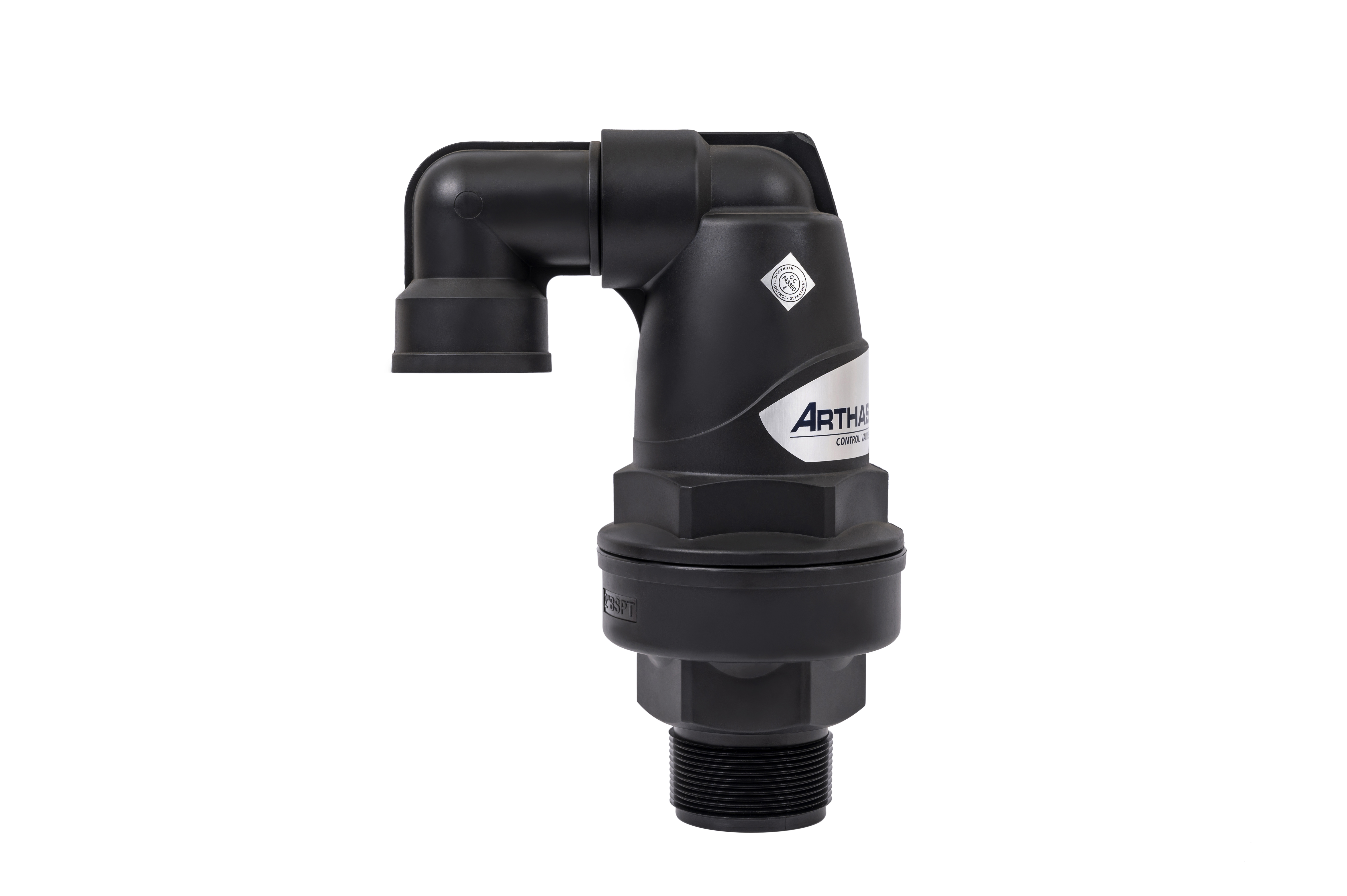
For instance, modern systems utilize devices like the C20 High Quality Large Exhaust Volume 2-inch Interface Combined Air Valve. This specific unit operates under PN10 to PN16 nominal pressure ratings, ensuring rapid exhaust protection for irrigation networks. In a comparable manner, the precise, timed opening of the aortic valve acts as a biological pressure relief mechanism. As the left ventricle violently contracts, internal pressure skyrockets. The sudden yielding of the aortic valve instantly relieves this immense strain, safely transferring the kinetic energy and fluid volume outward without damaging the delicate myocardial tissue.
The human circulatory network can be accurately visualized as a microscopic, highly complex agricultural irrigation grid. Just as fragile crops require a precise, continuous delivery of water to survive harsh conditions, human organs demand a constant, regulated delivery of oxygenated blood.
In modern commercial agriculture, a specialized irrigation valve is frequently utilized to control the exact volume and direction of water reaching specific zones of a field. This ensures optimal distribution without overwhelming the soil. The aortic valve serves a parallel purpose for the body. It meticulously regulates the massive output of the left ventricle. This guarantees that the systemic network of arteries, capillaries, and veins receives the exact flow rate required to nourish the brain, kidneys, and muscles, constantly adapting whether you are sleeping or sprinting.
| Biological Mechanism | Industrial Equivalent | Core Function & Engineering Parameters |
|---|---|---|
| Aortic Valve | Check Valve / One Way Valve | Prevents backflow. Operates passively based on pressure differentials. Zero leakage tolerance. |
| Aortic Root Pressure Retention | Foot Valve | Maintains system prime. Traps high pressure in the main line while the pump rests. |
| Ventricular Pressure Relief | C20 Combined Air Valve | Mitigates pressure spikes. Features a 2-inch interface and large exhaust volume to protect systems up to PN16. |
| Vascular Distribution | Irrigation Valve | Zone-specific flow regulation. Adapts output volume to meet localized tissue or crop demands. |
The relentless, rhythmic thumping in your chest is formally known as the cardiac cycle. This continuous sequence of mechanical and electrical events is split into two primary phases. During these stages, these delicate valve structures execute their life-sustaining duties with microscopic precision.
During ventricular systole, the muscular walls of the right and left ventricles contract with sudden, twisting force. This action causes a rapid, exponential increase in pressure within the chambers. Initially, all heart valves are closed, allowing pressure to build. Once the pressure in the left ventricle surpasses the resting pressure in the aorta, the semilunar valves are violently forced open. Oxygenated blood is ejected rapidly into the aorta. This creates the palpable pulse you can feel at your wrist or neck.
Following this intense contraction, the heart muscle must relax and expand to refill with fresh blood. As the ventricles relax during diastole, the pressure inside them plummets near zero. The blood that was just propelled into the aorta attempts to fall backward into the low-pressure ventricle. However, this backward momentum catches the cup-like cusps of the semilunar valve and aortic valve. This forces them to instantly inflate and snap together. This firm closure produces the second heart sound—the distinct dub in the lub-dub rhythm—and secures the blood safely in the arterial system.
Because the aortic valve opens and closes over 100,000 times a day, it is subjected to immense, continuous mechanical wear. When this biological checkpoint begins to degrade, the entire cardiovascular system is severely compromised. Medical professionals categorize these mechanical failures primarily into two debilitating conditions.
Aortic valve stenosis occurs when the delicate valve leaflets become stiff, abnormally thick, or fused together. This is most frequently caused by age-related calcium deposits or a congenital abnormality, such as being born with a two-leaflet bicuspid valve instead of the standard three. Because the stiffened valve cannot open fully, the exit pathway becomes dangerously narrow. Consequently, the left ventricle must work significantly harder to force blood through this restricted space. Over time, this chronic overexertion causes the heart muscle to thicken and weaken. This often leads to heart failure, severe chest pain, or sudden fainting spells.
Also referred to as aortic insufficiency, regurgitation happens when the valve fails to close completely during the resting phase. This creates a leaky seal. Instead of all the blood moving forward to nourish the body, a significant portion of it leaks backward into the left ventricle. This inefficiency forces the heart to repeatedly re-pump the exact same blood, leading to severe volume overload. Patients suffering from regurgitation often experience chronic, debilitating fatigue, shortness of breath during minor physical exertion, and fluid pooling in the lower extremities due to compromised circulation.
Modern cardiology relies on highly objective, evidence-based diagnostic tools to evaluate the structural integrity of the semilunar valves. Early detection is absolutely critical for preventing irreversible damage to the heart muscle.
The diagnostic journey usually begins in a clinic with a simple auscultation. By carefully listening to the chest with a stethoscope, a skilled physician can detect a heart murmur. This is an abnormal, turbulent whooshing sound caused by blood forcing its way across a stiff or leaky valve. To confirm this initial suspicion, cardiologists utilize an Echocardiogram. This specialized ultrasound provides real-time, moving images of the valves in action. In more complex scenarios, a high-resolution Cardiac MRI may be ordered to assess the exact degree of structural damage to the surrounding heart muscle.
Currently, there are no pharmaceutical medications capable of curing a structurally degraded heart valve. Nevertheless, physicians often prescribe blood pressure medications to reduce the mechanical workload on the heart and manage uncomfortable symptoms. When a valve becomes severely compromised, structural intervention is required. Surgeons may perform traditional open-heart surgery to replace the damaged tissue with a mechanical carbon valve or a biological tissue valve. More recently, minimally invasive procedures like Transcatheter Aortic Valve Replacement allow specialists to deploy a new valve through a small catheter inserted in the leg. This entirely bypasses the need to open the chest cavity.
While certain valve conditions are congenital or related to unavoidable aging, your daily lifestyle choices play a profound role in maintaining the long-term structural health of your cardiovascular system. Protecting these delicate biological doors requires a proactive, holistic approach to bodily health.
Adopting a heart-healthy diet low in saturated fats and refined sugars is essential for preventing the buildup of cholesterol and calcium on the valve leaflets. Coupled with consistent aerobic exercise, such as swimming, cycling, or brisk walking, you can keep the heart muscle strong and efficient. This enhanced efficiency actually lowers your resting heart rate. Ultimately, this means your valves have to open and close fewer times over your lifespan, radically reducing overall mechanical wear.
Additionally, managing chronic high blood pressure is paramount. Hypertension forces the aortic valve to snap shut against unusually high resistance, accelerating tissue degradation. Finally, maintaining excellent dental hygiene is surprisingly crucial. Bacteria originating from severe gum disease can enter the bloodstream and latch onto the heart valves, causing a life-threatening infection known as endocarditis. Regular dental checkups serve as a vital preventative measure for heart health.
It acts as a critical, one-way door situated directly between the right ventricle and the pulmonary artery. Its primary function is to ensure that deoxygenated blood is pumped swiftly to the lungs to receive fresh oxygen, while strictly preventing any of that fluid from leaking backward into the heart during the resting phase.
The anatomical naming convention is based entirely on their unique structural appearance. The individual leaflets of these valves are shaped remarkably like half-moons. In Latin, semi translates to half, and lunar refers to the moon. This distinct, concave shape is exactly what allows them to catch backward-flowing blood and seal the artery tightly.
While both serve the exact same fundamental engineering purpose of allowing forward fluid flow while preventing reverse flow, the biological aortic valve is infinitely more complex. It is constructed of living, self-repairing endothelial tissue that dynamically adapts to changing bodily demands. A healthy human valve can operate flawlessly over 2.5 billion times in a lifespan without ever requiring synthetic lubrication or manual maintenance.
Yes, modern medical science offers several highly effective interventions. Depending on the exact pathology and severity of the degradation, cardiologists can perform a balloon valvuloplasty to force open a stiffened valve. For more severe deterioration, the valve can be completely replaced using minimally invasive catheter procedures or through traditional surgical replacement.
No, they do not. Unlike the mitral and tricuspid valves, which require fibrous heart strings to anchor them and prevent them from blowing inside out under pressure, the semilunar valves lack these structures completely. Instead, they rely entirely on the architectural strength of their half-moon shape and the natural fluid pressure of the blood to remain tightly closed.
Chronic high blood pressure acts like a heavy, restrictive weight against the aortic valve. Every time the left ventricle pumps, it must exert extra force to push the valve open against this high resistance. Furthermore, when the valve snaps shut, it does so with excessive, damaging force. Over time, this mechanical trauma accelerates tissue wear, leading to premature calcification and stenosis.
Calcification is essentially the biological equivalent of mineral scaling in industrial pipes. As the valve leaflets undergo decades of mechanical stress and microscopic tearing, the body attempts to heal the tissue. During this inflammatory healing process, calcium deposits from the bloodstream begin to accumulate on the leaflets. Poor diet, smoking, and untreated hypertension dramatically accelerate this rigid buildup.
Just as the human heart relies on precision-engineered biological valves to sustain life, your agricultural and industrial projects require flawless fluid control to ensure long-term success. Don't let pressure spikes, water hammer, or backflow compromise your infrastructure. If you are designing a robust municipal water system or upgrading your commercial irrigation network, selecting the right components is absolutely critical. Explore our premium, high-efficiency fluid control solutions at ARKA Irrigation today, and equip your systems with the same reliability found in nature.


