
Views: 0 Author: Site Editor Publish Time: 2026-10-14 Origin: Site


Imagine kneeling on a gravel shoulder, staring at a flat tire on a busy Monday morning. Or worse, you fire up your agricultural sprayer, only to find the pressure hose weeping fluid uncontrollably when you need it most. Slow leaks are undeniably frustrating. However, they frequently stem from a surprisingly simple culprit. A faulty, contaminated, or loosened valve core is often to blame. You do not always need to invest in a brand-new tire or an expensive replacement hose assembly.
Mastering the use of a valve core extractor tool transforms a stressful mechanical breakdown into a quick remedy. As engineers in fluid dynamics and pneumatic systems frequently observe, precision maintenance prevents catastrophic failures. In this guide, you will learn the exact techniques required to execute professional-grade repairs on automotive tires and complex fluid hoses. This ensures your equipment remains airtight and fully operational under heavy loads.
A valve core is a small, precision-engineered pin mechanism located inside a valve stem. Its primary function is to act as the main seal. It holds pressurized air, refrigerants, or fluids inside a chamber while allowing external pumps to introduce or release pressure. Over time, the tiny rubber O-rings and metal springs inside these cores degrade. Thermal cycling, moisture exposure, and physical debris accelerate this wear.
A valve core extractor tool is a specialized, compact instrument machined to interface seamlessly with the flat edges of this core. It typically resembles a miniature slotted screwdriver with a hollowed-out center. This device allows operators to grip the mechanism securely. Consequently, it applies the exact rotational force necessary to extract or install the core without stripping the fragile internal threads.
Identifying your system type is the first step in executing a proper repair. The automotive, plumbing, and cycling industries primarily utilize distinct standards. Each requires specific tool interfaces. To clarify these differences, review the technical comparison below.
| Valve Type | Primary Application | Design Characteristics | Tool Requirement |
|---|---|---|---|
| Schrader | Cars, ATVs, pressure hoses, HVAC | Robust, wider body with a visible center depress pin. | Standard slotted extractor head. |
| Presta | High-end road bicycles, racing wheels | Narrower, longer design with a built-in top lock nut. | Narrow-slotted Presta specific wrench. |
| Large-Bore | Heavy agricultural tractors, earth-movers | Oversized diameter for high-volume fluid/air transfer. | Heavy-duty large-bore extractor. |
Diagnosing a failing core requires systematic observation. Technicians recommend checking for specific symptoms before assuming a tire has suffered a structural puncture. The soapy water test remains a highly reliable diagnostic method. Apply a mixture of dish soap and water directly over the exposed opening of the stem. If small bubbles continuously form and expand, air is actively escaping past the rubber seal.
Furthermore, chronic pressure loss is a major red flag. If a pressurized hose consistently loses a specific amount of PSI over a few days despite showing no visible exterior damage, a degraded internal spring is highly probable. Inspect the inside of the stem with a flashlight. The presence of rust, accumulated dirt, or a visibly bent center pin dictates an immediate replacement. Debris prevents the internal gasket from seating flush against the metal housing.
Recent industry analyses reveal a significant transformation in how professionals approach automotive and fluid system repairs. Modern pneumatic and high-pressure fluid lines operate under increasingly tight tolerances. Consequently, the margin for mechanical error has virtually disappeared. Market data shows a surging demand for torque-calibrated extraction devices among mobile mechanics and agricultural technicians.
This evolution reflects a broader movement toward proactive, precision maintenance. Operators are moving away from reactive patch jobs. Instead, they focus on ensuring exact factory specifications to prevent micro-leaks. Equipping yourself with specialized extraction tools aligns your maintenance routine with these modern engineering standards, ultimately extending the lifespan of your critical machinery.
Executing this replacement requires strict adherence to safety protocols. The following steps outline the industry-standard procedure for extracting and replacing a core in a standard automotive tire or pressure tank.
Never attempt to unscrew a valve core while the system is fully pressurized. The internal pressure can force the tiny brass component out of the stem at a dangerous velocity. This poses a severe risk of eye injury. Use the blunt end of your extractor tool to gently press down on the center pin. Listen closely for the hiss of escaping air. Hold the pin down until the hissing stops entirely and the chamber is completely flat. Wearing ANSI-rated safety glasses during this stage is highly recommended.
Once the system is depressurized, insert the slotted end of the instrument directly into the open stem. Carefully guide it downward until you feel the metal prongs slide over the two flat, rectangular edges of the core. You will feel a distinct physical engagement when it is properly seated. Do not force the tool. If it does not seat naturally, environmental grit may be blocking the pathway.
With the device securely engaged, begin turning the handle counterclockwise. Apply gentle, steady downward pressure as you turn. You will feel the threads unseating from the brass housing. It typically takes about four to five full rotations to completely disengage the unit. Once loose, carefully pull the tool straight up and out. The old component usually remains attached to the tip.
Inspect the internal cavity of the stem before introducing a new seal. Old rubber gaskets often leave behind a sticky residue. Road salt and agricultural chemicals frequently accumulate in the threads. Use a quick burst of compressed air or a specialized thread cleaning tap to clear out the housing. A pristine environment is absolutely mandatory for the new O-ring to form an airtight barrier.
Place the new, clean valve core into the tip of your extractor. Carefully insert it back into the stem and begin turning clockwise. Torque management is the most critical aspect of this step. Turn the handle until you feel firm mechanical resistance, then stop immediately. Over-tightening crushes and deforms the delicate rubber seal. This causes immediate leaks and makes future extractions incredibly difficult.
While commonly associated with automotive tires, valve cores are integral components in various industrial fluid control systems. The mechanical principles remain identical, but the operational contexts demand different approaches.
Heating, ventilation, and air conditioning systems utilize Schrader valves as service ports. Technicians use these ports to check refrigerant pressure and recharge the system. A leaking service port is frequently the culprit when an AC unit slowly loses its cooling capacity. HVAC professionals utilize specialized, vacuum-rated core tools. These advanced devices feature integrated isolation chambers, allowing extraction while the system remains under pressure without venting harmful chemicals into the atmosphere.
High-pressure fluid hoses rely on these mechanisms to manage fluid injection and pressure release. This is especially true for commercial pressure washers and heavy-duty agricultural sprayers. If a hose fails to maintain steady water output, the internal core might be compromised by mineral buildup or hard water scaling. Replacing the core quickly restores the hydraulic integrity of the line. This simple fix prevents the need to buy entirely new reinforced hose assemblies.
Sometimes you successfully replace the core in your pressurized hose, yet the system continues to suffer from unexplained pressure drops. In these cases, the root cause likely lies deeper within the directional control architecture. Fluid management systems rely on a network of specialized valves to maintain prime, prevent backflow, and regulate pressure. Diagnosing these secondary components is the next logical step.
Operators must understand the specific roles of directional flow mechanisms to properly troubleshoot a failing water line. A failure in any of these components easily mimics the symptoms of a severe hose leak.
The Check Valve
These are arguably the most critical protective components in any piping network. A check valve operates automatically based on fluid pressure. It allows water to travel freely in one intended direction while instantly snapping shut to prevent reverse flow. If the internal flapper degrades, water drains backward through the hose when the pump shuts off. This leads to a total loss of system pressure.
The Foot Valve
This highly specialized directional component is installed at the very bottom of a pump suction line, typically submerged inside a well or water reservoir. A foot valve features an integrated strainer to block debris. It holds the water column in the pipe when the motor stops. A leaking seal here forces the pump to run dry upon startup, quickly burning out the motor.
The Air Release Valve
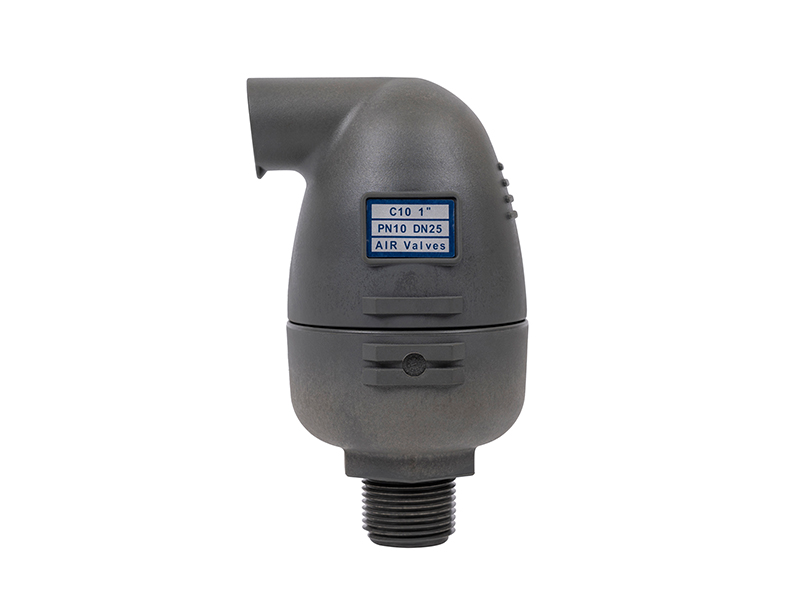
Trapped pockets of ambient air accumulate at the highest elevation points of extensive agricultural irrigation lines. These air pockets restrict water flow and cause violent pressure spikes known as water hammer. An automatic air release valve safely bleeds this trapped air out of the system. For instance, integrating a C10 1-Inch Plastic Air Valve designed for agricultural equipment ensures high-capacity kinetic air venting. Its durable polymer construction resists fertilizers while stabilizing internal hose pressure.
The Pump Intake Valve
Located directly at the entry point of the pump housing, the pump intake valve regulates the volume of water entering the impeller chamber. If the mechanical seal on this component degrades, it introduces ambient air into the suction line. This phenomenon is known as cavitation. It mimics the symptoms of a punctured hose and drastically reduces water output.
The One Way Valve
Standard shut-off mechanisms require manual operation. In contrast, a one way valve ensures that once fluid or gas passes a specific threshold, it absolutely cannot return. Systematically inspecting these related directional valves helps isolate complex hydraulic failures without unnecessary part replacements.
Individuals often resort to improvised DIY methods during emergency situations. One of the most widely circulated workarounds is the "wrench trick." This involves using needle-nose pliers or heavy tweezers to force the core out.
From an engineering standpoint, employing pliers on a precision brass component is highly inadvisable. The flat edges of a core are exceptionally small and fragile. Pliers apply uneven, lateral crushing force rather than balanced rotational torque. This uneven pressure frequently strips the brass edges or breaks the center pin off entirely. If the unit snaps flush inside the stem, you must replace the entire housing at a significantly higher cost.
Survival hacks have their place in extreme, stranded scenarios. However, the risk-to-reward ratio is entirely unbalanced for routine maintenance. A dedicated extractor tool is a minimal investment that guarantees mechanical safety. Relying on improper tools for precision maintenance ultimately leads to preventable damage.
Operator error can compromise the integrity of the repair even with the correct tools in hand. Recognizing these common mechanical mistakes ensures your tires and fluid lines remain perfectly sealed.
The most frequent error made by novice mechanics is applying excessive rotational force. A tiny, pliable elastomeric band creates the seal. When over-torqued, this rubber gasket bulges outward. It distorts its shape and creates micro-gaps against the metal housing. This results in a slow, frustrating leak. Tighten the core only until it is snug and you feel firm resistance.
Installing a pristine core into a contaminated stem defeats the purpose of the repair. Sand, road salt, or dried agricultural sealant acts as a rigid abrasive. A single grain of sand trapped between the new O-ring and the brass housing prevents a flush seal. Always meticulously clean the internal cavity before installation.
Selecting the proper equipment ensures your repairs align with modern engineering standards. As fluid lines become more advanced, your toolkit must adapt.
A single-head device is designed exclusively for standard Schrader valves. If you maintain a diverse garage or specialized pneumatic equipment, a dual-head extractor is a superior investment. These models feature a standard slot on one end and a narrower Presta interface on the opposite end.
Torque-rated tools are non-negotiable for professionals working with high-pressure fluid systems. These instruments incorporate an internal clutch mechanism. It prevents the user from exceeding the manufacturer's recommended tightness. This feature completely eliminates the risk of crushing the internal O-ring.
Avoid tools constructed with hollow plastic handles or cheap cast-zinc shafts. Plastic handles frequently crack under the rotational stress required to break loose a corroded core. Look for tools machined from hardened carbon steel or anodized aluminum. Handles with a knurled, textured finish provide superior grip when your hands are covered in irrigation water or oil.
A valve core extractor tool is your best defense against unexpected pneumatic and hydraulic failures. It fixes flat tires and leaky hoses quickly, restoring functionality without breaking the bank. Always use the proper tool to apply balanced torque and prevent irreversible thread damage. If your hose still loses pressure after a core replacement, inspect your check valves and intake lines for hidden leaks. Proactive maintenance keeps your essential equipment running safely.
Upgrading your fluid control system requires the right components. Whether you need robust directional flow control, kinetic air release mechanisms, or specialized maintenance tools, selecting premium parts eliminates costly downtime. Explore professional-grade valves and irrigation solutions at ARKA Irrigation to find the exact specifications for your agricultural or industrial setup today.
No. The valve core is the primary mechanical barrier retaining pressurized air within the tire assembly. Extracting the core causes the tire to instantaneously vent all internal pressure to the atmosphere. Driving on a deflated tire irreparably destroys the internal sidewall structure and severely damages the metal wheel rim.
No, valve cores vary based on their intended application. Most passenger vehicles, light trucks, and residential pressure hoses utilize standard Schrader valves. High-performance road bicycles use narrower Presta valves. Heavy agricultural equipment and large-scale industrial fluid systems rely on large-bore valves, requiring a significantly larger extraction tool to accommodate higher flow rates.
A standard, single-head extractor tool designed for Schrader valves will not fit a Presta valve. Presta cores feature a different structural design and require a specific, narrower slot to engage the threads. You must purchase a dual-head extractor tool or a dedicated Presta wrench to service both types.
Standard Schrader valve cores require very low torque, typically between 1.5 to 3 in-lbs. Applying more force than this will deform the delicate rubber O-ring, causing immediate micro-leaks. It is highly recommended to use a torque-calibrated extractor tool that automatically slips when the correct tightness is achieved.
While a leaking core itself releases air slowly, the resulting under-inflation is highly dangerous. Driving on an under-inflated tire generates excessive heat due to increased sidewall flexion. This thermal buildup severely weakens the tire structure, which can eventually lead to a sudden, catastrophic blowout at highway speeds.
If you successfully replaced the core in your diagnostic hose but the system fails to hold pressure, the issue is likely upstream. You typically have a failing foot valve or a compromised check valve within the main line. When the internal seals on these directional valves degrade, they allow water to flow backward against the intended direction, causing a total loss of system prime.


