
Views: 0 Author: Site Editor Publish Time: 2026-02-02 Origin: Site


Drip irrigation is a highly efficient method of delivering water directly to the root zone of plants, helping save both water and energy. However, the success of this system depends on maintaining a consistent and clean water flow.
One of the most common problems in drip irrigation is clogging. When water contains impurities such as sand, silt, or organic matter, these particles can block the small openings of drip emitters. This not only disrupts the uniform distribution of water but can also reduce crop yields and increase maintenance costs.
To prevent these issues, a screen filter plays an essential role. It removes suspended particles from the water before they enter the drip system, ensuring smooth operation and reliable performance. By keeping the water clean, screen filters help extend the lifespan of the system and maintain efficient irrigation.
Drip irrigation often relies on various water sources, each carrying potential contaminants:
Well water: May contain sand, silt, and mineral particles that can easily clog emitters.
Pond or river water: Frequently contains organic matter like algae, leaves, or microorganisms.
Municipal water: While treated, it can still contain fine sediments or rust from old pipelines.
No matter the source, these impurities pose risks to the delicate drip irrigation system.
Without a screen filter, the irrigation system becomes vulnerable to several issues:
Blocked Emitters: Tiny openings in drip lines quickly get clogged by particles, leading to uneven water distribution.
Reduced System Efficiency: Blockages force the system to work harder, lowering overall water delivery and wasting energy.
Plant Stress: Uneven watering means some plants receive too much water while others suffer from drought, ultimately reducing growth and yield.
A screen filter helps eliminate these risks by capturing debris before it enters the system, keeping water flow stable and ensuring healthier, more consistent irrigation.
A screen filter is a water filtration device designed to remove suspended particles, sediments, and debris from water before it enters irrigation or industrial systems. It works by allowing water to pass through a fine mesh that captures contaminants, ensuring clean water flow and protecting downstream equipment.
Cylindrical Mesh: The core component, usually made of stainless steel or durable plastic, traps dirt, sand, and organic matter.
Housing: Encloses the mesh and directs water smoothly through the filter.
Inlet/Outlet: Entry and exit points ensure proper water flow and system compatibility.
Simple and Effective: Provides reliable filtration with minimal complexity.
Easy to Clean: Mesh screens can be removed, rinsed, or equipped with automatic self-cleaning mechanisms.
Protects Equipment: Prevents clogs in drip emitters, sprinklers, pumps, and pipes.
By combining simplicity with efficiency, screen filters are an essential component in maintaining smooth and reliable irrigation or water systems.
If your water source, such as a well, pond, or river, contains sand, silt, algae, or leaves, a screen filter is essential. These particles can quickly clog drip lines or other irrigation components, disrupting water distribution and reducing system efficiency.
Drip irrigation systems often use emitters with very small openings. These are highly susceptible to clogging, even by tiny particles. Installing a screen filter ensures that only clean water reaches the emitters, maintaining uniform flow and consistent irrigation.
Even if your water appears clean, a screen filter acts as a safeguard. It helps extend the lifespan of pumps, valves, and pipes by preventing debris from entering the system. This preventive approach reduces maintenance costs and avoids costly downtime.
By understanding these situations, users can determine when a screen filter is necessary to protect their irrigation system and ensure reliable performance.
A screen filter uses a mesh to trap suspended particles and debris in water. It is simple, effective, and easy to clean, making it ideal for drip irrigation, small to medium-scale agricultural systems, and situations with moderate sediment levels. Screen filters are particularly suitable when particles are visible and easily trapped by mesh.
Disc filters consist of stacked discs with grooves that capture debris. They provide fine filtration and are more resistant to clogging than some screen filters. Disc filters are commonly used in systems with organic-rich water, but they require more maintenance and careful handling compared to screen filters.
Sand filters use a bed of sand to remove very fine particles and suspended solids. They are highly effective for large-scale irrigation or industrial water treatment where water contains high levels of fine sediments. However, sand filters are bulkier, more expensive, and require regular backwashing to maintain efficiency.
Best for water with visible sediments or moderate particulate matter.
Suitable for drip irrigation systems and sprinklers with small openings.
Ideal for users seeking a low-maintenance, easy-to-clean solution.
By comparing filter types, it is clear that screen filters offer a practical, efficient choice for many irrigation and water system applications, balancing performance, maintenance, and cost.
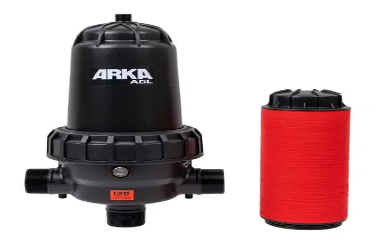
Before choosing a screen filter, it is essential to understand the quality of your water source. Different sources contain varying types of impurities:
Sediment Types: Water from wells, rivers, or ponds may carry sand, silt, or fine particles that can clog irrigation lines.
Organic Matter: Algae, leaves, or other debris in surface water can reduce filtration efficiency.
Particle Size and Concentration: Knowing the size and concentration of particles helps in selecting the correct mesh size for effective filtration.
A screen filter must match the technical specifications of your irrigation or industrial system to work efficiently:
Pipe Size: Ensure the filter fits seamlessly into the existing pipeline.
Flow Rate: The filter should handle the system’s water volume without causing pressure drops.
Pressure Ratings: Verify that the filter can operate under the system’s maximum and minimum pressure to avoid leaks or damage.
The location and conditions where the filter will be installed can affect its performance and lifespan:
Outdoor Exposure: Filters placed outdoors should be resistant to UV radiation and weather changes.
Temperature Variations: Select materials that can withstand high or fluctuating temperatures.
Pressure Fluctuations: Consider filters designed to handle varying water pressures, ensuring consistent performance under different operating conditions.
By carefully considering these factors, users can select a screen filter that not only fits their system but also provides reliable, long-term protection for irrigation or industrial water applications.
Correct installation is key to maximizing a screen filter’s efficiency and lifespan.
Orientation: Follow manufacturer guidelines for inlet and outlet alignment.
Secure Connections: Tighten all fittings to prevent leaks and protect downstream equipment.
Stable Mounting: Place the filter on a firm surface to avoid vibrations or misalignment.
Consistent checks help detect issues early.
Pressure Drops: A sudden change may indicate clogging or blockage.
Irrigation Patterns: Uneven flow can signal partial obstruction.
Unusual Noises: Listen for turbulence or vibration indicating debris accumulation or poor installation.
Routine care extends filter life and maintains water quality.
Scheduled Cleaning: Flush the mesh regularly, especially with sediment-heavy water.
Check Connections: Tighten fittings periodically.
Replace Worn Parts: Inspect mesh, seals, and housing, and replace if damaged to prevent major issues.
Following these steps ensures your screen filter works efficiently, reduces maintenance, and protects your irrigation or industrial system long-term.
For most drip irrigation systems, the answer is yes — a filter is essential. Installing a screen filter ensures that debris and sediments do not clog emitters, maintaining consistent water flow and protecting your irrigation system. Screen filters are cost-effective, easy to maintain, and provide reliable performance for growers of all scales.
Investing in a high-quality screen filter not only improves system efficiency but also prolongs the life of pumps, valves, and pipelines. For growers and irrigation professionals looking for reliable filtration solutions, ARKA’s range of screen filters offers durable, high-performance options tailored to different water sources and system sizes. Explore ARKA’s products today to ensure long-term irrigation success and water system protection.


